

Bedroom design in a small room often stumbles over clutter, too many things, not enough space, and that constant edge of mess, even after tidying. Sliding a bed along one wall, bumping into baskets, and trying to store things underfoot just makes the room feel tighter, not calmer.
The good news: you can make a bedroom feel larger and quieter with a few clear choices. Today you’ll see how to shift furniture, pare back finishes, and pull together a palette with texture, not with stuff. This works especially well for a small bedroom with limited storage when you keep the colour scheme simple because too many colors or materials look busy fast.
The short version: Bedroom design in a small space works best when you use fewer, softer pieces and choose one neutral palette with layered textures. Starting with a simple plan avoids clutter and helps every finish look like it belongs. These changes make even a compact room feel less crowded, calmer, and easier to live in.
Key takeaways
- Layering texture with bedding and rugs makes a small bedroom feel inviting without any extra weight.
- Mirrors and floating shelves add width and storage while keeping the footprint minimal.
- Choosing a neutral palette, then adding one warm accent, keeps the space from feeling cold or flat.
- A feature wall in a soft tone helps draw focus without crowding a small bedroom.
- Small bedrooms usually feel less cramped with under-bed storage, according to House & Garden’s advice.
- Why do small bedrooms feel cluttered before you move anything?
- How do you choose a bed that does not swallow the room?
- Storage that hides in plain sight (renter-friendly)
- Building a calm neutral palette without going cold
- Layering textures: bedding, rugs and one anchor piece
- Where this works best
- Styling and placement

Why do small bedrooms feel cluttered before you move anything?
Small bedrooms quickly collect clutter because oversized furniture, mixed styles, and scattered colors compete for limited space. Clearing visual noise keeps the focus on rest and comfort.
A small bedroom usually feels cramped before you even arrange a thing. Most of the time, the space starts with too much, extra pillows, laundry piles, daily-use items left out, and furniture that doesn’t quite fit. These little pressures add up and crowd out calm.
Unlike a large bedroom, there’s no hidden spot to shove a basket or leave an extra chair. The result is often a floor that feels full and surfaces that look busy instead of clear.
A bedroom design plan that starts with picking just a few calm, practical items avoids this first trap. Sticking with one wood tone or repeating a fabric pattern on two items gives your eyes a break every time you walk in.
If a nightstand brims with stacked books and mismatched lamps, even tidy bedding can’t fix the cluttered feeling. Try not to keep more than two things visible on small surfaces, a small bowl for keys and a simple lamp work well on a narrow table or shelf.
In a small bedroom with shared storage, lowering the number of visible items helps both partners relax. A single closed box for tech, instead of open wires, makes winding down at night feel easier.
Pair a slim wooden tray on top of a dresser with a linen-wrapped box for loose odds and ends. This lightens the look and avoids scattered objects that break up your sight lines when you walk through the space.
How do you choose a bed that does not swallow the room?
A bed with low legs, a short headboard, or an open base keeps a small bedroom feeling light and easy to move through. Avoiding bulky frames saves floor space for other needs.
Most small bedrooms feel instantly smaller when the bed frame or headboard takes up half the wall. Boxy, tall beds close in the space, especially with dark woods or high padded ends. An open metal or wood frame, or even no headboard at all, makes more room to walk and lets in light from the window or lamp.
According to Houzz structures its bedroom galleries around buyer questions about beds and what makes a small bedroom work. Most show beds set slightly off-center, almost always with enough room to slide a basket or stow a blanket underneath.
A bare mattress on a plain metal frame looks colder than one layered with a soft throw and a linen-covered headboard. Look for frames with a slender rail or wooden slats, the open shape tricks the eye into reading the bed as lighter, leaving air around it. Lower beds also make the ceiling feel higher.
If you share your bedroom, a lower or open-end frame makes it easier for both people to get in and out, even if you only have clear space along one side.
Most floating beds or Japanese-style platforms are built lower to the ground, which creates instant openness. These usually leave a few inches below to slip in shallow storage bins or woven baskets for shoes, out-of-season linens, or extra pillows.
| Bed Type | Space Feel | Storage Option |
|---|---|---|
| Box Frame with High Headboard | Heavy, crowded | Difficult to use under-bed |
| Low Open Frame | Light, spacious | Easy for bins or baskets |
| Platform Bed | Airy, uncluttered | Hidden drawers possible |
Set the bed on the wall with the fewest windows and doors to keep the rest of the room easy to walk through. A pale frame blends with light walls, which helps it almost disappear, especially in early morning or late evening light.
Layer a slubby cotton throw over the end to soften sharp bed corners. This small change adds visual warmth while steering clear of anything bulky or overdone for the size of the room.
Storage that hides in plain sight (renter-friendly)
Furniture with closed sides or open shelves near floor level doubles storage without overwhelming a small bedroom. Soft natural baskets and lidded boxes work especially well for renters.
In many small bedrooms, especially in rentals, there’s no built-in storage and no way to drill into walls. Furniture needs to hide things, while still looking clean and easy to move out when needed. Open metal racks can look cold and show every mess, so soft bins or lidded baskets blend better with a calm room.
House & Garden’s advice is to use under-bed boxes or low dressers that don’t crowd your sight lines in a small bedroom. If closet storage is short, add a flat basket under the bed for out-of-season clothing, or a slim trunk at the foot of the bed for extra bedding.
Instead of open wire shelves, a small wooden chest at the end of the bed holds shoes and creates a spot to sit. Compared to a tall chest of drawers, a wide, low dresser keeps the room open and can double as a nightstand, saving both money and space.
Floating shelves (set about eye level) can take the place of a bulky bookcase. Leave at least two-thirds of the shelf surface empty, and use a single small plant or a stone bowl as a visual anchor, this keeps storage helpful, not crowded. See more ideas in bedroom floating shelves.
If you need extra space for tech, look for a felt or canvas organizer that hangs from the side of your bed or dresser, these usually attach without drilling and can be swapped out when you move.
Choose natural textures such as jute or cotton for baskets. Synthetic surfaces show dust and can look slick under brighter lights, while natural fibers soften the room and survive bumps well in tight quarters.
Building a calm neutral palette without going cold
A calm neutral palette in a small bedroom only works when you mix textures and add one warmer accent. Too much sameness makes the space feel flat.
Light neutrals make a small bedroom appear larger, whites, soft taupe, and pale grey all work. But all-white can read as bare or cold, especially with modern painted furniture. The advice from Farrow & Ball’s inspiration page is to group soft shades with one subtle accent, like clay pink or green, anchoring the room without making it feel busy.
Unlike a kitchen or living room, the bedroom does better with just two or three visible colors. A palette of off-whites and natural woods, broken up by a single tan or olive pillow, feels calm but not unfinished. Layering in texture, cotton, linen, or a looped wool rug, brings life to the room even when the base color is very light.
Flat-painted trim in a nearly-matching shade, as seen in House & Garden’s small bedroom ideas, stops window frames and doors from standing out. When the walls, floors, and biggest pieces blend together, there’s less visual interruption, which helps the room read wider than it really is.
Most big home brands show at least one small bedroom with off-white walls, a warm brown wood detail, and a neutral rug. This approach sets off textures and plants while sidestepping the “cold” look that pure white can bring.
If you want to avoid a flat finish, add a stoneware vase, woven shade, or pale curtain to break up plain surfaces. These small details keep small bedrooms feeling restful without sliding into blankness.

Layering textures: bedding, rugs and one anchor piece
Layering soft bedding, a textured rug, and one solid piece of furniture creates depth in bedroom design without adding clutter or bulk.
Most bedding sets read very flat if you stop at a fitted sheet and single duvet. Adding one nubbly throw, a pair of pillow shams, and a folded blanket at the end of the bed brings dimension, without the mountains of pillows that take over.
A statement rug in soft wool or chunky cotton, placed so it runs under the foot of the bed, feels grounded without making the space heavy. Natural rugs outlast synthetic ones in high-traffic bedrooms and offer more give underfoot, as seen in IKEA’s bedroom gallery.
Instead of matching everything perfectly, keep two textures similar (like cotton and linen) and let the third stand out, a woven ottoman, cane bench, or wooden stool often anchors the floor at the window or foot of the bed.
Heavy velvet or dark knits add weight quickly, so go lighter in small rooms: pick washed linen or slub cotton for top layers, and introduce deeper tone on a single cushion or basket instead of on the main bedding.
If the room feels stiff, soften corners with a draped blanket or a rug that runs slightly up the side of the bed. These show use and feel inviting, unlike a blanket folded so tight that it looks unused.
One anchor piece, like a wooden bench or a plant stand, stops the room from looking like a hotel. When layering, keep floor space open so clothing and books never pile up in corners.
Where this works best
Layered neutral design works best in small bedrooms with limited light and storage, where every choice needs to add comfort without crowding the floor.
Most renters and homeowners with small bedrooms find their space short on light and storage. Shallow closets, odd window placement, and little space between walls make it hard to fit typical bedroom furniture. This approach works best for rooms with a single window, limited closet space, or where you need a home office or nursery corner in the same small area.
Applying a simple, layered bedroom design here avoids waste and saves time. Owners with small rooms and busy routines rely on pieces that serve more than one purpose: a low bench that stores shoes, a wall hook for robes, a wide nightstand that doubles as a desk. Adding plant stands or mirrors in quiet colors opens up dark corners.
Avoid filling every wall with furniture. Overpacking the room with storage, or using multiple dark finishes, makes it harder to sleep and harder to keep clean. Instead, repeat one light wood and a soft neutral in three places, bed frame, shelf, and basket, for example.
Layering works just as well in guest rooms or shared bedrooms where space may be divided. The rules stay the same: keep the palette simple, the storage hidden, and just one anchor object at floor level, something to ground the look but never overtake it.
For more tailored inspiration, look at small bedroom ideas from our own collection.
Styling and placement
Styling a small bedroom works best by limiting colors, using closed storage, and repeating just one or two natural materials across soft furnishings and furniture.
Start with a neutral foundation, bare floors, pale walls, and natural blinds. Place the bed along the longest clear wall, not blocking any windows or doors. Use a rug or runner to visually “zone” the bed, and hang a single framed print just above the headboard to draw attention up.
Avoid layering several types of baskets or mixing patterns. Instead, pick a small number of surfaces to repeat: rattan storage under the bed, linen curtains, wooden trays on a nightstand. Fewer materials create a more tranquil impression than a jumble of mismatched finds.
Closed storage, drawers, boxes with lids, or a closet curtain, removes daily clutter from view. On open surfaces, leave at least three-quarters clear, and use only one visible decorative item, such as a plant or a favorite book. These small decisions keep the space restful and open, according to Halman Thompson’s bedroom design guide.
Statement lighting, like a single wall sconce or a low pendant, helps avoid the need for broad overhead light, which often casts harsh shadows in limited rooms. If space is tight, choose wall-mounted lamps with adjustable arms to free up the nightstand for essentials.
Quick calm checklist:
- Stick to one light wood and one neutral fabric across main pieces.
- Leave most surfaces clear, no more than two items on a nightstand.
- Place the bed where both corners are accessible, if possible.
- Use closed storage under the bed or a soft-sided basket tucked next to it.
- Limit accent color to one shade, like green for a plant or clay for a single vase.
Selecting and placing each piece this way helps the small bedroom breathe and function, without crowding or fuss.
There comes a point, often after tidying yet again, when the room still feels scattered or off-balance. The colors seem to argue, or furniture crowds corners, and it’s hard to see where to begin editing. Many people get stuck here, thinking a bigger room or more storage is needed, but the real answer is usually a shift in how each item is chosen and placed.
The practical shift is anchoring your bedroom design around one gentle palette, one primary texture, and pieces that serve double duty, so surfaces stay calm and clutter recedes.
Many homes run into trouble by mixing too many materials, leaving open storage messy, or overloading small nightstands. The result is a room that feels busy, never tidy, no matter how much is moved around. You can fix this by removing a few mismatched pieces and limiting visible storage to one or two baskets with lids.
Once you pare back, the room opens up, and everything looks fresher, even on busy days.
Save this idea for later.
What tends to hold up with bedroom layering and natural palettes
Across countless room reviews and reader comments, the biggest wins come from repeating textures and sticking with just one accent color in a mostly neutral scheme. It is noticeable how often reviewers call out the strong sense of calm that comes from a pared-back, light palette, especially in rooms without much natural sunlight. Decorators consistently recommend matte finishes for both paint and soft goods, glossy surfaces tend to show fingerprints and catch stray daylight, breaking up the visual quiet.
Natural materials like linen and woven jute get named as both practical and forgiving. Their surfaces wear in, not out, and hold up to frequent use. Most people find that after a few weeks, layering with these pieces feels effortless, they look better, not worn, with time.
, Mara, Loom & Glow
Common questions
Why do small bedrooms feel cluttered before you move anything?
Small bedrooms quickly collect clutter because oversized furniture, mixed styles, and scattered colors compete for limited space. Clearing visual noise keeps the focus on rest and comfort. A small bedroom usually feels cramped before you even arrange a thing.
How do you choose a bed that does not swallow the room?
A bed with low legs, a short headboard, or an open base keeps a small bedroom feeling light and easy to move through. Avoiding bulky frames saves floor space for other needs. Most small bedrooms feel instantly smaller when the bed frame or headboard takes up half the wall.
Explore more calm combinations inside our Shop The Look .
Shop the Look
A side table with display shelf and a tall basket bring function and vertical calm to a small bedroom.
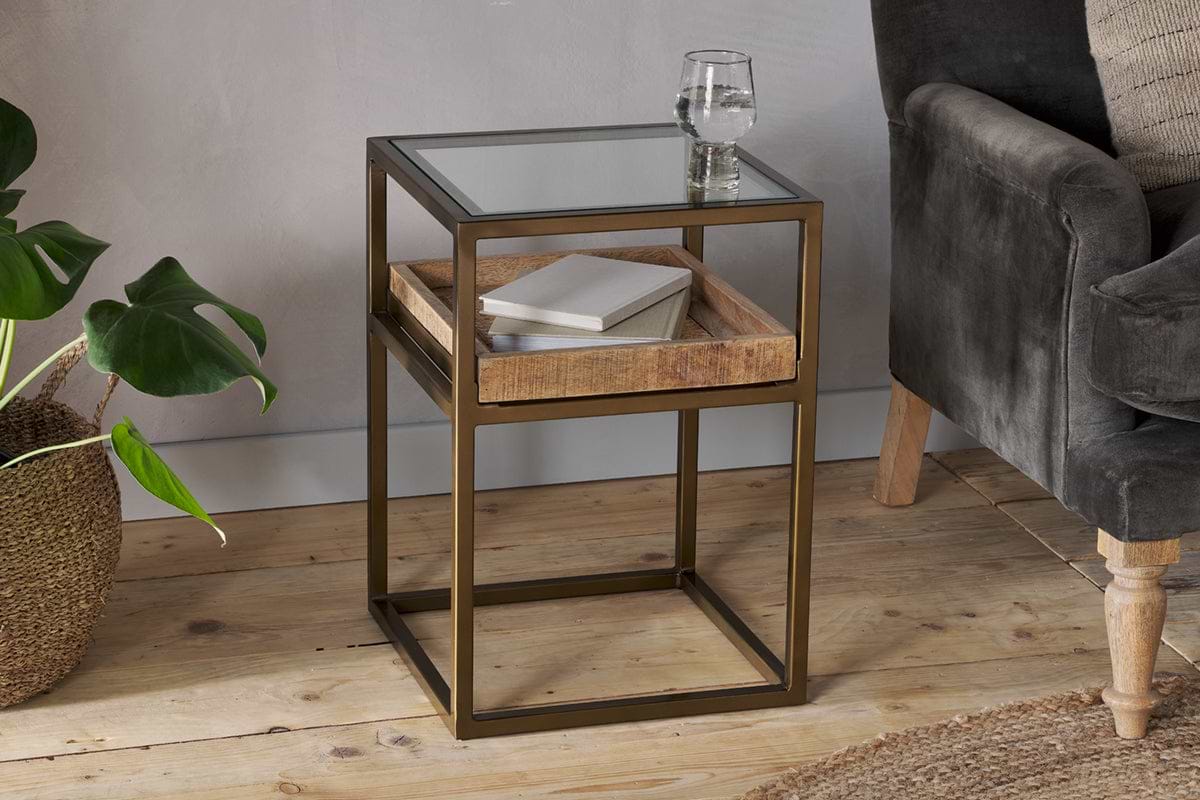
Luzon Side Table
Iron and mango wood with display shelf, small footprint, double function.
View at Nkuku →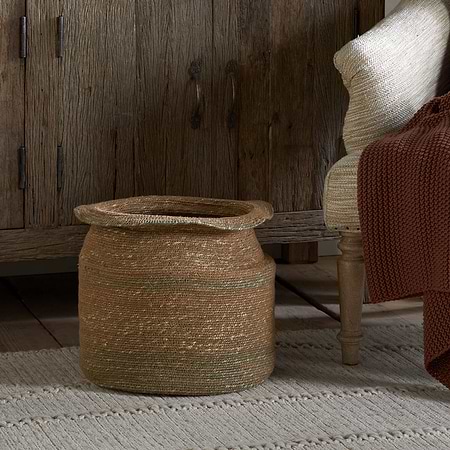
Some links above are affiliate links. If you buy through them we may earn a small commission at no extra cost to you. We only suggest pieces we think fit a calm, lived-in home.
Free guide
The Calm Shelf
12 styling ideas to help you compose calm, balanced shelves in natural texture homes.