

Too many bedrooms with white bedroom furniture end up feeling cold or unfinished. Flat-pack sets can seem generic, and gloss finishes often catch the wrong kind of light. It’s hard to make a white room restful, especially on a real budget.
This guide strips it back to honest, practical choices. You’ll see which white furniture finishes and touches work, what to skip, and how to bring in comfort without adding clutter. This works especially well in a small bedroom when storage is limited because clean lines and the right materials open up the space.
The short version: White bedroom furniture feels calm instead of sterile when you choose matte or wood-topped finishes, keep shapes simple, and layer in one warm texture nearby. Small swaps—like a single natural basket—make white look soft, not flat.
Key takeaways
- Matte and off-white finishes on bedroom furniture prevent glare and keep the feeling soft, especially in rooms with direct light.
- A white chest of drawers works best when paired with a woven or wood element nearby.
- Mixing natural wood with painted white stops the room from feeling cold or rigid.
- IKEA sells most white bedroom sets as grouped furniture packages, not standalones.
- Adding a single contrast material—like wicker or clay—warms up a plain white layout instantly.
- What makes white bedroom furniture feel calm instead of clinical?
- How to choose the right white finish for bedroom furniture
- Where this works best
- Styling and placement
- Which pieces give you the most for your budget?
- How do you add warmth and texture?
- How to avoid the most common mistakes with white bedroom furniture

What makes white bedroom furniture feel calm instead of clinical?
White bedroom furniture feels restful when you use matte or softly painted finishes and balance them with one or two natural textures nearby.
Bright white furniture without much texture can leave a bedroom looking sharp or empty. A stack of glossy cabinets under a strong light sometimes looks more like an office than a retreat. Painted finishes with a soft touch or brushed wood grain help the light scatter, making surfaces look smoother.
Adding even one object—like a linen cushion or a rattan box—takes the hard edge off clinical white. Unlike high-gloss finishes, which tend to grab the light, a matte or satin surface lets your eye rest gently on the space.
A room with tall, plain wardrobes needs something to catch a viewer’s focus. A plain row of stark white doors can make the corner feel more closed in, but a warm wood handle or the shadow of a woven basket changes the entire impression at eye level. Placing a soft rug in front of white furniture also helps soften the look and brings the temperature of the space down.
White works for bedrooms that face direct sun or shadow because it bounces available light around without adding glare. Pairing textural finds—like a woven basket or a matte-glazed lamp—keeps the mood feeling steady all day. Leave space on top of dressers clear for a single natural object and the surface will look more inviting.
How to choose the right white finish for bedroom furniture
Matte and off-white finishes on bedroom furniture look warmer and reduce shine, making the room feel softer and less stark than high-gloss whites.
Painted white furniture wears differently depending on its surface. Gloss reflects every little bump and fingerprint, especially under natural light, so the room can start to feel busy fast. Instead, matte finishes absorb the light and hide small everyday marks, which means the look stays restful longer and feels less high-maintenance.
Off-white shades, like chalk, cream, or pearl, work gently with almost any wall colour. Compared to a true bright white, these subdued tones blend better with other textures and soften the room’s impression. According to Oak Furniture Land, pairing white bedroom furniture with similar white painted walls creates a pared-back look that calms a busy or small room instantly.
Painted drawer fronts and bed frames coated in chalk or satin finishes stay looking clean longer than glossy options, especially in homes with pets or young children. If you’re furnishing for a rental-friendly space, matte also covers old marks better and blends in with older walls without looking patchy. Place matte-finished pieces closest to windows to avoid harsh reflectivity and keep the overall light even.
| Finish Type | How it feels | Best for |
|---|---|---|
| Matte | Soft, low glare | Relaxed, high-sun bedrooms |
| Gloss | Bright, reflective | Accent areas, small pieces |
| Off-white/Chalk | Warm, subtle | Most rooms, pairs easily |
This choice matters most for large furniture, like wardrobes or a chest of drawers, where the surface area multiplies the visual effect. Keep gloss to a minimum and look for subtle wood grains or brushed lacquers to stay within a calm palette.
Where this works best
White bedroom furniture suits small, low-light, or oddly shaped rooms because it bounces available light and clears visual space.
Rooms that feel cramped or have tricky layouts—like a bedroom with a sloped ceiling or one window—open up visually with white furniture. A plain white wardrobe in a narrow alcove draws less attention than oak or painted navy. For shared rooms or guest spaces, white blends without dominating and keeps corners from closing in.
In houses with darker walls or wooden floors, white chests of drawers or bedside tables make the palette feel lighter. Unlike heavy wood or black furniture, which can pull the room down, white keeps everything looking connected and gives you more freedom with accessories like mirrors or wall lights. In a rental, swapping even one grey or black piece for a white-painted option can change the overall feeling by softening the palette.
Avoid filling every corner with white bedroom furniture, especially in an open-plan or studio layout. Too many matching pieces lined up against the walls can flatten a room, so leave space for a basket, plant, or natural wood accent. For best results, limit the number of main furniture items to three and add texture in baskets or woven lampshades nearby. This makes the color feel chosen, not default.
Bedrooms facing north or with only one window need lighter surfaces to reflect daylight, and white finish on bed frames or dressers provides that lift without glare or fussiness. Place your main white piece where it benefits from side light and keep accessories to a minimum on top for calm effect.
Styling and placement
The right placement keeps white bedroom furniture from feeling lost or cold; placing a basket or soft accent nearby adds comfort and draws the eye.
Everyday bedrooms rarely have perfect light or endless floor space. Putting a white chest of drawers near a window, rather than in a dark corner, helps diffuse daylight through the room. A pale wardrobe works best at the short end of a narrow room to draw attention to the space, not the furniture.
Instead of stacking all your white pieces side by side, place one as a main anchor and let the rest float visually—such as spacing a chest and bedside apart. A thick, woven rug under the bed allows even minimalist furniture to feel more finished. Loading every shelf with white objects, in contrast, reads as cluttered, not calm.
Quick calm checklist:
- Choose items with real wood, rattan, or metal hardware for contrast.
- Leave empty space on at least half of dresser or wardrobe tops.
- Stick to one accent color for accessories.
- Add a single soft basket or box nearby, like the Nkomi Basket, for visual warmth.
- Avoid crowding corners—spread pieces to keep sightlines clear.
Setting a round basket beside a square dresser invites you to use the space gently; the curves break up the lines and make it easier on the eyes. Place your brightest piece away from direct overhead light to prevent it catching every shadow. Use an accent throw or cushion to bridge from hard white to softer tones without losing the clean look.

Which pieces give you the most for your budget?
A white chest of drawers or multi-drawer bedside table is a budget-friendly choice that adds both storage and a surface for layering natural elements.
Starter pieces, like bedside tables and small chests, make the biggest difference in how a bedroom feels. According to Cotswold Co, white bedroom furniture comes grouped in wardrobes, chests, and dressing tables—breaking up the storage across the room. If you need something quick and practical, a standalone chest fills both roles: extra storage and a landing spot for your keys, lamp, or basket.
IKEA sells most white furniture as multi-piece sets rather than singles, so if you’re hunting for just one upgrade, search for smaller-scale options like their single HAUGA or HEMNES pieces. Next lists a white chalk chest of drawers in the middle budget range (about £399 as of writing), but comparable options start lower if you’re open to secondhand or lightweight wood.
Freestanding wardrobes are a close second, especially for renters. Moveable units with painted wood or light composite look good for years, unlike basic plastic storage that tends to warp and fade. Choose a wardrobe or chest with a soft-close drawer or smooth hardware for lasting ease. Keeping top surfaces clear makes even a cheap piece look higher end.
Dressers with wide drawers do double duty as dressing tables in small bedrooms, saving money and making the most of your floor plan. Anchor one functional white piece near a window and layer in baskets or trays for natural texture. One well-placed basket nearby lightens the hard edges of flatpack furniture and makes clutter less likely to pile up.
How do you add warmth and texture?
Woven baskets, linen bedding, and wood accessories soften white bedroom furniture so the room feels lived-in—never stark or cold.
Natural textures bring out the best in white furniture. Adding a woven basket or seagrass tray beside a white dresser keeps the surface gentle and draws attention away from angular lines. A thick clay vase on a bedside table provides a bit of weight and subtle color, especially if most other objects are pale.
Compared to a bare shelf, a simple basket—like the Nkomi Basket—catches soft shadows and hides small clutter. Oak Furniture Land’s Brompton range mixes white paint with wood tops in acacia or ash, which helps the room feel less uniform. If you add a stack of linen throws or pillows, you get the sense of softness without making the room busy.
Rounder and rougher surfaces, like a rope basket or unpolished stool, break up the sharpness of straight white lines. Unlike cool metals or shiny plastic, natural textures always feel comfortable against white. Spreading one or two throughout the room prevents a gallery effect and means your furniture feels more inviting over time.
A deep-pile rug next to the bed and one woven box on the wardrobe shelf are usually enough. Skip multiple matching items and stick to varied materials, so the space feels collected, not staged. Place baskets or wooden trays close to doors and edges to catch loose items and cut down visible mess.
How to avoid the most common mistakes with white bedroom furniture
Matching too many white pieces or picking the wrong finish makes bedrooms feel flat, cold, or unfinished; mixing in a single warm accent corrects this instantly.
Buying every piece from one “white bedroom furniture set” often leads to a feeling of uniformity and even emptiness—especially in small rooms. A room with only shiny or hard-edged white objects can look like it’s still waiting to be finished. Instead, keep white furniture as a backdrop, and choose just one standout natural piece to anchor the room.
If you use only high-gloss finishes, the result is often glare and visible fingerprints, which pulls the eye and adds a sense of mess even when the surfaces are clean. According to Cotswold Co, mixing matte and textured finishes in one bedroom helps avoid a clinical look. Unlike dark wood, white doesn’t mask dust or daily marks, so fewer pieces—well-spaced—keep both cleaning and arranging simple.
Another common issue: storing clutter in plain sight. Baskets work best when sized for the shelf or floor spot—too small, and they disappear; too large, and they crowd the space. Instead of crowding three white cubes on top of a wardrobe, use one larger natural basket to absorb the bits and soften the height difference.
To avoid a look that is too flat or sparse, use one contrast object—clay, tan, even a small branch in a vase—per furniture ‘zone.’ This break in color and shape keeps the room looking finished without making it chaotic. Place each contrast item near the side of the main furniture, never dead center, for a lived-in effect.
What tends to hold up with white bedroom furniture choices
Reviewers mention that matte finishes, especially on large surfaces like wardrobes and chests, remain the most forgiving in real homes. Matte does not catch harsh light the way gloss does, and small marks or dust are less noticeable day-to-day. Another steady fix decorators suggest is adding a single contrasting texture by every white zone—everyone from stylists to homeowners agrees this small shift softens the whole room.
The best rooms rarely rely on matched sets. Instead, they use one anchor piece, spaced out with natural finds, and keep clutter out in a way that feels organized without much effort. A practical mix of painted wood and baskets has held up as the calmest approach time after time.
— Mara, Loom & Glow
Common questions
Why does white bedroom furniture sometimes feel cold?
High-gloss finishes reflect light harshly and catch every mark, making a room feel sharp or clinical. Matte and off-white finishes scatter light gently instead, and pairing them with one natural texture – like a woven basket or wood element – softens the entire impression.
What white finish works best for bedrooms with direct sunlight?
Matte or satin finishes reduce glare and prevent the room feeling busy. Off-white shades like chalk or cream blend better with sunlight than bright white, and they pair easily with almost any wall colour without looking washed out.
How much white bedroom furniture should I use in a small room?
Limit main furniture items to three pieces and space them apart rather than clustering them against walls. Leave empty dresser tops and add contrast through one natural accent like a basket or woven lampshade to keep the look chosen, not overwhelming.
what is the best brand of bedroom furniture?
White bedroom furniture feels calm and timeless when you choose matte or off-white finishes rather than high-gloss, because matte surfaces absorb light and hide everyday marks, making the look stay restful longer. According to Oak Furniture Land, pairing white furniture with similar painted walls creates a pared-back look that calms a room instantly.
Explore more calm combinations inside our Shop The Look .
Shop the Look
Soft linen cushions bring quiet warmth and texture to white bedroom schemes.
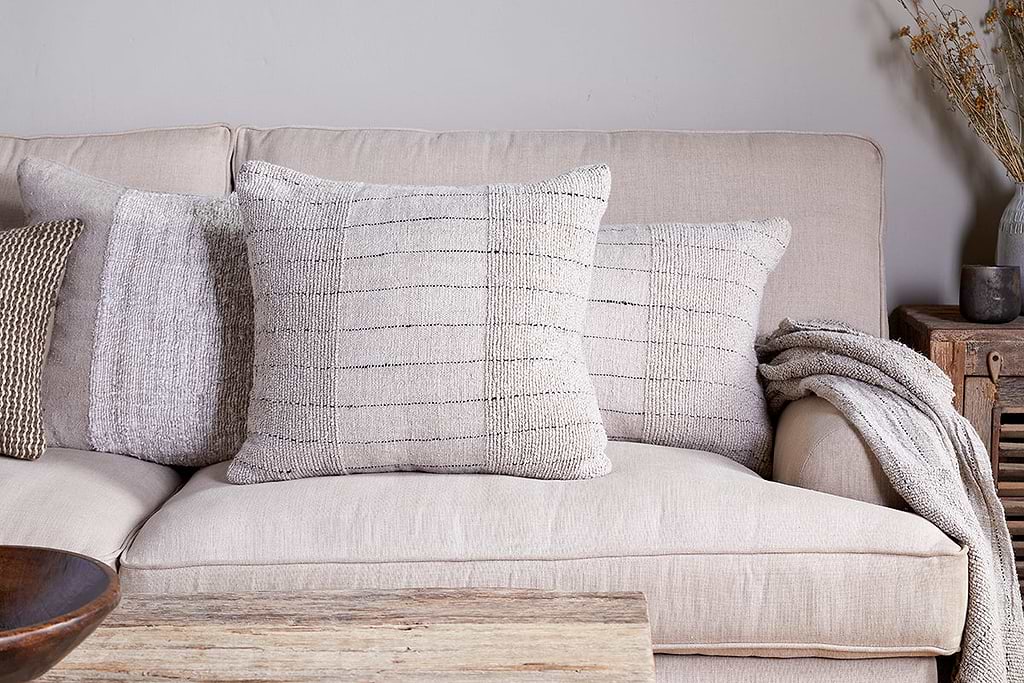
Mayla Cushion Cover
Soft hand-textured cover — instant warmth on linen sofas or chairs.
View at Nkuku →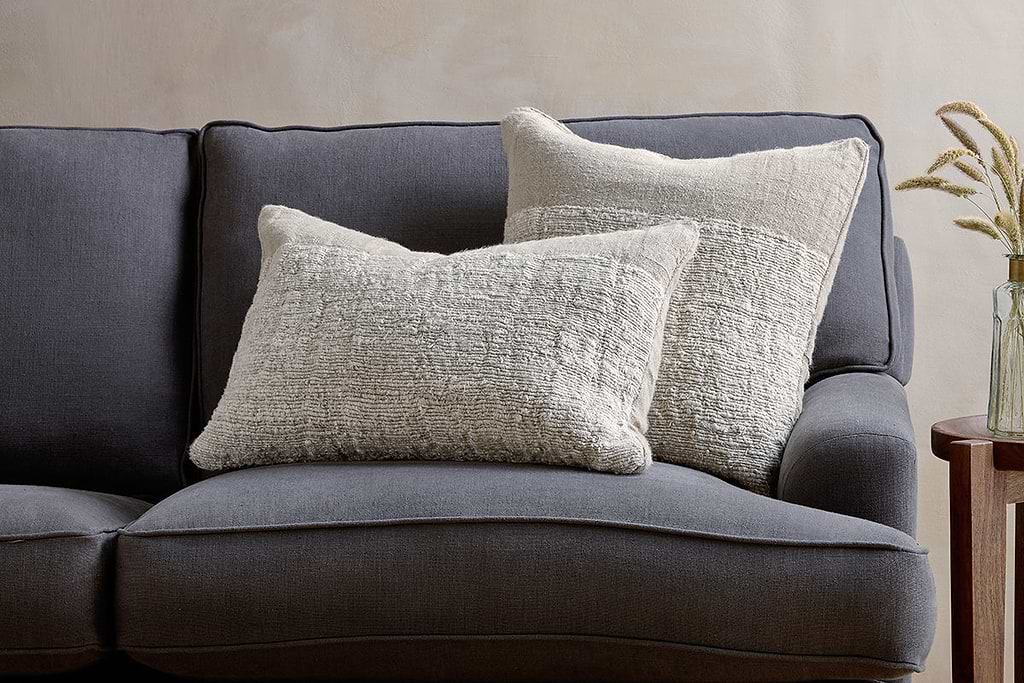
Puli Linen Cushion
Recycled linen in natural — pairs with woven textures and aged wood.
View at Nkuku →Some links above are affiliate links. If you buy through them we may earn a small commission at no extra cost to you. We only suggest pieces we think fit a calm, lived-in home.
Free guide
The Calm Shelf
12 styling ideas to help you compose calm, balanced shelves in natural texture homes.