

Bedroom accessories can make a cramped room feel busier than it is, especially when shelves and side tables already fight for space. Lightweight storage baskets slide into corners, but a tall stack of trinkets, too many throws, or another lamp rarely improves a small, awkward bedroom.
In a small bedroom, you don’t have space for guesswork. Today, you’ll see what to keep and what to take out, learn which materials add warmth without clutter, and discover which single object changes the feel of a room. This works especially well in bedrooms with low light or odd corners when you pick one textured accent, because it calms the room without taking it over.
The short version: The simplest way to choose bedroom accessories for a small room is to use one textured piece, not several small objects, for a calmer look. Fewer, larger accessories with natural texture help the room feel put together, not cluttered. Place emphasis on tactile materials and single anchors over collections.
Key takeaways
- A single bold accessory, like a frame or mirror, does more than three small items for a small bedroom’s walls.
- Texture matters more than variety: one woven basket or knitted throw makes a bigger difference than five trinkets.
- Natural materials such as linen, jute, or wool avoid visual noise and work with most palettes.
- Storage accessories double as decor when you limit them to one or two per surface.
- Choosing oversized or tactile wall art reduces clutter on shelves and improves daily use.

What actually counts as a bedroom accessory?
A bedroom accessory is any portable object that isn’t furniture, adds a visual or tactile layer, and earns its space by providing function or comfort.
Small bedrooms often fill up with things that don’t help. A mug on the nightstand, stacks of books, framed photos, scented candles, these all show up in the usual shelf scene. But many aren’t really bedroom accessories; they’re the leftovers of daily life. A real bedroom accessory is portable, visually distinct, and brings either real softness, storage, or light.
For example, a jute basket shifts how a shelf feels. Unlike a loose pile of magazines, the basket contains mess and adds a matte texture. A framed print leans quietly against the wall, but five little figurines bring chaos.
The key is function and finish. If an item doesn’t feel pleasant to the touch, add useful storage, or give off a soft glow, then it probably adds clutter instead of comfort. A bedside table tray organizes essentials and counts, but a row of discount-store knickknacks usually does not. Wall art, a statement clock, a single vase, layered textiles, all belong. Multiples of the same category do not.
Adding only a couple of real bedroom accessories, one per surface, max, leaves room for life but still grounds the space. Pick objects with meaning or texture, not just whatever fits the nearest spare corner.
Texture over trinkets: why soft layers work harder
One textured throw, cushion, or natural-fiber rug changes a cold bedroom faster than a shelf of small decorations.
Soft layers anchor small bedrooms. Add a knitted throw and the room feels warmer. A boucle pillow stands out on a plain duvet. Texture attracts the eye gently and breaks up empty bed frames or flat sheets.
Abigail Ahern’s bedroom accessories collection leans heavily on tactile, substantial pieces, knitted throws, boucle cushions, a faux fur accent chair, rather than decorative extras (Abigail Ahern’s bedroom). Unlike a lineup of trinkets, these heavy textiles land a sense of weight and comfort without drawing busy lines.
This works because texture absorbs light. A velvet pillow or chunky wool softens harsh overhead bulbs, while shiny or glossy items reflect glare. Even one draped quilt can mute noise in the space.
A knitted throw fits best on the lower third of a bed or slung over a side chair. Skip all-over print. Stick to one major textile per major surface for calm.
Where this works best
Texture-over-quantity works best in small bedrooms with too many surfaces or not enough storage, because it reduces visual busyness and gives every piece a clear purpose.
Small apartments, shared bedrooms, and spare rooms all share one problem: too much stuff in not enough space. Headboards double as shelves. Windowsills catch clutter. Drawers fill up quickly, so people start stacking on every exposed surface.
Replacing small, scattered accents with a single anchor piece, one oversized framed photo, a deep basket at the foot of the bed, tidies the layout. Choosing a thick linen curtain for a window or narrow door both blocks light and takes the place of a whole row of trinkets.
Avoid pairing too many patterns or mixing odd materials together. Coarse jute looks out of place next to high-gloss acrylic, just as several different metals in a tiny room break the flow. Stick to one or two repeating textures (linen, wood, clay, boucle) and the room feels deliberate.
The combination works especially well in bedrooms with limited daylight, where bright textiles or mirrored surfaces can bounce needed light around the room without feeling loud or forced.
How do you choose wall art for a small bedroom?
One oversized frame, mirror, or clock will do more to anchor a bedroom wall than three or four smaller pieces scattered around.
For small rooms, the old gallery-wall approach creates more noise than calm. Instead, a single framed print or a large mirror sets the main line for the space and avoids the pinboard effect. Art needs to be large enough that it holds the wall but not so heavy it takes over; surface area matters more than color splash.
Melody Maison’s bedroom range includes a standout iron clock that’s almost the width of a full side table, showing how one statement piece can give a sense of center, no extra shelves, no floating cubes needed (Melody Maison’s bedroom). Unlike mixing lots of postcard-size art, going large and singular means fewer holes, less visual interruption, and lower cost.
If you want texture with your visual interest, look for a natural wood or brass frame. A warm metal accent like a Kiko Brass Frame bounces soft light around and draws the eye, but does not pile on color or shape. Place one large frame above the bed or resting on a shelf; leave the rest of the wall empty.
Art and statement wall pieces make a small room easier to keep tidy, because you’re not dusting around sets of miniatures or patching lots of nail holes later.

Styling and placement
Bedroom accessories look best when spaced out, grouped by material, and limited in number on each surface, one or two per shelf or table is enough.
Styling accessories is about spacing, not stacking. On a small floating shelf, a single ceramic vase next to a woven basket leaves room for air. Too many objects, even beautiful ones, can make the bedroom edge toward cluttered fast.
According to Oliver Bonas, grouping accessories by shape or color makes a room feel calmer (Oliver Bonas pairs). If you have a soft throw, use a nearby pillow in a similar tone. If one bedside lamp is glass, try placing a glass water carafe next to it, two details, not five.
A bare shelf reads colder than one with a single woven basket. A simple wooden tray on a bedside table groups the night’s essentials and cuts visual noise. No need for a tray, book, candle, and plant, one or two meaningful objects is enough.
Quick calm checklist:
- Pick natural fibers (linen, jute, wool) for your largest layer.
- Limit to one standout ornament per shelf or table.
- Keep accent colors soft or repeated across the room.
- Place larger pieces low, keep walls mostly clear.
- Pair materials (like a brass frame and glass vase) for subtle shine, not variety’s sake.
Mirrors, light, and the impact of reflection
A round mirror or a brass-edged frame next to a window bounces daylight across a small bedroom, brightening corners and making the space feel wider.
Mirrors are more than wall decor, they multiply whatever light a room gets. A good rule of thumb: a mirror works best when it faces the largest open wall or sits opposite a window. Oval or round styles soften straight lines in a boxy floor plan.
Unlike wall art, a mirror also makes practical sense for dressing, putting on jewelry, or quick face checks. Compared to extra lamps or rows of art, a mirror does its work quietly and without cords or color-clash.
For small bedrooms, position a mirror behind your bedside lamp or on the wardrobe door to double up light. A brass-framed mirror ties into other materials if you repeat the finish in a bedside tray or cabinet knob. Limit it to one per room.
This is especially helpful for windowless rooms or rentals with only ceiling fixtures. The right mirror fills dead spots and brings the wall to life with just one accessory.
What storage accessories actually help?
Useful storage accessories in bedrooms are lidded baskets, simple trays, and open bins that hide small items but do not add extra visual clutter.
In a small bedroom, function trumps everything. A lidded storage basket tucks away scattered charger cords on a shelf. A linen bin holds socks or scarves below a hanging rail. Open trays catch pocket change without letting corners fill up with dust and crumbs.
Unlike closed plastic organizers with busy prints, woven or soft-fabric baskets breathe and blend into most rooms. Compared to bulky drawer units, they move around easily and don’t block light or airflow.
Use a single tray or bowl on the bedside table instead of five small catch-alls. If wall shelves are deep, one rectangular box per shelf keeps things from sliding around. Most floating shelves fit a standard storage bin or two without overloading. Pick one type of storage accessory for each major area: by the bed, on the dresser, one at the foot of the bed. This method keeps surfaces usable and dusting simple.
What tends to hold up with accessories in real bedrooms
Reviewing small rooms again and again shows that heavier, tactile accessories make the space look more finished, even with fewer objects overall. People often try to fill shelves with multiple small items, but photos and feedback repeatedly point to the same rule: one well-chosen piece per surface works best.
Matte and natural finishes, like ceramic or jute, outlast trend cycles and hide fingerprints better than glass or mirrored items. Many decorators suggest keeping only what feels pleasant in hand, if an object looks good but distracts from use, it ends up in a drawer. Grouping objects by tone or material, not theme, lasts longer as the rest of the room shifts.
, Mara, Loom & Glow
Common questions
What are some bedroom must haves?
Bedroom must haves are a bed, bedding, a good lamp, one storage basket, and at least one wall or shelf accessory with texture. Items like a soft throw and a well-placed mirror also make daily routines easier. Pick fewer, better things that hold up and feel nice to touch.
What accessories should you put in a bedroom?
The best accessories for a bedroom are a textile layer like a throw, a tray or bowl for bedside storage, a single vase or plant, and wall art or a mirror. Each accessory should offer comfort, storage, or visual focus without overfilling the space.
What are the 2026 bedroom trends?
2026 bedroom trends suggest more natural materials, linen, jute, and raw woods, plus larger single statement pieces instead of collections of small decor. Expect to see oversized wall art, organic shapes in mirrors, and practical accessories that double as storage. Warm palettes and tactile, easy-to-live-with textures remain steady favorites.
What can you put in your bedroom to make it look nice?
To make a bedroom look nice, start with one oversized accessory like a framed print or statement mirror, a few textured textiles, and a simple bedside tray. Keep color and materials consistent. Thoughtful storage keeps the space easy to use and easy to keep tidy.
Explore more calm combinations inside our Shop The Look .
Shop the Look
Nkuku cushion covers and linen bring understated warmth to small bedrooms without visual clutter.
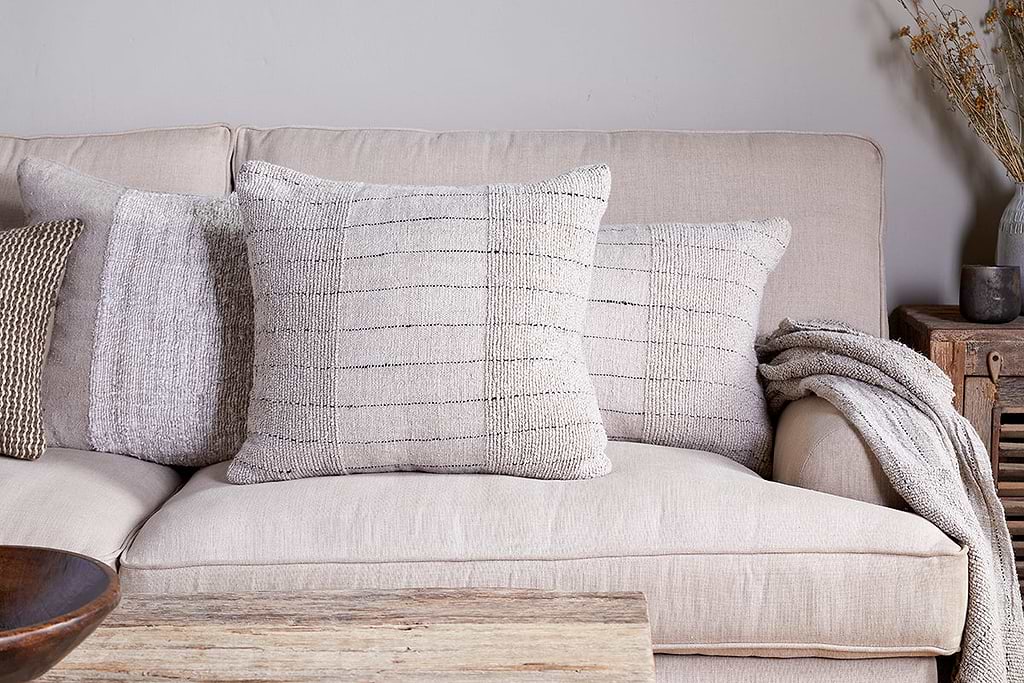
Mayla Cushion Cover
Soft hand-textured cover, instant warmth on linen sofas or chairs.
View at Nkuku →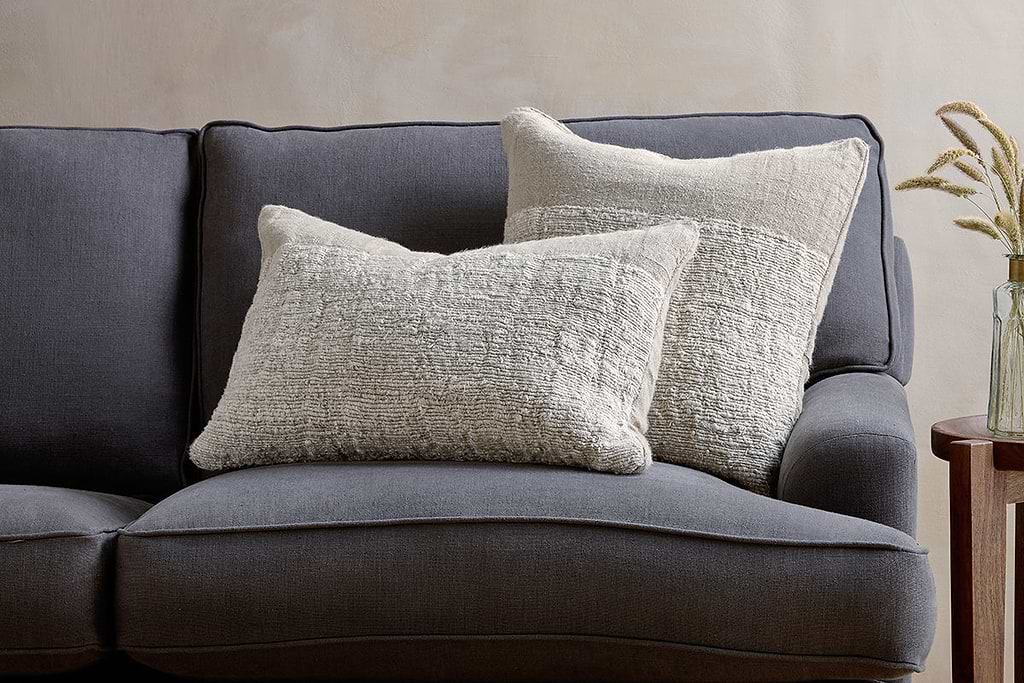
Puli Linen Cushion
Recycled linen in natural, pairs with woven textures and aged wood.
View at Nkuku →Some links above are affiliate links. If you buy through them we may earn a small commission at no extra cost to you. We only suggest pieces we think fit a calm, lived-in home.
Free guide
The Calm Shelf
12 styling ideas to help you compose calm, balanced shelves in natural texture homes.