

It’s easy for a bedroom to feel unfinished, plain walls, random artwork, and that sense that something is missing. Bedroom panelling seems like it should solve this, but the worry it could add clutter or a dated feel, especially in a small space or rental room, stops many people from tackling it at all.
The answer is to pick one panelling style and the right material for your living situation. Today you’ll see which types feel peaceful, how MDF and wood compare, and what to do before you paint or style the wall. This works especially well in a small bedroom when sunlight is limited because panels add gentle shadow and warmth without making the space look busy.
The short version: Bedroom panelling is a practical way to soften plain walls and add depth, especially in rooms that feel flat or unfinished. If you pick one calm style and prepare the wall with care, panels can work in both owned and rented spaces as an affordable, modern wall treatment.
Key takeaways
- MDF wall panelling for bedrooms is made from softwood fibres and finishes to a smooth base for paint.
- Shaker, fluted, and slat panelling are the main styles to suit calm or minimal bedrooms.
- A DIY wall panelling kit is a straightforward alternative to re-plastering, typically costing less and adding texture.
- Panel prep, especially on uneven walls, makes the biggest difference to a smooth, modern end result.
- Painted panels in neutral colours work best to keep the room calm and light, especially with natural or woven elements.

What does bedroom panelling actually solve?
Bedroom panelling solves the problem of flat, empty walls that can make a room feel cold or echoey. By adding gentle texture and shadow, panels give depth without extra clutter.
A plain painted wall can feel stark, especially in a small bedroom or one with little natural light. Panelling brings a subtle visual break so a wall doesn’t look blank, but it doesn’t make the space feel full or heavy like large framed art might.
In rental homes, where painting or major renovations aren’t always an option, panelling offers a way to bring character and a finished look. Acting as both a background and a feature, it can cover flaws that patching plaster leaves behind.
Compared to a full wallpapered accent wall, panelling introduces a tactile layer that catches light differently through the day. A single treated wall behind the bed is often enough to change how the room feels every time you walk in. This works in rooms with low ceilings, too, as vertical panels pull the eye up without busy patterns.
The result is a wall that feels softer, less uniform, and quieter, especially when painted in a muted neutral or with trim that matches existing doors or windows.
Which panelling style feels most calm?
The calmest panelling styles are shaker, slat, and fluted forms, since each adds detail but avoids ornate patterns or dark lines. These styles blend in quietly, especially in softer colours.
Shaker panelling is a classic grid formed by simple rectangles of trim, creating order without fuss. According to retailers, this style works well for bedrooms where the goal is neat but not overly strict lines.
Fluted and ribbed panels have narrow, vertical ridges that soften shadows and bounce light in a gentle way. The effect is calmer than a high-contrast bead and butt panel, which breaks up a wall into short, bold segments.
Slat wall panels run tall and close-set, building a sense of real wood warmth. Unlike geometric or deeply moulded panels, these avoid visual noise, so even a partial wall doesn’t grab attention more than the bed or window. A room with limited daylight benefits from these faint vertical textures, as the light changes but nothing looks stark or sharp.
Above all, a single style used cleanly is quieter than mixing grids and flutes, it’s steadier on the eye and reads more modern every day.
Where this works best
Bedroom panelling works best behind a bed, on a blank headboard wall, or where old finishes show damage. It suits spaces needing softer light and quiet texture.
Small bedrooms with few design features often feel empty or echo sound harshly. A panelled wall behind the bed anchors the layout, giving a sense of depth so the bedding feels more grounded. If the room gets harsh sunlight or late afternoon shadows, panels mute the glare and make the corner feel softer.
Shared bedrooms and guest rooms also benefit, panelling handles the wear and tear of rearranged furniture or suitcases better than thin painted drywall. Neutral panel colours keep the space flexible for changing decor.
Avoid busy panelling styles in low or narrow rooms, as heavy patterns can make them feel boxy. Slat panels, run floor to ceiling, are better than short, square panels that chop the wall into small boxes. A panelled wall should feel like a long backdrop, not a patchwork or checkerboard.
Panels work with all types of beds and bedding, especially when paired with a basket or soft woven element nearby, a single calm bedroom idea like this keeps the look grounded.
MDF vs solid wood: which material suits your room?
Most affordable bedroom panelling kits use MDF because it’s smooth, easy to cut, and takes paint well. Solid wood works best where durability and natural grain are priorities.
For simple, painted panels, MDF is the most practical choice. It’s made from 100% softwood fibres, pressed and glued, and arrives ready for light sanding and primer, according to panelling suppliers. Because MDF doesn’t move with temperature swings, it hides small wall bumps and gives fewer gaps along skirting lines.
Solid wood panels, like pine or oak, often cost more and are heavier, but bring a true wood grain and scent. These suit owner-occupied bedrooms where refinishing or staining is possible later on. Unlike MDF, wood panels need careful sealing if humidity is an issue, or they can swell and shrink over seasons.
Rental bedrooms often require painted panels for flexibility and easy repair. MDF can be primed and repainted to match a new scheme, while wood grain usually locks in a warmer tone. In contrast, a gloss finish on MDF reflects more light, so a matte paint gives a softer appearance and hides minor scratches better.
Here’s a plain comparison of the two main options for bedroom wall panelling:
| Feature | MDF Panels | Solid Wood Panels |
|---|---|---|
| Cost | Lower | Higher |
| Finish | Smooth, best for paint | Visible grain, stain or paint |
| Humidity resistance | Stable indoors | Requires sealing |
| DIY suitability | Very easy, cuts clean | Harder, needs tools |
| Repaint options | Easy, any colour | Depends on stain/sealer |
Panels in MDF suit most bedrooms, especially for renters who want a quick refresh or easy updates, while solid wood is a long-term option for custom builds or feature walls.

How do you prep a wall before fitting panels?
Preparing a bedroom wall for panelling means checking for bumps, filling holes, and priming to make sure the panels lie flat and paint looks smooth. Good prep means fewer visible lines later.
Old painted walls usually have nail holes or dents that show up worse once panel edges are glued on. Filling these with a basic filler and sanding smooth gives a better base than painting over gaps.
If wallpaper is present, remove or seal it. Panels don’t stick well to loose paper or unsealed paint. Always test a patch in an out-of-sight spot before starting a full wall.
MDF and wood boards bond best to primed, dry surfaces. Primer helps panel adhesive set and stops knots or stains bleeding through, especially with pale paint. A coat of matt primer, left to dry for a night, is enough step for most panel kits recommended by DIY suppliers.
A clean wall makes panel fitting easier, and if gaps are checked using a flat edge, the top trim won’t stand off at one end. Preparation is where a plain wall starts to feel intentional and slow-made, as opposed to a rushed overlay.
Once primed, sketch the panel pattern lightly in pencil to check spacing before gluing. A good rule: panels should line up with the centre of the bed or a main furniture piece for balance.
Adding panels to a freshly prepped surface means edges look crisp, and any paint over the joints will look unbroken for years of use. This step is what separates a hasty DIY from a finish that holds up daily.
Styling and placement
Styling a panelled bedroom wall is best kept minimal, one or two natural materials layered gently, with careful palette restraint. The wall itself becomes the feature, not the backdrop for more add-ons.
Once the panels are up and painted, there’s a pull to hang art or a mirror, but too much layers quickly make the wall feel crowded. Instead, a single soft basket, clay lamp, or a low headboard lets the panel design show.
Colour matters. Neutrals work best, echoing the tones in floor rugs or bedding. A muted stone or gentle cream keeps panels from dominating in daylight or at night, especially in calm bedrooms. If you want a sense of warmth, slatted or fluted panels in pale wood look softer than painted MDF, but keep clutter off their surface.
The nightstand area is a smart place to add a tactile object. Something as simple as the Nkomi Basket fits here, a woven accent to reinforce calm without shouting for attention.
Quick calm checklist:
- Choose one panelling style (shaker, slat, or fluted) for the whole wall, don’t mix patterns.
- Keep the surface free from busy artwork or extra ledges, let panel lines show.
- Repeat a neutral tone from the panel in bedding or rug, avoid high-contrast edges.
- Anchor a single woven, clay, or wood accent low on the wall or nightstand.
- Leave at least a hand-width “breathing room” between the panel edge and largest furniture piece.
A panelled wall reads best when the palette is restrained and the styling balanced, less makes the woodwork stand out.
Compared to gallery walls or scattered hangings, this method feels more peaceful and is easier to adjust season to season.
How much does a bedroom panelling kit cost?
A typical bedroom panelling kit costs less than a full wall re-plaster, often ranging from around seventy to a few hundred pounds, depending on wall size and style. DIY saves on professional fitting.
Decorative wall panel kits are marketed as an alternative to plastering, adding depth and colour with less mess or cost, according to DIY retailers. Most kits contain the strips, adhesive, and finishing trim, just add paint and tools.
MDF kits are the cheapest, with enough for a feature wall behind a bed usually sitting below the price of two large framed prints. Natural wood kits can double or triple the price, mostly due to material and shipping weight.
Professional installation adds cost, but many find DIY manageable over a weekend, especially if the wall is already clean and flat. The paint, in a soft neutral, is often the last spend, and tester pots cover trial areas before you commit.
Unlike custom plaster mouldings or full wood cladding, panelling kits work in most rooms and can be updated later. Owners and renters both benefit from a solution that is removable or easily patched before moving.
This affordability, plus the calm it adds, is why panelling has become a modern staple for quiet bedrooms.
What tends to hold up with bedroom panelling choices
Reviewing many bedrooms, the best feature of panelling is how quietly it sits in a room, especially when the palette is soft and the wall is free of extra clutter. Reviewers repeatedly mention how the shadow lines from fluted or shaker panels make a space warmer, even in low light. Most decorators warn against glossy panel finishes in bedrooms with direct sun, since they can catch glare and feel too hard. A matte or eggshell paint is still the expert pick for softness and durability.
One constant: panelling remains popular when kept simple and not over-accessorised. Durable once painted, it shrugs off minor knocks that would leave dents on plain drywall. This long-wearing calmness is what brings people back to panel kits season after season.
, Mara, Loom & Glow
Common questions
Is panelling outdated in 2026?
Bedroom panelling is not outdated in 2026 and remains a popular, credible wall treatment for calm interiors. The current trend favours simpler, softer profiles like shaker and fluted panels. These styles work for both modern and classic rooms, especially when painted in neutral tones and styled with restraint.
Which wall panelling is best for a bedroom?
The best wall panelling for a bedroom is usually a smooth shaker, slim slat, or fluted style painted in a calming colour. Each keeps the room feeling fresh and soft. Choose MDF for easy painting and a stable surface, or real wood if you want visible grain and long-term durability.
Should I put panelling in my bedroom?
Panelling can make a bedroom feel more finished, softening flat walls and adding depth. It works especially well where the room feels plain or needs texture but not busy patterns. Both owners and renters use panelling to highlight a bed wall or hide small wall flaws.
What are the latest bedroom panelling trends?
Latest bedroom panelling trends include tall vertical slats, slim fluted panels, and painted shaker grids. Neutral or clay colours are most common, often matched with minimal lighting and a single woven accessory on the nightstand. Styles are simpler than in past years, focusing on soft lines and subtle shadows.
Explore more calm combinations inside our Shop The Look .
Shop the Look
Soft linen and textured cushion covers settle naturally against panelled walls.
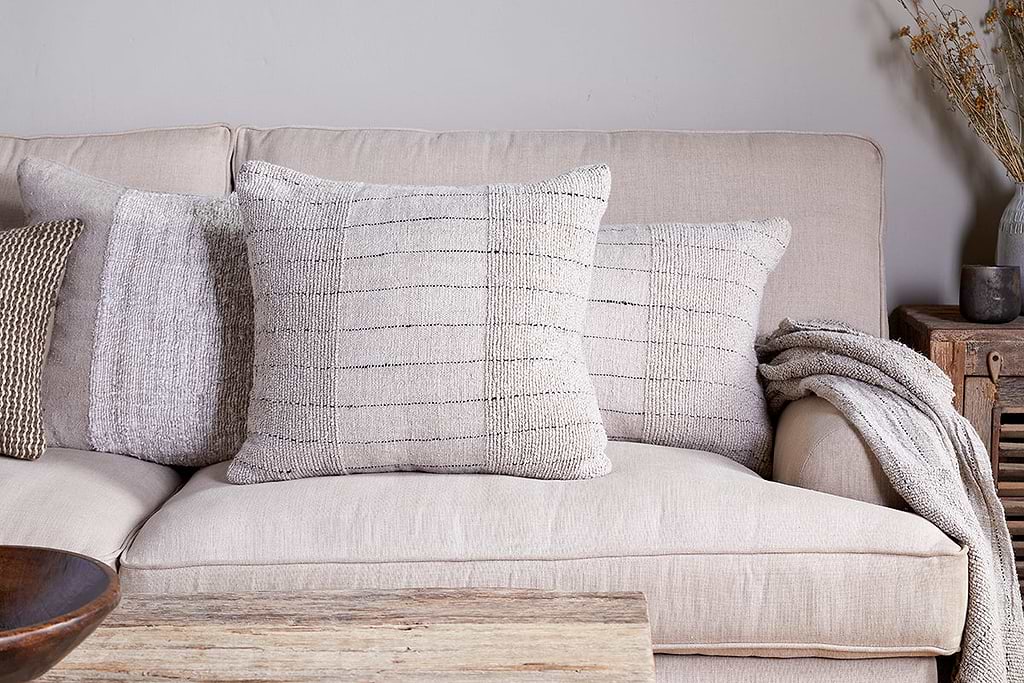
Mayla Cushion Cover
Soft hand-textured cover, instant warmth on linen sofas or chairs.
View at Nkuku →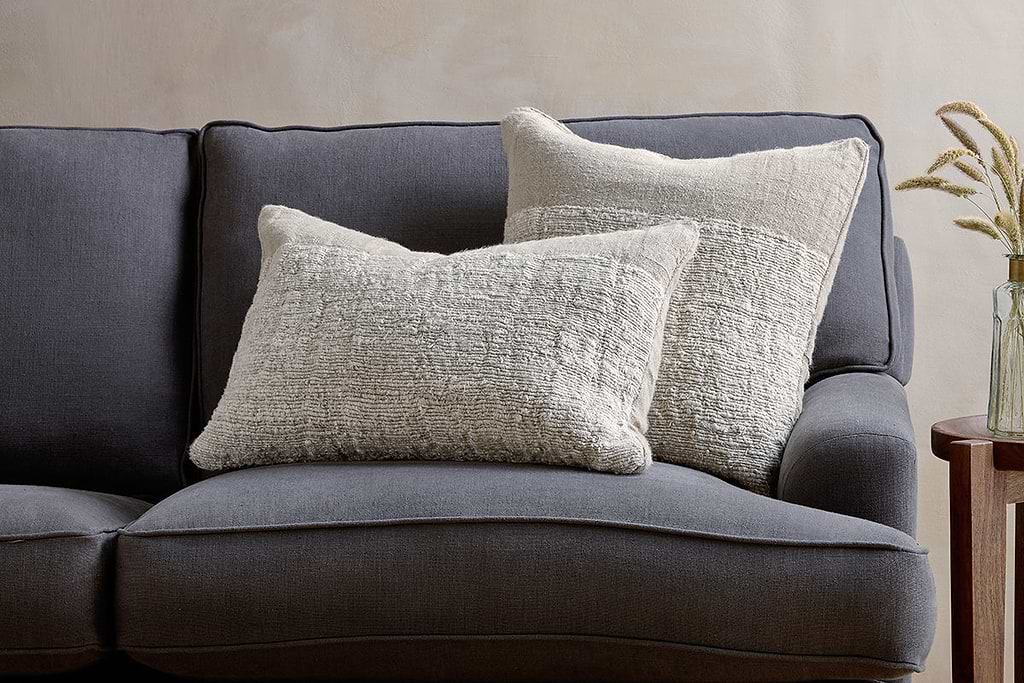
Puli Linen Cushion
Recycled linen in natural, pairs with woven textures and aged wood.
View at Nkuku →Some links above are affiliate links. If you buy through them we may earn a small commission at no extra cost to you. We only suggest pieces we think fit a calm, lived-in home.
Free guide
The Calm Shelf
12 styling ideas to help you compose calm, balanced shelves in natural texture homes.