

Many homes struggle with cluttered spaces and an overload of textures. One common challenge is creating a warm minimalist home that combines wood, jute, and other natural elements without feeling busy.
This works especially well in a small dining room when natural light is limited because it brings warmth and texture. Today, you will learn how to layer materials like jute, linen, rattan, and wood to achieve a calm, cohesive look.
The short version: A warm minimalist home comes from choosing one focal element and layering natural textures carefully. By pairing materials with similar tones and clear spaces, you create a room that feels welcoming and balanced.
- How do I mix jute with wood for a warm minimalist home?
- What makes organic home decor feel inviting?
- Where this works best
- How does woven home decor add texture without clutter?
- Styling and placement
- How to create neutral home decor ideas that soothe?
- What role does slow living decor play in a warm minimalist home?

How do I mix jute with wood for a warm minimalist home?
Mix jute and wood by placing textured jute accents against warm wood surfaces. This approach creates a natural balance that draws the eye calmly across the room.
In a living room with a wooden coffee table and a jute rug, the materials can work together to reduce visual clutter. A soft jute basket beside a rough-hewn table helps ground the area with a tactile feel. This setup is common in spaces where functionality meets a desire for organic warmth.
A well-chosen jute accessory softens the hard edges of a polished wood floor because combining textures creates a layered feel. A bare shelf reads colder than one with a single woven basket, which shows that contrast matters in keeping a room inviting.
The combination of wood and jute balances strong structural elements with grainy, natural details, which provides visual relief. In many cases, the simple switch to a jute rug makes the space feel more integrated and lived-in.
What makes organic home decor feel inviting?
Organic home decor feels inviting when natural textures and muted colors come together seamlessly. This uplift occurs as soft fabrics and earthy hues create a serene, uncluttered space.
In a modest bedroom, organic home decor, such as linen curtains and a clay vase, breathes life into the room. The natural fibers add depth and comfort, making the space both practical and aesthetically pleasing. The presence of these elements can gently transform an everyday room into a relaxed retreat.
A carefully placed linen cushion deepens the visual warmth because its soft texture contrasts with hard surfaces. An industrial metal light fixture feels less stark when balanced with a handwoven basket, showing how one element can infuse calm. Many designers argue that how color works plays a role in softening strong architectural features.
Using earth-toned objects in a quiet corner enhances the overall balance because natural shades tend to absorb rather than reflect harsh light. The feel of organic home decor is that every item has its place, reducing the risk of visual chaos.
Where this works best
The warm minimalist approach excels in areas that combine practicality with limited space. It brings calm to narrow hallways or compact kitchens where every piece must earn its spot.
In a narrow entryway or a small kitchen, using natural materials can clear visual space while adding texture. The simplicity of a jute runner or a subtle wooden shelf lends a calm atmosphere. When a room has limited storage, integrating these elements creates a sense of order.
A jute basket used as a side table accessory softens the severe look of raw wood because balanced texturing lowers visual noise. Avoid overfilling small spaces with multiple textures that compete for attention, as a single woven basket maintains focus and warmth.
This setup works in busy parts of the home where the mix of textures anchors the design and prevents overcrowding. The balance achieved here is why the method remains popular among those seeking practical calm.
How does woven home decor add texture without clutter?
Woven home decor introduces a tactile layer that creates interest without overwhelming the room. It adds subtle detail that breaks up the monotony of plain surfaces.
In a side table display, a woven basket can sit next to a vase and soften the look of a hard-edged table. The natural material of woven decor gives a room an added layer of texture that feels both rough and refined. The blend of a wood frame and a woven accessory enlivens the overall setup.
A woven throw placed on a simple sofa creates warmth because its texture provides a visual counterbalance to sleek surfaces. A bare countertop may feel sterile compared to one accented by a woven bowl. This difference matters, as mixing woven elements ensures every part of the room contributes gently to the mood.
The soft crisscross patterns of woven home decor help diffuse sharp lines because the interplay of fibers creates visual softness. Incorporating principles from feng shui can further enhance balance and flow in your decor.

Styling and placement
Careful styling and placement allow the natural textures to shine without crowding the space. Simple arrangements, with one clear focal point, maintain both function and beauty.
In an open living room, a single jute rug laid under a wooden coffee table anchors the setting and hints at simplicity. Arranging one or two standout pieces avoids the danger of a busy backdrop. Good styling depends on mindful spacing and deliberate positioning.
A well-thought display works because isolating key elements lets each texture be noticed. A well-planned arrangement reads warmer than a chaotic jumble. Avoid mixing too many pieces in one area that overwhelms the senses.
Quick calm checklist:
- Use a jute basket to corral small clutter.
- Keep a wooden console visually clear.
- Arrange a woven vase to highlight minimalism.
This checklist works because it limits distractions and directs the eye to natural details.
How to create neutral home decor ideas that soothe?
Neutral home decor that soothes relies on balancing soft textures with muted tones. Using layers of natural materials on a gentle color palette invites a clean and calming feel.
In a softly lit bedroom, a neutral palette with a linen bedspread and wooden bedside table sets a serene tone. Subdued colors bring the textures into focus without overwhelming the sense of space. A light and airy room benefits when each piece supports a calming influence.
A muted backdrop strengthens contrast because it allows the natural grain in wood and the slip of linen to stand out. A plain wall, when paired with a textured throw, reads lusher than one in bright, mismatched tones. The fabric linen is known for its subtle warmth and cool touch in organic home decor.
This method works because a limited palette reduces stress on the eye and invites careful observation of each piece’s texture. The result is an inviting environment where each item contributes to a unified look.
What role does slow living decor play in a warm minimalist home?
Slow living decor promotes intentional choices by emphasizing quality over quantity. It guides a warm minimalist home by encouraging fewer, more meaningful accents.
In a cozy reading nook with a wooden chair and a small shelf, slow living decor helps each object claim its space. The room feels less rushed when there is a focus on a couple of handcrafted items rather than a multitude of accents. This approach works by reducing visual distractions and allowing textures to speak for themselves.
A single artisan vase can add justification to a slow living setup because it draws attention without competing with other elements. A room filled with mass-produced items reads less warm than one with one distinctive piece. The integration of slow living decor works because every carefully selected object has time to contribute to the space.
Design principles suggest that using slow living decor supports a calm atmosphere because each piece is chosen with care and placed with intention. Applying these ideas can transform a space into one that feels both welcoming and thoughtful, as seen in a quiet nook that encourages relaxation through gentle accents. A room styled with slow living decor often benefits from improvements that lead to an overall balanced environment, as demonstrated by a calm bedroom environment that creates a feeling of ease.
A moment arises when you notice that despite having chosen natural materials, the room still feels busy and confusing. The layers of jute, wood, and woven textures may compete for attention rather than complement each other. This feeling can be a sign that the arrangement lacks a clear focal piece.
Often, homeowners overfill spaces with too many textures. This common mistake leads to a room that feels heavy and unfinished. The clutter distracts from the warm, inviting vibe.
Focus is restored when a clear, single focal element unites the room.
Save this idea for later.
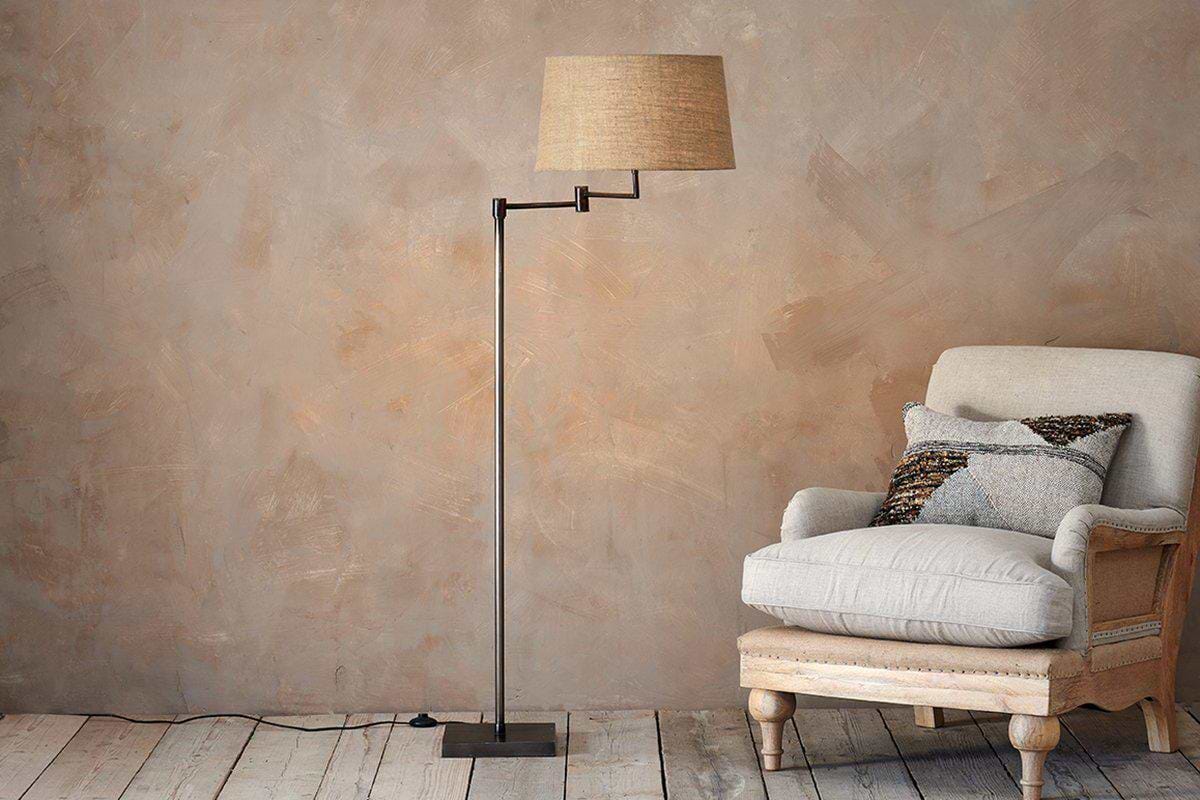
Kara Iron Floor Lamp – Bronze
adds quiet structure and warmth while keeping the room balanced.
What tends to hold up with working with natural textures
Many reviewers find that working with natural textures often leads to confusion about how many elements are too many. The oversight comes from attempting to mix several textures in one space without a clear plan, which sometimes results in a cluttered feeling even when using organic home decor pieces.
The careful balance of one standout element with supportive accents is a pattern frequently observed in well-designed rooms. Matched proportions and clear spacing are recommended, as remains a consistent theme in multiple design reviews. , Mara, Loom & Glow
Common questions
How do you mix jute and wood for a warm minimalist home?
Mix jute and wood by placing textured jute accents against warm wood surfaces. This approach creates a natural balance that draws the eye calmly across the room.
What makes organic home decor feel inviting?
Organic home decor feels inviting when natural textures and muted colors come together seamlessly. This uplift occurs as soft fabrics and earthy hues create a serene, uncluttered space.
How does woven home decor add texture without clutter?
Woven home decor introduces a tactile layer that creates interest without overwhelming the room. It adds subtle detail that breaks up the monotony of plain surfaces.
Explore more calm combinations inside our Shop The Look .
Shop the Look
Three essentials that prove minimalism can feel warm, lived-in and genuinely inviting.
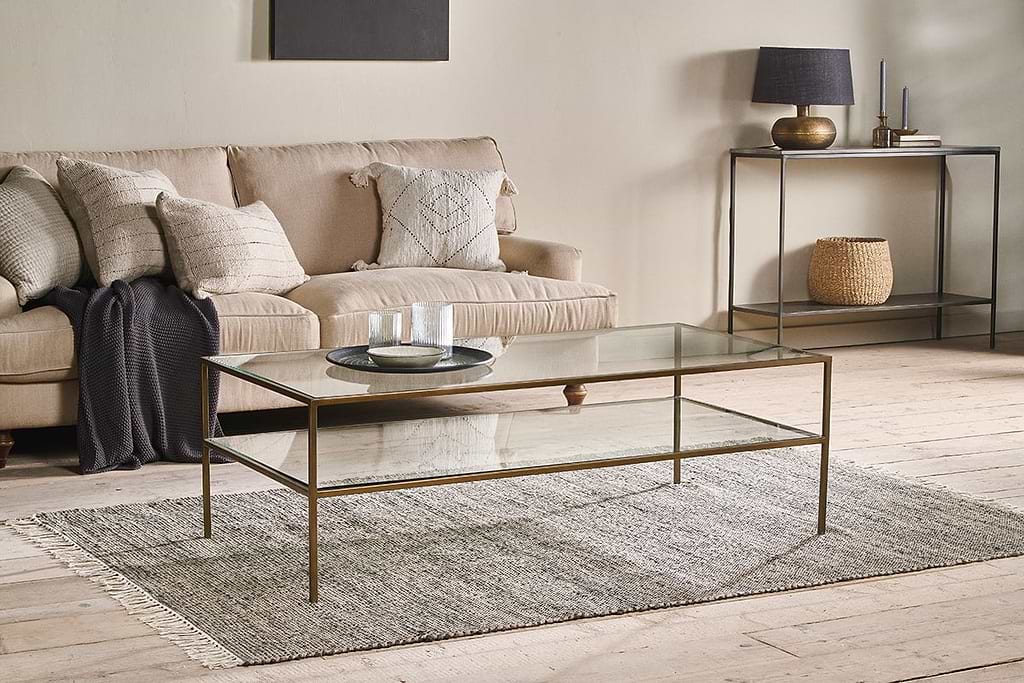
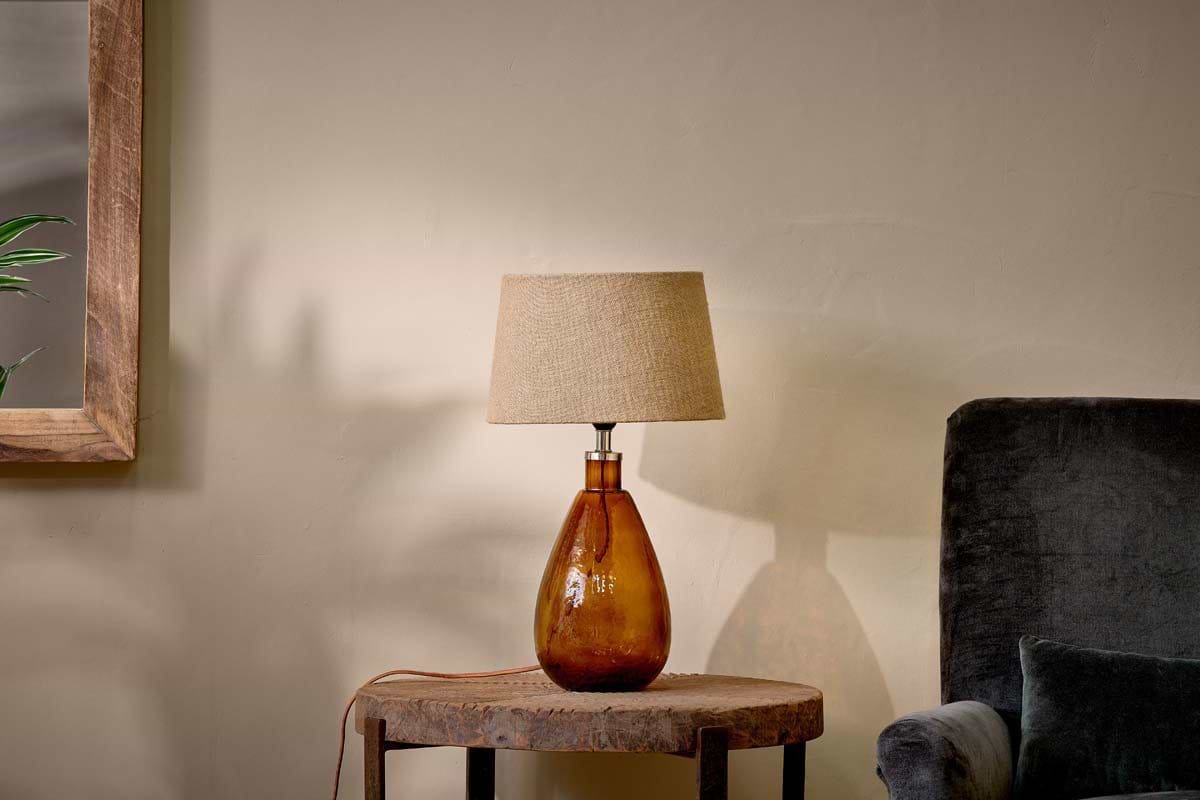
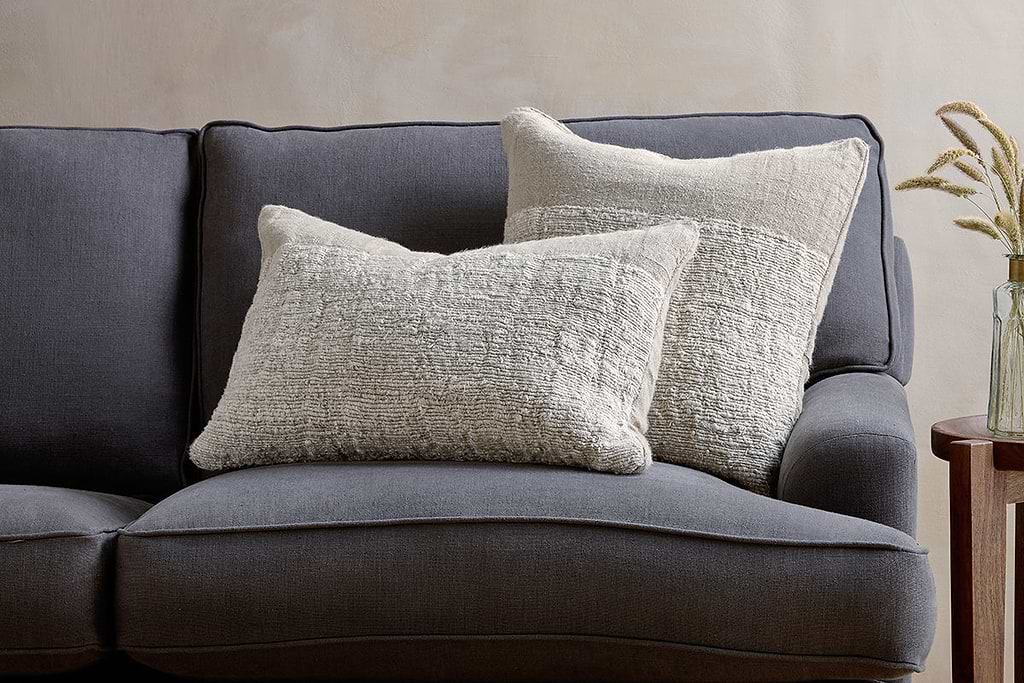
Puli Linen Cushion
Recycled linen in natural, pairs with woven textures and aged wood.
View at Nkuku →Some links above are affiliate links. If you buy through them we may earn a small commission at no extra cost to you. We only suggest pieces we think fit a calm, lived-in home.
Free guide
The Calm Leaf
12 quiet ways to bring dried botanicals, stems, and natural textures into calm spaces.