

A cramped bedroom often comes with clutter on the floor, awkward furniture placement, and limited storage that leaves little room to breathe. The walls feel close and the space seems to shrink with every added item.
This works especially well in/for a rental bedroom when the room feels tight because a deliberate layout helps free up room for movement. Today you will learn which small adjustments clear the clutter and bring a calm flow to your space.
The short version: The guide offers practical shifts in choosing layouts, arrangements, and décor details that make a small room feel spacious and united. A few clear design decisions can transform the feel of your room.

Small Bedroom Ideas and Smart Layouts
A clear directional flow and thoughtful positioning make a small room feel spacious. Aligning furniture along one wall opens up the center.
The bedroom has a narrow layout where a bed and nightstand crowd the center. A misplaced dresser can block the natural light, and the clutter on a small shelf distracts the eye. One clear arrangement makes the room appear larger because a single focal point guides movement. A busy corner reads colder than one with a single decorative lamp. This idea works when you create a clear line of sight along the main wall.
In many small bedrooms, the bed is the largest piece of furniture and its placement is critical. Rearranging the nightstands and positioning them close to the wall frees space in the center area. Placing a mirror across from the window helps bounce natural light, making the room feel open. This layout adjustment shows that focusing on a central flow benefits the overall room feel.
Rooms with limited floor space benefit from minimal yet impactful furniture arrangements. A bedside table or a slim console can replace bulky alternatives and improve circulation. Experimenting with different placements enhances the balance between storage and openness. Apply this by aligning key pieces along one wall for a guided layout.
Maximizing Vertical Spaces
Using vertical space smartly creates extra storage and makes the room appear taller. Hanging shelves and tall storage units lift the visual ceiling.
In a tall but narrow bedroom, wall-mounted shelves can hold books and decorative items while freeing precious floor space. High shelves or built-in cabinets let you store belongings out of sight without sacrificing accessibility. Installing wall hooks with a few baskets can add visual interest without overcrowding the small space. One clear installation boosts the room’s sense of height because the eye follows upward lines. A bare wall reads colder than one adorned with one carefully chosen decorative piece.
Everyday use of vertical living ideas means using floating shelves or narrow bookcases instead of heavy, floor-standing furniture. When storage units reach upward, the eye is drawn along a single vertical path, giving the impression of more room. Many face the problem of bulky wardrobes that take up space; instead, a slim cabinet mounted on the wall preserves the floor. Integrating vertical storage works well when you allow the eyes to move upward naturally.
Simple, accessible changes such as a small wall shelf can transform the layout. In a room with limited width, choosing tall and slim furniture can be a game changer. Calm entryways a soft welcome at the door can also inspire using the upper wall space to distribute visual weight evenly. Apply this by installing a floating shelf to clear the floor and draw the eyes upward.
Choosing the Right Colour Palette
A mindful colour choice can brighten the room and open up the space visually. Light walls and a touch of pastel create a calm, airy feel.
When walls and furnishings use soft hues, the room has a much more open vibe. In a small bedroom where heavy colour tones often crowd the space, selecting light shades can make everything feel fresh. A bright wall clear of clutter works because light colours bounce back the light and pull the eye away from constricted areas. A patterned accent usually feels busier than a solid painted surface. This adjustment works well when you opt for a neutral, soft spectrum that enhances natural light.
Selecting the right colours is a common challenge in limited spaces. Many homeowners regret choosing bold shades that make the room feel smaller and enclosed. Reassessing the palette with soft whites or subdued greys can transform the bedroom’s mood. When a neutral base is paired with one accent color, the look feels cohesive and inviting. A change in palette works because soft colours reflect ambient light, enlarging the visual space.
Consider painting one wall in a muted tone to add dimension without overwhelming the area. Complementing the light walls with subtle décor highlights creates a quiet, spacious feeling with a consistent tone. For instance, a gentle pastel or soft taupe can serve well as a wall colour. Apply this by choosing a light and harmonious paint that instantly opens up your small room decor.
Furniture Scale and Arrangement
Choosing furniture that fits the room well avoids overcrowding and enhances flow. Streamlined furniture naturally feels less heavy in confined spaces.
The scale of furniture in a small bedroom is crucial. A large dresser in a narrow room draws the eye and makes the space seem smaller. A compact bed with simple lines works better because it frees up room for movement and offers a neat visual cue around which everything else can align. A bulky armchair competes with other details, while a simple stool adds balance without extra weight. This method works because selecting appropriately sized furniture prevents the room from feeling weighed down.
Everyday missteps include choosing pieces that overwhelm the area. Arranging furniture against a single wall, rather than scattered throughout, creates more walking space and makes the room feel open. Personal experience tells me that a clear line of furniture not only looks intentional but also boosts comfort when getting ready or relaxing before sleep. The presence of well-scaled furniture subtly shifts the space in a much calmer direction.
Finding the right arrangement may take a few adjustments. Starting with the bed as an anchor piece, then building storage around it, offers a balanced approach. A simple nightstand or a slim console table becomes more effective when it complements rather than competes with the other items. Apply this by measuring the footprint of each designated piece, ensuring everything fits within the room’s natural flow.

Often, there comes a moment when it is hard to ignore that a room feels busy and the layout seems off. The visual weight of too many decorative items and a cluttered dresser makes your bedroom feel heavy, and the overall design loses focus. In that decision moment, you realize that the sequence of placements and overlapping accents is the source of the discomfort.
Many homeowners mistakenly add too many decorative items in a limited space, which leaves the room feeling busy and the focus lost. This common oversight makes the space feel fragmented and overdone. When this is fixed, the room feels noticeably simpler. Save this idea for later.
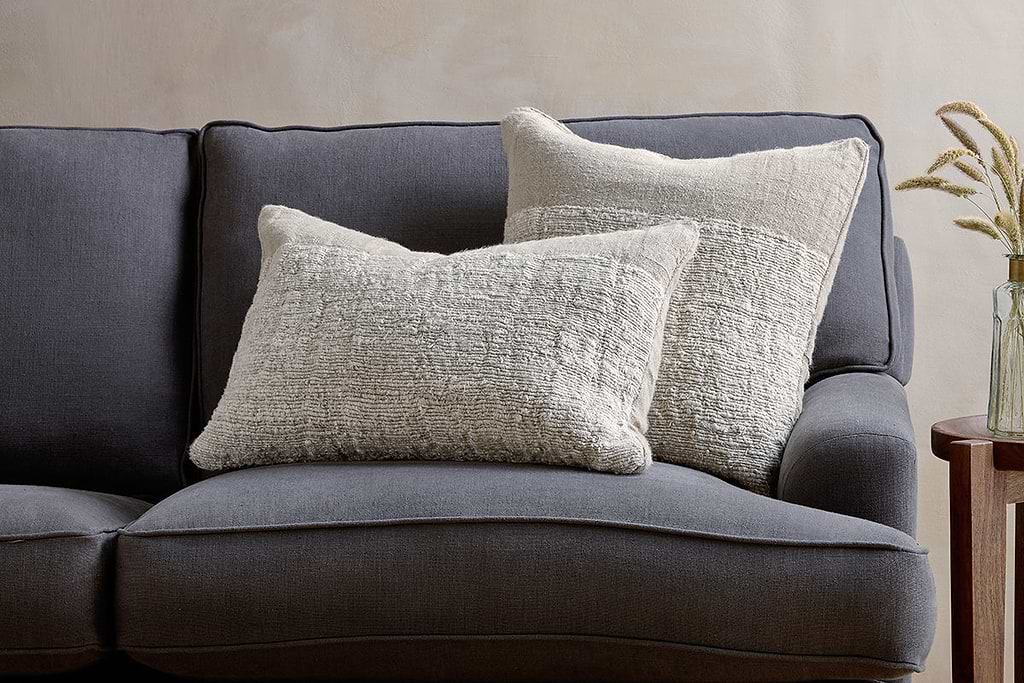
Puli Recycled Linen Cushion Cover – Natural
adds quiet structure and warmth while keeping the room balanced.
Where this works best
Design strategies shine in small, confined bedrooms by offering clarity in layout. A focused approach on one key area highlights the room’s strengths.
In a narrow bedroom or a cozy rental space, storage and layout constraints are everyday challenges. The modest room may have limited wall space and already existing furniture that cannot be rearranged extensively. A homeowner in an apartment with fixed windows might find efficient storage blocking the room’s openness. This strategy works best in a room where space is at a premium because careful arrangement minimizes visual clutter.
Everyday use involves positioning a few key items to define the area. For instance, placing a single piece of art above the bed directs the eye upward and creates a distinct boundary between the sleeping area and storage. Many discover that small accessories strategically placed can redefine the space, making it feel more intentional without extensive change. A clear cause and effect is seen when minimal décor choices allow natural light to become the room’s star. A bare shelf reads colder than one with a single, meaningful ornament. This works best when you let each piece serve one clear purpose.
Avoid overcrowding the room with too many items that compete for attention. Overstacking knick-knacks or piling textiles on every surface diminishes the calm ambiance and breaks the flow of space. Embracing minimal decoration keeps the focus on essential design choices that let the room breathe. Apply this by selecting one central element that defines the room’s personality and organizing around it.
Styling and placement
Thoughtful styling brings warmth and balance to limited spaces. Choosing the right pieces and placing them with care ties the room together.
A small room decor challenge is to make every item count without it being overwhelming. In a modest bedroom, careful selection of décor items is essential as each piece should contribute to a soothing overall look. Arranging items near the window or balancing a shelf can subtly shift the room’s tone. A clear alignment of decorative pieces works because each element reinforces the focused styling. A white lamp contrasts gently with a dark frame, giving the space a tidy appearance.
Placing accents with precision is key in styling a small space. An internal thought I often rely on is to utilize natural textures that add warmth without clutter. Integrating soft artwork near seating areas preserves a felt sense of calm. In one room, using a small vase on a side table improved balance dramatically; a simple change yields a notable impact on the room’s overall appeal. This happens because each well-placed item acts like a visual cue that ties everything together.
Soft lighting layers combine lamps can guide you in highlighting special corners or under furniture niches. Quick calm checklist:
- Use natural materials like cotton and linen
- Keep a neutral, soft palette
- Arrange pieces to guide the eye
The careful arrangement of each decorative piece prevents the room from feeling chaotic. Picking just one texture to highlight against a plain background creates a focal point. A mural of a handmade fabric may seem richer than a busy print in the same space. This works because each item placed with purpose reinforces the overall calm small room feel. Apply this by positioning your chosen accents so they naturally draw the eye to one soft corner.
Balancing Textures and Accessories
Layering textures brings depth and warmth to a small space without crowding it. A mix of fabrics, woods, and metal creates a gentle contrast that feels grounded.
A well-considered combination of textures gives a room a lived-in, comfortable look. In many small bedrooms, soft cotton bedding paired with a wooden bedside table adds warmth and character. Choosing a single textured area, like a woven basket, creates interest because the eye appreciates the variation in surfaces. A smooth lamp stand contrasts with a coarse knitted throw, offering a natural balance in tactile detail. This approach works because the contrast of materials scopes the room without overwhelming it.
In a small space, it is common to see over-accessorizing, which can undermine the calm atmosphere. When you mix accents sparingly, the textures speak for themselves. A thoughtful display, such as a ceramic bowl set on a slab of reclaimed wood, makes a subtle statement. Minimal entryway surfaces styling often inspires me to blend a rustic linen with a trimmed metallic piece. A shiny accessory can feel out of place compared to a softly textured fabric. This method works when you choose one piece to serve as a textural pivot in the room, creating a balance between hard and soft elements.
The key is to let each texture have its own space. When mixed in moderation, the variations in fabric and finish urge the eye to pause and take in each detail. In a space that is naturally limited, small accents provide a welcome softness that defies a cold, sterile look. Apply this by layering a couple of textured accessories that each add their own subtle touch.
What I’ve come to know about decorating a small bedroom
I have learned that working with a small bedroom requires clear decisions and simple yet effective layout choices. Over time, I have realized that the less clutter there is, the more room you have to breathe. I appreciate the power a single, well-placed accessory brings into a room that needs calm order. Each change can have a soothing effect that makes getting ready easier every day.
My experience has also taught me that every little tweak counts when space is at a premium. I have seen firsthand how a thoughtful rearrangement or a subtle pop of colour can completely change a room’s energy. It is about finding balance and trusting minimal adjustments to create a lived-in, beautiful space. I now value the importance of staying true to a simple, clear design that meets both function and style.
— Mara
Common questions
How should I arrange furniture in a small bedroom?
A clear directional flow and thoughtful positioning make a small room feel spacious. Aligning furniture along one wall opens up the center.
How can vertical space help in a small bedroom?
Using vertical space smartly creates extra storage and makes the room appear taller. In a tall but narrow bedroom, wall-mounted shelves can hold books and decorative items while freeing precious floor space.
What colours should I paint a small bedroom?
A mindful colour choice can brighten the room and open up the space visually. When walls and furnishings use soft hues, the room has a much more open vibe.
What size furniture works best in a small bedroom?
A compact bed with simple lines works better because it frees up room for movement and offers a neat visual cue around which everything else can align. Choosing appropriately sized furniture prevents the room from feeling weighed down.
Explore more calm combinations inside our Shop The Look .
Shop the Look
Three slim, purposeful pieces that work hard in tight bedrooms without taking up floor space.
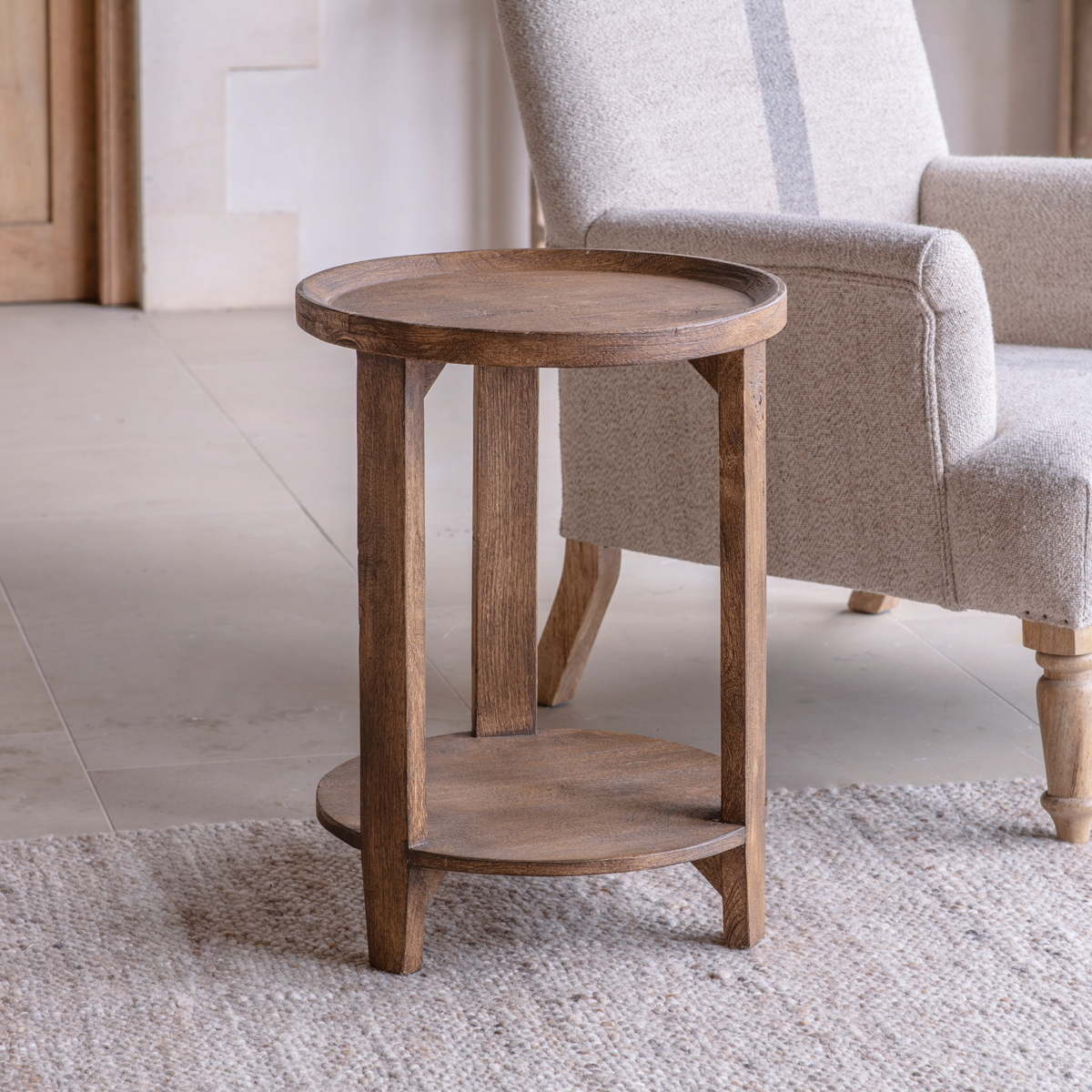
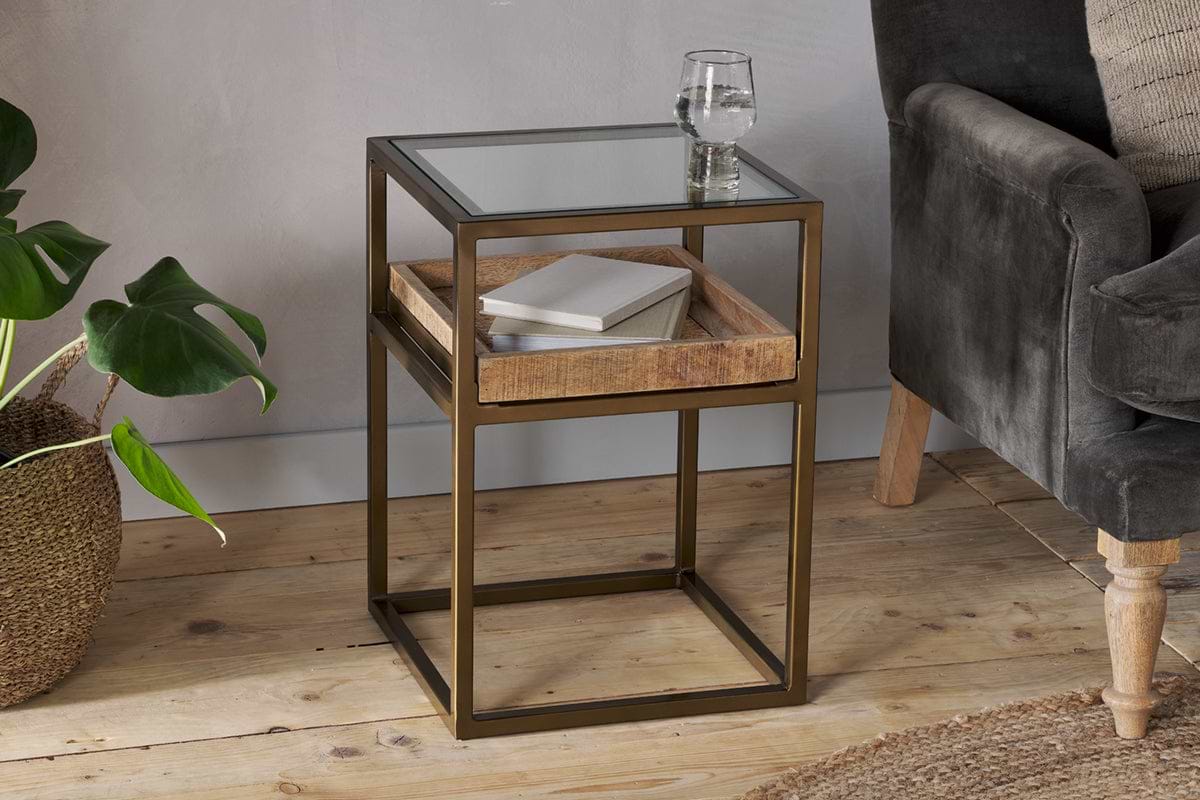
Luzon Side Table
Iron and mango wood with display shelf — small footprint, double function.
View at Nkuku →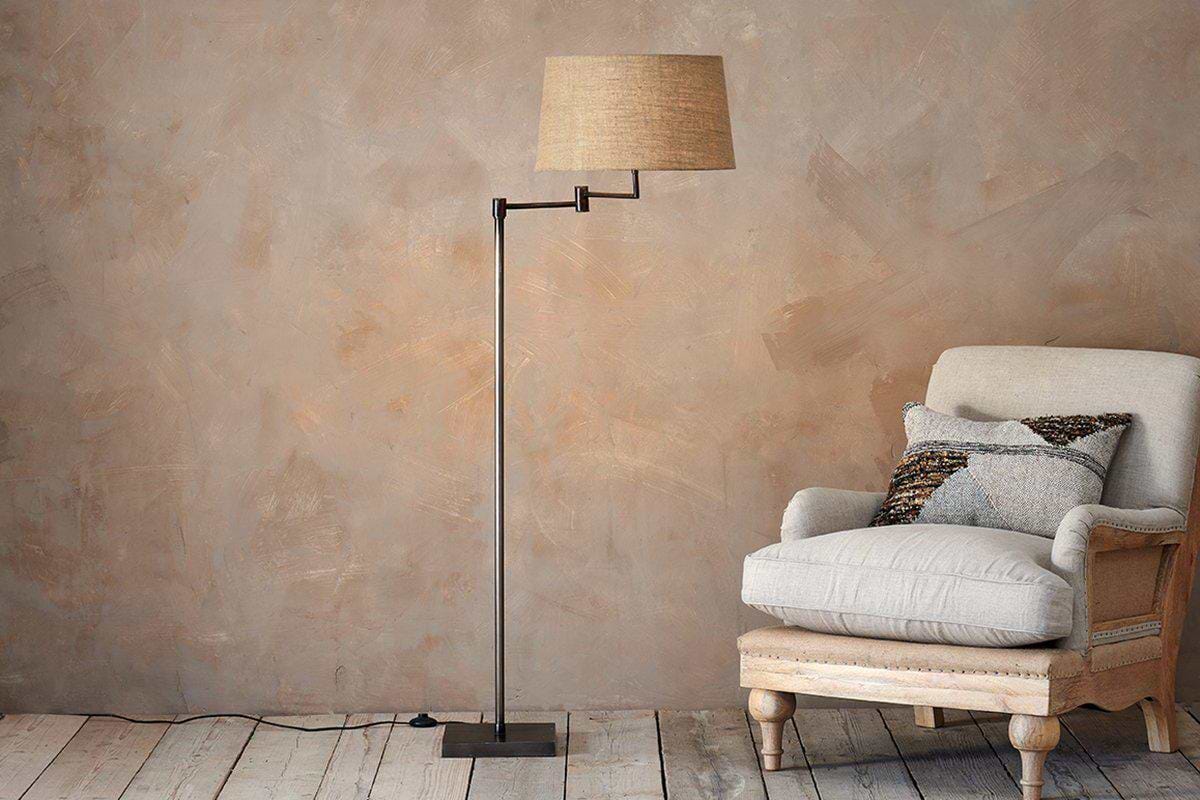
Some links above are affiliate links. If you buy through them we may earn a small commission at no extra cost to you. We only suggest pieces we think fit a calm, lived-in home.
Free guide
The Calm Shelf
12 styling ideas to help you compose calm, balanced shelves in natural texture homes.