

A green bedroom often struggles with the same hurdles: not enough natural light, an awkward layout, or feeling smaller once you add colour. When wall shade looks right on a Pinterest board but feels heavy and closed-in at home, it can make the whole space feel less restful, not more. This is common in small flats and rentals where room size or sunlight is limited.
This guide sorts the main green bedroom shades, sage, olive, and dark green, so you can find one that genuinely suits your light and layout. You’ll learn what to change or remove, which materials help, and how to keep things calm, not crowded. This works especially well in a small bedroom with one window when you choose a softer shade and keep other colours light, because it opens up space and feels easy to live with.
The short version: The best green bedroom uses a soft, light or natural green on walls and accessories so it feels calm, not crowded. Lighter sage or olive greens make small or low-light rooms feel fresher, while deeper greens suit bigger, brighter spaces with enough sunshine. Choosing the right green shifts a room from heavy to restful.
Key takeaways
- Sage green works best in bedrooms that need a soft, neutral base for calm and flexibility.
- Olive green pairs best with wood and natural textures for warmth without darkness.
- Pale or mint green makes a small or low-light room feel lighter and more open than stronger colours.
- A feature wall with dark green gives depth, but full walls in deep green work best in rooms with more light.
- Natural materials, like linen, jute, and light wood, keep green bedrooms airy and balanced.

Why do so many people want a green bedroom?
A green bedroom works as a calm retreat because most green shades are linked to rest and the natural world, making them easy to live with over time. Softer greens are especially good for lowering stress, according to design experts.
The main reason people turn to green for bedrooms is its reputation for calm. In a busy home, green walls or accessories help switch off distractions and signal the room is for downtime. Unlike plain cream or cold grey, a soft green gives gentle colour without pulling focus.
A peaceful bedroom needs to rest the eyes, especially after a long day spent on screens or in noisy spaces. Clean, pale or muted green tones are less likely to feel dated or bold, so they stay restful as your style shifts over years.
Unlike red or yellow, green doesn’t push the walls forward or bring extra energy, so the room stays easy. A bright shade can look harsh under artificial light, while green stays soft in almost any bulb or daylight. This makes it a reliable base in both new builds and older houses where light levels shift from season to season.
Choosing green for your sleep space works best in modern flats, classic terraces and even simple rentals, especially where the room needs to serve as a calm escape from the rest of the home. One green accent, like a single wall or linen throw, is often enough to shift the mood.
Choosing your shade: sage, olive, or dark green?
The right green depends on your room size and light, a sage green looks crisp in low light, while olive adds warmth, and dark green best suits larger, well-lit spaces.
Sage green is one of the most popular choices for bedrooms because it’s light and soft, resembling what you see in Scandinavian and minimal spaces. According to ilovewallpaper.com, sage green is commonly styled with neutral tones and gold for warmth. For bedrooms facing north, which get cooler light, sage refuses to read as cold grey, keeping the room gentle and fresh.
Olive green carries more natural warmth and feels grounded, matching wood floors, rattan, or brass handles. A small bedroom gains depth without closing in the walls. Olive looks inviting beside dark woods or wool throws, especially in spaces without much morning sun.
Dark green, from forest to bottle shades, brings drama and depth. According to ilovewallpaper.com, a dark green bedroom can be as simple as a single accent wall or as rich as a full “colour drench.” Unlike lighter shades, dark green needs plenty of daylight, a small window or shaded corner makes it look flat or muddy.
| Shade | Best for | Room size/light |
|---|---|---|
| Sage green | Fresh, airy base | Small/low-light |
| Olive green | Warmth, natural look | All, better in mid-light |
| Dark green | Depth, drama | Spacious/bright |
Trying to fit all green shades into one house flattens the impact. Instead, match the colour to your actual sunlight and skip anything that looks muddy in shadow. This helps the wall recede, rather than pull focus each time the sun shifts.
Use sage green in rooms with limited windows, olive in mid-light bedrooms for extra comfort, and dark green only when you have room to spare and enough daylight to show the depth. A green bedroom always starts with this choice.
Where this works best
A green bedroom works best in small spaces with little light when paired with pale shades, and in larger, well-lit rooms using deeper or olive green to add comfort.
Bedrooms with a single window or shaded corners benefit from light, fresh greens like sage or mint. In older houses where floors are dark or ceilings feel low, these shades keep things open. Instead of painting every wall the same strong green, keep to one wall or two at most, and use natural white for the rest. This gives balance that works even in rentals where you’re limited to smaller changes.
Bright, south-facing rooms with bigger windows are good candidates for bolder options like forest green, bottle green, or even heavy olive. These rooms can absorb stronger colour without looking heavy or closing in too soon. If there’s room for a larger bed, dark green panelling or a painted headboard grounds the look, especially alongside paler bedding.
Avoid dark green in box rooms or spaces with no direct daylight: the colour tends to read as dull and can make even clean bedding look duller by contrast. In those cases, softer greens work best. This can also make dust or mess less visible, which is useful for guest rooms or busy family bedrooms that can’t be refreshed daily.
If a green accent feels overwhelming, try it on a small wall or the inside of a wardrobe. These controlled spots let you test without committing to repainting the whole room if it feels wrong.
How do you keep green feeling light in a small room?
To keep green light in a small space, choose pale green or soft sage on walls and pair with white textiles and light wood furniture.
Small bedrooms quickly overwhelm with too much colour, especially if ceilings are close and windows are narrow. Picking a pale or mint green (instead of darker options) reflects light around the room, according to ilovewallpaper.com.
Avoid crowding shelves or hanging heavy curtains. Sheer linen or cotton lets the green show through and keeps air moving, so the walls feel less close and the space looks less cluttered. Most small bedrooms do better with only one or two standout objects, a single plant, a trim wooden stool, or an unframed print, instead of lots of accessories.
Compared to strong yellow or dark blue, a soft green is much less likely to break up a small space. Furniture with pale oak, blond pine, or white metal legs blends with the green and stops the room feeling full. If you have low ceilings, keep the paint line lower than the door frame to help the space feel taller.
One design rule: A green works best when the walls and the top bedding layer are in the same shade family, so nothing jumps out. Try a pale green quilt or cushion to repeat the wall colour, making the whole space feel planned and open.

Styling and placement
Green works best in a bedroom when used in targeted zones, walls, headboard, or accents, combined with natural textures and plenty of clear surface space.
Many bedrooms become crowded when every surface gets an accent or a new plant. Instead, limit green to two or three main places: the wall, one piece of furniture, or a big textile. For soft sage, a single-colour wall with a wood or rattan headboard works better than painting shelves or doors.
Bringing in natural materials helps, linen bedding wrinkles just enough to soften edges, and a woven tray or jute rug keeps a green bedroom from feeling cold. A brass bedside lamp or clay bowl adds a small highlight, warming up olive or sage backgrounds naturally.
Compared with sleek metal or glass, wood and basket textures make green walls easier to live with (and more forgiving of daily clutter). A room where only the bed area holds colour always reads calmer than one with too many bright contrasts.
natural bedroom decor comes together best when you repeat at least one tactile finish, wool, stone, or heavy linen, so nothing feels out of place or too shiny. This settles the mood in a green bedroom.
Quick calm checklist:
- Opt for linen or cotton textiles over synthetics, these soften green walls naturally.
- Keep shelves and tabletops two-thirds clear; use one or two focus pieces only.
- Stick to three core colours, green, pale wood, and cream or beige, to avoid visual clutter.
- Choose matte or chalk finishes for furniture or accessories to cut glare and keep things soft.
- Repeat one natural texture (like jute, rattan, or stone) in two places for flow.
Placing green where you see it first, like behind the bed or across from the door, keeps the effect simple. Try an easy-care jute rug underfoot or a small plant on the nightstand for day-to-day life that doesn’t feel fussy or overdone.
What colours and materials go with green walls?
The best partners for green bedroom walls are whites, creams, pale woods, and brass, which make green feel gentler and less stiff.
Green works well as a backdrop for almost any natural material. Pairing sage green with light oak or beech gives a crisp, subtle look, while olive green reads warmer next to walnut or darker rattan. According to ilovewallpaper.com, olive green tones work especially well with woody materials for a grounded feel.
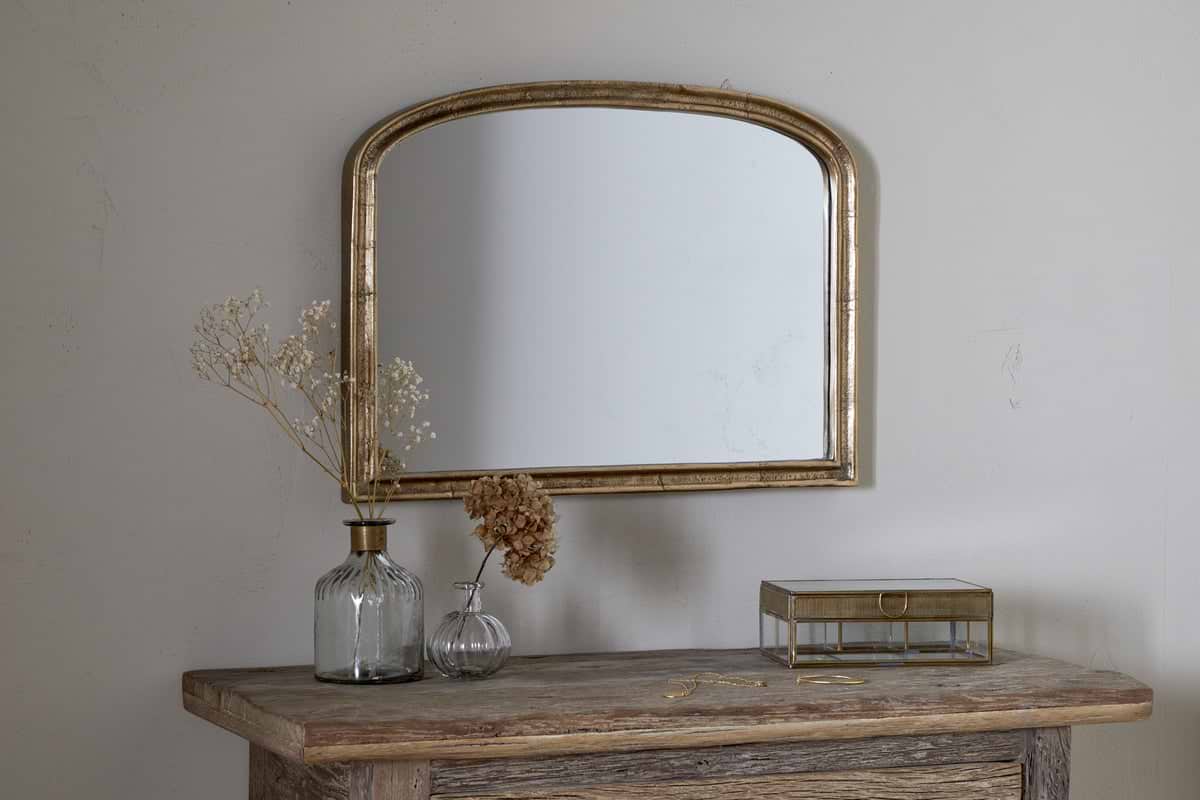
For bedding and curtains, stick to whites, creams, or clay, these open up green without pulling your eye away from the main wall. Gold or brass handles and mirror frames can highlight sage or olive, making the whole room feel brighter and a bit warmer (especially helpful in rooms that feel chilly).
Compared to black or deep navy, which look strong and heavy near green, lighter woods and off-white textiles keep the room peaceful. A bare green wall always looks colder than one broken up with a wood-framed mirror or a simple cream throw.
If you want a bit of pattern, try a botanical print, just one, not several, and repeat only light or muted colours for a gentle effect. A green bedroom with the right wood and soft neutrals stays calm without feeling empty.
How can you avoid a green bedroom feeling flat or busy?
To avoid a green bedroom looking busy or flat, use green on one main area, layer different textures, and keep other elements simple and light.
The main problem comes when too many things compete for attention, painted cabinets, bright bedding, bold prints, and many plants all at once. Unlike a single, clear focus (like a painted headboard), scattered colour overwhelms and loses the calming effect people want from a green bedroom.
Textures are a quiet way to build interest, linen, velvet, and chunky knits break up a flat wall better than adding more colours. If you need storage, natural baskets on shelves soften sharp lines, and simple clay or matte pottery jars break up long surfaces. A matte paint finish suits green best, because glossy paint reflects too much overhead light and makes it harder to rest.
Compared with a strong accent wall plus many accessories, a green bedroom with only one feature, like a full wall or a single, soft bedspread, feels more restful. Avoid matching every decor piece to the wall; instead, repeat just one or two green tones with lots of pale, open surfaces.
Following the rule that no more than three things in the room should be green keeps the space from feeling too themed or cluttered.
The moment you walk into your bedroom and notice the wall colour feels heavier or busier than you hoped, it’s usually because too many shades or strong contrasts pull the eye around. This often happens when paint, bedding, and accessories all land in different colour families or add repeats of the same green, making the room feel smaller.
If you choose one focal point for your green, like the wall behind the bed or a big quilt, the whole room settles and the green bedroom feels calm, not crowded. Real calm depends less on doing more, and more on repeating one good idea with space around it.
Save this idea for later.
What tends to hold up with green bedroom styling
Across styles and trends, soft sage and olive green show up again and again because they are forgiving, not just to the eye, but to daily life. Decorators keep recommending matte finishes for green walls and wood furniture in bedrooms, because they mute glare and blend easily with old or new pieces over time. Reviewers often say that lighter green shades, in particular, hide dust and wear better than pure white or deep colours, making them practical for bedrooms that see daily use.
Natural textures matter more than extra decorative layers. Linen, wool and unpolished wood always help green walls look lived-in rather than staged. In most cases, a green bedroom stays restful by favouring fewer, better textures and sticking to two or three repeated colours, not by adding more styling every season.
, Mara, Loom & Glow
Common questions
Is green a good colour for a bedroom?
Green is considered an excellent colour for bedrooms because it lowers visual stress and has links to nature and calm. Soft greens in particular help a bedroom feel restful throughout the year, and work with most neutral bedding or furniture. Green is easy to live with for both adults and children.
What colour goes with a green bedroom?
The best colours to pair with a green bedroom are cream, white, natural wood, beige, and subtle gold or brass accents. These colours keep the green feeling fresh and avoid the space becoming dark or cluttered. Avoid pairing green with bold reds or heavy blacks in sleep spaces.
What does a green bedroom symbolise?
A green bedroom typically symbolises calm, growth, stability, and balance, drawing from how green is seen in nature. Choosing green for a bedroom can signal a desire for rest and personal retreat inside the home. This colour is often used to soften bedrooms and encourage better sleep.
Is dark green too much for a bedroom?
Dark green can work in a bedroom if the room is spacious and gets good light, but it may feel heavy in smaller or shaded bedrooms. Light or mid-green shades are better for low-light spaces. In larger bedrooms, dark green often adds depth and comfort without overwhelming.
Explore more calm combinations inside our Shop The Look .
Shop the Look
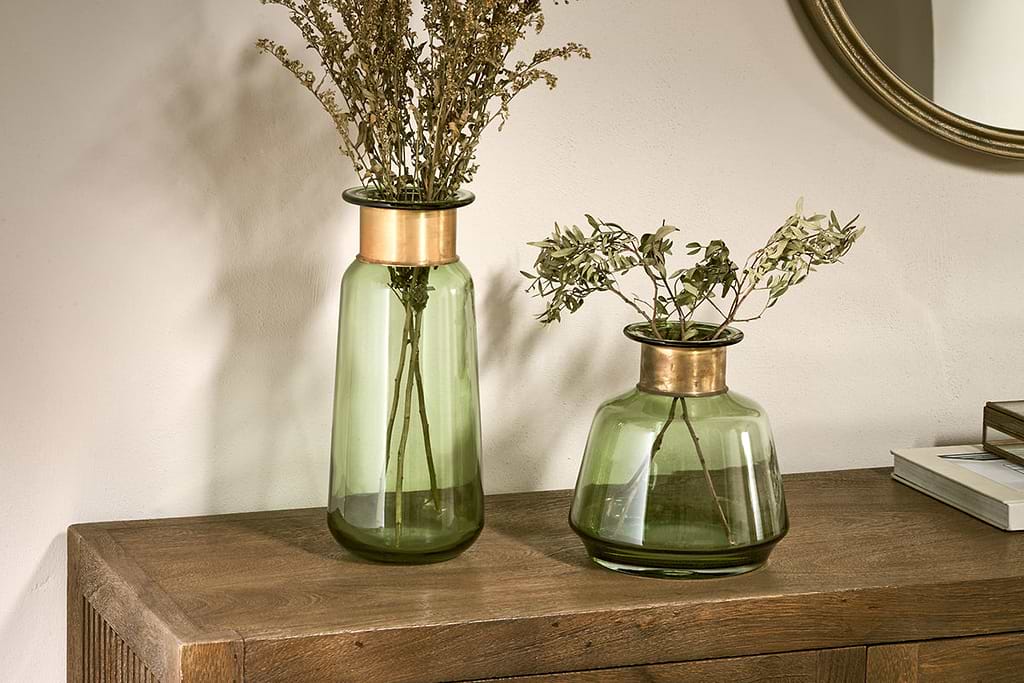
Soft green glass and antique brass work quietly alongside sage and olive walls.
Some links above are affiliate links. If you buy through them we may earn a small commission at no extra cost to you. We only suggest pieces we think fit a calm, lived-in home.
Free guide
The Calm Shelf
12 styling ideas to help you compose calm, balanced shelves in natural texture homes.