
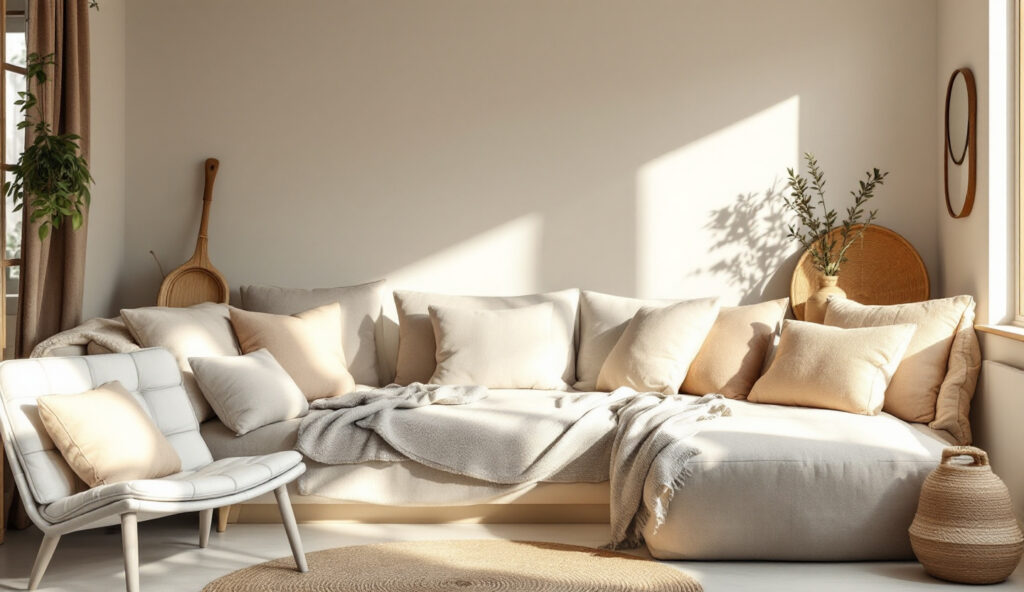
Many people searching for dark wooden floor living room ideas find their rooms look heavy and the space feels smaller. Even a row of daylight windows cannot always balance it out. The floor swallows up brighter things, leaving less air and less calm.
The good news is a few small changes clear the way for light and comfort. You will pick which materials stand out, what colours help, and what to take away. This works especially well in a living room with limited natural light when there’s little freedom to change the floor because it uses what you already have, with a few key shifts.
The short version: The best dark wooden floor living room ideas use rugs, light walls, and textured natural accents to soften visual weight and restore balance. Even a small layout can feel open by lifting colour up, repeating one or two textures, and choosing furniture that stands out against the floor.
Key takeaways
- Light wall colours reflect more daylight and make a room with dark wood floors feel larger and cleaner.
- A light-coloured rug breaks up a dark floor’s surface and draws the eye upward, softening the whole room.
- Mirrors near windows double the natural light, particularly in rooms with darker flooring and low sunlight.
- Natural textures like jute or linen keep a living space from feeling flat, even with dark hardwood underfoot.
- Choosing accent colours with warmth grounds a room without making it look busy or heavy.
- Why does a dark floor make a room look smaller?
- Where this works best
- How do you choose the right wall colour with dark wood floors?
- What kind of rug breaks up a dark wooden floor?
- Styling and placement
- How can lighting change the mood of a dark floor living room?
- Which natural textures keep things light?

Why does a dark floor make a room look smaller?
A dark wood floor absorbs light and draws the eye downwards, which can make a living room feel more cramped than it really is. Balancing this effect means lifting visual weight up, spreading light out, and choosing a few materials that stand out.
When you walk into a room with dark wooden floors, the space can feel lower and more enclosed, especially if you have low ceilings or only one or two windows. Sofas and tables vanish against the depth of the floor. Rugs, cushions, and wall art help, but only if they are chosen with care.
Dark floors reflect less light than pale ones, trapping shadows near the ground. According to Urbane Living, dark wood floors can make a room feel smaller, but this can be offset with lighter wall colours and a careful choice of accents. Unlike pale flooring, a very dark base needs conscious contrast on top to keep the look balanced.
Using too many dark tones at once makes the whole room sink, while a single light element, like a rug or a set of pale curtains, visibly opens the space up. The shift is immediate once you move colour and texture upward.
Where this works best
Balancing a dark wood floor works best in living rooms with medium to low natural light or open plans where furniture lines do not break up the floor’s surface. Small apartments and rental spaces benefit most because simple changes make a big difference.
Dark wood floors suit rooms that get morning or late afternoon sun instead of strong midday light. In a rented flat, these floors often come with the space; you cannot change them, but you can shape what sits on top. Open-plan living areas and shared family rooms also give the floor too much influence unless you interrupt the wide, dark areas with something softer.
Light rugs and scatter cushions pull the view upward and keep furniture from fading into the floor. The effect is clearest in narrow rooms, where every surface counts. Using texture and colour to give the eye places to land helps in rooms with low window sills or deep, shaded corners.
Avoid matching every surface to the floor colour, as this makes the room feel heavy and flat. For example, pairing a dark leather sofa and a dark floor is harder on the eye than setting a pale woven armchair on that same ground.
How do you choose the right wall colour with dark wood floors?
Light neutrals on the wall reflect more daylight and visually expand a space with a dark wood floor, according to Panaget’s professional advice. Soft off-whites and warm beige tones work best for most lived-in rooms.
Pale walls do not just make a room feel bigger, they spread natural and artificial light further. A cool white looks sharp but can feel cold against a strong dark floor. Warm greys, creams, or gentle taupe settle the contrast and keep the mood soft. For a touch of colour, subtle green or soft clay shades are easy on the eyes and keep things current.
Choosing your wall colours depends on the floor’s undertone and the style you want, industrial, traditional, or modern. According to Panaget, lighter hues are safest for most rooms with dark wood floors, with deeper colours working only where natural light is strong and ceilings are tall.
A dark floor with deep blue walls is bold, but the space shrinks visually. Unlike a strong colour, a pale wall colour always gives more freedom to add accents and move things around. Use matte finishes to avoid glare from lamps and window light, a common designer trick for a soft, welcoming surface.
What kind of rug breaks up a dark wooden floor?
A light-colored rug with natural texture, like jute or a creamy wool, breaks up the expanse of dark wood and draws the eye upward, even in small living rooms. According to JG Flooring, this is the most effective visual reset for dark floors.
The impact is clear: dark floors without a rug stretch the room out but add visual weight, almost as if everything’s anchored to the ground. Adding a pale jute or flat-weave wool rug creates an island of brightness, separating the floor from the furniture. Most light rugs hold up well to traffic and hide daily dust better than you might expect. A common price for a good jute rug is about $60, $150, according to recent market listings.
Unlike a small, patterned mat, a larger plain rug, one that reaches at least under the front legs of the sofa, anchors the seating area and softens sharp contrasts. Patterns work, but they should be simple: a thin stripe or a subtle diamond, never a busy print that makes everything feel restless.
Step onto a light rug at the end of the day and the room feels cleaner and brighter. For households with pets or kids, look for natural fibres with some texture, a slightly nubby jute hides daily marks better than a flat white cotton.

Styling and placement
Careful placement of a sofa, textured pouf, or light accent chair ensures each piece stands out against a dark wooden floor, making the whole living room read lighter and calmer.
In a low-light room, place lighter furniture, like a sand-coloured sofa, away from the wall, at least a hand’s span off the floor’s darkest part. Dark feet and legs fade into the base, while pale-toned frames look softer. Instead of lining every item up, break the block by overlapping a light rug with the edge of a neutral chair or basket.
Layering is about focus and space. A single woven basket beside the sofa stands out more than a clutter of small, dark bins. If there is a fireplace, anchor one substantial item, a tall plant in an unglazed clay pot, nearby to disrupt the floor’s sweep and add an upright element.
Quick calm checklist:
- Choose pale upholstery, light wood, or woven textures for main furniture.
- Keep at least two-thirds of the floor visible, but interrupt large dark areas with a light rug or pouf.
- Limit your palette to three colours: one very light, one soft accent, and the dark of the floor.
- Group objects in odd numbers (3-5) to avoid too much symmetry, which looks stiff.
- Let each surface, coffee table, shelf, rug, feature one focal item, not many small ones.
A table of placement outcomes makes decisions easier:
| Placement | Effect on room | Common mistake |
|---|---|---|
| Sofa on light rug, away from wall | Room feels deeper, lighter | Sofa flush against wall looks cramped |
| Large light rug, edges exposed | Breaks up floor, softens shadows | Small rug floats, adds clutter |
| Textured pouf or basket near sofa | Adds texture without heaviness | Too many items cluster and feel messy |
A sofa that stands out against the floor is easier to keep tidy, and one statement piece per area prevents the room from looking spread-out and unfinished.
How can lighting change the mood of a dark floor living room?
Layering warm, indirect light at different heights softens shadows and draws attention upward, making a dark wood floor look less dominating and a living space feel open.
A room with only overhead light creates harsh shadows on a dark floor. Instead, spread light by combining two or three sources: a standing lamp with a fabric shade, a small table lamp, and wall-washed lighting behind a piece of art. Lower lumen bulbs cast a gentle glow, which is less tiring for the eyes after sunset.
Mirrors matter more than you think. A medium mirror placed opposite a window doubles the natural light and lets the floor catch a gentle reflection instead of a hard shadow. In a layout with two seating areas, mirrors and lamps should face one another, not the TV or the door.
Unlike spotlights, a diffused lamp softens the sharp lines where dark flooring meets pale walls. With careful placement, lighting doesn’t just lighten surfaces, it changes how the entire room feels after dusk. Try a lamp with a stone or wood base to keep things grounded.
Which natural textures keep things light?
Pale or textured natural materials, like linen, jute, or unfinished wood, add variation to a dark floor living room without weighing it down or looking busy.
Adding light, rough textures cuts through the flatness a dark hardwood can bring. Linen curtains filter a window’s sunlight, keeping a room from feeling too sharp. Jute baskets beside a sofa add both utility and soft colour, these work especially well for hiding throws or toys. According to JG Flooring, layering natural fibres helps prevent the whole room from feeling too cold or stark against a deep wooden floor.
Small details matter. An unfinished oak coffee table, a stack of hand-thrown pottery, or a large driftwood tray change how a room feels to the touch. Unlike polished metal or glass, natural fibre and raw wood won’t reflect extra shadows back onto the floor. Instead, these materials break up the look and add comfort.
Even a single soft linen throw draped over a chair is enough to make a seating area look lighter and more relaxed. Use light, grainy or nubby textures rather than anything slick or high-gloss for best results.
It’s often just after moving in or changing furniture that the imbalance reveals itself, the room is clean and the layout seems open, but the space stays visually heavy. Colours look swallowed, daylight feels dull, and no one piece draws your attention.
The practical shift starts by choosing one or two standout surfaces, a rug, a piece of pale furniture, a textured basket, then removing anything that closely matches the floor’s depth. By letting most objects contrast with the floor’s darkness, you get a room that feels bigger, lighter, and easier to use day to day.
A common mistake is to crowd the room with dark furniture or many small, decorative items that blend into the floor, making the space feel busier and smaller. Most homes end up looking unfinished or restless this way, especially after natural light fades. When too many surfaces echo the floor, movement and calm are lost.
Once a lighter rug or texture is placed thoughtfully, the room opens up and feels easier on the eye.
Save this idea for later.
What tends to hold up with balancing dark wood floors and light textures
After reviewing dozens of living rooms in real homes and designer portfolios, the simplest pattern is that what you choose to highlight makes all the difference. Reviewers and decorators almost always recommend pale walls and a well-placed light rug for rooms with dark wood floors, these shift the whole balance with little effort. Matte, textured surfaces, linen, jute, raw oak, come up again and again as the most effective way to keep a room feeling open and inviting, without adding clutter or losing function. Keeping the floor visible but broken up with lighter touches tends to work in almost every setting.
, Mara, Loom & Glow
Common questions
What colour walls work best with dark wood floors?
The best wall colours for dark wood floors are soft neutrals like warm white, cream, or light grey. These shades reflect more natural and artificial light and keep the room from feeling heavy. Gentle clay or muted green can also work if you want a subtle touch of colour.
What colour sofa should I choose for a wooden floor?
A pale or mid-tone sofa, think beige, soft grey, or muted blue, makes furniture stand out from a dark wood floor. Light sofas lighten the space visually and are easier to style with throws and cushions in accent colours. Dark sofas tend to blend in and weigh down the room.
Should furniture be lighter or darker than a dark floor?
Furniture that is lighter than a dark floor creates strong, pleasant contrast and stops the room from looking flat. Choose pieces in pale wood, woven finishes, or light upholstery for best effect. If you prefer warmth, combine soft caramel or oatmeal textiles with small touches of black or dark brown.
Are dark wood floors still a good choice for modern decor?
Dark wood floors work well in modern decor, especially when paired with light walls, simple accents, and clear, unfussy layouts. They hold up in both industrial and contemporary styles, as long as texture and pale accents keep the room from feeling closed in.
Explore more calm combinations inside our Shop The Look .
Shop the Look
A few pieces that balance the depth of dark floors with lighter textures and lamplight.
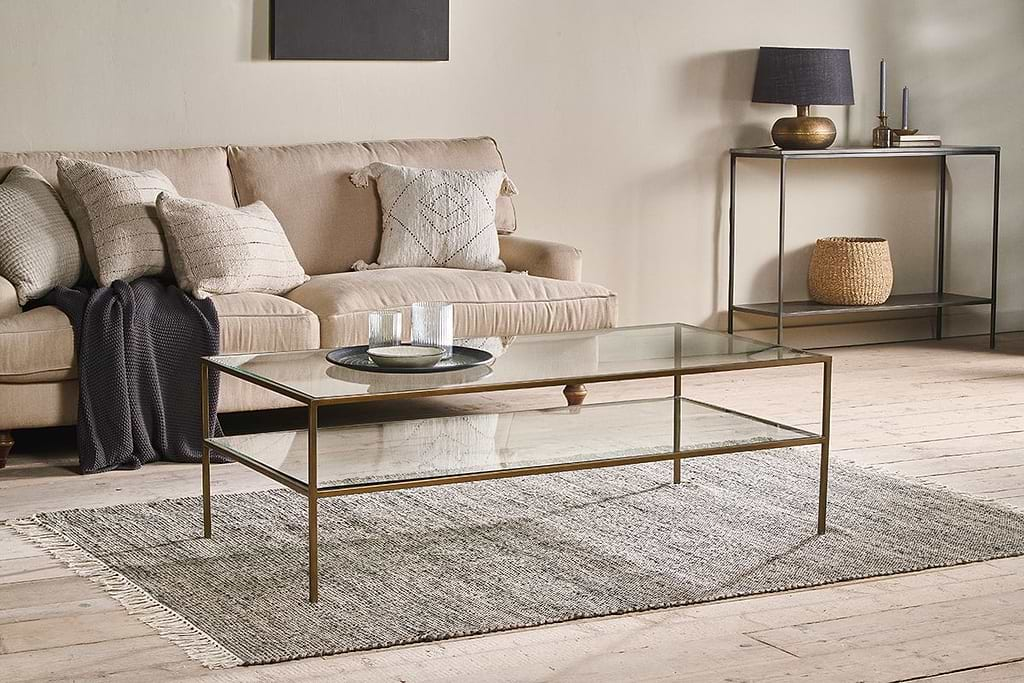
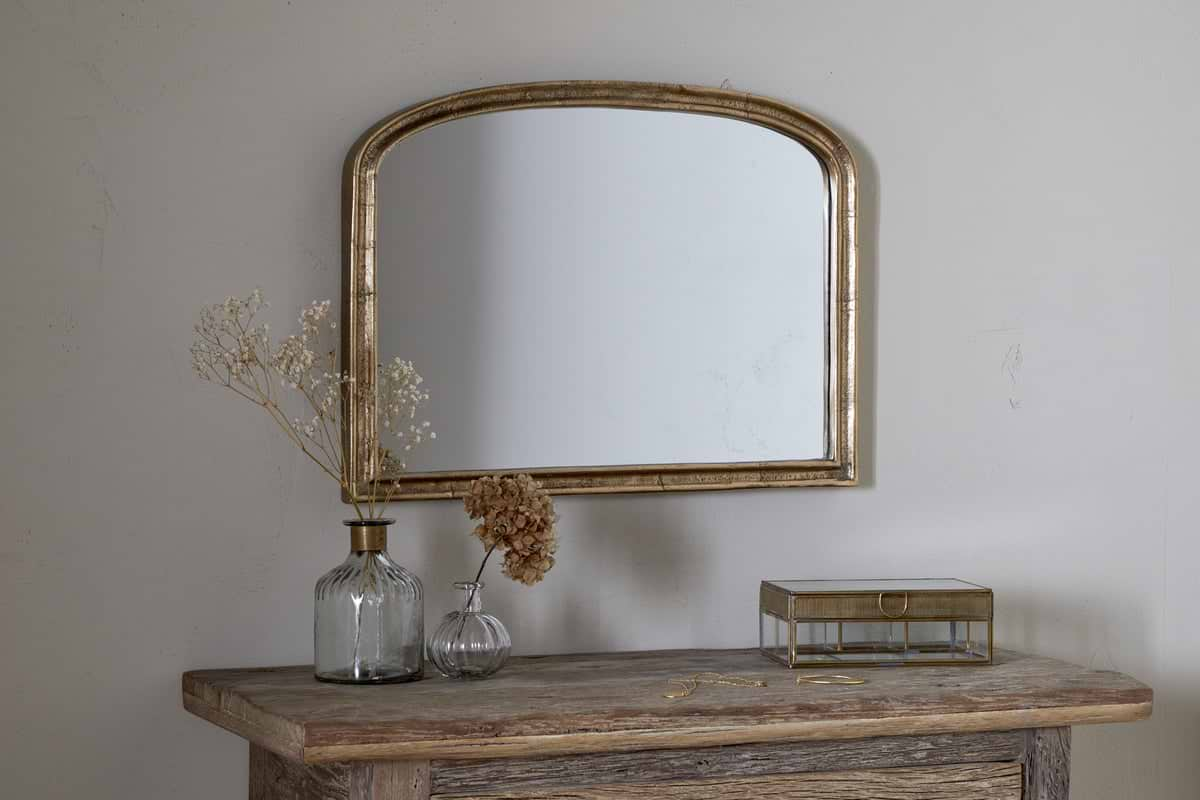
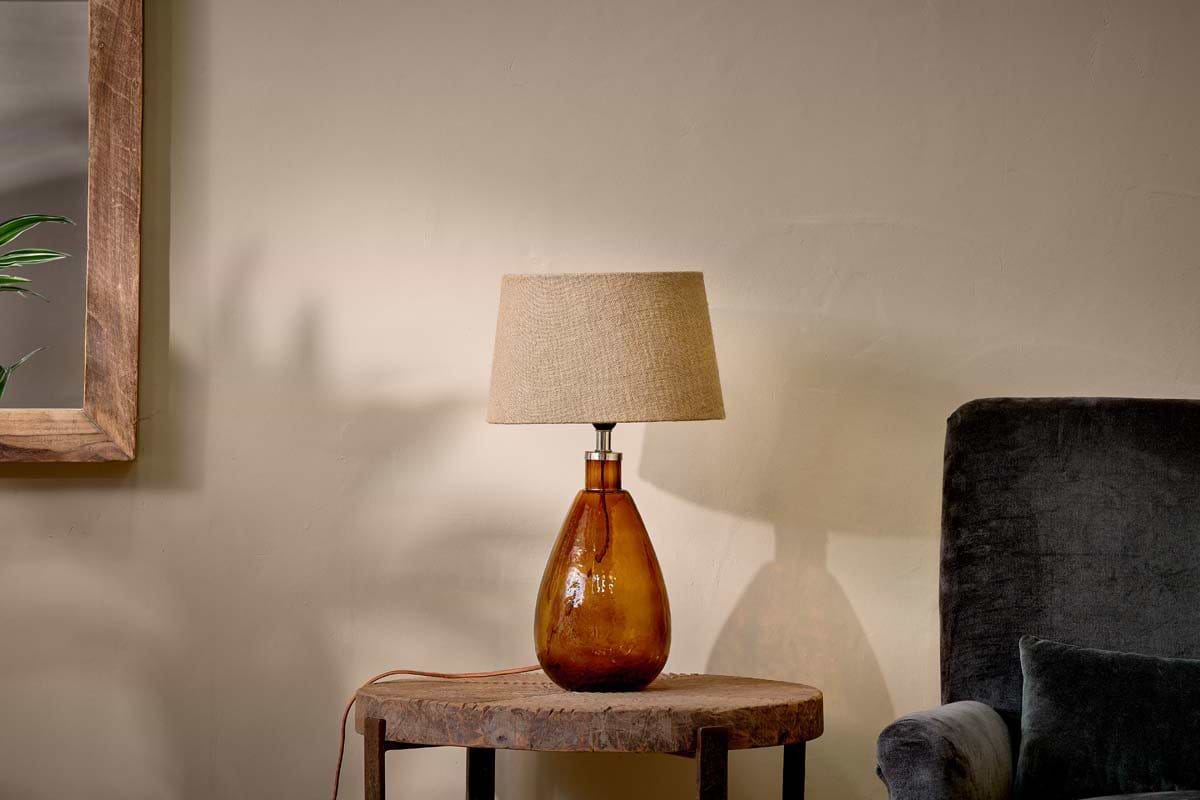
Some links above are affiliate links. If you buy through them we may earn a small commission at no extra cost to you. We only suggest pieces we think fit a calm, lived-in home.
Free guide
The Calm Shelf
12 styling ideas to help you compose calm, balanced shelves in natural texture homes.