

Too many homes have one spot that stays dark and dingy no matter how many lamps or throws you add. A small bedroom can feel shut in, or a north-facing living room never feels right when you walk through the door.
There are clear steps you can take to lift a dull space and stop fighting against its shadows. Today, you’ll learn what to skip, what to add, and how to place the right elements to make any neglected room look fresh. This works especially well in a rental flat when you’re limited by layout because even small changes help a windowless or awkward room feel lighter.
The short version: The fastest way to make a dark and dingy room feel brighter is by removing heavy fabrics and adding one large mirror on the opposite wall from the main light source. A few changes in colour, material, and bulb choice can shift a flat space into something calm, simple, and warm without any renovation needed.
Key takeaways
- A thin-framed mirror helps bounce more light around a low-light room.
- Switching to a cool, bright LED bulb instantly reduces the heavy feeling.
- Light rugs and textured textiles move attention away from flat surfaces.
- Removing extra clutter makes shadows less obvious in tight spaces.
- Warm whites or soft pastels work best when wall colours feel too dense or closed in.

What makes a room feel dark and dingy?
A room feels dark and dingy when it lacks natural light, uses heavy or worn fabrics, and fills up with muted colours and shadows that drag everything down.
One of the most common problems in older rental homes or basement apartments is low, uneven light. A bulb that’s too yellow or furniture that covers most of the window makes everything look shaded, especially at the edges of the room. Add brown or grey carpets, and the whole place looks flat and settled-in, rather than welcoming.
Soft surfaces hold onto shadow. Thick, matte curtains soak up any brightness that does seep through, while glossy surfaces can throw distracting glare instead of gentle reflection. A bare shelf looks colder than one with baskets, but too many objects start to build up the gloom instead of softening it.
Avoid overcrowding windows, and skip any paint finish that feels heavy or extra dark. A chalky white always bounces light better than a navy velvet, just as a textured linen curtain lets in more sun than blackout polyester. If a living room has only one small window in a corner, spreading reflective or pale elements widens and brightens the view. The Cambridge Dictionary confirms that ‘dingy’ describes spaces that are “dark and dirty and in bad condition” (source).
Lightening a bedroom or a hallway works best when you spot the surfaces catching the most shadow.
Where this works best
Lightening tricks work especially well in windowless bathrooms, narrow corridors, and ground-floor bedrooms where the sun never comes in directly.
Rooms that get very little daylight or have north-facing windows often stay one shade darker, even at midday. Often, these are the first spots people try to fix with stronger bulbs or lighter paint, but the results come from changing more than just one thing. A hallway without natural light can look drab all year, but a mix of mirrors and textured runners instantly shifts how the space feels underfoot and at eye level.
Adding a gently patterned rug or a slim, wall-mounted lamp softens the cold lines in a tiled bathroom. In a small flat with only one main room, swapping bulky furniture for lighter frames and pale woven materials clears visual weight. Adjustable LED bulbs with a cooler colour temperature make entryways and shared spaces friendlier in the evening, when the outdoors fades to grey.
Avoid using heavy, dark wood or thick blackout curtains in these areas, those add shadows and shrink the floor space. Instead, look for translucent Roman blinds, open shelving, or a couple of textured baskets to replace dense storage cubes. Lifting one piece off the floor clears both shadows and dust, helping the whole room breathe.
Let these softer materials and pale shades fill the quiet corners, especially where walls press in or the ceiling seems too low for its width.
How do you use mirrors to brighten a space?
A large, thin-framed mirror spread across from your main light source bounces daylight into darker corners and makes narrow spaces seem almost twice as open.
In a living area with just one small window, the best mirror placement is on the wall directly opposite that window. This doubles any outside light that comes in, pulling it deeper into the room by day and warming spotlights by night. A round mirror works well on small walls, but a rectangular one widens the look of long, low rooms.
A thin or simple frame fades into the wall, while mirrors with chunky edges can draw the eye away from the light. Unlike dark framed or heavy mirrors, which block or narrow lines of sight, clear-edge models keep everything feeling easy. Instead of stacking several small mirrors (which breaks up the view), one full panel smooths the light across the space.
If a shelf sits under a mirror, add a small clay bowl or glass vase to catch the reflections, avoid loading up with too many metallic objects, which can scatter the light and look busy. According to decorators, most mirrors look brightest when placed about face height on the main reflection wall, making even a basement or rental flat come off softer and more open. This is especially effective in living rooms where daylight struggles to reach the back wall.
Follow the opposite wall rule for quick results: a mirror laid opposite a window is worth twice as much as one on a side wall for sheer light impact.
Switching to brighter, cooler light bulbs
Cool, bright LED bulbs in the 4000K to 5000K range make dark corners instantly sharper and help faded paint colours read clearer at night.
Many rooms that feel heavy or tired after dark still use old-fashioned bulbs in a warm shade. A “soft white” bulb looks nice in open rooms, but in tight spaces or anywhere with brown, beige, or olive surfaces, it slides towards yellow and makes the room look even dingier. A modern LED with a cooler, daylight-mimicking spectrum lights up the true colour of flooring, art, and soft furnishings.
Switching every main bulb in a small hallway, washroom, or study takes less than an hour and costs the same as one large plant or lamp. Most shops mark the Kelvin colour temperature clearly, aim for “daylight” or “cool white” if your space feels flat after sunset.
Unlike older, warm bulbs or compact fluorescents, most LEDs now last years while keeping energy costs low. Instead of layering on extra table lamps, swap one ceiling fitting for a higher-output bulb and add a sheer or glass shade instead of an opaque drum. This is especially effective in rooms with no natural light at all, bringing clarity to paint, artwork, and floors.

If your room feels sharp but cold, layer in a few soft textures, a rough woven rug or a crinkled linen panel, to warm it up by touch instead of losing the brightness colour temperature provides.
Styling and placement
Arranging each piece with extra space around it and sticking to smaller clusters keeps the room calm and stops the eye from tripping on busy details.
Placing storage units, side tables, and rugs just off the wall makes tight rooms seem larger, with the skirting board still visible so nothing feels squeezed. Light, natural materials like jute rugs and linen pouffes catch the least shadow and blend into nearly any palette, so rooms look smoother as you move between zones.
Glass, brass, or soft-woven baskets make shelves less blocky and handle clutter quietly. Unlike hard-wired built-ins, which fix your layout forever, lightweight storage and removable hooks let you adapt the flow when you spot a heavy spot building up. Removing even one bulky item, an ottoman, a fixed bookcase, a heavy curtain, lets corners breathe.
Quick calm checklist:
- Pick pieces in rattan, jute, clay, or light woods.
- Leave a gap between rugs, large baskets, and the wall for a sense of space.
- Choose soft white or cream fabrics over deep charcoal or burgundy.
- Aim for one main focal point on each major wall (like a mirror, art, or shelf cluster).
All of these tweaks work in most rental flats, narrow living rooms, or makeshift home offices where furniture gets swapped in and out, making the space last longer between resets.
How do you stop heavy fabrics from dulling a room?
Swapping thick, matte curtains and dark throws for finely woven, pale linen or cotton lightens shadows and lets air and sun move through the space with less resistance.
Heavy drapes and deep velvet cushions hold dust and act like closed doors against what little sunlight enters a room. In a bedroom or snug, thick textiles can feel comforting on cold mornings but quickly turn a small space into something blanketed and closed-off. A lighter fabric, even in the same colour, makes the edges of a window or sofa soft but not weighty.
Most lightweight, pale curtains let in some light even when drawn closed, shifting the atmosphere during daylight hours. Unlike blackout blinds that flatten everything, a set of linen panels in off-white or oat keeps the mood soft but not sleepy. Try Roman shades in woven cotton or loose-weave flax for rooms you’d rather keep cool but don’t want to block off completely. You’ll see this difference especially in spaces where daylight is scarce, because the fabric makes the window seem larger.
If you’ve already removed thick layers, add back a single slubby cotton throw or two pale cushions for comfort. Compare this with a living room before and after, a chunky acrylic blanket across a sofa always looks heavier than a washed linen sheet, even in identical colours.
Choose your textiles the way you’d choose paint: softer finishes reflect more light and keep a dark and dingy space welcoming well into the evening. In bedrooms with little natural light, this approach stops the room from feeling cut off at night.
What colours actually lift a dark space?
Soft whites, pale greys, gentle terracotta, and light sage shades reflect the most light, breaking up heavy corners and shrinking shadow pockets.
Many people jump to the brightest whites for trim and walls, but a sharp blue-white can feel cold, especially under LED light. A soft white or pale blush keeps warmth but bounces more light than beige or cool blue. On cabinets or doors, muted greens or clay tones freshen a room that feels too boxy or plain, helping edges fade back and making the centre feel wider.
Compared to dark navy or deep chocolate, even a light mushroom or oat colour soaks up far less ambient shadow. For renters, removable wallpaper or peel-and-stick panels are easy ways to brighten one accent wall without repainting an entire room. A rug in a cheerful, light pattern draws the eye down and spreads the sense of space, a small change but a visible lift. Most accent walls work best when painted or covered in a shade at least two tones lighter than the room’s existing main colour.
If your eye keeps landing on the darkest patch in a room, soften that area with something tonal, say, a sage bowl on a grey shelf or a tan cushion at the edge of a dark sofa. A gradual blend works more naturally than a stark colour block. New cloth or paint in these calm shades can often be introduced for the same cost as a takeout meal.
Rooms with older, heavily stained woodwork or faded carpets benefit the most from a careful lightening-up, since every paler object or panel works together to draw focus away from tired surfaces.
What tends to hold up with lightening dark and dingy rooms
Reviewers and decorators usually agree on a few points after seeing many “before and after” spaces. Matte finishes keep strong sunlight from bouncing too harshly, but in rooms with almost no natural light, a little bit of sheen, think ceramic, glass, or a brushed metallic lamp, proves helpful. The trick is avoiding clutter: as soon as open shelves fill up or laundry piles linger, even the best-lit nook starts to feel shadowed again.
A lightweight rug or one big mirror are rarely regretted purchases for these rooms. Lighter curtains and layered lighting, especially LEDs that don’t overheat small areas, beat another round of heavy throws or dark wood. Keeping things off the floor and leaving gaps around main furniture almost always gives a fresher, less cramped feel.
, Mara, Loom & Glow
Common questions
What does the phrase ‘dark and dingy’ mean?
The phrase “dark and dingy” means a room or place is poorly lit and looks dull, dirty, or unkept. The term often signals discomfort or a space that’s hard to use well. “Dingy” itself is officially defined as “dark and dirty and in bad condition” by The Cambridge Dictionary.
What does ‘dingy’ mean in UK slang?
In UK slang, “dingy” describes a place that is gloomy, unattractive, or neglected. If someone calls a bar or flat “a bit dingy,” they mean it feels rundown, poorly lit, and not very inviting, never a compliment.
How do you spell ‘dingy’ as in dark?
‘Dingy’ is spelled d-i-n-g-y when you mean a place that is dark, often dirty, or in poor condition. The word comes up in both British and American English and isn’t to be confused with other similar-sounding words.
What is the difference between a dark room and a dingy room?
A dark room simply lacks light, while a dingy room is both dark and looks unclean or poorly maintained. All dingy rooms are dark, but not every dark room is considered dingy. Good materials and neatness can keep a low-light room from ever feeling truly dingy.
Explore more calm combinations inside our Shop The Look .
Shop the Look
A few pieces that help lift a dim room without adding clutter.
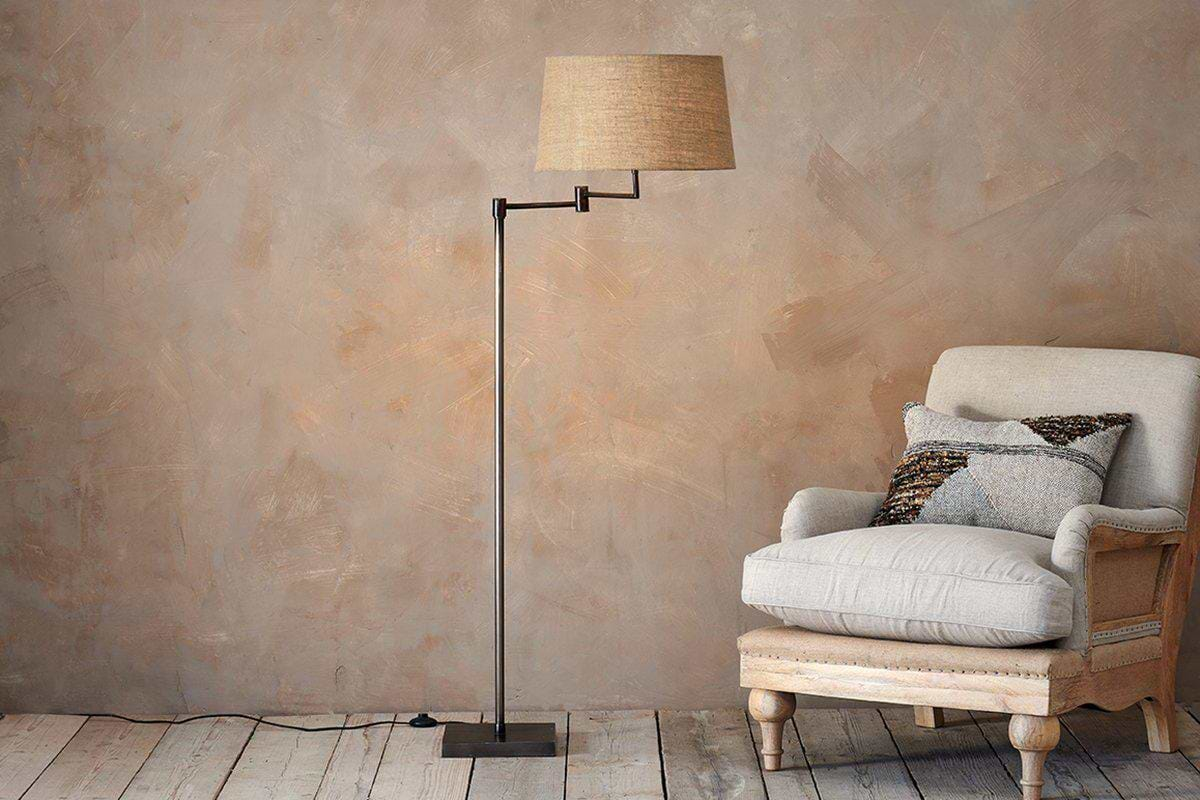
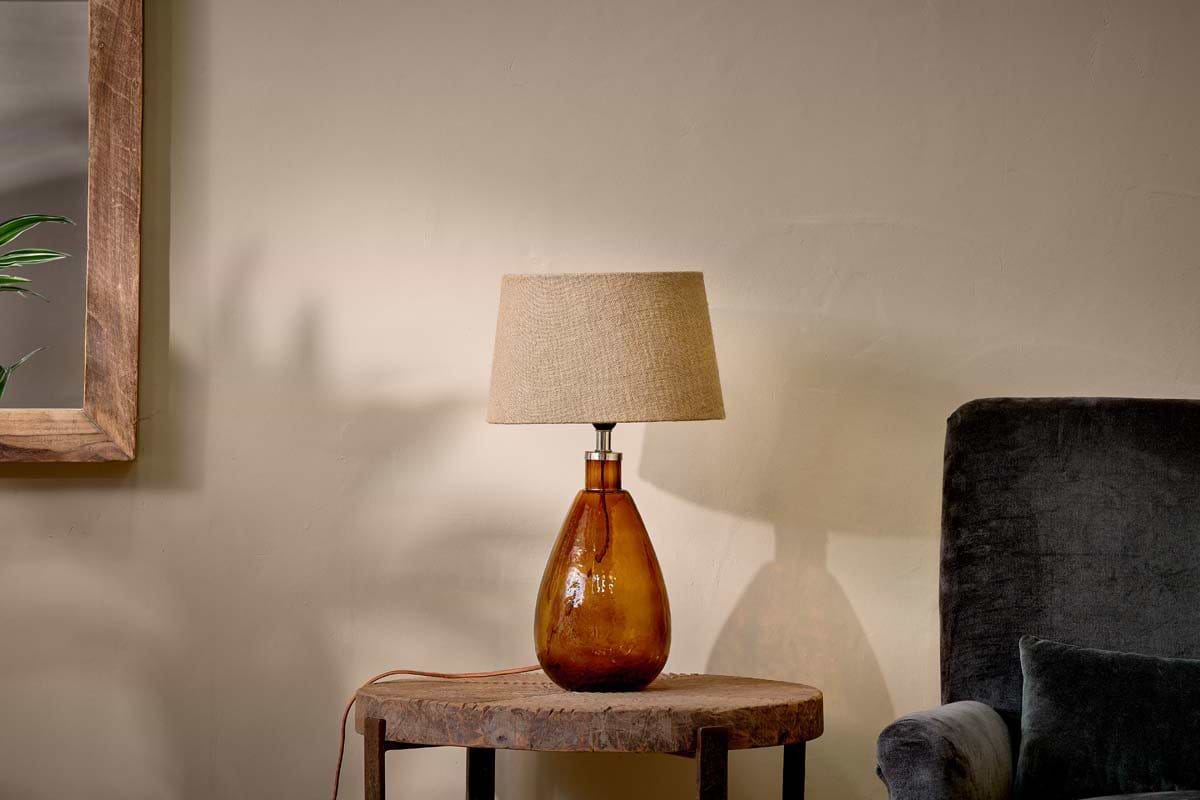
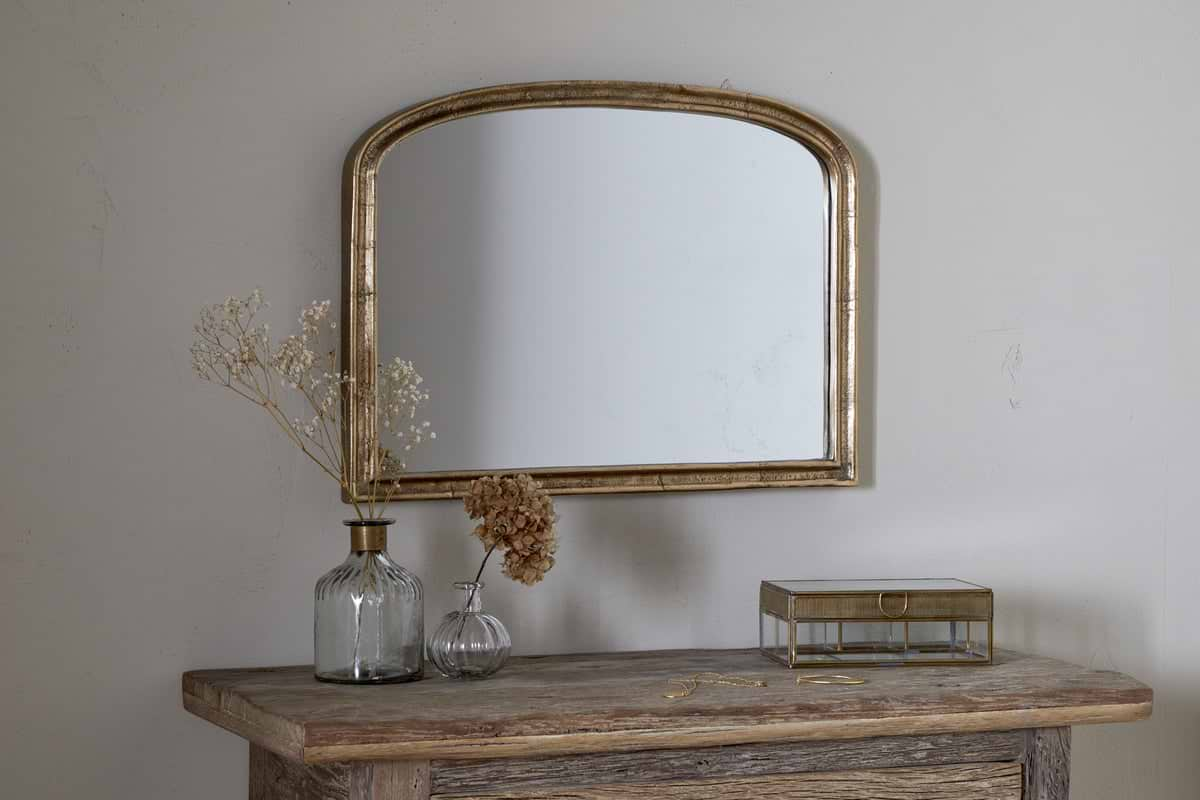
Some links above are affiliate links. If you buy through them we may earn a small commission at no extra cost to you. We only suggest pieces we think fit a calm, lived-in home.
Free guide
The Calm Shelf
12 styling ideas to help you compose calm, balanced shelves in natural texture homes.