

Many people want to bring autumn decor into their homes but struggle with clutter and pieces that feel busy or artificial. Throwing orange pumpkins everywhere or stacking faux leaves can make a calm room feel crowded, especially in small UK homes.
This guide shows how to use natural materials and simple textures for autumn, creating calm instead of chaos. You’ll see what to keep, what to avoid, and how to make a space feel warm without switching everything out. This works especially well for a living room with limited storage when the main sofa stays the same because textured throws and wood accents fit in without taking over.
The short version: Autumn decor can look calm and sophisticated when you use real textures and keep surfaces clear. Natural baskets, ceramic bowls, and woven wreaths change the mood for the season without making rooms feel cluttered or themed.
Key takeaways
- Natural autumn decor materials like jute, clay, and wool avoid the look of plastic or theme-heavy rooms.
- Layered textures work best when you keep about two-thirds of a shelf or mantel clear.
- Window sill decor benefits from varied heights and just one accent colour for balance.
- According to Hobbycraft, arranging small pinecones, acorns, and dried foliage together is an easy way to add autumn without crowding a room.
- Swapping out springtime home decor for warmer tones makes a space feel ready for change without a full overhaul.
- Why autumn decor doesn’t need to mean pumpkins on every surface
- The three natural materials that read as autumn (no fake leaves required)
- How do you make a mantelpiece feel seasonal without a full reset?
- Window sill decor: layering height and texture in a narrow space
- Which autumn wreaths and garlands last past October?
- How to use palette and placement to avoid a cluttered look
- Where this works best

Why autumn decor doesn’t need to mean pumpkins on every surface
Autumn decor looks calm and inviting when you use simple, natural objects instead of crowding every space with themed pieces. A woven tray holding a candle, a ceramic bowl with pinecones, or a linen runner offers warmth without feeling like a shop window.
Busy surfaces stacked with faux pumpkins and plastic acorns compete for attention and can make even large rooms feel cramped. Switch to a few well-chosen natural pieces that bring texture rather than bright, glossy colours. A jute basket softens a shelf far more than a trio of foam pumpkins.
Adding a hand-thrown bowl of real walnuts or a bunch of dried seed heads changes the atmosphere quietly. Unlike a themed garland, these pieces don’t clash with springtime home decor if some remains out as weather shifts. You get a calm, layered look that isn’t forced.
Many autumn decor uk guides show surfaces styled to the brim. A shelf works best when the surface shows, and just one or two accents pick up the mood. Try a wooden acorn or a small bunch of wheat beside your reading chair; the surface stays practical for daily use.
The three natural materials that read as autumn (no fake leaves required)
Wool, unglazed clay, and rough wood bring a quiet autumn mood that lasts beyond October. These materials have a pleasing texture underhand and catch the low light of the season in a way plastic or metal objects do not.
Wool throws folded on the edge of a sofa feel cosier as nights grow longer. In a bedroom, even a single wool cushion can soften harder lines, making the space feel less cold in the mornings. Compared to polyester or acrylic, wool feels dense and keeps its look season after season.
Clay bowls with an unglazed finish catch light differently from shiny glass and suit both vintage home decor and newer rooms. Set a clay dish on a dresser and fill it with chestnuts or dried flowers for autumn. Instead of looking themed, these pieces look useful and purposeful.
A wood slice or tray, such as the 20cm wooden pine slice Hobbycraft sells, works as a base for candles or stacked mugs on a table. Unlike plastic chargers, the natural grain never looks out of place. Natural materials in pale or medium tones last into winter and pair well with other woods or neutral ceramics around the home.
How do you make a mantelpiece feel seasonal without a full reset?
A mantelpiece feels autumnal with just three items: something tall and textured, something soft, and a single warm-toned accent like dried leaves or a small pumpkin. Switching out just one item each season keeps it fresh without overwhelming the space.
Most homes centre their mantelpiece decor around family photos or a favourite vase year-round. To make it feel more autumnal, swap in a soft birch branch, a twisted candle, or a linen-wrapped bundle of dried wheat where flowers once stood. The original colours and shapes still show through, so the room keeps its personality.
Unlike a full display of pumpkins, a slim garland of dried acorns threaded with twine, like those in Ivy Grey Interiors’ range, frames the mantel quietly. Layer in a heavy, short candle for a bit of weight without adding clutter. Most stylists recommend keeping at least half the shelf open, so light is not blocked or broken up.
Compared to springtime home decor, autumn mantel styling swaps glass jars and bright buds for weightier, lower objects and heavier textures. A shelf looks calmest when long lines run unbroken, and objects don’t sit too close together. This rule holds true whether your home is new or inherits a period fireplace.
Window sill decor: layering height and texture in a narrow space
Window sill decor works best with a soft layer at the base and a tall object at one end, letting light filter through. Dried stems or a single wooden garland add autumn without blocking views or making the ledge feel heavy.
Light is precious on narrower window sills, especially in UK homes after September. A row of chunky autumn decor, pumpkins, fake leaves, busy garlands, can block the glow and make the space feel boxed in. Instead, try a small, woven tray with a clay bowl for keys, then a tall dried stem at one end.
Unlike mini figurines or stacked books, a soft trailing plant or a few pinecones gathered in a low dish let the eye move across the sill. Springtime home decor often uses tulips or narcissus bulbs here; for autumn, swap to dried grass or a short candle in a muted holder.
A window sill reads wider and stays useful for sitting a book or cup when you limit accents to a single section. Place textured pieces at one end for weight. Open space matters more than filling every inch, especially in shared rooms or rentals where surfaces are precious.

Which autumn wreaths and garlands last past October?
A wreath or garland using wood, dried seed heads, or fabric leaves can stay up all season and transition quietly into winter. These pieces miss the Halloween look and keep a room feeling thoughtful.
Wreaths made from grapevine, willow, or felted wool read less seasonal than those with artificial berries or bright-orange faux foliage. Hang a simple grapevine circle on the front door with a handful of pinecones. Inside, loop a garland of linen leaves across a bookcase or mantel for a neutral, subtle effect, as seen in many PrettyLittleHome’s autumn homeware displays.
Compared to plastic or themed decor, natural-fiber wreaths don’t turn brittle or lose colour as quickly. If you hang one in a hallway or over a kitchen rail, it stays fresh through to December. Neutral materials also play better against both autumn and winter decorations, so you don’t have to store them in a box.
An LED garland, like the acorn house version in the same range, is another option for low-light corners. Try this on a deep bookshelf or above a headboard, especially in homes without much natural daylight. Simple shapes and textures feel less like props and more like part of the room.
How to use palette and placement to avoid a cluttered look
A calm autumn scheme uses two main colours and echoes one texture across the room. Grouping similar materials together, and keeping most surfaces clear, prevents a crowded or heavy feel.
In an open-plan living area, it’s tempting to add colour everywhere once autumn comes. Pull back to two main shades, like rich brown and off-white. Use these on a throw, a couple of dried-stem bouquets, and maybe a woven mat at the entry. The palette stands out without shouting.
Compared to rooms with a bright orange mix of pumpkins, faux leaves, and bold tableware, this approach draws the eye more slowly and lets existing furniture show. Place the main accent, such as a bowl of acorns or a wood slice candle tray, where you want the focus first, then drop back to neutrals elsewhere.
According to Primark’s autumn home decor category, filtering by finish and shade helps avoid overcrowding the room with pieces that don’t match. Anchor every surface with just one textured piece, and let most of the space stay open for daily life.
Where this works best
Natural autumn decor makes the biggest difference in rooms with strong furniture or plain paint, especially when surfaces are limited. Entryways, living rooms, and window corners benefit most from simple, textured accents.
Entryways and small bedrooms often have little storage and can look crowded quickly. Softening a hard surface with a linen runner or placing a wool bowl near a coat hook calms the area and welcomes you in. These choices matter most when you can’t switch out furniture or paint each season; focusing on natural textures lets you refresh a tired spot in minutes.
Small flats or semi-open living rooms with one bay window are perfect for this way of decorating. Use a clay dish, a small wood tray, or a slim garland on a narrow surface. These accents don’t demand new shelves or hooks, so the space stays flexible for all seasons.
Avoid overloading surfaces, especially mantelpieces or window sills, with both autumn accents and leftover spring pieces. Too many mixed seasons on one surface clash and make the room feel unfinished. Subtract one thing before you add another: if a brass pot lives by the fireplace, pause before adding a wood slice or extra branch.
Styling and placement
Everyday autumn items work best when grouped by material, repeated in more than one spot, and placed where your hand or eye rests naturally. Keep key surfaces mostly clear for a lived-in feel.
Place one or two natural items on a shelf, like a linen pumpkin or clay mug paired with a woven coaster, leaving the rest of the surface open. A common living room mistake is setting too many small objects close together, making the area look crowded. Instead, anchor your main accent and keep other shelves simple, so everything reads calm and intentional.
Unlike a jumble of ornaments, repeating similar textures or shapes (two similar bowls in different rooms, three matching baskets on different shelves) brings subtle unity. A shelf or mantelpiece feels lighter when colours repeat quietly, a wool throw echoing the colour of dried stems in a window nook, for example.
Quick calm checklist:
- Use natural fibre textiles (wool, linen, cotton) on sofas and ledges.
- Set wood or clay accents in single, open spots instead of groups.
- Stick to two main colours, soft earth tones work well for calm rooms.
- Balance tall objects on one end of a sill or shelf; keep centre spaces clear.
- Limit themed or bright pieces to one area per room for contrast.
A console table in a hallway works especially well with a single jute tray and one tall dried branch, anchoring the look. Too many objects in a row pull the eye and break the line, while careful grouping makes the room feel thoughtful and open.
The shift that makes all the difference: choose one main surface to style for autumn, limit the colours to just two, and use one natural texture across the space. By keeping other accents minimal, each piece gets noticed. Rooms look calm, not staged, and are easier to refresh as the season changes.
It’s easy to miss the tipping point, a moment when you look around and the living room just feels too busy, or the kitchen shelf suddenly seems crowded. The right idea brings everything back to balance, but most homes don’t spot what’s causing the overload. Restyle with fewer, bolder pieces, repeating the same material to bring everything together.
Too often, homeowners fill every ledge and tabletop with themed decorations, orange pumpkins, bits of faux foliage, plastic garlands from the supermarket. The effect can be harsh, blocking light and making rooms look cramped. Take away one accent for every new thing you bring in, and repeat one texture instead of spreading mixed materials everywhere. Once surfaces have breathing room, the space feels calmer instantly. Save this idea for later.
What tends to hold up with autumn decor that uses natural textures
Rooms styled with fewer, heavier accents, like a single concrete pumpkin, a wool throw, or a wooden tray, usually age better through the months. Households that keep mantelpiece decor simple and repeatable get more out of each season than those shifting everything out for novelty. Matte or natural finishes are often recommended by stylists for shelves near windows, since shiny surfaces can catch glare and distract from the rest of the room. These materials wear in, not out, and often feel just as right heading into winter as they do at the start of autumn.
, Mara, Loom & Glow
Common questions
How do you make a mantelpiece feel seasonal without a full reset?
A mantelpiece feels autumnal with just three items: something tall and textured, something soft, and a single warm-toned accent like dried leaves or a small pumpkin. Switching out just one item each season keeps it fresh without overwhelming the space. Most homes centre their mantelpiece decor around family photos or a favourite vase year-round.
Which autumn wreaths and garlands last past October?
A wreath or garland using wood, dried seed heads, or fabric leaves can stay up all season and transition quietly into winter. These pieces miss the Halloween look and keep a room feeling thoughtful. Wreaths made from grapevine, willow, or felted wool read less seasonal than those with artificial berries or bright-orange faux foliage.
Explore more calm combinations inside our Shop The Look .
Shop the Look
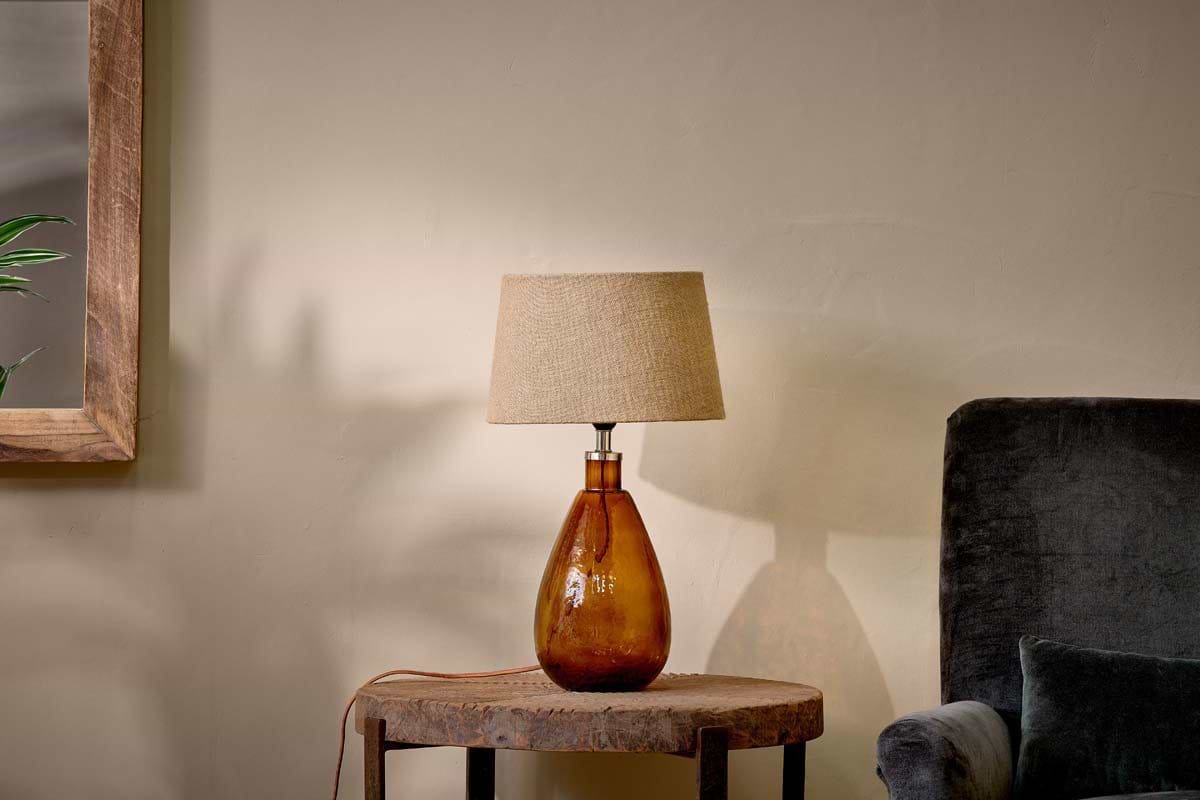
A few Nkuku pieces in natural tones and warm textures that settle into autumn without fuss.
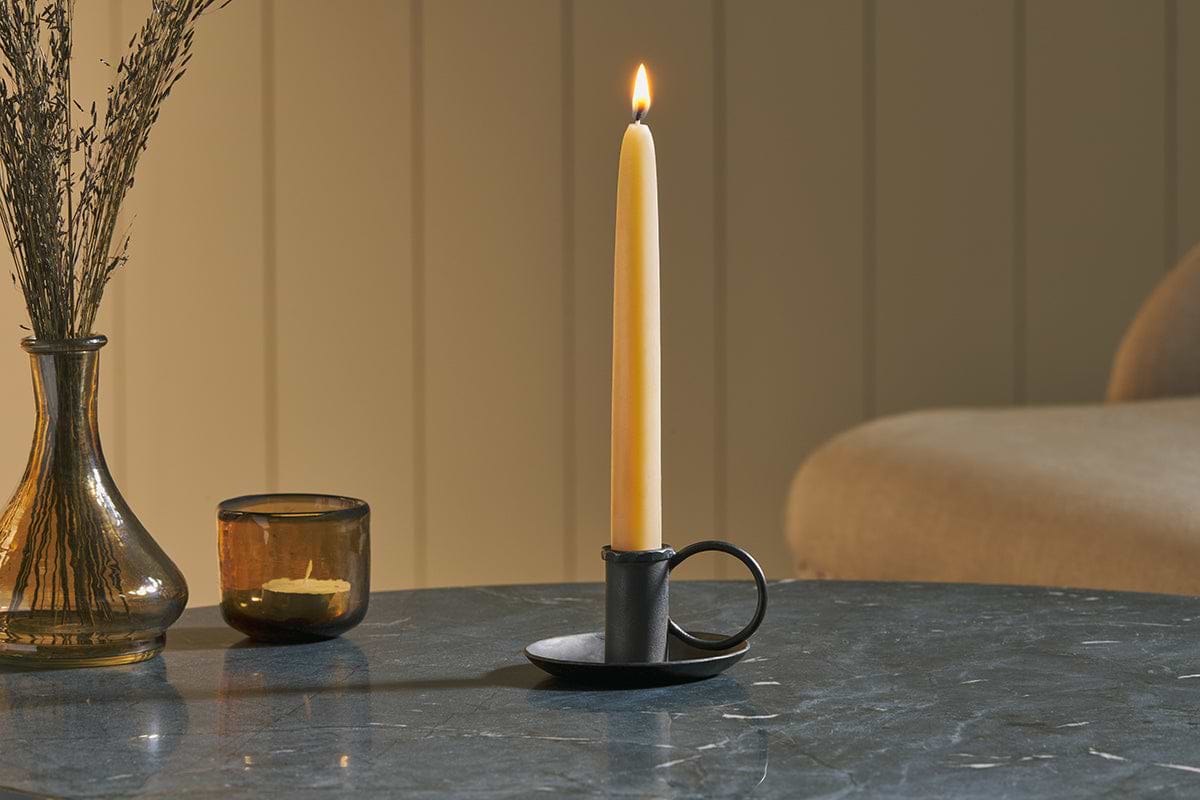
Amri Iron Candlestick
Slender iron with quiet presence, works alone or in clusters of three.
View at Nkuku →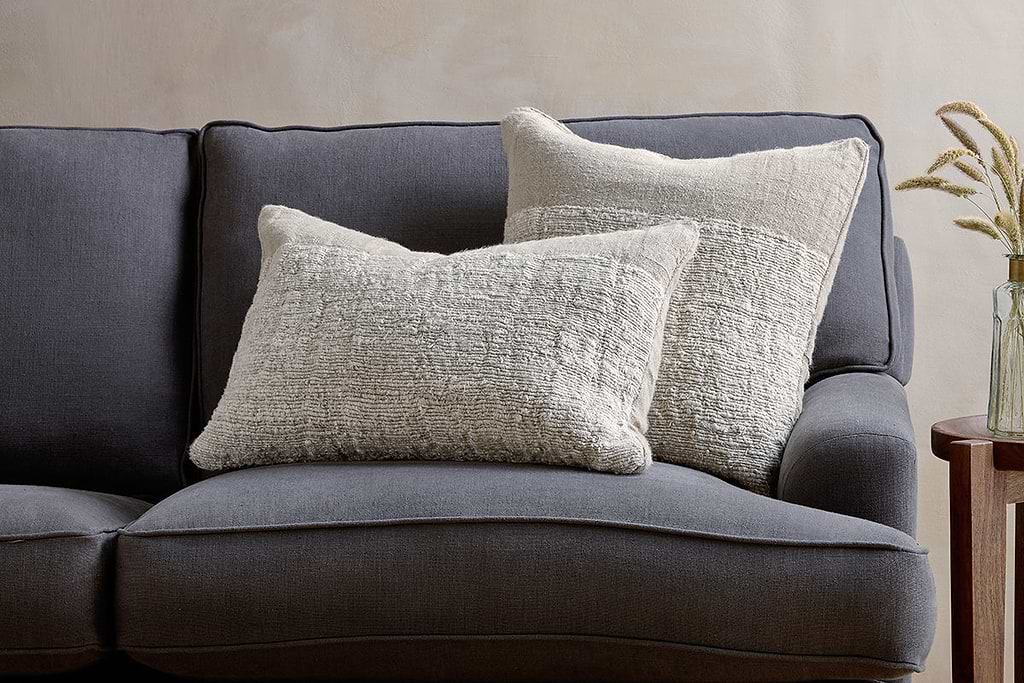
Puli Linen Cushion
Recycled linen in natural, pairs with woven textures and aged wood.
View at Nkuku →Some links above are affiliate links. If you buy through them we may earn a small commission at no extra cost to you. We only suggest pieces we think fit a calm, lived-in home.
Free guide
The Calm Shelf
12 styling ideas to help you compose calm, balanced shelves in natural texture homes.