

A jute rug in the living room can seem like a simple upgrade, but common problems get in the way fast, open-plan layouts make the space feel messy, furniture legs slip off the edge, and color palettes drift toward busy instead of calm. Add rental rules or flooring you can’t change, and it can feel impossible to anchor the space without permanent fixes. For many, these are familiar issues that keep a room from feeling finished.
Today, you’ll see how to create a natural-feeling living area using one key anchor, the right jute rug. We’ll cover shape, texture, size, and easy care options, plus a few honest product picks for calmer, more practical living. This works especially well in open-plan or rental living rooms when there’s no clear “zone” because it draws the eye and sets a boundary without heavy furniture.
The short version: A jute rug living room layout works because the rug anchors your seating, adds textured warmth, and fits with most palettes. Use a large, flatweave jute as a base layer, keep toes and furniture legs on the rug, and mix calm neutrals for a more relaxed feel with less fuss.

Why does a jute rug ground a living room?
A jute rug grounds a living room by adding soft, matte texture underfoot and making the seating area feel anchored, never floating. Its warm, woven look gives structure and a break from hard flooring.
In an open-plan room without clear boundaries, a bare floor can make furniture seem scattered and the layout incomplete. Laying down a jute rug creates one visual zone so the sofa, chairs, and table feel like a group, even when walls aren’t there to separate the space.
Unlike a thin flatweave cotton or a plush wool rug, a jute fibre rug offers grip and gentle padding so feet don’t slip and chairs don’t drift on hard floors. The subtle color is forgiving with dust and less prone to footprints showing, which helps the area stay looking finished longer.
Spreading a large jute rug directly under your couch and chairs works especially well in homes where kids sit on the floor, or where you want a natural, easy-to-clean surface. In these rooms, the matte look helps lighting feel softer and daylight less harsh, even with bare windows.
Where this works best
Jute rugs make sense in living rooms, family rooms or multipurpose spaces that see daily foot traffic and changing seating. They suit both small apartments and homes with open layouts.
In a flat or compact living room where the floor changes between wood, tile, and carpet, a single jute rug brings all the pieces together. The rug gives a spot for everyone to gather, and looks less harsh than a heavy, dark carpet would in low light or tiny rooms.
Larger living areas often feel empty around the edges. Placing a bigger jute rug lets you float a seating group away from the walls, this keeps the room from looking like a waiting area or scattered with “drifting” furniture. For small patio ideas or tightening up a balcony zone, an outdoor jute-style rug creates the same boundary effect outside as it does inside, bridging indoor and outdoor living ideas.
Avoid very high-traffic hallways or spots with lots of water or sun, like entryways that catch rain or balconies with full sun for hours, as prolonged exposure to water or direct light can break down both the color and fibres of jute over time and make it look faded or uneven. (For details, see prolonged exposure to water tips.)
For living rooms with gentle use, or patios where you need a grounded zone without a permanent change, jute is especially forgiving and renter-friendly. This helps even a small balcony feel purposeful without major construction.
How do you pick the right weave, shape and size?
Flatweave jute is best for anchor rugs, chunky boucle feels firmer and bold, and braided or round shapes soften boxy layouts. Pick a rug large enough that the main furniture has at least the front legs placed on it.
Most seating areas feel better when the rug isn’t too small. When a rug “floats,” sitting well inside the furniture footprint, it breaks up the look and makes the floor and rug compete. Instead, choose a size that slides under the sofa and at least the front legs of any armchairs.
Flatweave is the classic pick for living rooms because it stays put and shows less dirt. A warm minimalist living room with a herringbone or chunky weave introduces more visual interest without going bold. Round and scalloped jute rugs can soften the grid of a rectangle room, especially if you feel the space looks too formal or stiff.
Compared to sisal or seagrass, jute has a slightly softer hand, which matters for barefoot use or homes where kids often sit under the coffee table (see details at House & Garden). Use a good rug pad underneath if your floor is slippery or you want extra softness. Most natural fibre rugs look best in medium to larger sizes, as too-small pieces chop up the sitting zone rather than joining it together.
To keep the look grounded, choose natural or gently bleached tones; light grey jute blends are best for brighter modern palettes. Darker, dyed jute is better for hiding marks but can make a space feel heavier than a soft gold or oatmeal color.
Styling and placement
Keep furniture partly on the rug, stick to a warm neutral palette, and repeat natural textures at eye level to tie the look together.
Arranging furniture with the front legs on the rug pulls everything into one “island.” This looks different from keeping all pieces off, which splits the eye and makes the room seem cold. For open layouts, lining the edges of the rug with seating or side tables helps stop the space feeling empty around the borders.
Unlike wall-to-wall carpet, a jute rug leaves breathing space and can show off beautiful wood floors or tile. But if you push all chairs and tables flush to the edges, the room reads stiff. Instead, aim for a palm’s width past the front legs, letting the rug extend just enough to anchor everything.
Quick calm checklist:
- Choose a flatweave or herringbone jute for a low-pile, neat look.
- Place at least the front legs of your main seating on the rug.
- Pick a soft, natural, or faded neutral as the main palette.
- Repeat another texture, like a jute basket or linen pillows, elsewhere in the room.
- Avoid crowding the rug with excess furniture; leave some edges clear.
If the room has a window seat or a balcony nearby, bring in a sister material like rattan or bamboo on a side table, or hang a wicker pendant overhead. In small apartments, let the rug do most of the styling, less is more for feeling calm.

How do you layer rugs so the room feels calm?
Layering a soft wool or cotton rug over a flat jute adds comfort while keeping the space grounded. Stick with only one small top layer to avoid looking crowded.
If your main rug is a simple flat jute, a smaller patterned mat or a faded wool kilim can warm up a reading corner without adding clutter. Layers give texture and take the chill off on bare feet, but too many stacked mats or wild patterns can make the space feel unsettled.
Compared to piling on throws and baskets, layering just one rug on top reads neater and avoids the sense of the room being “busy.” Use natural colourways or faded blues if you want a hint of pattern but still want the underlying jute to shine.
Most designers keep about two-thirds of the rug surface visible when layering. This lets the jute base ground the room while giving a spot of softness where you sit, such as under a coffee table or by a sunny chair. With patios or balconies, try a hardy jute-style rug layered with a small outdoor mat to zone off a sitting spot.
Layering is especially helpful for balcony styling ideas when flooring is harsh or cold, jute on the bottom, something soft above.
What pairs naturally with jute?
Jute pairs best with other matte, natural textures like rattan, linen, mango or reclaimed wood, and clear glass. Stick to a few calm, non-matching materials for a relaxed, simple effect.
Mixing too many shiny or coloured items can make the space feel restless. Natural fibres such as cotton, wool throws, and rattan baskets sit well alongside jute because the colors and textures have the same “quiet” look. Avoid all-matching sets; one woven floor, one wooden coffee table, and a single rattan lamp are enough.
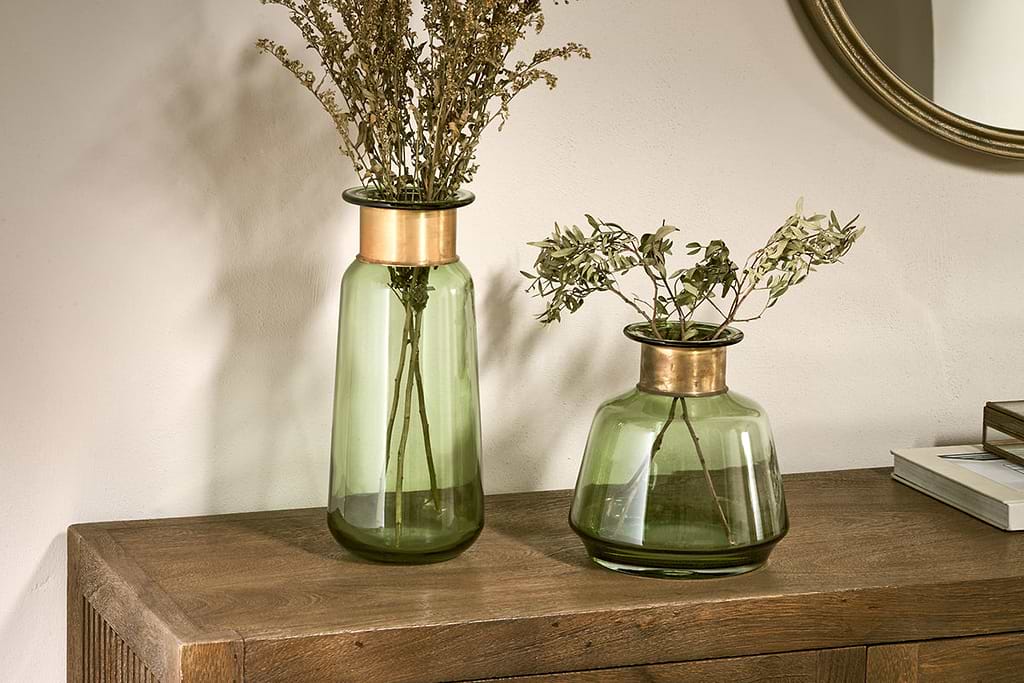
Compared to pairing jute with plastic or lacquered pieces, using warm, matte wood and unfinished ceramic keeps the room soft. A recycled glass vase or the Jara Terracotta Wall-Hung Planter brings gentle shine without glare, echoing the earthy colors in the rug for subtle contrast.
Place these materials at different heights: jute on the floor, a mango wood side table at sofa level, and a rattan or glass accent higher up. This breaks up flatness and makes the room feel less “stacked” or heavy at one level.
A single natural sofa throw or textured pillow connects the palette, especially if your rug is a paler bleached jute or a grey mix.
How to keep a jute rug looking calm: care basics
Vacuum a jute rug weekly, blot spills, and avoid getting it wet. These steps help the rug look neat and last longer in daily living.
Jute is simple to care for but reacts badly to water, too much damp makes the fibres shrink, stain, or unravel. In a busy living room, dry walking and regular light cleaning do best. For a pet-friendly zone, spot-clean with a soft brush or plain dry cloth, never soak.
Unlike some synthetic rugs, vacuuming a jute rug at least once a week helps keep loose dirt from sinking in. Avoid heavy washing or steam cleaning. If a chair or table sits for too long in one spot, the fibres under it may flatten, most owners move furniture every so often to keep things even and prevent permanent dents (see heavy furniture can).
Direct sun for hours at a time can fade the color, if your room has strong afternoon light, close sheers or rotate the rug occasionally. On a balcony or patio, take the rug up in very wet weather to keep it from holding moisture.
Routine care extends the life of a jute rug for years. A little upkeep keeps the texture crisp and the color calm, a small investment for daily practicality.
What tends to hold up with calm natural textures
In reviewing how jute and other natural fibre rugs settle into living rooms, a common theme stands out: neutral, matte finishes hold attention without crowding the space. Reviewers often report that a good jute rug stays present but doesn’t fight for attention, especially when paired with other simple, honest materials. Most decorators suggest leaving some floor around the rug’s edge rather than forcing a wall-to-wall look, as this keeps the room easy to walk through and lets the texture do its quiet work. Mid-toned, low-pile weaves also seem to show less foot traffic than deep-coloured or very chunky styles.
, Mara, Loom & Glow
Common questions
Is a jute rug good for a living room?
Yes, a jute rug is a good choice for a living room. It offers soft texture, matte warmth, and natural colour that fits most design styles. Jute is less scratchy than sisal and works especially well for busy family spaces or calm adult zones where comfort and low fuss matter.
What are the disadvantages of a jute rug?
The main disadvantages are water sensitivity and risk of colour fading in strong sun. Jute can show indents from heavy furniture and feels less plush than wool. Frequent cleaning and dry use extend its life, but avoid using it in places where spills or damp are common.
Are jute rugs still in style in 2026?
Yes, jute rugs remain in style in 2026. Designers value them for their versatile texture, easy pairing with wood and rattan, and relaxed natural tones. These qualities keep them current with calm minimalist, warm Scandinavian, and natural outdoor decor ideas.
What are the drawbacks of jute?
Jute has a few drawbacks: it is prone to water damage, doesn’t do well with lots of sun, and can flatten under heavy furniture. Unlike plush rugs, it doesn’t pad feet as much. Still, its durability and subtle look make it a natural pick for calm, relaxed rooms.
Explore more calm combinations inside our Shop The Look .
Shop the Look
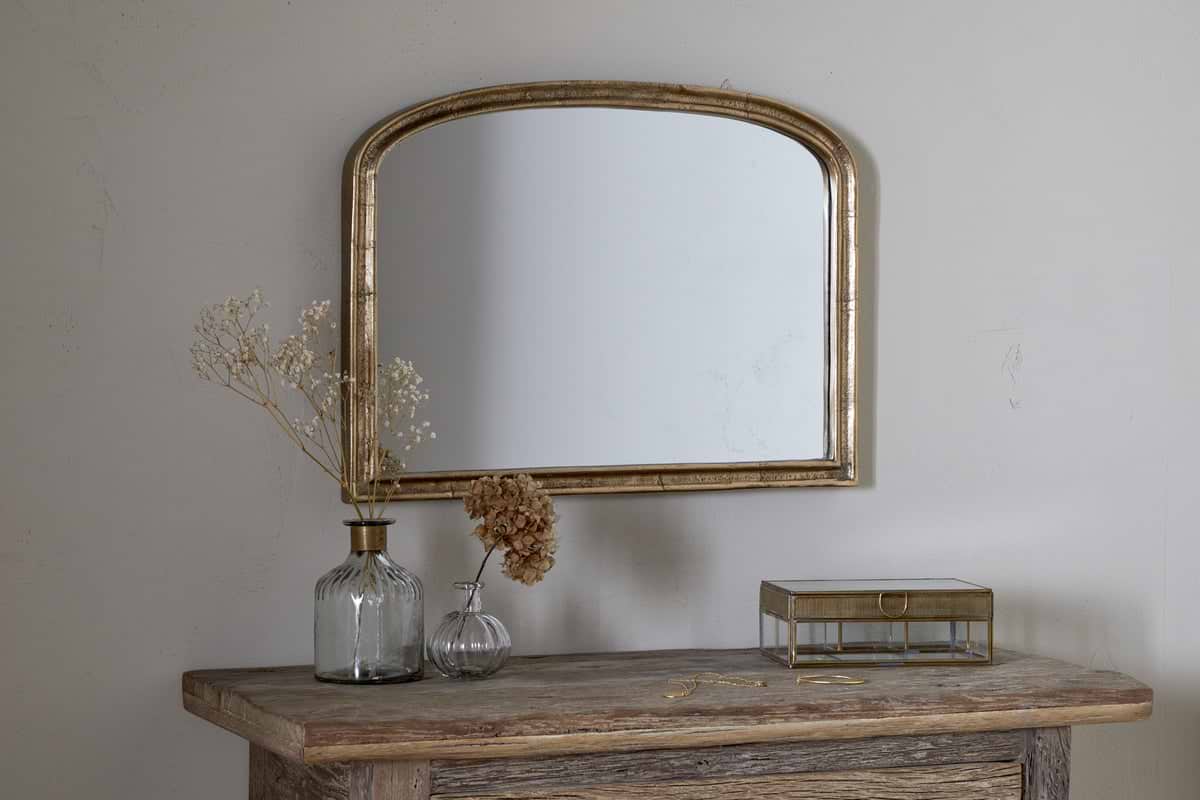
A few Nkuku pieces that ground a jute rug and let natural textures breathe.
Some links above are affiliate links. If you buy through them we may earn a small commission at no extra cost to you. We only suggest pieces we think fit a calm, lived-in home.
Free guide
The Calm Leaf
12 quiet ways to bring dried botanicals, stems, and natural textures into calm spaces.