

Many people search for living room ideas for dark rooms because dim or north-facing spaces quickly look cold or small. A dark wall can feel heavy. Daytime shadows stick around. Choosing the wrong finishes, or crowding the space, just makes everything look heavier and more awkward.
Today you’ll learn calm, practical changes that make a shadowy or north-facing living room feel warmer and lighter. We’ll look at what to swap, which surfaces to clear, and which colours and textures will support a quieter, more welcoming look. This works especially well in a north-facing living room when the daylight feels low because it counters the cold with warmer choices.
The short version: The best living room ideas for dark rooms use a small palette and layered warm lighting with textured pieces to soften shadows and stop the space from feeling cold. Change just a few things and a low-light living room can feel inviting and calm, not boxed in.
Key takeaways
- A dark living room works best when you repeat just one or two warm colours and keep clutter off surfaces.
- Layered lighting—using lamps, fairy lights, and wall washes—brightens shadows better than one overhead bulb, according to Furniture Choice’s advice.
- Natural materials like jute, linen, and pale ceramics look softer in low light than slick metal or heavy black wood.
- Mirrors bounce what daylight you have into corners that often look lost or flat in sunless spaces.
- A pale rug or light wood floor can make even a small shadowy room feel more open, as Furniture Choice also recommends.

Why a dark living room is not a lost cause
A dark living room can feel warm and calm if you use depth in colour and create soft pockets of light. Trying to fight the shade with strong white makes shadows look starker.
Rooms with little daylight sometimes get dismissed as hopeless, especially if they face north. But a dark living room is not lost. Shadow brings a softer mood, and with the right palette, the gloom is less harsh than bright overhead glare.
The main mistake with a shaded living room is pushing back with white paint or shiny plastic. These make the walls look dirtier and pick up every mark and scuff. A soft clay or pale mushroom colour instead makes the space feel embraced, not boxed in.
Unlike cold silver or flat white, a sandy-toned finish reflects what daylight you have. The room keeps its size and feels less like a box. Layering lighting in several small spots also works better than one big overhead pendant that leaves corners lost in gloom.
Use this approach in any low-light lounge, snug, or shaded family room to get a more welcoming feel and useable space all year.
How do you make a north-facing living room feel warmer?
A north-facing living room feels warmer when you add soft golden or peach-tinted lamps and swap out pale white for warm grey or beige walls. Shadows look softer and the room gains a gentle glow.
North-facing rooms rarely get direct sun, so natural light easily looks blue or flat. Softer bulbs and a low reading lamp on a side table make a real difference—unlike a single ceiling bulb which often leaves wall corners looking murky.
Wall colour matters even more. The Farrow & Ball’s range for dark living rooms uses shades like Black Blue and Off-Black, both with brown or navy undercurrents, instead of a hard black or stark white. These choices reflect instead of absorb the light.
Compared to slippery metals, a ceramic lamp with a linen shade gives off a softer, warmer glow. A flax-coloured rug underfoot keeps feet from feeling cold and sets a base for the rest of the room.
Try this in rental homes or flats with small windows, where dullness sets in all year, not just in winter—a lampshade and one wall in warm grey or toffee can turn the mood.
Where this works best
Warming strategies for dark rooms are most effective in small living rooms, north-facing lounges, and spaces that have limited view or size. Any room that feels shadowy and tight can improve with a focus on colour and texture.
Small apartment lounges, basement sitting rooms, and north-facing family spaces usually suffer most. These rooms often get little light, and what comes in feels cool. The right mix—clear surfaces, soft textiles, warm-toned walls—makes a clear difference here.
In open-plan living spaces with one dark corner, using light rugs and repeated soft colours links the darker end back to the main room. Mirrors on the inner walls, as Furniture Choice’s advice suggests, can help bounce light without adding clutter.
Avoid overfilling small or shaded rooms with lots of knick-knacks or dark, heavy furniture. Too many heavy frames or dark objects stacked close can make even a good layout feel tense and harder to use.
This approach works best in neat, tidy rooms where clutter is kept in check and surfaces are wiped clean of files, extra throws, and paper stacks.
Choosing colours for a dark room that feel calm
Warm greys, pale peach, and muted clay colours look softer in a dark living room than hard white or icy blue. A calm palette takes the chill off and doesn’t read as gloomy.
Shadows exaggerate pure white, so it rarely works as the main wall colour in a dim living room. Instead, Sophie Robinson’s decorating advice recommends warm greys and pale neutrals for living rooms with low light. These avoid the icy feeling white can give.
Muted shades—like a beige with a hint of pink, or a mushroom with a touch of gold—feel warmer than blue-grey or cold cream. The wall colour does not need to be light to be calm. In fact, a deep olive or mole brown can make everything look flatter and more content, compared to harsh pale paint.
Pastels, such as a blush pink or powder blue, can soften corners. Compared to primary colours, these shades blend into shadows, so the room never looks chopped up or busy.
A mix of one strong wall and three softer sides often works better than four walls the same flat tone. Try a warm mushroom on the darkest wall, and pale sand everywhere else.

What textures stop a dark room from looking cold?
Textured natural materials like jute, linen, and rough matte ceramics add warmth to a dark room because their soft surfaces diffuse shadows and don’t reflect light back harshly.
Flat and shiny surfaces—like lacquered side tables or bare glass—make cold shadows stand out. Instead, pieces with real grain and dry touch ground a space. A jute basket next to the sofa reads softer than a plastic bin in the same corner.
A thick linen curtain, left slightly pooled at the base, soaks up light and gives the window a soft edge. Unlike heavy velvet, linen never looks stuffy or blocks light altogether. Place a clay bowl on a shelf, and the uneven surface helps scatter light, unlike flat porcelain which can look sterile.
Compared to synthetic rugs, a pale wool or jute rug can lift a room with less dark shadow; Furniture Choice also points out that a light-coloured rug and light wood flooring are two of the simplest ways to make a dark living room look bigger and more open.
Add a woven basket for throw blankets and a pale rattan tray on the coffee table—the contrast with a dense, dark sofa softens the space and makes it feel more useable every day.
Styling and placement
Styling a dark living room is easier if you reduce clutter, use just one or two strong pieces on each surface, and keep palettes tight. Grouped, repeated materials create flow and comfort.
Styling in a dark room works differently than in a bright one. Too much decor or too many small objects scatter the eye and look messy. Instead, picking one anchor object (like a textured vase or a basket) per shelf or table grounds the setting.
A mirror on the wall opposite a window bounces the little daylight you get; this is more effective than just using shiny metals. A single tall lamp beside a sofa works better than several small table lights because it throws a soft, wide glow.
Compared to three or more colours on one sofa, using just a pair—say, clay and walnut, or sand and soft blue—keeps the seating area looking deliberate. Paler cushions or throws in natural fabrics lift the shadow around a dark couch.
Quick calm checklist:
- Gather no more than two decorative objects per surface (think: bowl plus book, or a basket plus lantern).
- Swap stark white for warm neutral or muted colour on walls.
- Choose a light rug or floor mat to break up a busy or dark carpet.
- Repeat natural fibres—linen, jute, rattan—across baskets, curtains, and side tables.
Use this method in north-facing rooms with big sofas or in corner lounges to keep small spaces calm, clutter-free, and easy to manage.
How to avoid the most common mistakes in dark living rooms
The most common mistakes in dark living rooms are using only one overhead light, picking shiny white paint, and crowding shelves; these choices all make shadows look starker and the room feel colder.
Everyone has made choices that accidentally exaggerate the cold feeling in a dark living room. The one-bulb ceiling lamp leaves the edges murky and the middle glaring. Picking the brightest possible white for the walls seems logical but tends to show every flaw and shadow.
Piling up decor, scattering cushions, or placing several busy frames on a shelf can quickly make a small, shaded lounge feel cramped or confused. A bare shelf reads colder than one with a single woven basket, while three clamouring prints will break what flow the room does have.
Unlike layered lighting and repeated textures, mixing too many colours and finishes creates unrest. A room with only synthetic fabrics and plastic accent pieces flatters no daylight at all and will always look harder at dusk.
Stick to no more than two types of wood and a capped palette of warm neutrals or pastels. Leave corners empty instead of cramming in a side table that blocks movement. This helps low-light rooms feel open and flexible every day—not just in staged photos.
What tends to hold up with living room ideas for dark rooms
In many photographed and reviewed rooms, using one light-coloured rug and layering lamp glow from several angles consistently makes the biggest difference. Reviewers report that matte and natural textures—especially jute and raw linen—always read warmer in cold light than smooth synthetics. Decorators often recommend mirrors near windows and keeping shelves half-empty to avoid crowding out a small, shaded space.
Matte finishes get recommended again and again for baskets and trays, especially for north-facing rooms, because they reflect just enough light without looking harsh or shiny. The calmest results come from those who resist the urge to overfill or to fight shade with hard white. The trick is repeating warm materials and limiting surface clutter.
— Mara, Loom & Glow
Common questions
What is the 2/3 rule for living rooms?
The 2/3 rule for living rooms is to keep about two-thirds of a shelf or surface clear and use the remaining third for display. This leaves the room open and stops clutter from building up. The same guideline helps furniture arrangement: a sofa might sit along two-thirds of a wall, leaving air and space around it.
What colours go with dark living rooms?
Warm greys, muted earth tones, and soft peach or clay are good bets for dark living rooms. These take the edge off shadows and make everything look gentler. Pair warm colours with pale rugs or natural wood for a balanced and calm result.
How do you liven up a dark room?
Layering light sources, using mirrors, and repeating soft natural materials all help liven up a dark room. Even a small mirror can bounce daylight across the space. Two or three lamps set at different heights soften corners and make the space more useable, day or night.
What colours are best for a dark room?
Rich neutrals like mushroom, pale greige, warm grey, and muted olive work best for a dark room. Pure white can feel stark and blue; warm shades absorb and reflect what light you have without sharpening shadows. One deep accent wall with the remaining walls in a soft neutral often works well.
what is the 60 30 10 rule for living rooms?
The article does not mention a '60 30 10 rule' for living rooms. Instead, it recommends using a small palette of one or two warm colours repeated throughout, layering warm lighting with lamps and wall washes, and choosing natural materials like jute, linen, and pale ceramics to make dark rooms feel warmer and less cold.
Explore more calm combinations inside our Shop The Look .
Shop the Look
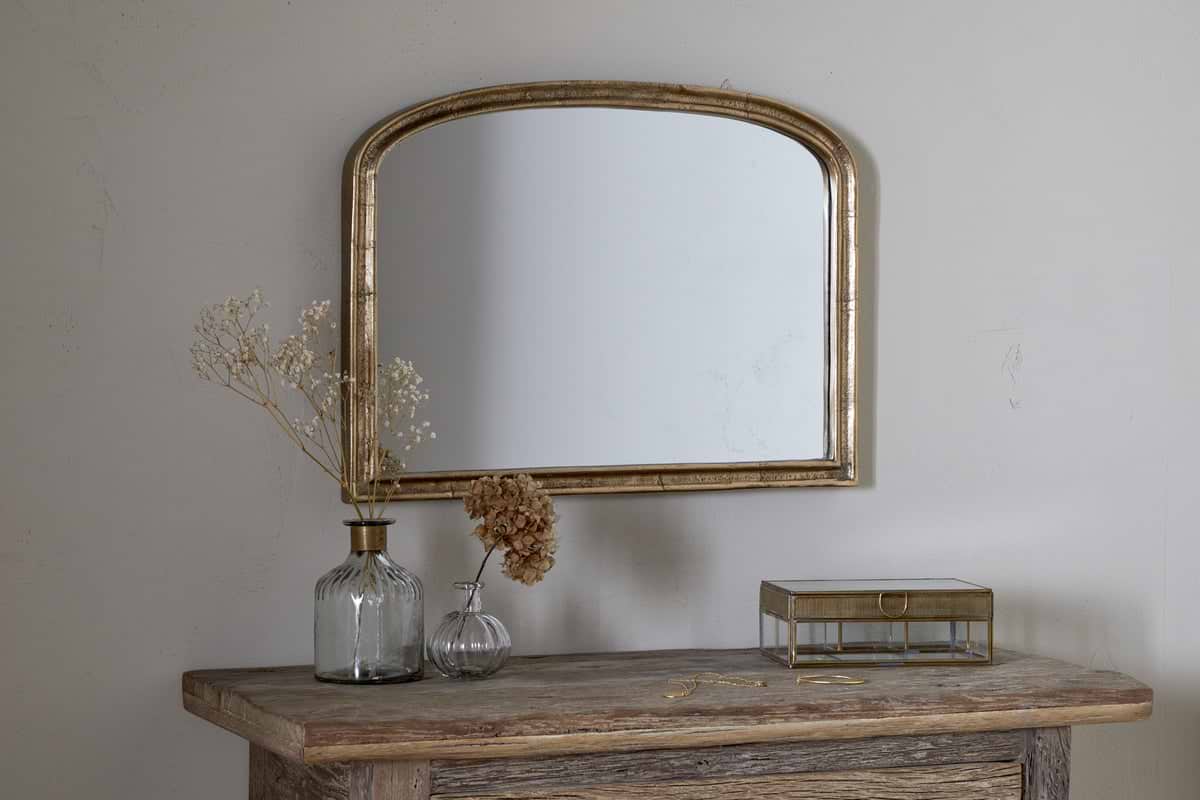
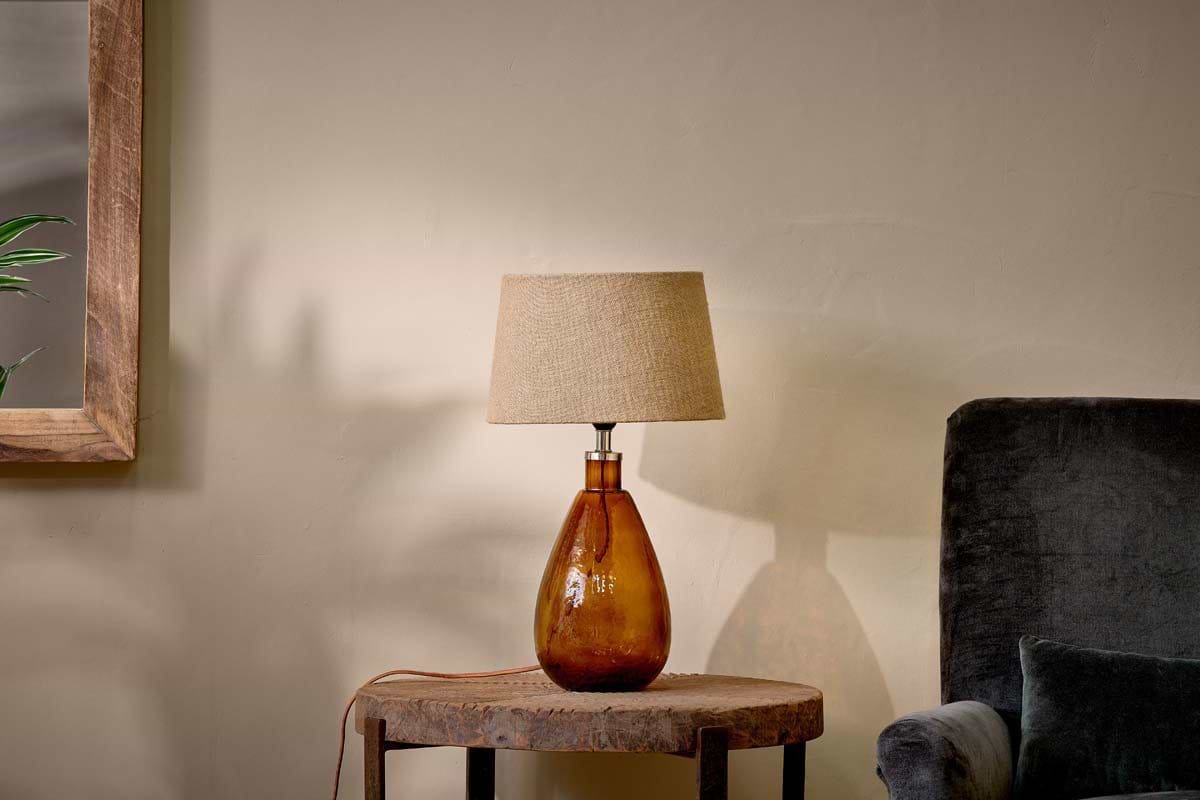
A small mirror and warm glass lamp bring light and calm to a north-facing room.
Some links above are affiliate links. If you buy through them we may earn a small commission at no extra cost to you. We only suggest pieces we think fit a calm, lived-in home.
Free guide
The Calm Shelf
12 styling ideas to help you compose calm, balanced shelves in natural texture homes.