
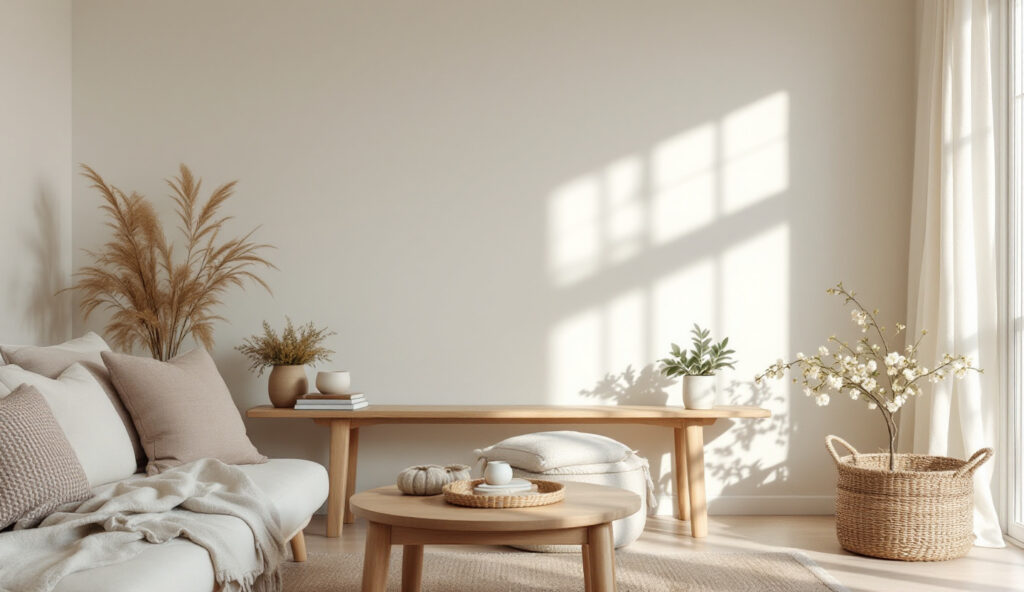
Setting up a black light room often brings the worry that the space will end up looking harsh or feel more like a theme party than a calm corner at home. For many renters and homeowners, the line between moody and messy can get thin fast, especially with awkward layouts, odd corners, or rental paint that limits your options.
Today, you’ll see how to shape a cosy, atmospheric glow, choosing what to highlight and what to hide, layering textures, and picking the right kind of UV lamp to blend with real-life rooms. This works especially well in a small bedroom when there’s not much natural light because you can use the dark to soften edges and let every object count.
The short version: A black light room feels cosy and atmospheric when you use soft textures, subtle placements, and focus the glow on just one or two accents. Instead of creating a harsh nightclub effect, this approach gives you a gentle, layered light, calm, grounded, and surprisingly practical for evening routines.
Key takeaways
- A calm black light room keeps the focus on one statement object instead of spreading UV light everywhere.
- Soft natural textures like linen and jute absorb extra UV glow and make dark corners look softer.
- Slim LED bars and USB-powered strips are best for rentals and small spaces.
- A black light works best when paired with a warm bedside lamp or candle for balance.
- For most setups, one or two blacklights is enough, too many can make a room feel busy.

What is a black light room and why does it appeal?
A black light room uses UV lighting to make some objects and surfaces glow gently in the dark, creating a distinctive mood unlike regular lighting. The soft, unusual glow draws the eye, setting an atmosphere that feels different from daytime rooms.
Rooms with a black light have long been used for visual stimulation, especially in therapy and sensory spaces, according to Experia. At home, people are drawn to these spaces for the same reasons, a black light changes how everything looks, shifting focus and giving everyday corners a new feel.
The effect usually appeals to those who want something beyond plain LED brightness or basic mood lamps in the evening. A black light’s gentle glow can highlight a piece of art, make simple textures stand out, or add just enough drama for winding down without the usual glare. Unlike a regular lamp, it doesn’t fill the room with even light; instead, it singles out certain shapes and colors, creating a soft, interesting contrast that’s easy on the eyes after dark.
One practical reason renters and homeowners like it: black light setups can be put up or taken down without much work, and most options don’t require any wiring or drilling. The flexibility makes it easier to experiment, adjust, and find a clean look that isn’t permanent.
Place a UV lamp beside the bed or sofa, focus the light on a textured throw or small poster, and the entire space feels quieter right away.
Where this works best
A black light room works best in bedrooms, media rooms, or unused corners where natural light is already dim. The quiet setting lets the UV glow show up clearly and keeps the mood soft, not harsh.
Bedrooms and dens are often where black light setups feel most at home. These rooms already invite lower lighting, privacy, and slower routines, making them perfect for gentle, atmospheric effects. An awkward-shaped nook or an unused reading spot gets interesting and useful when you focus the UV there, turning a dead corner into a quiet highlight zone.
Try a gamer room or hobby space, too. Getty Images photographs show the black light used in creative setups, gaming desks, vinyl displays, even small laundry nooks where fluorescent accents double as practical guides at night. The key is avoiding bright, open rooms where sunlight or overhead lights wash out subtle UV glows.
Avoid putting a black light in kitchens or busy hallways unless you plan for small-scale accents only. The clash between functional task lights and the black light’s odd glow can feel jarring, making neither light work well. Instead, stick to rooms meant for relaxing or winding down, where mood lighting feels natural and doesn’t compete with everyday traffic.
Adding a UV bar under the edge of a bedside table or behind a lounge chair highlights the soft shapes there, making a forgotten spot practical and visually interesting after dark.
How do you avoid the party room look?
You can keep a black light room calm by limiting neon accents, using one focal object, and mixing in soft, matte textures that don’t reflect too much UV. Fewer glowing items make the atmosphere restful instead of busy.
The fastest way rooms lose their cosy feel is with too many fluorescent colors. A stack of neon posters or several glowing accessories turns the space into a party setup, competing for attention and quickly feeling cluttered.
Matte surfaces, linen pillowcases, unglazed ceramics, or chalked woods, absorb stray UV and make the light gentler. In contrast, shiny plastics and glossy artwork bounce the light back, pulling the eye in every direction. If most surfaces stay soft and touchable, the one glowing object will stand out without shouting.
Big contrast: compared to a wall filled with bright paintings, a slow approach (one black and white print, one neon textile accent) looks calm and layered. Focus on a single area, such as a throw pillow or a detail on a nightstand, so the glow stays an accent, not an overload.
Place one small fluorescent bowl or one stitched textile under the UV for a steady focal point; the rest of the room stays dark and supportive, an atmosphere for reading or winding down, not distraction.
Which black light source is right for your room?
A blacklight LED bar or USB-powered strip works best for most bedrooms and small living rooms because it’s easy to move, hides neatly, and spreads a gentle glow. Bulbs tend to spotlight one area, while bars tuck behind furniture for softer effects.
There are three main types of black light: LED strips, bars, and standard bulbs. LED bars and strips are now widely used, as seen in popular black light products, they’re slim, cool to touch, and can plug into any USB charger or power brick, making them renter-friendly and easy to swap out.
Bulbs work for a classic desk lamp effect and can be screwed into a nightstand light or reading lamp, but their UV glow is usually more focused and sometimes too intense for a soft mood. Larger, party-style bar lights can fill a whole room fast but easily overwhelm a narrow or oddly shaped space.
Compared to plugging in a disco ball, using a single USB-powered bar behind a linen-draped headboard or floating shelf keeps the look clean. You get glow without visible cords or harsh shadows.
Place LED strips under the bed base or along a bookcase rail for a subtle, indirect glow, the light bounces softly off the wall or floor without blinding the rest of the space.

Styling and placement
The best styling for a black light room centers on one textured object, linen, jute, or unglazed clay, set right where the UV catches it. Keep the rest of the shelf or table spare to avoid crowding the effect.
Styling starts by choosing your focal point. Unlike regular decor, you want most surfaces blacked out or left matte, so the bar or bulb only brings out detail in one chosen piece. Placing a jute basket or an unfinished wooden bowl along the light path creates a warm, tactile spot; everything else should fade back.
Spacing matters even more here. Too many objects close together under UV light will blend into a visual mess. Compared to a daylight shelf, you want more empty space, the materials alone shape the mood, not the number of items. Keep at least half the visible area clear for the glow to “breathe.”
Palette: keep bright or fluorescent colors to a minimum, and avoid clashing neons. Choose one shade, like a cool blue or a soft pink, then repeat it once on a decorative detail if desired. Plain, natural colors for everything else keep the mood grounded.
Quick calm checklist:
- Pick one matte, natural object as a UV focal point (linen, jute, unglazed clay).
- Leave wide space around glowing pieces; at least half the shelf or table should be empty.
- Stick to one fluorescent accent per room so the effect stays special, not crowded.
- Hide cords and bulbs behind furniture or place light below eye level for softer glow.
- Keep the palette muted outside your chosen accent, creams, blacks, gentle grays.
Lay a simple linen runner on a side table and direct the UV strip under its edge. This way, the texture glows gently and the corners soften, grounding the look in natural materials.
What materials give the best glow and which do not?
Fluorescent paper, some paints, and white textiles glow most brightly under UV light, but natural materials like jute and unfinished linen help control harsh brightness. Shiny plastics rarely look good in this light, they catch glare and feel cheap.
Pinterest rooms consistently use neon wall art, glow-in-the-dark posters, painted accents, and graphic bedding, but leaning on these too much can tip a room toward teenage or party themes. A linen throw or pale-hued basket, by contrast, softens both look and feel, the fibers absorb the glow, so brightness stays even and easy on tired eyes.
Some objects, like glossy vases or plastic storage bins, often go harsh and uneven. Compared to a rough-weave clay bowl or a natural cotton mat, shiny items reflect more UV and will stand out for the wrong reason: they look out of place and can break the mood.
A practical tip: most highlighter pens, craft paints, and synthetic neon fabrics will glow but may also stain or fade quickly if overexposed. Soft, absorbent materials give you the effect without the wear.
Add a white linen pillow to a reading chair and watch how just the edges pick up the UV, lighting up the weave without making it garish.
| Material | UV Glow Strength | Best Use |
|---|---|---|
| White cotton/linen | Soft, diffuse | Bedding, pillowcases |
| Fluorescent paint | Very bright | Small accents, art |
| Jute/rattan | Muted | Baskets, mats |
| Glossy plastic | Harsh, uneven | Generally avoid |
| Glow-in-the-dark decor | Variable | Accent pieces |
For more inspiration, see Pinterest ideas for UV accents staged with calm, layered textures.
How can you mix UV and regular lighting for a calm mood?
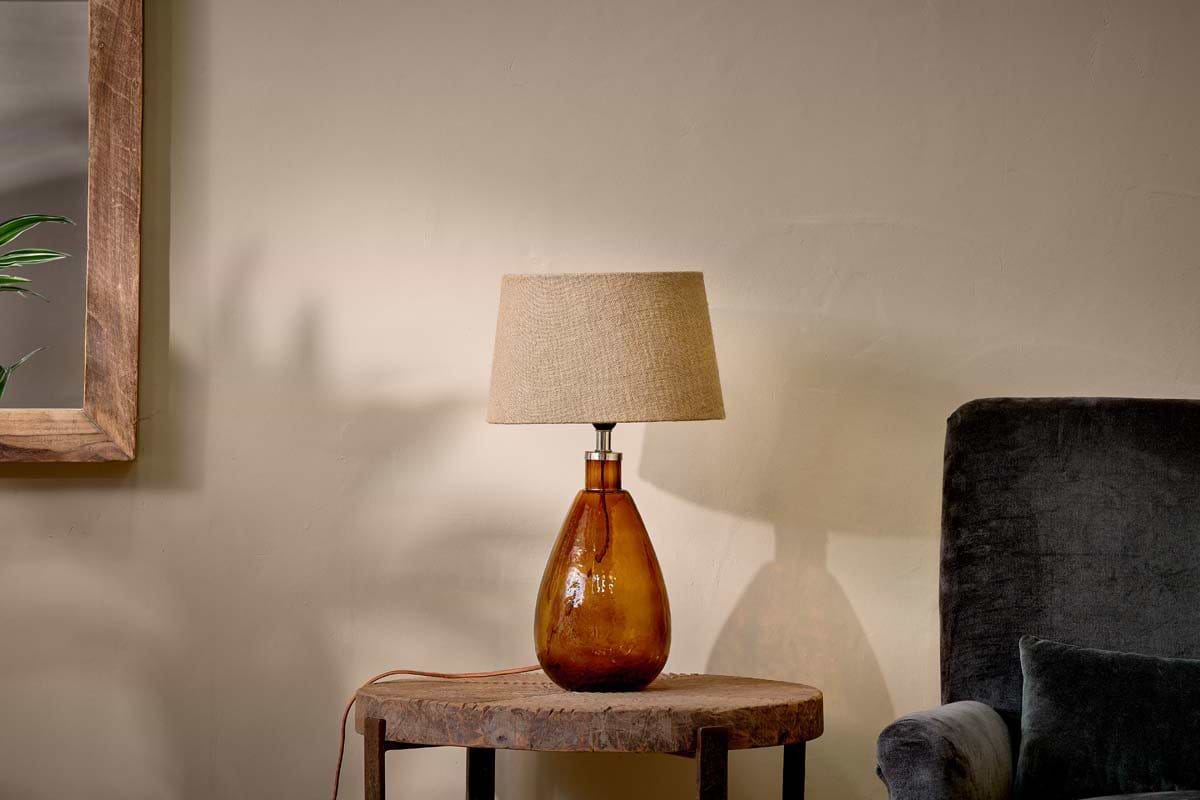
The most restful black light rooms always pair UV with low, warm lighting, like a bedside lamp, candle, or soft LED. This prevents the space from feeling empty or cold once the UV is on.
Switching off every regular bulb for maximum glow can make rooms look stripped and empty. Instead, leave one or two warm, dim sources running in the background, think a low table lamp, a salt light, or battery tealights. These lights soften shadows and add depth the black light can’t give alone.
Unlike harsh overheads, warm accent lights blend with the UV, helping faces, books, and wood details stay visible without overwhelming the effect. If the entire room glows blue-purple, it can feel artificial, regular light restores the balance and keeps the look welcoming instead of novelty-driven.
For a softer shift, layer a textured lamp base or a faded ceramic beside the UV source. A cotton throw placed behind a glowing bowl absorbs just enough light to keep things restful, while still showing off the mood lighting.
Add a single low-wattage lamp on a dresser, leave it on with the UV after dark, and the change in atmosphere makes the routine feel special without losing comfort.
Most people realise something is off when the room feels more like a temporary setup than a lived-in space. Maybe the newly installed UV makes everything too bright, or the glowing corners show every messy detail, rather than calming them down. It’s usually the busy, over-lit look, too many glowing objects, mixed with shiny plastics, or random placement, that keeps the room from working for rest or reading.
The practical shift comes in limiting the focus: choose one spot (a chair, a poster, a shelf edge), keep the palette trimmed, and anchor the rest with matte textiles and soft baskets. Just a small adjustment in placement and choice of material can turn the harshness into something grounded and actually soothing.
Often, the room feels heavy or unfinished because too many objects compete under the black light, or there’s no warm lamp left to balance the color. Instead of inviting quiet, the space looks busy and unsettled, a common slip that leads people to pack up their UV bars or hide them in a drawer.
Once you reduce the number of glowing accents and soften the surfaces, the mood shifts: surfaces feel touchable, colors stay calm, and the light does the job it should, highlighting, not overwhelming.
Save this idea for later.
What tends to hold up with styling a black light room
One pattern that comes up again and again is the value of restraint, decorators, reviewers, and even product designers suggest using fewer fluorescent objects, not more. Even just two or three well-chosen UV aspects hold people’s attention longer than a full wall of glow-in-the-dark posters or painted stripes. Matte surfaces age better and show less wear, especially in rental flats, while soft baskets and unfinished clay bowls almost always catch the right glow on camera and in person.
Layering in calm, natural elements alongside the UV helps keep the effect grounded, linen holds up under repeated exposure, and small jute details hardly ever catch dust the way synthetics do. No single approach fixes every problem, but almost all successful black light rooms depend on careful placement, simple palettes, and the quiet confidence of letting some corners stay dark.
, Mara, Loom & Glow
Common questions
What is the difference between a black light and a glow-in-the-dark material?
A black light gives off ultraviolet rays that make certain objects fluoresce, while glow-in-the-dark materials store light energy and shine after lights are off. Both can create a glowing effect, but the sources and appearance are different. Combining them can give more layered lighting at night.
What are some stylish, non-party ways to decorate a room with black lights?
Use natural materials like linen, jute, and unglazed ceramics as UV focal points, and limit fluorescent colors to one area. Place a black light behind or below furniture, then style with textured throws and one accent object. Keep bright whites and neons to a minimum for a more grounded look.
Can I use my phone’s flashlight as a black light?
No, a standard phone flashlight does not produce UV light and cannot create a true black light effect. Black light bulbs and bars use special diodes or coatings to emit ultraviolet light, which is needed to make certain colors and materials glow visibly in the dark.
How do I calculate how many black lights I need for my room?
For most bedrooms and small living rooms, one or two black light sources is enough to create visible glow without overwhelming the space. Large or open-plan areas may need more, but spreading too many can create a busy feeling. Small rooms benefit from focused placement and restraint.
Explore more calm combinations inside our Shop The Look .
Shop the Look
A few Nkuku pieces that suit a low-lit, atmospheric room.
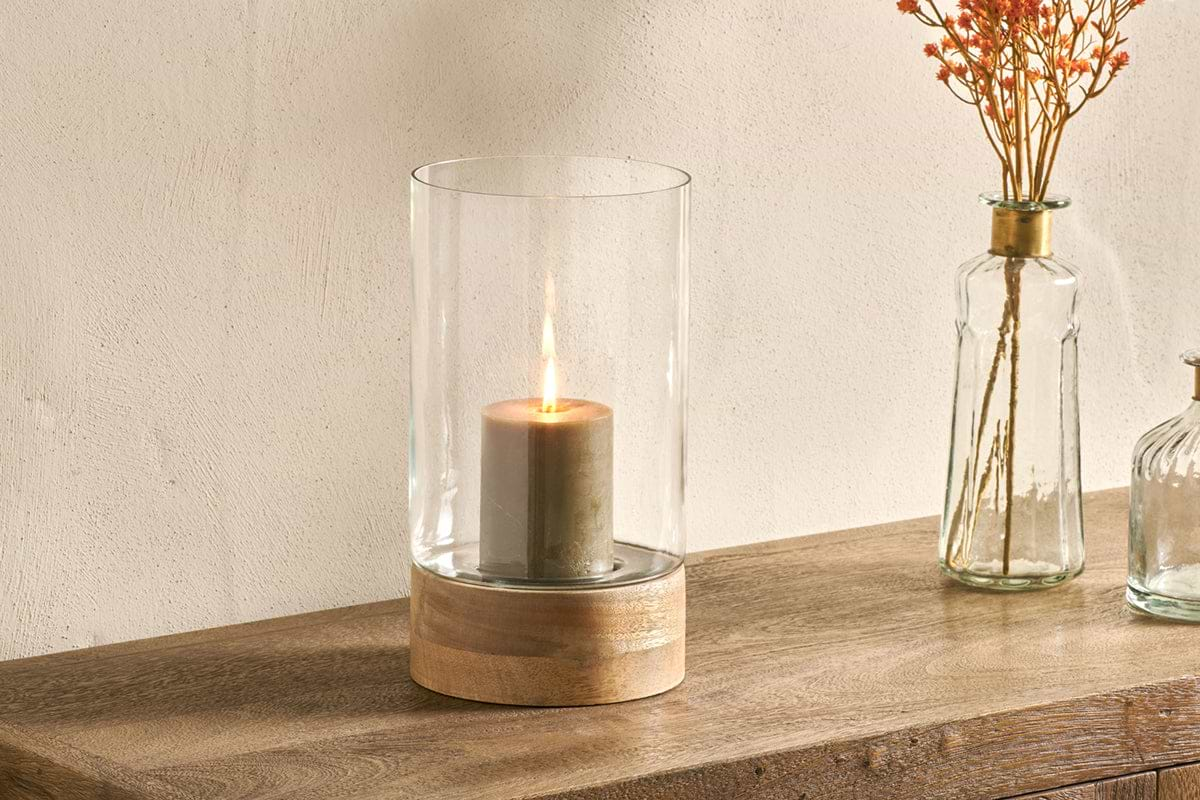
Idha Hurricane Lantern
Straight-sided glass, for candles indoors or sheltered patios.
View at Nkuku →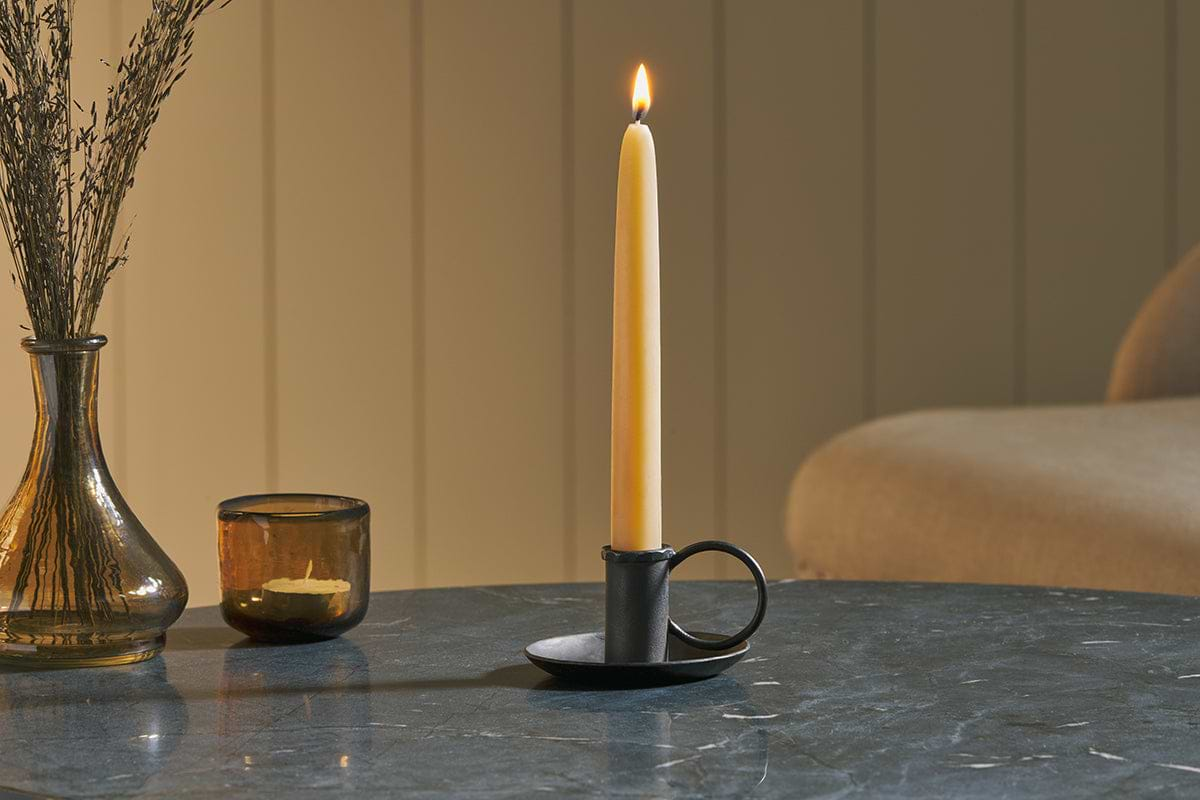
Amri Iron Candlestick
Slender iron with quiet presence, works alone or in clusters of three.
View at Nkuku →Some links above are affiliate links. If you buy through them we may earn a small commission at no extra cost to you. We only suggest pieces we think fit a calm, lived-in home.
Free guide
The Calm Shelf
12 styling ideas to help you compose calm, balanced shelves in natural texture homes.