

Many renters love the dramatic mood of a dark brick wall, but the space can quickly feel gloomy or rough, especially in small living rooms or bedrooms with little daylight. Even with careful furniture choices, the wall sometimes dominates, pulling the room toward an industrial or cluttered look that is hard to soften without knocking down walls or starting fresh.
But you don’t have to renovate. Using only styling and subtle material shifts, you can bring out the warmth and depth of old brick while making the room feel lighter, less heavy, and easier to live in. This works especially well in a small apartment living room when there’s a single, moody brick backdrop because every piece you add or remove shapes the way light, shadow, and texture play across that surface.
The short version: A dark brick wall looks lighter and more welcoming by adding warm, textured materials, pale accents, and simple forms, no renovation needed. Focus on soft lighting, one or two natural fibers, and a pared-back palette. You change the mood most by adjusting texture, contrast, and where your eye lands.
Key takeaways
- A dark brick wall often reads as heavy when paired with sharp or shiny surfaces.
- Layered textures like linen, rattan, or matte ceramics soften the industrial edge and brighten the mood.
- Warm light, especially from low-glow lamps, lifts brick’s color without fighting its character.
- A single, calm focal point draws focus away from stark grout lines or uneven brick tones.
- Over 55,600 stock photos feature the dark brick wall look, showing its wide appeal (source).

Where this works best
A dark brick wall works best in rooms where you can control the palette and reduce clutter, especially when daylight is limited or rental rules prevent painting.
Living rooms with a single brick wall or bedrooms where one end is covered in old, dark masonry can feel dramatic but hard to relax in, especially if windows are small or face away from the sun. Many renters or urban homeowners see the brick as a feature but struggle to soften its chilly look without major changes.
In these rooms, layering in soft, large pieces, like a natural jute rug underfoot or a linen curtain that filters light, shifts the feeling. Instead of small, scattered decor, bigger, fewer things in natural tones prevent the background from feeling cluttered or cold. Using pale woods or a light clay vase on a side table helps break up the darkness visually.
Avoid adding heavy leather furniture or shiny black metal against a dark brick wall, as this only doubles down on the industrial feel. Instead, reach for softer forms and textures, like a round woven tray or a pale wool throw, to ease the edge and draw attention to the gentle side of the brick.
The best rooms for this method are those that don’t get much sun or where the wall is truly the anchor, because any bit of styling reads more clearly against all that depth and texture.
Why does a dark brick wall feel so heavy?
A dark brick wall feels heavy because the uneven surface, rough texture, and deep grout lines absorb light instead of bouncing it around the room.
When a wall is built from dark brick, especially with dark grout, it takes up more visual “weight” than a painted surface of the same size. The shadow lines between bricks and the grained, sometimes dirty look of old masonry pull your eye, making the rest of the space look smaller or less open. This effect is even stronger when there’s little daylight or lots of dark furniture packed closely together.
Unlike a smooth pale wall, a dark brick wall is always the main event unless you blunt its impact. A room with lots of little things, mementos, knick-knacks, or mismatched frames, reads busier and busier the more you fight brick’s shadow and pattern.
Many struggle with the “visual weight mistake“: piling on more dark or shiny objects in an attempt to distract from the wall, which just adds to the crowded feeling. Using lighter, softer pieces lets the eye move and gives the brick a sense of order.
Brightening up a heavy-looking room often starts with removing visual bulk, not adding more: fewer, larger calm shapes against the roughness, and pockets of open space.
How can you use lighting to change the mood?
Warm lighting close to the brick lifts color and softens harsh shadows, making a dark brick wall feel alive instead of gloomy.
In any room with a dark brick wall, overhead lights can make the surface read as flat or even harsher, highlighting every pockmark and rough seam with hard shadows. Swapping ceiling bulbs for soft-glow lamps at table or floor level gently spreads light across the brick, letting its natural color and depth show through.
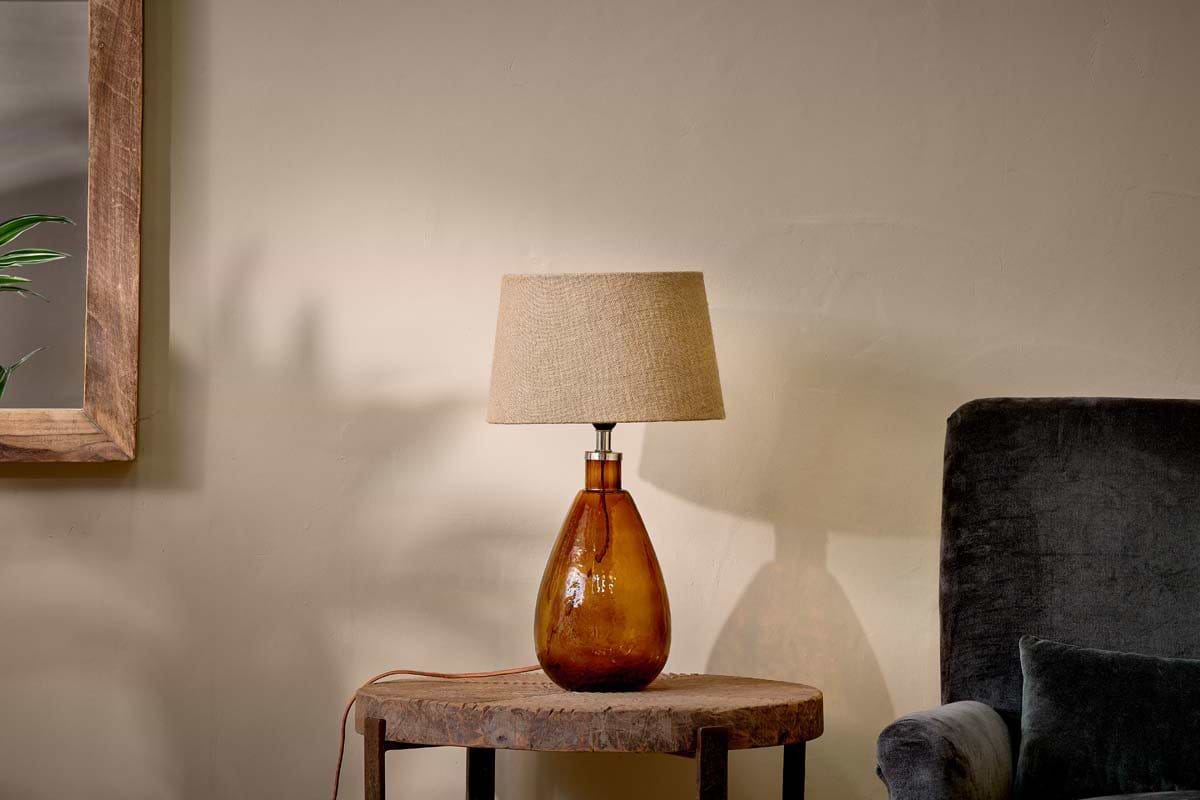
Lights with warm bulbs (those that look gold or soft white, not blue) work best. They pick up the reddish, brown, or even purple undertones common in brick, pulling them out of hiding. Using a lamp with a fabric shade diffuses light, so you avoid bright spots or patches.
Compared to a single bright ceiling bulb, scattered smaller lights make the whole wall feel less monolithic. A bare wall under spotlights seems even more severe; instead, let the light wash from beside a sofa or behind a low shelf.
A room’s mood changes immediately with these small shifts, edges soften, colors open up, and the space feels more cared for and less like a storage basement.
living room ideas for dark rooms can provide further visual inspiration for this approach.Styling and placement
Simple, intentional styling and smart placement can turn a dark brick wall from a visual weight into a calm backdrop.
Start by picking no more than two or three main materials, think pale wood, rattan, linen, or heavy wool. Spread them across your main furniture and one or two well-chosen accents, not all over the place. Try a wooden bench with a light woven basket beneath, or a matte pottery lamp at sofa height for gentle balance.
Keep the palette neutral and soft; one or two pale or creamy tones stand out beautifully against the depth of brick, without fighting it. Place a rounded, simple object, like a clay bowl or a stone tray, on any hard surface nearby. Unlike thin, glassy pieces, these absorb and reflect just enough light to take the edge off the wall’s ruggedness.
Avoid scattering small decor along the brick (tiny frames, stacks of books, random keepsakes); a bare patch with one statement piece feels calmer and lets the brick’s character breathe. A large, pale textile hung nearby works better than a collage of mini prints, as it gathers attention in a single sweep.
Quick calm checklist:
- Pick two main natural textures (linen, rattan, wood, wool).
- Leave most of the brick wall clear, avoid crowding with lots of small decor.
- Anchor the eye with one large, pale piece nearby (lamp, art, or textile).
- Repeat one shape or material at least twice within view for quiet rhythm.
- Keep the color palette simple, no more than three soft tones off-white, sand, pale brown, or clay.
Styling works best when every object feels like it belongs with the brick, not in competition with it. With placement, less really is more.

What’s the smartest way to add texture?
The simplest way to warm up a dark brick wall is by adding a large, plain-texture textile, like a soft linen throw or a flatweave wool rug, close to the surface.
Texture makes the difference between a brick wall that feels cold and one that draws you in. Where exposed brick can look harsh, a single understated rug or oversized woven basket nearby adds a visual buffer, breaking the pattern of grout and stone. Pale, flat fabrics reflect just enough light to brighten the area without calling attention to themselves.
Unlike glossy ceramics or shiny metal, fabrics with a matte or nubby finish, linen, soft cotton, chunky wool, catch gentle light and soften the edges of the wall. Pinterest boards for interior brick wall ideas often use layers of cozy textiles and rough wood for this reason, letting brick feel relaxed but not fussy.
A smart principle is to keep just one or two textured pieces near the wall and repeat the effect elsewhere, like a pair of cushions that match the shade of a basket, or a flat rug echoing the tone of a simple stool. Even in a tiny rental, one large woven basket beneath a console does more than a row of smaller, colorful bins.
| Material | Sensation | Effect on Brick |
|---|---|---|
| Linen | Light, matte, subtle | Softens, lifts, stays quiet |
| Jute | Textured, earthy | Grounds the area, adds warmth |
| Glossy metal | Shiny, cold | Sharpens, makes brick harsher |
This approach is gentle, choose large, low-contrast textures and let them sit simply, so the brick can show its best side instead of reading as cold or cramped.
decorative wall shelves become an opportunity to showcase chosen textures in a small, neat zone.How to fake a dark brick wall if you can’t renovate
Renter-friendly options like black brick wallpaper, thin brick slips, or simple painted finishes create the look of a dark brick wall with minimal commitment.
Those who rent or hesitate to remodel still have strong options. Modern black brick wallpaper, available in realistic 3D-effect prints, sticks directly over painted walls and peels cleanly when needed. Look for versions with matte finish and uneven shading to mimic true aged brick.
For semi-permanent needs, thin brick slip cladding, like Gothic Black models, sticks with adhesive and is used widely in feature backgrounds. Veneer options come lighter and thinner than true masonry, making installation and future removal less disruptive. Both tend to suit main walls in living rooms, especially behind sofas or media units.
Painted brick is the simplest hack, but avoid high-gloss paint, which makes “bricks” look fake. Instead, sponging or dabbing matte charcoal over a pale wall creates depth and prevents a flat, two-dimensional look. Most wallpaper and slip systems are also more cost-effective than true brickwork, black brick veneer usually costs less than natural stone cladding.
Having a rental-friendly surface encourages experimentation, so you can try different room setups without worry or long-term changes.
how to lighten a dark room with no natural light provides more tips for rooms where adding real brick or cladding isn’t feasible.What changes with one calm focal point?
A single large statement, like a simple art piece in a light frame, anchors a dark brick wall and gives the eye a place to rest, making the room feel clear and open.
Many rooms with brick walls feel unfinished because there is no visual “landing spot”, the gaze skips across busy lines and varied tones. Placing a large, plain artwork (for example, a pale canvas or one simple print) in a slim, light wood frame sharply reduces visual clutter.
Instead of using lots of little decorations, anchoring one big element absorbs the brick’s drama and makes everything else read quieter. Compared to a series of smaller prints or shelves, one broad, simple shape lets the wall’s imperfections become part of the mood, not a distraction.
Vertical plants in pale pots, like a single tall fern set against the wall, also do this well, drawing the eye upward and breaking up dark mass without the need for renovation. Most vintage clay or ceramic planters look best because they both reflect and diffuse light gently. This method works wherever the wall is long or visually “loud”.
Rooms that use this trick often feel instantly more serene; the brick becomes a backdrop instead of a problem to solve. Where there was once visual noise, now there is a sense of purpose and space.
There comes a point in every project when you stand back and realize the room feels subtly tense or hard-edged, neither cozy nor collected. It’s almost always because the wrong things are fighting for attention, or nothing breaks up all that dark, textured masonry. Suddenly, you can spot the visual confusion: too many little objects, too few open spaces, or light that feels clinical against rough brick.
The simplest way past that frustration is to pick just one focus: pare down, anchor a pale piece, and clear away the extras. When you commit to less, the wall’s mood shifts from tense to thoughtful. A bigger, simpler statement, whether a lamp, art, or pale textile, transforms the whole space, allowing the eye and mind to rest.
Often, people crowd a dark brick wall with small trinkets, gallery hangings, or mismatched chairs, thinking it will break up the mass. Instead, the room quickly feels hectic or even smaller. The mood lightens when you start with a few calm, grounded materials, linen, pale wood, matte ceramics. Light moves, the eye lingers, and the brick breathes. Save this idea for later.
What tends to hold up with styling dark brick walls
In reviewing countless rooms and reader photos, the strongest results come from restraint and patience. Designers and everyday stylists consistently report that working with a dark brick wall pays off when you keep things spare and tactile, not piled with glass or bold primary colors. Brick’s own history shows through best when you let its rough edges and natural flaws set the scene, supported by only a handful of warm, pale, or neutral accents.
Matte ceramic objects, wool throws, and pale wooden plinths show up again and again in guides and reviews, because they ground the space without picking a fight with the drama of the wall. Over time, these choices stay visually calm, even as trends shift or renters come and go, compared to gimmicky or high-shine decor that reads dated or busy after only a season.
, Mara, Loom & Glow
Common questions
Can you get black-coloured bricks?
Yes, black-coloured bricks are made by using pigments in the clay or by applying dark glazes during firing. Some products, such as “Gothic Black” brick slips, are designed specifically for a deep, consistent color. These bricks are popular in modern and industrial interiors for their bold, moody appearance.
How can I make my existing bricks look darker?
You can darken existing bricks with mineral-based stains, masonry paint in charcoal or black, or by applying a dark-tinted sealer. Stains penetrate without hiding natural texture, while paint can mask flaws or color variation. Always test a patch first, as different bricks absorb color in unpredictable ways.
What are the current trends for brick walls?
Current trends for brick walls favor moody tones, reclaimed brick veneer, visible dark grout, and layered natural textures. Matte finishes and minimal styling appear often on Pinterest boards for interior brick wall ideas. People lean toward subtle, rustic looks rather than glossy or over-done surfaces.
Is black brick more expensive than traditional red brick?
Black brick can be more expensive than red brick, mainly due to pigments, specialty manufacturing, and lower demand. Veneer or brick slips labeled as black, such as Gothic Black, are seen as premium choices. Costs can also rise for installation or matching dark grout to complement the wall’s depth.
Explore more calm combinations inside our Shop The Look .
Shop the Look
A few Nkuku pieces that feel at home against a dark, textured wall.

Idha Hurricane Lantern
Straight-sided glass, for candles indoors or sheltered patios.
View at Nkuku →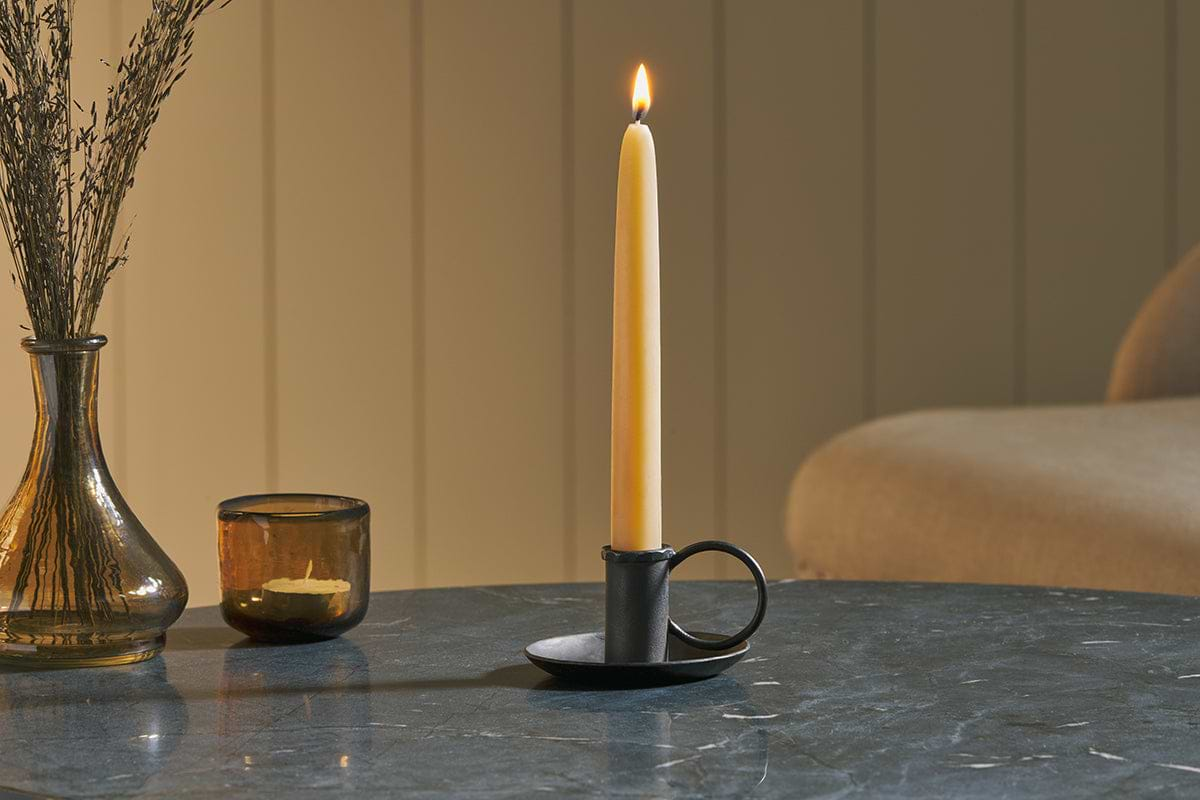
Amri Iron Candlestick
Slender iron with quiet presence, works alone or in clusters of three.
View at Nkuku →Some links above are affiliate links. If you buy through them we may earn a small commission at no extra cost to you. We only suggest pieces we think fit a calm, lived-in home.
Free guide
The Calm Leaf
12 quiet ways to bring dried botanicals, stems, and natural textures into calm spaces.