

Many people try dark bedroom ideas hoping for a cosy, restful space, but end up with a room that feels too small, boxed-in, or hard to relax in. The wrong shade or layout can make an already tight room look heavier and steal what little light there is. This works especially well in a small bedroom with one window when low light is a problem, because deeper tones absorb glare and help you focus on sleep, as long as you avoid clutter and layer in warmth.
Today, you’ll see how to pick the right dark colours for bedroom walls, use textures so things don’t feel stark, and get enough light at night to keep things soothing not gloomy. You’ll find out exactly which steps help a compact space stay calm and what to skip for a more open, breathable look.
The short version: The best dark bedroom ideas for small rooms use deep colours, layered lighting and varied textures to create a restful, not cave-like, space. Small changes, like matte paint, lighter textiles and smart lamp placement, let you enjoy moodier walls without feeling closed in.
Key takeaways
- Dark wall colours in bedrooms feel less heavy when paired with lighter bedding and wood or woven textures.
- Layering two to three smaller lights, rather than one overhead, helps stop a dark bedroom from feeling boxed in.
- Dark wood bed frames need soft, pale throws and linen or cotton sheets to balance their weight.
- Avoid solid-black everything, contrast pieces and touches of gloss lift the mood and keep energy up, according to Hammonds.
- Most small bedrooms benefit from dark curtains that block street light without adding bulk, like dark grey or velvet, which drape softly.
- Why a dark bedroom can actually help you sleep better
- How do you choose the right dark colour for your walls?
- Where this works best
- How to stop a dark bedroom feeling like a cave in a small room
- Layering light so a dark room still feels warm at night
- Styling and placement
- Dark curtains: grey, red or block-out, what to choose and why

Why a dark bedroom can actually help you sleep better
Dark bedrooms support sleep by blocking out excess light and reducing visual noise, which can help you settle faster at night. Calmer, deeper colours on walls make a bedroom feel more private and shielded from outside stress.
If you live near a busy street or share a wall with neighbours, light shades often reflect any glow from outside, making it harder to get deep rest. By using moody tones like navy or deep bottle green, you reduce glare and build a subtle boundary around your sleeping area. This sets a slower pace and helps your body shift into rest mode early on.
According to Bauwerk Colour, layering dark limewash paint with natural timber details is a simple way to soften edges while still keeping the colour deep enough to benefit sleep. The textured wall absorbs both noise and light, so you get quiet as well as cosiness.
Unlike bright white bedrooms (where every surface bounces light back), dark colours for bedroom walls mute that energy. Instead of feeling wide awake if one lamp is left on, you get a room tuned quietly toward evening, even if you share, or have a few light leaks from the hallway. This feels best in city flats or compact homes with thin doors.
Try navy, deep green, or charcoal on the main wall behind your bed. The whole tone of the room shifts enough that even a light sleeper should notice better evenings and easier mornings.
How do you choose the right dark colour for your walls?
The right dark colour for a bedroom is one with subtle undertones, like navy or plum, which reads calm rather than harsh. Picking a matte or chalky paint finish makes the colour sink into the room instead of jumping out.
In a small bedroom, any bold dark shade, whether it’s forest green, deep teal, or charcoal, can pull the walls inward if you pick gloss or a blue-black that’s too cold. These tones work best when you add warmth with a little brown, red or purple underneath.
Good Housekeeping’s roundup recommends plum, navy, and bottle green, with matte finishes so the colour “sits back” instead of making the space feel hard. They show how mixing in lighter, natural elements for bedding or trim offsets any heavy feeling from even the darkest wall.
Unlike pure black, which can show every fingerprint or smudge, these deeper shades are more forgiving and look richer next to wooden floors, a pale rug, or linen curtains. Instead of choosing one overpowering wall, try a soft, nearly-black accent behind the bed, so the room feels less boxy.
A small bedroom handles a deep tone best on just one or two surfaces, paired with lighter details. A matte finish absorbs stray light, keeps the atmosphere soft, and helps any artwork or natural timber stand out.
Where this works best
Dark bedroom ideas work best in small, low-light bedrooms that feel plain or cold with pale walls. These spaces benefit from added depth and a subtle, cosy atmosphere.
Small bedrooms in city apartments or older terraced houses often struggle with awkward window positions or one wall that catches all the morning sun. Applying a deep shade, like navy or charcoal, to the window or bed wall helps calm the glare and gives the room a more cocooned feel. If you rent, dark stick-on panels or removable wallpaper can give a similar mood.
In an everyday setting, deeper colours suit guest rooms, attic bedrooms, or even a shared space where clutter needs hiding. The dark paint brings visual weight to bare, featureless walls, so you don’t have to fill every inch with art or furniture. Pairing a dark wood bed with pale, loosely textured bedding balances the look and keeps one main focus in the space.
Avoid using the same deep colour on every wall and all furniture. This often makes a tight bedroom feel heavier, or like a box, especially if the floor is also dark or there are heavy drapes. If your closet already takes up lots of visual space, break it up with pale wood knobs, a light throw at the foot of the bed, or a clay lamp that catches the light.
Try a single, deeper accent wall behind the bed, lighter curtains at the window, and a small plant or basket to keep some edges soft.
How to stop a dark bedroom feeling like a cave in a small room
A small dark bedroom always looks more open with contrast pieces, shiny finishes, and soft materials against moody walls. Keeping one or two elements light or reflective breaks up the darkness and keeps things breathable.
Small bedrooms take on a boxed-in look fast, especially if your walls, curtains and main furniture are all deep colours. The trick is to keep a soft texture, like a linen headboard or jute rug, visible near any solid surface. A matte navy wall feels less heavy with a pale timber bench at the end of the bed or white, orb-shaped lamps on the bedside table.
Hammonds recommends using reflective materials like a brass tray, a small glass pendant, or even a glossy plant pot somewhere in the room. Unlike wall-to-wall flat colour, these elements catch stray light and stop the space absorbing every bit of brightness. Compared to solid black, navy or deep plum still feel rich but leave the air in the room looking cleaner.
Instead of layering dark on dark, let the eye land on one pale frame, a basket, or a pale rug. Even the smallest change, like removing a heavy mirror from the wall, can make the space feel noticeably less dense. If your dark bedroom feels heavy, rearrange one pale or gloss object so it’s in your eyeline as you enter the room.
For more on which lighter objects help in tight spaces, see the small bedroom layout ideas here.

Layering light so a dark room still feels warm at night
A small dark bedroom feels warm, not dull, when you use several lamps and adjust the height and tone of each. Swapping one overhead light for layered, soft lamps adds comfort and keeps corners inviting.
Most bedrooms come with a single ceiling light, which throws harsh shadows in a moody room. Swapping to two or three smaller lamps, one close to the bed, another on a wall or shelf, spreads warmth and draws your eye into more of the space. Pick bulbs with a warm (amber) glow rather than cold white, so the colour on the walls and bedding comes through softly at night.
According to Hammonds, both layered lighting and using glossy or reflective finishes on trays, lamps, or even picture frames help brighten up a dark bedroom without making the space feel cluttered. Unlike a single central fixture, smaller lights create shadows exactly where you want a restful mood.
For late evening, a dimmer switch or candle in a small glass holder can double as the last, softest layer, bringing out the rich navy, green, or berry hues on walls. Instead of one harsh lamp over the bed, try a combination of side lamps and wall sconces for a calm, even warmth.
To see more pairing ideas for bedding and curtains in dark-walled rooms, browse our grey bedroom palette guide for inspiration.
Styling and placement
Styling a small dark bedroom is much easier when you pick one main focal point, like a bed or feature wall, and keep the rest simple, with just two or three supporting materials.
Each dark bedroom reads differently, but a few rules of thumb help: A dark wood bed stands out best when the bedding is mostly pale and the area around it is clear. Too many patterns, shiny surfaces, or clashing tones can make the room feel busy instead of restful.
Lighter rugs, woven storage baskets, or one stone or clay planter cut through the flatness of a moody wall. Unlike stacked black boxes or all-black bedding, these pieces soften edges and break up the colour field. Instead of lining up decorative items, put one or two near the bed and keep side tables mostly clear.
Clutter is more visible against deep walls, so containers, laundry baskets and open shelves work best if kept low and in soft, textured fibres. If you need extra storage, opt for an ottoman or under-bed container in a linen or velvet finish that blends in but doesn’t flatten the look.
Dark curtain options can be styled so only a band of colour frames the window, letting more daylight in during the day.
Quick calm checklist:
- Keep to three main materials (wood, linen, ceramic) for furniture and accessories.
- Leave at least half your visible surfaces clear, especially by the bed.
- Choose one main wall for your darkest colour, with the others pale or natural.
- Go for a rug or curtain lighter than your walls for contrast.
- Balance any black or navy feature with a pale throw, lampshade or clay bowl.
A simpler arrangement makes small spaces feel more open and keeps the emphasis on rest, not clutter or storage.
Dark curtains: grey, red or block-out, what to choose and why
Dark curtains absorb more light and cut outside glare, but the best for bedrooms are dark grey or deep red, which drape softly and add visual depth without adding too much weight.
Most bedrooms need block-out curtains for sleep, but the colour and fabric change how the whole room feels. Dark grey curtains with a soft texture look less stark than black, absorb streetlights well and blend with a wider mix of bedding and paint. Deep red curtains, especially in velvet, give a moody feel but with warmth, less risk of a cold, flat impression.
The fabric matters more than you might think: thick velvet or heavy-linen falls in rounded folds, making windows feel drawn-in and quieter. Compared to stiff synthetic or slick black-out panels, these fabrics hang more naturally and move with the breeze, so there’s less of a hard edge between the wall and the curtain.
If privacy is an issue but you don’t want full black-out, try a double layer, sheer pale linen during the day, rich grey or red at night. Unlike blinds, dark curtains don’t have visible gaps for light, help with sound, and anchor the wall without making the space feel even smaller. For more see our dark curtain options guide.
Add curtain rods in a matte finish, so they don’t draw focus, and let the main colour frame your view when open, less bulk in the daylight hours.
What tends to hold up with styling dark bedrooms in small spaces
From looking at many finished bedrooms and listening to questions about moodier designs, one core pattern stands out: dark bedroom ideas feel best in small rooms only when contrast and texture are present. Decorators often point to matte walls and natural textiles, like linen throws or clay lamps, as lasting choices because they age gently and don’t go out of style.
Reviewers repeatedly mention that keeping clutter off main surfaces and layering lighting makes the difference between a heavy, closed room and one that feels inviting. Matte finishes get recommended again and again for bedrooms with shared walls, as they help with sleep without catching glare or looking blotchy in low light.
, Mara, Loom & Glow
Common questions
Is a dark bedroom a good idea?
A dark bedroom can absolutely be a good idea for sleep and mood, especially in small rooms. Deep colours block out excess light and reduce distractions. The key is balancing darkness with lighter materials and layered lights so the room feels restful, not confining.
What are the 2026 bedroom trends?
For 2026, textured matte paints, natural wood tones, and moody accent walls lead bedroom trends. Layered lighting and bold drapes in deep colours, like navy, forest green and plum, are widely featured by designers. Lighter, breathable bedding and neutral rugs remain essential for comfort in these spaces.
What colours look good in a dark bedroom?
Plum, navy, bottle green, charcoal and dark grey all look good in a dark bedroom, according to Good Housekeeping’s list. These shades add depth without turning the room cold. A mix of dark walls, lighter bedding, and natural accents works best.
How do you make a dark room look good?
Adding contrasting light elements, varied materials, and several small lamps makes a dark room look good. One main feature wall, pale throws or rugs, and matte finishes soften the space. Avoiding clutter and sticking to just two or three tones keeps things fresh.
do gay bars have dark rooms?
Dark bedroom ideas work best in small, low-light bedrooms by using deep colours like navy or bottle green with matte finishes, paired with lighter bedding and layered lighting to create a restful space that absorbs glare and reduces visual noise for better sleep.
Explore more calm combinations inside our Shop The Look .
Shop the Look
Soft amber light and a textured cushion create the moody warmth that makes a dark bedroom feel intentional rather than dim.
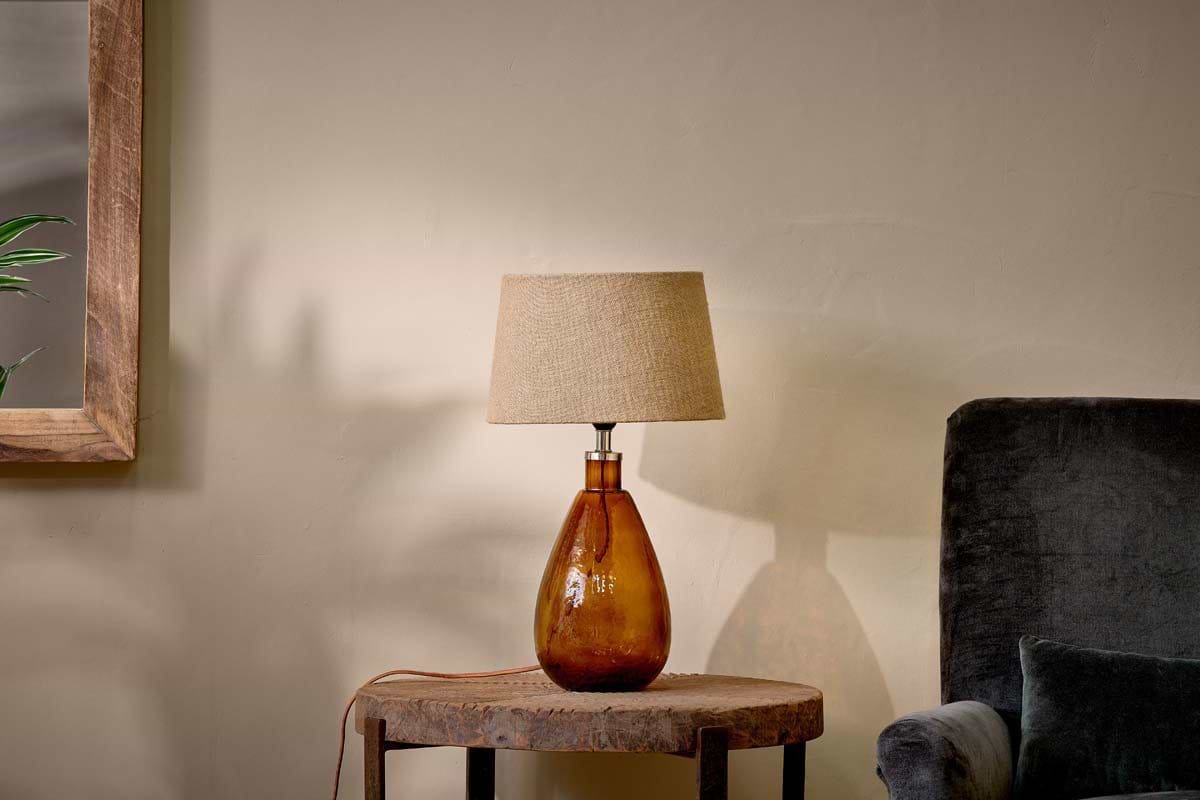
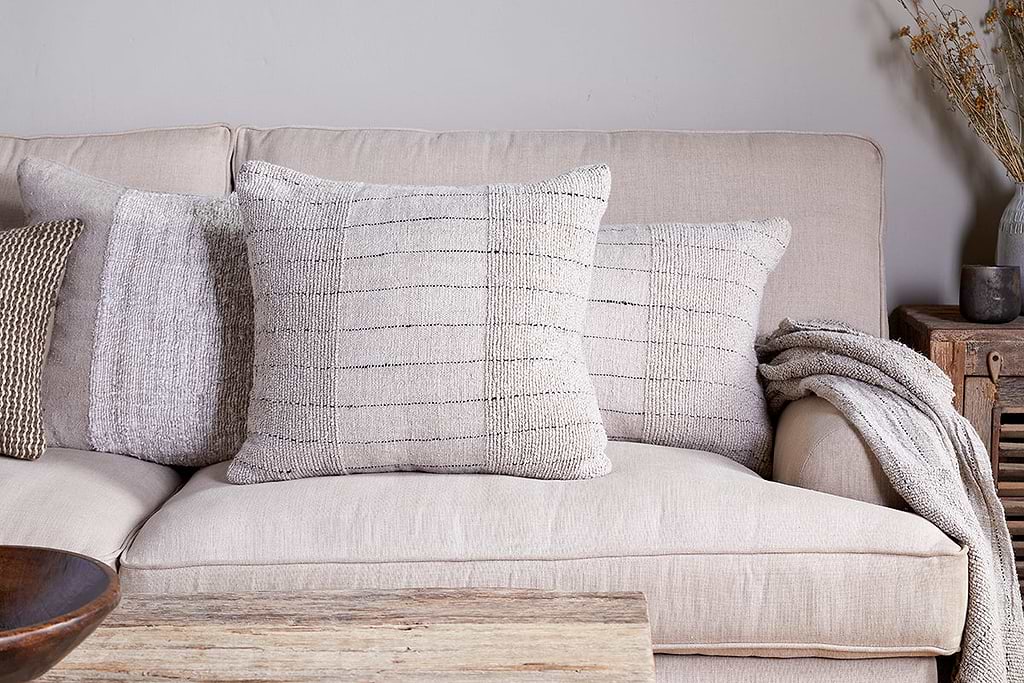
Mayla Cushion Cover
Soft hand-textured cover, instant warmth on linen sofas or chairs.
View at Nkuku →Some links above are affiliate links. If you buy through them we may earn a small commission at no extra cost to you. We only suggest pieces we think fit a calm, lived-in home.
Free guide
The Calm Shelf
12 styling ideas to help you compose calm, balanced shelves in natural texture homes.