

Clutter happens fast in small spaces. Many rustic bedroom ideas seem warm or welcoming at first, but add up to a jumble of wooden pieces, old baskets, and soft things that make the room feel packed. Heavy furniture or too many decorations can swallow the calm, even when you started out wanting clean lines and comfort.
Instead, by making careful choices about what to keep, what to leave out, and how to anchor the room with natural materials, you can build a space that feels quiet and real. This works especially well in a small British bedroom when storage is tight because a simpler, lighter rustic style keeps the room feeling open and easy to live with.
The short version: The best rustic bedroom ideas for small rooms use a few natural pieces, simple textures, and a gentle palette to keep the look calm, not cluttered. By choosing one anchor in raw or reclaimed wood and layering two or three natural textures, you’ll get warmth without weight.
Key takeaways
- A rustic bedroom works best when natural wood, linen, and wool anchor the design and set the mood.
- Layering textures is a main method for cozy depth without adding clutter, according to bydesignandviz.com.
- An earthy colour palette with three neutral shades keeps the mood soft and light.
- Soft, ambient lighting from a table lamp makes a bedroom feel less busy than overhead lighting does.

What is a calm rustic bedroom (and what it is not)?
A calm rustic bedroom uses just a few essential, natural items in raw finishes; overfilling with wooden pieces or old accessories can make the space feel busy and heavy. Start with what you need, not what Pinterest shows.
In a small house or flat, a “rustic” bedroom often means layering wood, vintage finds, and soft light until the room feels more like a display than a space to sleep. A calm rustic bedroom cuts back, one simple bedframe, a basket or two, maybe a handmade ceramic on the table. This keeps the air moving and beds easy to make.
Raw or reclaimed wood, linen, and wool are the starting point for most rustic rooms. When the palette stays soft and earth-toned, the space feels grown up, not themed. A rough wooden bench feels authentic; a set of faux-antique trunks next to a carved lamp starts to look like a prop room.
The shift works because fewer, better materials leave room to breathe. A wall with a raw wood headboard looks soothing; a wall with multiple rough textures clashing can easily overwhelm a small bedroom. A rustic bedroom works best when you balance open wall space with just enough character from real finishes according to bydesignandviz.com.
Place a single wooden anchor, a bedframe or small bench, on the main wall so the room feels calm and grounded, without crowding the corners.
Where this works best
A pared-back rustic look is best for small bedrooms with limited light or storage, because crowded spaces feel warmer when they stay light and open. The fewer objects you use, the more clear the purpose.
Small UK bedrooms, rental flats, or loft spaces with sloped ceilings benefit from a gentle rustic touch. In these spaces, wall space and floor area feel tight quickly, especially when old wooden trunks, chunky side tables, or several baskets come into the mix. The trick lies in doing less, not more.
In these bedrooms, keep the biggest piece practical, a single raw-wood bedframe is both supportive and classic. Keep open shelving to a minimum, and use only what you need to hold bedtime essentials. Bringing in too many wooden pieces quickly says “country pub” instead of “calm cottage.”
Avoid mixing too many styles or collecting vintage items just for effect. Farm tools on the wall or an overload of battered crates turn a bedroom into a display room. Instead, stick to two or three honest, well-chosen items and keep surfaces plain. Place a piece of greenery, like a single potted plant, on a low bench to keep the air feeling fresh.
A carved wooden bedframe on the main wall works especially well near a window, setting the tone and leaving other corners light and open.
How can you use just one wooden anchor piece?
Using one anchor item made of raw or reclaimed wood grounds the room visually and keeps the rustic look from feeling forced or cluttered. Pick something needed, like the bed or a slim bench.
Every bedroom needs a true centre; start with that. For rustic style, a raw wood bedframe or a plain bench at the end of the bed delivers weight and character without adding bulk. In small rooms, skip matching bedside tables, a single wooden stool or low shelf feels less rigid and more welcoming.
Unlike filling the room with several wooden items, anchoring the room with one strong piece lets the texture stand on its own. One raw edge on a headboard draws the eye; four different weathered finishes start to clash. If a bench feels too large for your floor area, swap for a reclaimed wood stool (which also works as a plant stand or book drop).
The charm comes from the piece itself rather than the quantity of wood in the room. Most well-made reclaimed wood benches found online cost about £80, £120, which is comparable to basic retail options but brings real warmth. Place the anchor where it pulls focus on the longest wall.
A simple oak bedframe, paired with plain natural bedding, keeps a small, narrow bedroom feeling restful and open.
How many textures do you really need?
Layering two or three textures, such as linen, jute, and wool, is enough to make a small rustic bedroom look finished but never overdone. Too many textures create chaos rather than comfort.
A room glows when materials do the work. In a bedroom, start by layering a washed linen duvet, a thick wool blanket at the foot, and a single jute rug underfoot. Most rustic bedroom ideas fill beds and walls with throws and baskets, but three main textures are all you need.
Cotton, raw linen, jute, and wool each handle light differently. Linen crumples and softens as you wash it, making the bed feel lived in. Jute rugs look earthy but can feel rough under bare feet; a smaller sheep wool pelt by the bed softens the first step in the morning. A room with only one material, say, all cotton, reads flat. A room with five or six clashes in fabric, baskets, and wall art can look busy.
The “linen, jute, and wool rule” is a guide most decorators suggest as an upper limit for compact, restful spaces. Keep textures simple: one linen bedding set, a jute runner, and one soft wool throw. Too many layers (velvet pillows, rope baskets, seagrass wall art) are harder to keep tidy. See how natural textures change the feel of even the smallest bedroom.
For a layered look, start with linen bedding, tuck a light wool throw at the end, and leave most surfaces clear for an open feeling.

How do you build a soft earthy colour palette?
A rustic bedroom uses a gentle, earthy palette with up to three neutral shades, such as cream, taupe, and clay, so the room stays calm and feels bigger than it is. Softer colours soften shadows.
Colour shapes how a room works, but rustic does not mean brown everywhere. In a small bedroom, start with a wall colour in light oat or cream, then add a clay or olive blanket for a muted accent. According to bydesignandviz.com, a rustic bedroom design should stick to a soft, earthy colour palette.
Keep main surfaces neutral and “dirty” tones, colours that have earthiness, keep the look grounded. Unlike a white-and-blue coastal room, a rustic palette lets the wood shine and the space feel warm without feeling busy. Pops of black or bright orange quickly break the mood and shrink the room visually.
Set your main shade on the bedding, with one deeper colour (like clay) on a cushion or rug, and let the natural wood tie everything together. The three-neutral rule means nothing pulls too much focus.
Layer bedding in soft cream, add a taupe throw, and keep the floors pale, this stays restful in rooms with low natural light or small windows.
Styling and placement
Styling a rustic bedroom means choosing just a few real pieces and giving them space; cluster objects only where you need them, such as beside the bed. Leave flat surfaces mostly clear.
Focus each wall or corner on a purpose. A bedside shelf can hold a single book stack and a handmade clay bowl for small things. An open shelf might carry one straw basket, not three. If storage is tight, use a single woven lidded basket at the end of the bed.
Compared to filling the room with styled objects, grouping a few special pieces creates a mood without visual noise. The trick is to keep tabletop and shelf real estate at least two-thirds empty, so eyes rest between textures and shapes. Try natural wood shelves as a light, open solution in place of heavy bookcases. Soft window drapes in pure linen fall better than heavier, opaque fabrics.
Portable pieces work well in rentals, a jute rug or an old wood chair can be swapped or layered as the mood changes. If you share the room, pick a bench or stool with a visible grain to anchor the shared space, giving both sides a point of calm.
Quick calm checklist:
- Stick to genuine natural materials, linen, jute, raw wood, wool.
- Keep two-thirds of surfaces empty for breathing space.
- Limit the palette to three muted, earthy shades plus one live green.
- Handle storage as display: one handmade bowl, not five knick-knacks.
- Let the anchor piece (bed, bench) set the focus, not the accessories.
Place woven baskets or handmade ceramics on open shelves or next to the bed, then clear everything else for a restful finish.
Why does lighting make such a big difference?
A rustic bedroom feels softer and less crowded when you use warm, ambient lighting from a table or floor lamp rather than sharp overhead fixtures. Soft light erases harsh corners.
Ceiling lights throw hard shadows and make every surface sharper, a common problem in rentals and new builds. Opting for soft, ambient lighting is a principle of rustic bedroom design, according to bydesignandviz.com. Use a lamp with a linen or paper shade, pointing glow upward and outward. Edison bulbs in a frosted glass lamp work for gentle, golden light with no glare.
Unlike the practical LED strip or daylight bulb, warm table lamps make even rough woods and bulky textiles feel quiet. A floor lamp near the bed or window softens shadows that overheads exaggerate, especially at night. Most table lamps for rustic style use a simple wood or ceramic base, with no shiny finishes or metallics.
One lamp does more for mood than three downlights. Over-lighting pulls focus to clutter on shelves and rough edges in plaster or floorboards. Instead, let your lighting highlight texture: a jute rug under lamp glow looks deeper and more inviting, while bright white bulbs wash out those details.
Set a warm lamp on a small wooden side shelf or place a floor lamp just beside the bed for a calm bedroom at any time of evening.
It’s often at night, when you turn off the ceiling light and settle in, that you notice the room feels packed or restless, or even unfinished, with too many objects out on show. Styles that look charming by day can become noisy or closed-in after dark.
The shift comes from picking one anchor, reducing your textures to the essentials, and letting light and space do the work. Once you pare back to the right item, one raw wood bedframe, a wool throw, a wicker lamp, you find the room feels lighter and stays organized. It makes getting dressed, winding down, and sleeping all simpler.
If most homes feel off, it’s because flat surfaces fill up fast, shelves, benches, and bedside tables fill with bowls, books, or trinkets you hardly notice at first. Soon, there’s nowhere for your eyes to rest, and the materials blend into a single dull note.
When you commit to clearing excess items and sticking to three main materials, the bedroom feels clear and you breathe easier. Save this idea for later.
What tends to hold up with styling small rustic bedrooms
Rooms that work best keep their focus on one or two key materials, wood, linen, or jute, rather than spreading out across many types of objects or old finds. Reviewers and decorators note again and again that matte, raw finishes stay attractive and restful even when the room is used daily. Baskets and open shelving should be used sparingly; too much visible storage undoes any feeling of calm.
Texture is vital, but it works best in small doses and with clear spacing between each material. Handmade items, like pottery or a wool blanket, get recommended as true standouts. What impresses over time is not the number of rustic touches, but giving each object room to be seen and used.
, Mara, Loom & Glow
Common questions
How to make your bedroom look rustic?
The best way to make your bedroom look rustic is to use real natural materials like raw or reclaimed wood, linen, and wool in a simple arrangement. Keep colours earthy and stick to a few essentials. Limit extra furniture and leave open space between pieces for a calm effect.
What is a good rustic colour for a bedroom?
The best rustic colours for a bedroom are soft, earthy neutrals like cream, taupe, clay, or old white. These shades help natural wood and woven objects stand out. Pale, warm tones reflect light in small bedrooms, making them feel gentle and welcoming.
What are the golden rules for bedroom design?
Classic bedroom design follows several rules: anchor the room with one large piece, keep colours muted, and avoid overfilling surfaces. Use natural textures, clear clutter regularly, and focus on soft lighting rather than overhead fixtures. Comfort and ease of use matter as much as looks.
What are the 2026 bedroom trends?
The 2026 bedroom trends point to honest textures, fewer decorative objects, and a move toward handmade lighting and bedding. Natural wood, undyed cottons and linens, and pieces with visible aging or patina will stay popular. Customisation is out; simple, lived-in looks are in.
Explore more calm combinations inside our Shop The Look .
Shop the Look
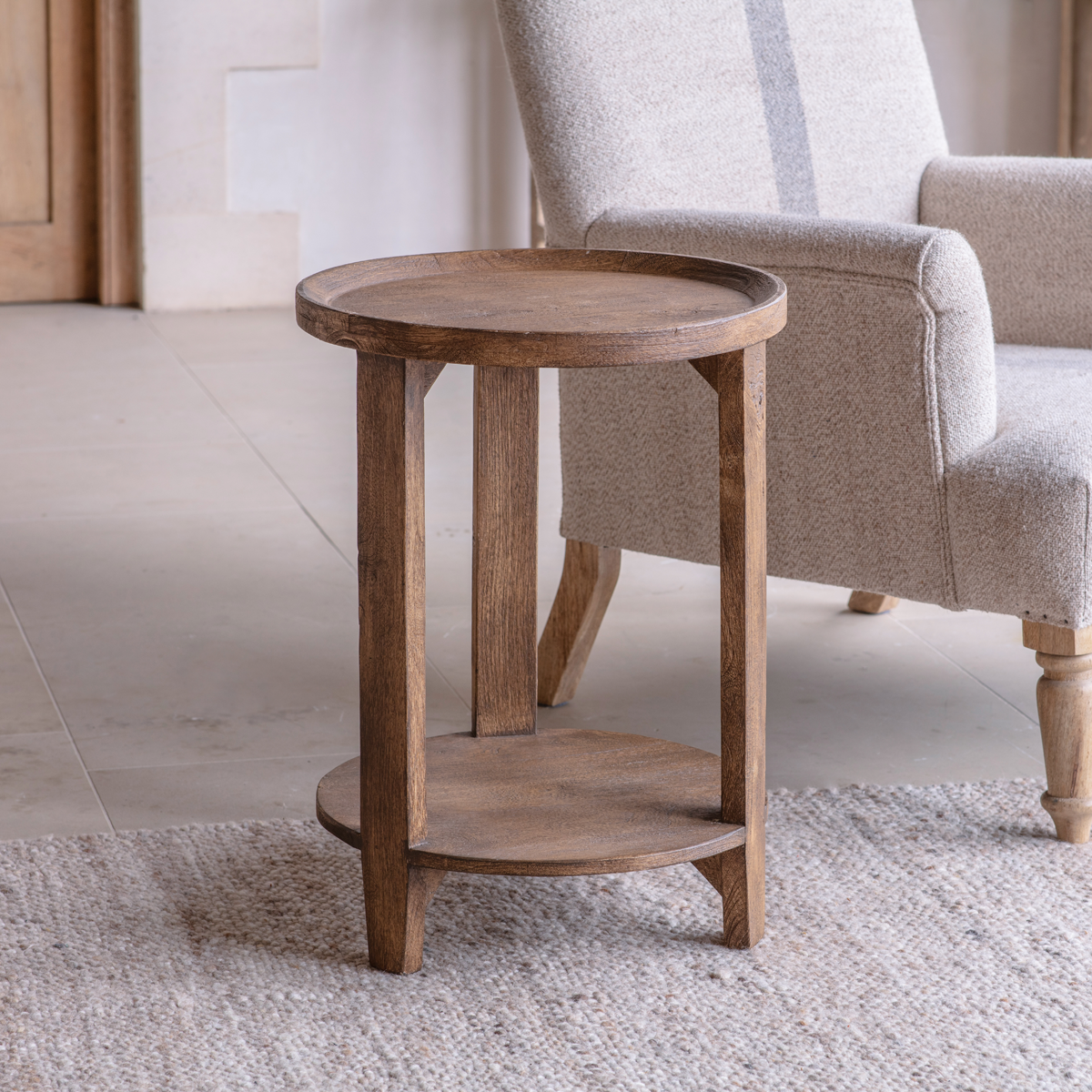
A handful of Nkuku pieces that echo the warmth of natural wood and linen.
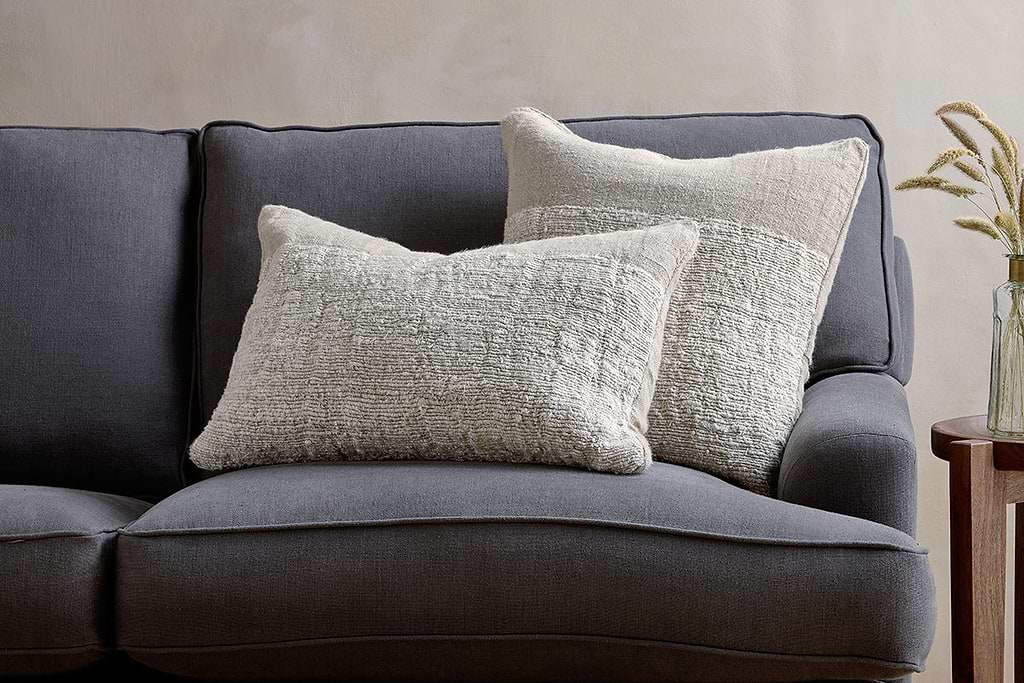
Puli Linen Cushion
Recycled linen in natural, pairs with woven textures and aged wood.
View at Nkuku →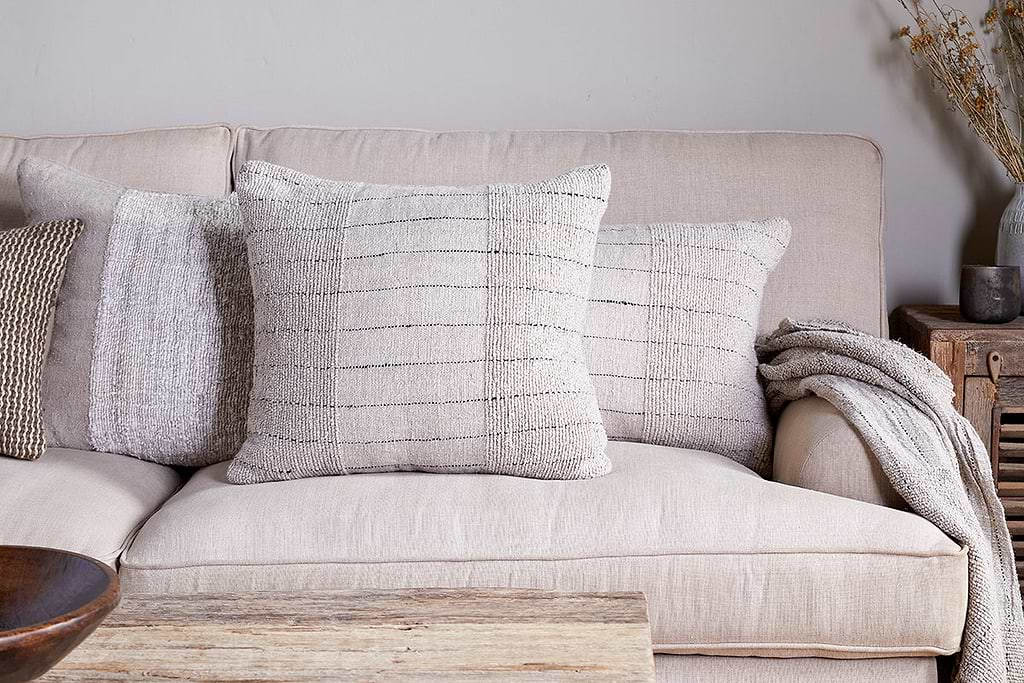
Mayla Cushion Cover
Soft hand-textured cover, instant warmth on linen sofas or chairs.
View at Nkuku →Some links above are affiliate links. If you buy through them we may earn a small commission at no extra cost to you. We only suggest pieces we think fit a calm, lived-in home.
Free guide
The Calm Shelf
12 styling ideas to help you compose calm, balanced shelves in natural texture homes.