

Stacking too many textures can make any room feel unsettled, especially with linen cushion styling on cluttered sofas or beds. Adding jute, rattan, and wood often sounds easy, but ends up looking busy rather than soft. Even one cushion in the wrong spot can throw off the flow in a small living room.
Instead, a clear texture “order” keeps things calm. Today, you’ll sort what stays out, pick linen covers worth showing, and decide what to layer (and what to skip) for quiet impact. This works especially well in a seat-heavy apartment when daylight is low because linen’s matte finish frames softer shapes and soaks up light, not glare.
The short version: Linen cushion styling works when you let linen remain the main surface and layer in just one or two other organic textures, anchoring the palette with pale and earthy tones. A calm, balanced grouping of linen, wood, and rattan sets a softer mood and reduces background noise from clashing detail.
Key takeaways
- Linen cushions feel best when you keep them as the largest shape on a seat.
- The odd-numbers rule for cushions helps arrangements feel finished and considered.
- Layering jute, rattan, and linen works best if you use only one woven accent per seat.
- Neutral tones prevent over-mixing and keep the look gentle, according to cushion styling guides.
- Bolster cushions are easiest to add last, acting as anchors beside wood or woven accents.

How many linen cushions does a sofa actually need?
Most sofas feel balanced with five cushions: two larger linens in the corners, smaller accents toward the middle, and a single bolster for structure.
A typical family sofa, wide arms, seats three or four, often ends up overfilled with mismatched cushions. Too many shapes, prints, and textures pull the eye in every direction and make the sofa hard to sit on. Using fewer, larger linen cushions first calms the background, then lets accent shapes stand out.
A strong rule of thumb, according to a common styling guide, is starting with two large cushions in each back corner, followed by a standard or round bolster cushion at the center. This tiered layout prevents a scattered effect and uses neutral covers to keep the ends grounded.
Compared to a haphazard pile, arranging cushions in odd numbers (such as five) creates a grouped look that feels finished. A lone accent, like a bolster in oatmeal linen, draws the eye forward instead of making the whole sofa look chaotic. Place the two biggest linen cushions on the outsides, then step down to one or two small accent cushions or a round bolster for gentle support.
The 2-2-1 layering rule for calm, not cluttered
The 2-2-1 rule means two big linens, two mid-sized accent pillows, and one bolster or standout cushion to keep things ordered but soft.
This approach, two matching linens, two smaller accents, and one feature cushion, works for most sofas and helps the grouping feel grounded without edge-to-edge stuffing. According to cushion styling guides, odd-numbered arrangements read as more natural and less forced, as the eye prefers seeing groupings in uneven lots.
On a long seat, use two oatmeal or pale cream linens in the corners, add two velvet or cotton accents that pick out a nearby plant or pottery, and finish with a narrow linen bolster in front. Unlike informal scattering, this structure uses the largest piece, the linen cushion, as your “base note,” then accents so the eye finds a clear center.
Grouping this way solves the tendency toward a “pillow mountain” and instead makes each cushion read with intent. Place the two matching linens against the sofa arms, stack the next two at an upright angle, and anchor it all with one soft, cylindrical bolster.
Where this works best
Linen cushion styling works best in living rooms and bedrooms with low shelving, soft window light, and mixed wood furniture.
In a living room, pale linen cushions sit quietly against tan or greige sofas, supporting a jute rug and a clay bowl resting on a low table. Small apartments with narrow room shapes gain the most from a simple cushion order as fewer objects mean more room to breathe and less crowding in the visual field. Layering natural material home decor is gentler when anchored by large linens as a starting point.
Bedrooms with linen duvets, a light wood bed frame, and a single accent chair take well to one or two large linen shapes, plus a bolster or round cushion in earth tone. Daylighting in bedrooms tends to soften the natural variation in linen fibers, which prevents a washed-out look even with fewer colours involved.
Avoid forcing too many cushion types on bench-width window seats, as the line between cozy and cramped is thin. A bare bench near a window reads harder and colder compared to one with a single oatmeal linen cushion and a light basket nearby.
Keep the main linen cushions to the outer corners in living spaces or the head of the bed. Let accent textures, like a rattan tray or woven storage basket, land in supporting roles, not as the main event.
How do you mix linen with pattern without visual noise?
Layer plain linen covers first, then add a single patterned accent, a stripe, subtle ikat, or diamond motif, so the grouping reads clear, not busy.
Pattern mixing is a common way to introduce interest, but too many prints on one seat start to compete, not complement. Guides on cushion styling recommend mixing patterns with confidence, but only in small doses alongside linen basics. This lets any organic home decor detail (like an embroidered motif or an ikat print) sit on a neutral base.
The soft weave and matte finish of linen makes it ideal for holding space as the “quiet” layer. Compared to a velvet or printed cushion right on a polished leather sofa, linen soaks up both light and noise, you see gentle texture, not sharp contrasts. One styled example combines a striped cushion, a cream cushion with an embroidered diamond motif, and a rust and cream ikat-style cushion in the same grouping, creating depth without shouting.
To avoid noise, always start with two or three plain linen cushions as your “ground.” Add a single patterned piece in front or beside one solid, but no more. When styling with jute and linen, repeating the main shade keeps the effect gentle, even as you introduce pattern in a small dose.

Choosing neutral tones that layer instead of compete
Layering linen cushions works best using pale, earthy, or “dull” tones, like oatmeal, soft clay, or faded rust, rather than bright whites or competing colors.
Most neutral home decor ideas center on letting surfaces recede, not shout. A sofa full of crisp white or bold black cushions can look graphic and hard-edged. Using softer, muddier shades (oatmeal, natural flax, muted rust, faded green) keeps the eye gliding from one surface to the next without stumbling.
Linen as a fiber develops “movement” in natural light, fine slubs, color striations, and a dull sheen. Sticking to neutral tones that share an undertone (warm or cool) prevents the layering from feeling polka-dotted or piecemeal. With layering neutrals for soft depth, repeating one base tone in both cushions and throws keeps the palette in check.
Instead of a bright white against a brown sofa, use pale ecru or cream linen cushions, letting lighter details, like a recycled glass vase or woven basket, sit alongside without contrast. Place the cushions where sunlight or lamp light hits gently, letting the textures show rather than the hue.
Styling and placement
The best linen cushion groupings follow three steps: anchor the ends, keep spacing loose, and repeat texture only once.
On any sofa or bed, starting with the largest linen cushion at each end creates a boundary. Gaps between cushions should not be uniform, leave some “air” so the seat doesn’t read like a wall. Use only one woven or rattan accent anywhere in the group to avoid distraction.
Quick calm checklist:
- Use just two or three types of texture: linen, plus jute or rattan, not both.
- Keep palette to three tones: one main, two supporting.
- Leave one third of the seat surface visible (not hidden).
- Mix cushion shapes, square for linen, a single round or bolster as accent.
- Never stack patterned cushions next to each other, break with a solid linen.
Too many surfaces covered means the sofa feels crowded or stiff, especially in a room with limited floor area. A bare couch looks stark, but filling every inch with cushions, especially lots of small ones, closes it in. Placing the largest linen cushions at each end, with the supporting accents (like a woven basket or small throw) close by but not touching, keeps the look open and gentle.
Try linen covers with either a classic zip or an envelope back, they hold their line and resist looking sloppy after use. Place them at the outer edge of the seat or propped at the side of the bed, anchoring other pieces nearby.
| Placement | Best cushion type | Pairs with |
|---|---|---|
| Sofa corner | Large square linen | Woven jute basket |
| Bed head | Lumbar linen bolster | Basket-weave throw |
| Reading chair | Small accent linen | Clay planter or lamp |
Linen cushion styling brings order to gathered surfaces, each piece stands out more where spacing is loose and texture changes read as subtle, not abrupt.
How to switch linen cushions for the season
Switching linen cushion covers with the seasons is simple: add warmth using thicker weaves and earthier shades in cold months, then pale covers and looser weaves when it’s warm.
Colder weather calls for dense-weave linen, oatmeal or deep rust tones, and a layer of wool or basket-knit throws nearby. When spring and summer come, stripping the sofa back to pale linen and swapping in one or two lighter, loosely woven accents keeps things cool and visually lighter. The natural airiness of linen lets you make these changes without sharp contrast.
Unlike heavier fabrics, linen breathes and softens across temperatures, so you keep the same set and only swap covers. Linen cushion ranges on the market, many with ruffled edges or soft fringe, come in grape, olive green, blue, and sun-faded neutrals, so you can rotate tones as the light shifts.
One easy pattern: pale covers and fewer accents in long daylight seasons, deeper tones and a single richer textural element (like a woven tray or lamp) for darker months. For a cozy winter reading spot, pair a basket-knit throw with just two larger linen cushions and a single bolster on each end. See how it pairs with a jute rug living room for earthy, low-key changes.
What tends to hold up with working with natural textures
Sifting through rooms, brands, and reader images, the same patterns keep showing up: linen’s muted finish helps take the glare off bigger open surfaces, and odd-numbered groupings always look more natural than strict pairs. Reviewers often say rattan accents look overdone when doubled in tight spaces; one basket or tray is usually enough.
Matte finishes get recommended again and again for rooms with strong window light, because they don’t bounce glare the way high-gloss surfaces do. Natural fibers, including jute and linen, soften floor and seat edges but only when used as background, not centerpiece. What’s reported most: restraint is the real tool for keeping layered rooms calm.
, Mara, Loom & Glow
Common questions
What is the 2-2-1 cushion rule?
The 2-2-1 cushion rule means styling two large cushions at either end, two medium or accent cushions next, and one standout cushion in the center. This staggered approach keeps things tidy and balanced without looking flat. Most sofas feel more welcoming with this odd-numbered arrangement.
What are the latest cushion design trends?
The latest cushion trends combine natural fibers like linen with textured details, ruffled edges, stick-out piping, and hand-stitched motifs in muted shades. Earth tones, soft greens, and rust remain popular for slow living decor. Woven and organic home decor shapes, such as bolsters and lumbar cushions, are favored for layering.
How do you dress a sofa with cushions?
Dress a sofa with cushions by starting with large, neutral linen covers at the arms, adding mid-sized accent cushions, and anchoring with one patterned or textured piece. Leave space between the cushions so the fabric shows. This approach prevents a crowded look and helps natural material home decor stand out.
Is linen good for cushions?
Linen is a good choice for cushions because it softens with use, resists piling, and handles both heat and humidity well. Its matte surface reduces reflected light, making it a comforting slow living decor choice for sofas, beds, and everyday seating. Pale linen covers especially suit neutral home decor ideas.
Explore more calm combinations inside our Shop The Look .
Shop the Look
Soft linen and a glass accent that layer calm texture across a sofa without crowding it.
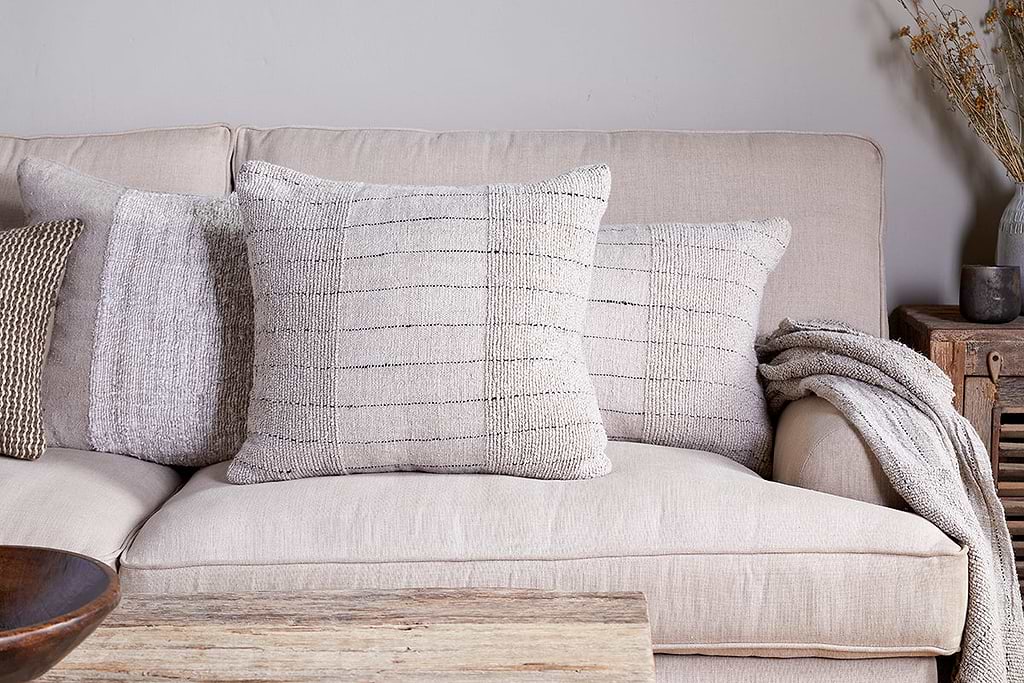
Mayla Cushion Cover
Soft hand-textured cover, instant warmth on linen sofas or chairs.
View at Nkuku →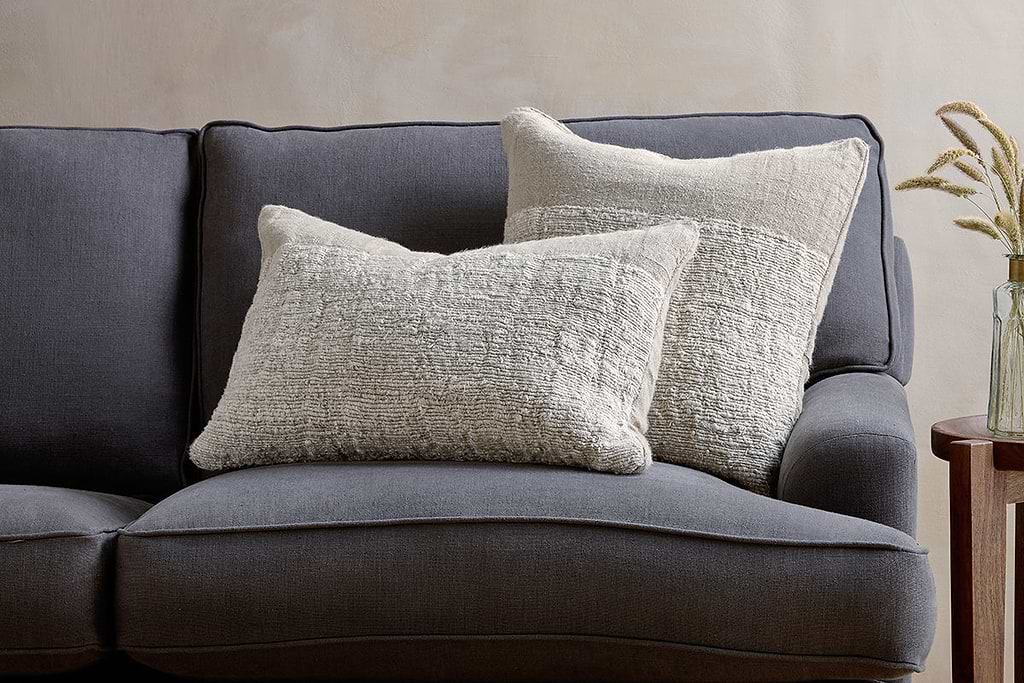
Puli Linen Cushion
Recycled linen in natural, pairs with woven textures and aged wood.
View at Nkuku →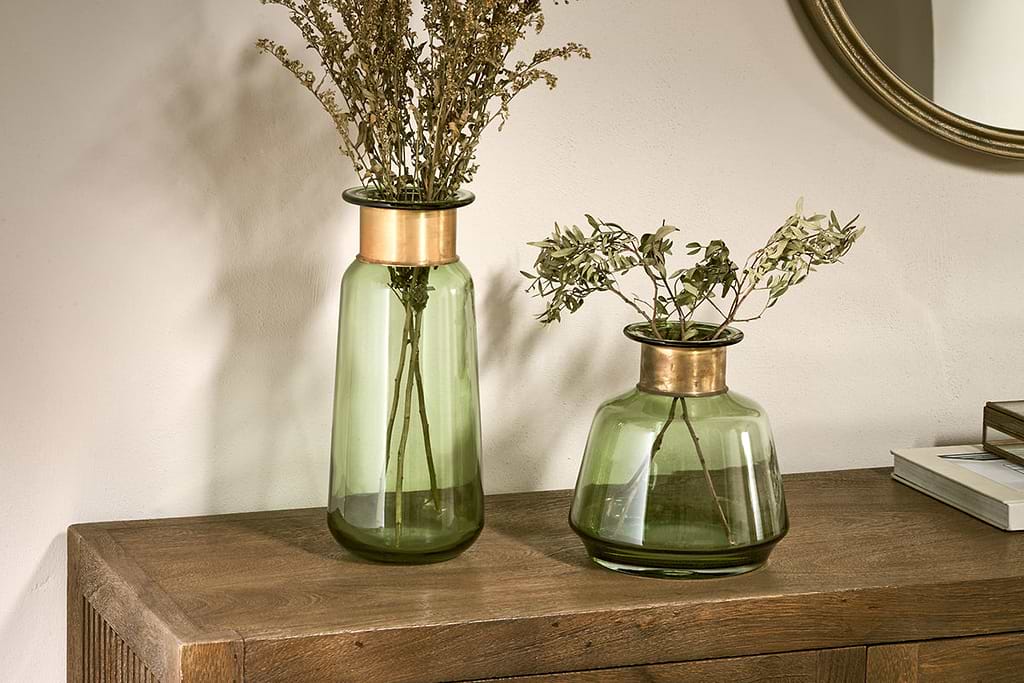
Some links above are affiliate links. If you buy through them we may earn a small commission at no extra cost to you. We only suggest pieces we think fit a calm, lived-in home.
Free guide
The Calm Leaf
12 quiet ways to bring dried botanicals, stems, and natural textures into calm spaces.