

In older homes, walls can feel busy or unfinished, especially when adding antique plaster wall plaques that are too ornate or out of scale. Too many small objects crowd a wall, while mismatched tones bump against calm furnishings. Most vintage plaques brought in from collector’s shops look special in-store but can add heaviness when hung at home.
With care, a single antique plaster wall plaque can replace scattered frames and bring a quiet anchor to a living space. Today, you’ll learn how to choose an authentic, characterful piece that suits your room’s softness, what to look for, what to avoid, and how to hang it so it adds warmth, not clutter. This works especially well in a hallway with low light when the rest of the décor is light-toned because plaster catches and softens any daylight naturally.
The short version: Antique plaster wall plaques add calm and work best as a single focal point on an open wall, balancing historical detail with clear space. Choose one piece from a trusted UK source, focus on scale and placement, and keep the palette simple for a gentle, modern look.
Key takeaways
- An antique plaster wall plaque is usually heavier than modern decor and needs sturdy wall mounting.
- Plaques with botanical or neoclassical motifs in bass relief soften hard wall lines without feeling busy.
- Picture fixings can allow even delicate plaster plaques to hang securely as wall décor, according to UK Heritage.
- One well-placed plaque grounds a room better than several scattered vintage pieces.
- Specialist UK antique dealers usually provide provenance, dimensions and a condition report for each plaque.
- What makes antique plaster wall plaques special?
- Where this works best
- How do you find an authentic antique plaster wall plaque in the UK?
- How to identify real antique plaster from reproductions
- Styling and placement
- How do you keep your wall from feeling cluttered?
- Should you create a gallery wall or keep to one focal plaque?

What makes antique plaster wall plaques special?
Antique plaster wall plaques bring depth, material character, and a gentle sense of history to a space, especially where other décor may feel flat or cold. Their relief texture catches light in a natural way that prints and paintings can’t.
A single antique plaster wall plaque used in a living room draws the eye but doesn’t crowd the wall if the rest of the décor is simple. The plaster’s matte finish absorbs glare, softening daylight and overhead bulbs alike. Unlike shiny framed art, plaster plaques add visual interest without introducing too much shine.
Readily found motifs like oval patera, botanical sprays, or classical roundels tell a quiet story of craft. Even a fragment, a ceiling panel or panel edge, can add solidity in a spot where prints feel too light. Texture matters here: old plaster holds the hand’s imprint, varying from crisp relief on newer pieces to gentle worn edges on older plaques.
A Geogian style wall plaque, often originally a ceiling panel, creates a focal point over a sofa because its size and relief anchor the eye. A smaller bass relief plaque works better in a side alcove or above an entry table when space is tight.
Where this works best
Antique plaster wall plaques are especially effective in quieter corners, hallways, or rooms with mixed historical and modern elements. They work best where the wall is calm and light-toned, with room to breathe.
Narrow staircases, cozy studies and small dining areas are often the right fit for a single plaster wall plaque. These are places where space is limited, and too many objects can look busy fast. The texture of old plaster stands up well on plastered or painted walls, especially in rooms that already have moulding or other historical detail.
A dining nook finds its center with a roundel plaque tucked between two windows. Pale walls with gentle daylight allow relief details to stand out, unlike a large gallery wall that can overwhelm the space. Compared to massed contemporary prints, the softness of worn plaster brings a muted story that doesn’t compete with fabrics or wood grain.
Avoid pairing an antique plaster plaque with glossy modern art in the same sightline; a hard mix of shine and matte often feels jumpy. Instead, place the plaque as the only feature on its wall, anchoring it with a narrow bench or simple side table below.
How do you find an authentic antique plaster wall plaque in the UK?
The safest way to source a true antique plaster wall plaque in the UK is to buy from specialist dealers who list material, condition, and provenance. These sellers check age and quality, usually including a condition report and dimensions with each piece.
UK specialist dealers like UK Heritage or Lassco focus on genuine historical objects, often sourcing Georgian, neoclassical, and Victorian styles. Each antique plaque, whether a botanical oval or a ceiling medallion, comes with a description of its plaster material, origin, and sometimes a maker. Expect to find typical details such as age, weight, and whether the rear has been fitted for hanging or is original decoration.
Major online marketplaces like Etsy and eBay offer more variety but with mixed reliability. Many listings are reproductions or cast new from old moulds, looking older than they are. A search on these sites can start your hunt, but always double check for clear images of the back, close-ups of the relief, and the dealer’s background in selling antique décor.
This is where Antique plaster plaques are often described not only by date but also by the weight, material and any repairs. A large antique plaster plaque can weigh around 12 kg, so sturdy wall fixing is key if you spot one described with those details.
How to identify real antique plaster from reproductions
Genuine antique plaster plaques usually show small chips, hand-finishing marks, and a drier feel than new reproductions. True antiques are often matte and heavy, sometimes with faint cracks or old repairs.
Signs of genuine old plaster include uneven backs, soft corners and a consistent, chalky touch. A modern copy will have crisper lines with little wear and may be lighter, especially if cast in modern composite or resin rather than full plaster. Age spots and surface settling often leave faint rings or lines on vintage plaster, a detail rarely found on new cast pieces.
Unlike vintage plaques, contemporary artisan plaques are often signed or stamped by the maker on the back, sometimes dated. Sellers who specialise in reproductions usually mention “vintage style” or “reproduction” in their listings. According to UK Heritage, authentic plaques from the Georgian era were sometimes ceiling panels or decorative medallions, with hand-finished reliefs that feel grounded and substantial.
A quick test is to look at the edge, if it’s rounded with small chips, that’s typical of older plaster; if it’s perfectly straight and smooth, it’s likely newer. Genuine pieces may show repairs or even patched corners, while reproductions rarely do.

Styling and placement
A single antique plaster wall plaque draws the eye without crowding a wall, especially if it’s centered on calm paint or plaster. Placement matters more than quantity.
Gently space the plaque so it sits with air around it, never too close to other wall art or shelving. Light-toned walls make details in the relief clearer; colored walls often mute relief and shadow. A white or pale grey wall throws delicate shadows behind a bass relief or neoclassical oval. If the wall is already decorated or busy with shelves, pick a smaller plaque or move it to a quieter spot.
Most plaques hang with picture fixings or even a narrow shelf ledge when a wall can’t take heavy screws. The best height is roughly eye level, especially for roundel plaques with central medallions. Compared to a set of prints, a single heavy plaque needs more negative space to feel light and unmannered.
Keep the palette simple. Limiting the wall to one or two colors and one relief detail avoids the busyness that often comes with gallery layouts. A linen curtain or one anchor piece in natural texture below the plaque grounds the look and brings a sense of order, warm but not fussy.
Quick calm checklist:
- Choose matte plaster over glossy painted finishes for gentle light.
- Keep spacing clear, leave more wall visible than covered around the plaque.
- Limit the palette to calm or neutral tones; avoid pairing with bright prints.
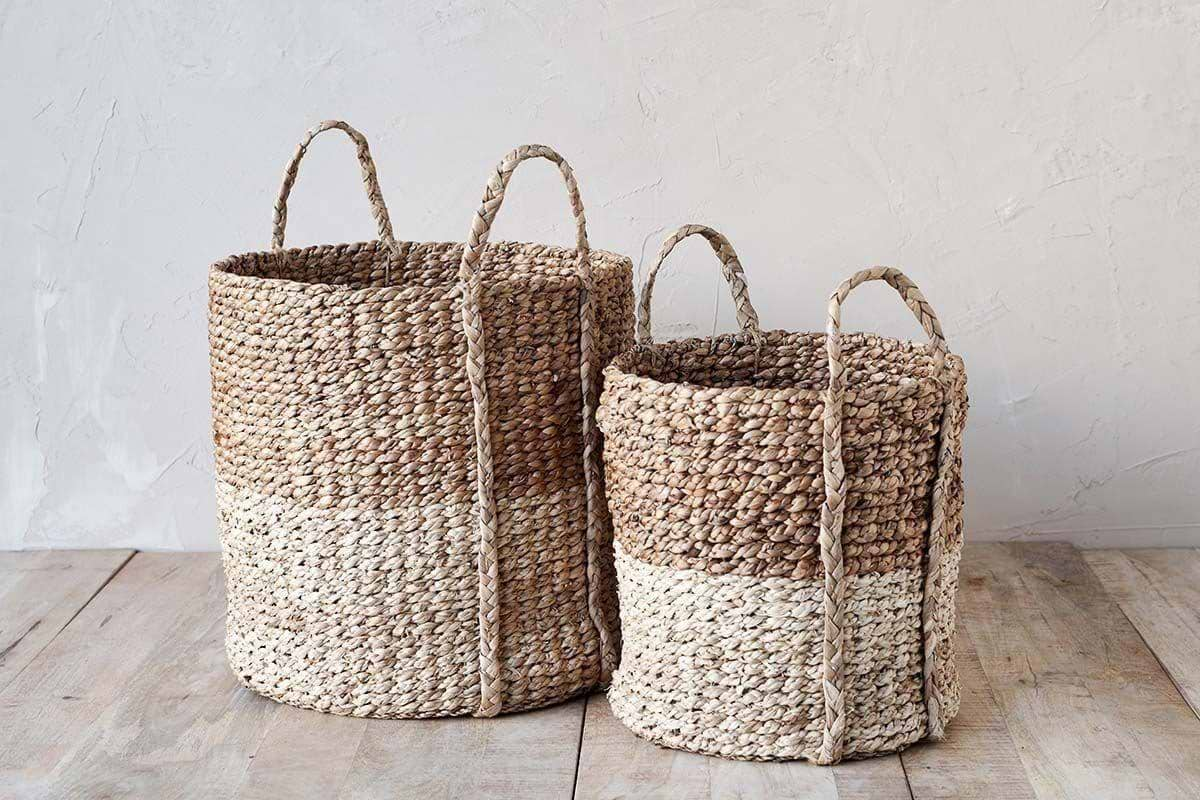
- Anchor with one grounding object, like a basket or simple bench, below the plaque.
- Hang at or near eye level for best effect; avoid crown height placements in low rooms.
How do you keep your wall from feeling cluttered?
A wall feels clean when one substantial piece, like an antique plaster plaque, sits alone, with space all around. Too many objects, or ones that are too small, break the flow and pull attention in different directions.
A hallway can go from calm to restless in a moment. Too many hooks, frames, or baskets make a tight spot feel messier than it is. Instead, use one oval or botanical plaque high up, leaving the rest of the wall open. Compared to a run of photos, a single, centered plaque brings order by drawing the eye to a clear focal point.
In a sitting room, shelving crowded with small objects feels chaotic, removing all but a plaster roundel and a polished plaster wall changes the mood instantly. Negative space is key: more wall, less stuff. A rule of thumb: a focal wall works best when at least two-thirds is left clear.
Unlike a cluster of small modern prints, a single vintage wall plaque paired with a textile or basket brings softness without fuss. The visual weight of the relief plaque holds the space firm, so nothing feels like clutter.
Should you create a gallery wall or keep to one focal plaque?
A single, central antique plaster wall plaque makes a stronger, calmer statement on open walls than a group of mixed plaques. Cluster only if each item shares palette and weight.
Gallery walls can look busy quickly, especially in tight UK homes where walls may already have rich detail or awkward doors. If you group plaques, echo the tones and shapes: three oval botanical plaques hung close can work, but mixing roundels with painted icons often feels accidental rather than organized. For most rooms, keeping to one well-placed relief plaque works best.
| Approach | Effect | Best For |
|---|---|---|
| Single Plaque | Strong focal, calm look | Entry, sitting room, alcove |
| Gallery Wall (2-3) | Subtle, only if similar style | Long hallway, staircase |
| Mixed Clusters | Fussy, often feels cluttered | Not recommended for small rooms |
A small staircase can handle a run of smaller, similar plaques up the wall if repeated shapes and finishes are used. But most characterful rooms do better when relief pieces are spaced out, not packed, but surrounded by open paint or plaster. Compared to a jumble of styles, one focal plaque paired with a carefully chosen staircase wall decor helps the space read as finished without feeling busy.
In most cases, a calm wall comes from restraint, not more objects.
The shift happens at the moment you look back at the wall and sense something is too much, a plaque hung too high, or several vintage pieces feeling crowded and heavy. That pause means it’s time to edit, not add. The solution is almost always to choose a single focal point, clear extra objects, and let one relief plaque set the tone. Unlike fashion, more layers rarely help a wall feel calm at home.
Most people add a plaque without first planning the open space it needs. When a wall has too many frames or busy details, the new piece ends up lost or makes the room feel unfinished. If scale, palette, and placement aren’t edited, the end result isn’t restful: it’s visual noise. Instead, one strong piece brings order and comfort.
A rushed wall with too many objects almost always feels busy and top-heavy. Even one too many plaques breaks up the clear calm you’re looking for in a modern room. Fixing it by stripping back to the right antique piece and soft layering means the whole area feels lighter, more coherent, and more welcoming. Save this idea for later.
What tends to hold up with styling antique plaster plaques
Reviewing the best spaces, the rooms that work almost always use a single relief plaque, not several. Designers favour matte finishes because they absorb light rather than bounce it, especially on pale walls. Reviewers consistently cite the weight and coolness of real plaster as adding depth, even to newer builds. Expert sources recommend wall mounting with picture fixings for larger pieces, since adhesive or light hardware won’t hold the mass of old plaster for long.
When in doubt, most specialists return to a simple rule: a focal piece works best when surrounded by more wall than object. It’s advice that’s been passed down in old homes for good reason.
, Mara, Loom & Glow
Common questions
What are the different types of wall plaques?
There are decorative, commemorative, religious, botanical, neoclassical, and relief wall plaques made from materials like plaster, wood, and ceramic. Antique plaster plaques often feature oval or roundel shapes, bass relief, and motifs such as mythical, floral, or historical figures. Material, period style, and motif define each plaque type, look for these distinctions in listings.
What were plaster walls like in the 1940s?
Plaster walls in the 1940s were typically thick, hand-applied over lath, with a slightly uneven surface and matte finish. They absorbed sound and had good insulation compared to later drywall. Many 1940s homes retain this texture, making them an ideal backdrop for antique wall plaques.
How long do plaster sculptures last?
Plaster sculptures and plaques can last for centuries when kept dry, away from impact, and protected from frequent handling. Antique plaster often survives from the Georgian era, as seen in some wall plaques, if not exposed to moisture or trauma. Careful placement ensures continued longevity.
What are some ideas for covering old plaster walls?
Cover old plaster walls with natural-toned paint, thin wood panelling, linen wall hangings, or decorative plaster plaques. Many people also use wallpaper or fabric as non-permanent options in rentals. These methods mask cracks, add texture, and can keep a period look while updating the room’s feel.
Explore more calm combinations inside our Shop The Look .
Shop the Look
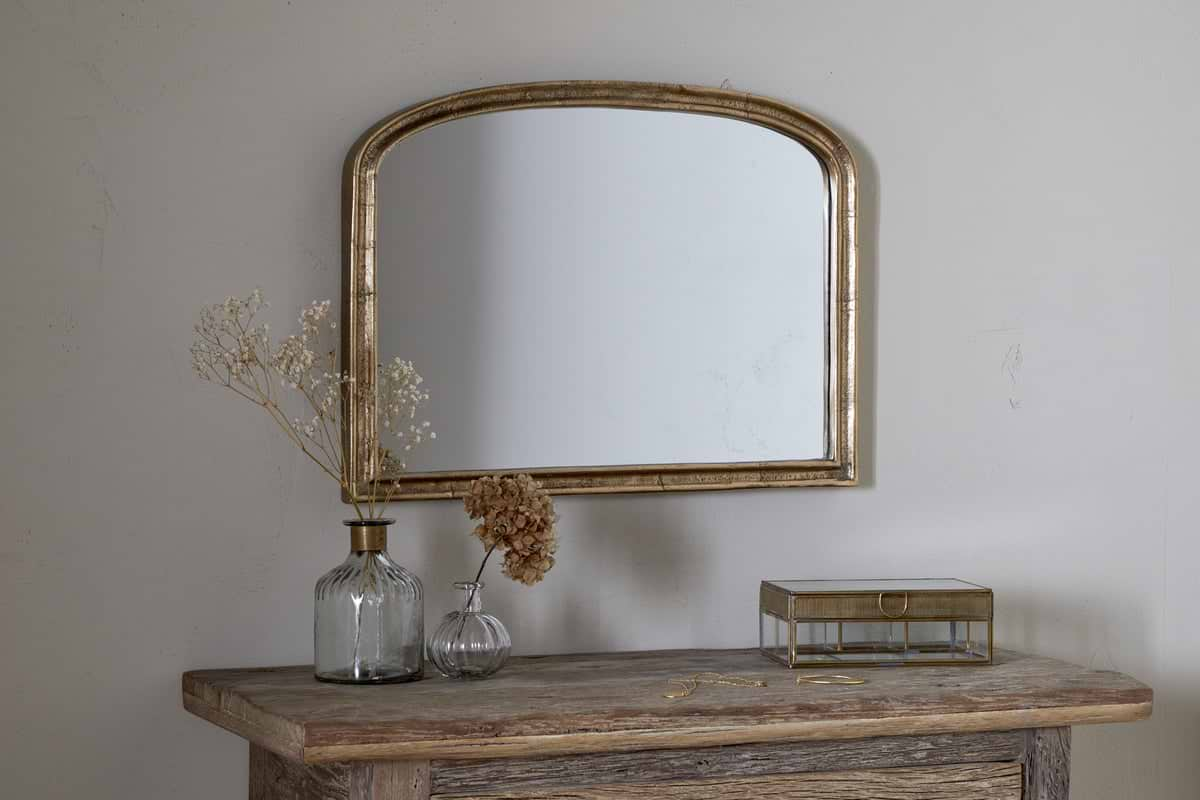
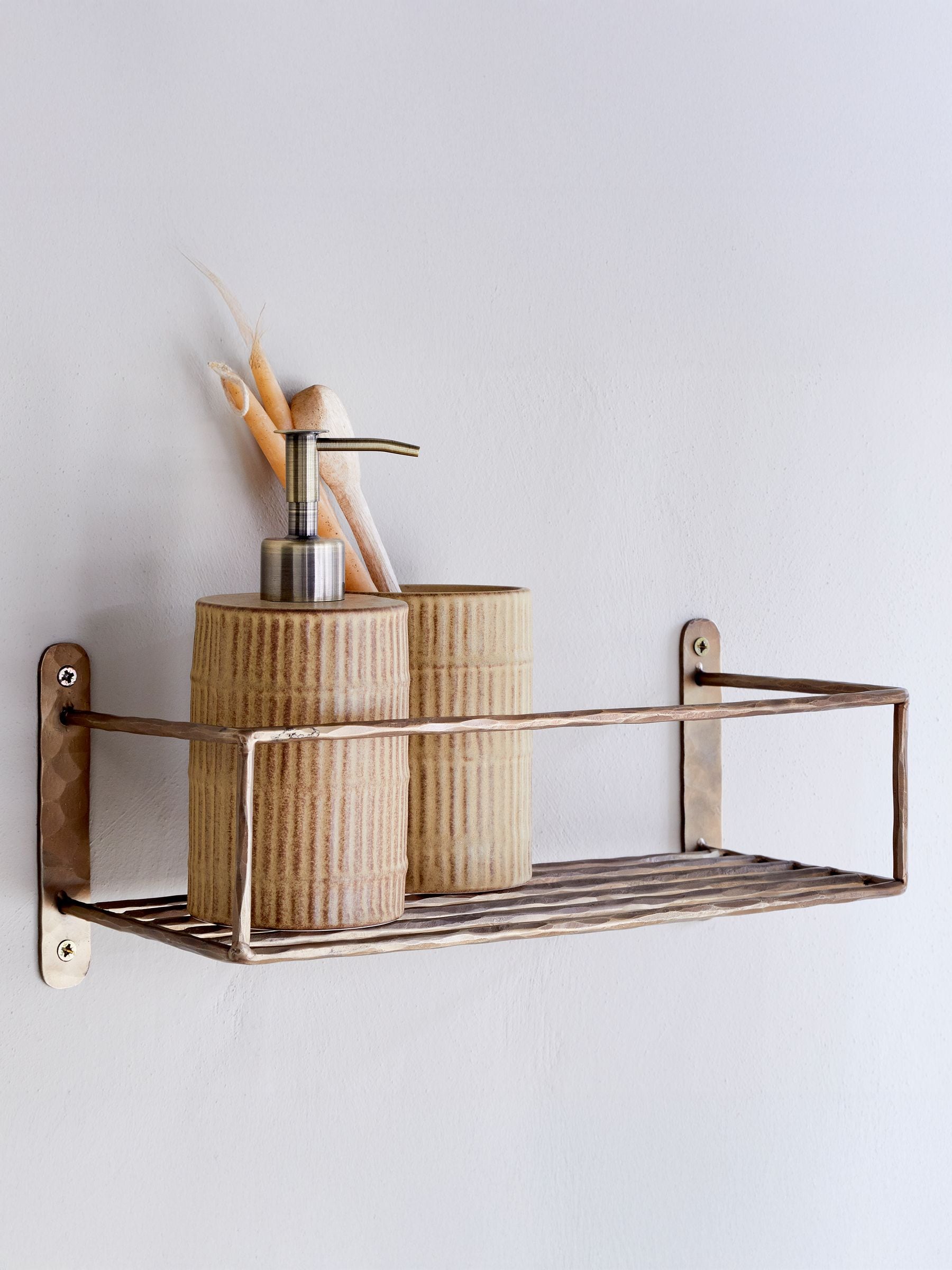
A few Nkuku pieces that sit quietly alongside antique plaster plaques.
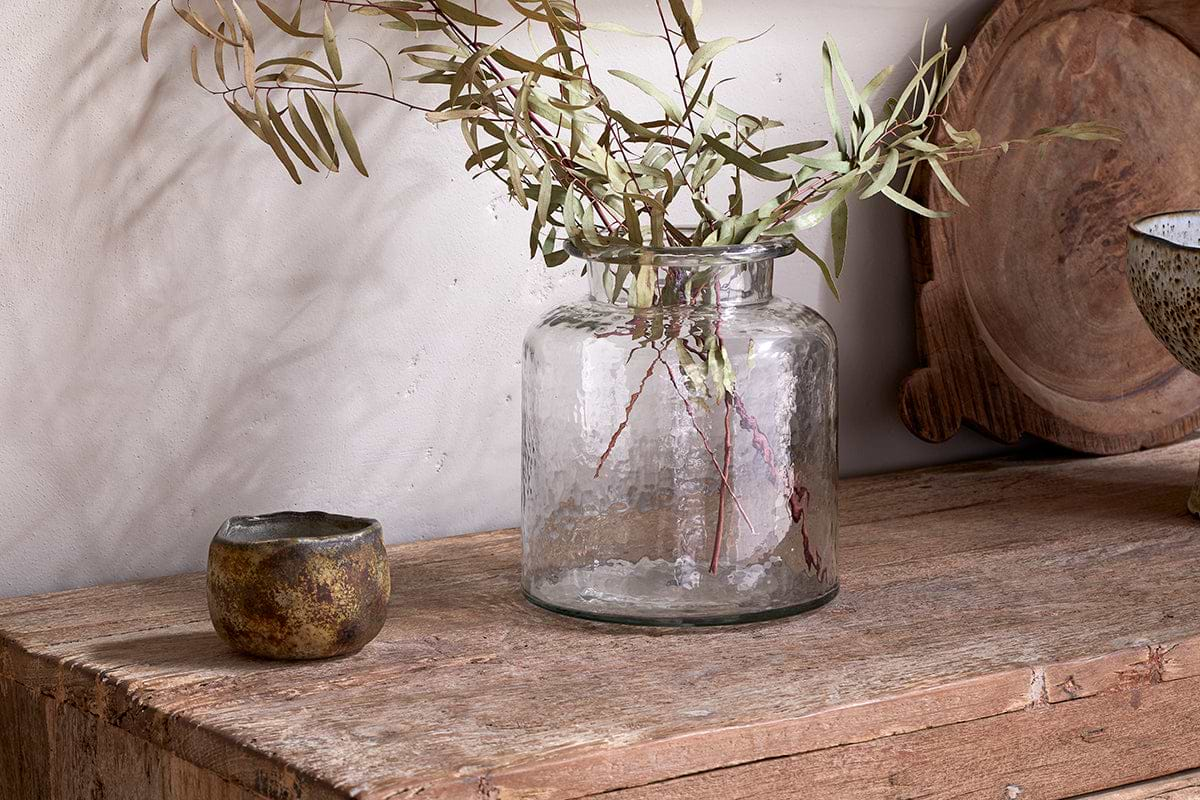
Akra Recycled Glass Vase
Clear cylindrical glass, pairs with stems or sits empty as a quiet accent.
View at Nkuku →Some links above are affiliate links. If you buy through them we may earn a small commission at no extra cost to you. We only suggest pieces we think fit a calm, lived-in home.
Free guide
The Calm Shelf
12 styling ideas to help you compose calm, balanced shelves in natural texture homes.