

Two people in a share room often face the same problem: there’s not enough space to call your own, clutter builds up, and it’s hard to find peace. Adjusting to different bedtimes, tastes, and storage needs can turn even the best relationships tense unless the room really works for both.
This guide solves the share room layout by offering step-by-step changes you can make right now, paring down what you own, rethinking the way you arrange furniture, and relying on a few calming materials. This works especially well for a flatshare bedroom when each person wants privacy but built-in options or bigger spaces just aren’t possible because of rental rules or limited floorspace.
The short version: The simplest way to make a share room easy to live in is to create two clear zones with flexible furniture and independent lighting. Separating the room visually and giving each person control over their side removes friction, so both can relax and use the space as their own.
Key takeaways
- Creating small, separate zones in a share room lets both people feel at home even in a tight space.
- Flexible layouts work best for bedrooms shared by adults, partners, or siblings with different routines.
- Giving each occupant their own lamp prevents arguments over the main light and helps rest patterns.
- Soft storage, like baskets and canvas bins, brings calm order when you cannot add shelves or drill.
- SpareRoom’s homepage search returns over 93,000 live room-to-rent listings at once (according to SpareRoom).

Where this works best
A share room approach works best for bedrooms where two adults, siblings, or flatmates need to sleep and store daily essentials in one space. Choosing calm materials and clear boundaries helps make small or rental bedrooms feel settled instead of chaotic.
Rooms with no built-in division, ranging from spare bedrooms in a flatshare to converted living rooms, are most likely to feel busy or cramped. Limited storage or awkward door and window placement only adds to the challenge. Shared rooms in rentals are also tricky since you cannot install big furniture or make permanent changes.
In these spaces, creating a subtle visual split is often the foundation for calm. A thin cotton curtain, a low shelf, or even just a row of plants down the centre can anchor separate areas for each person. Keeping the largest pieces symmetrical, like matching beds or wardrobes against opposite walls, helps everyone know where their zone is.
Avoid leaving the middle of the room bare or lined only with smaller storage, this makes the space feel hollow and unsettled. Large mismatched wardrobes in every corner can make the room seem more like storage than a living space.
For a small shared bedroom with few built-ins, dividing with soft furniture or textiles makes the space feel intentional and easier for two people to use day to day.
How do you actually split a room for two people?
The simplest way to split a share room is to zone each half with furniture back-to-back, a curtain, or a slim freestanding shelf. Each solution adds privacy without shrinking the room or blocking windows.
A typical flatshare bedroom often uses identical beds on opposite sides with a chest or shelf between. This small “buffer” makes each side feel more like a mini room, even where only curtains or a line of plants stand between sleeping areas. Unlike solid built-in walls, soft or open dividers keep the space airy and are easy to remove or shift around as needed.
Adding a lightweight fabric screen or an open shelving unit makes it clear where each person’s zone begins and ends. These can be folded up or moved on cleaning day, and they let light flow through, a major improvement over a heavy partition.
Compared to high-backed wardrobes or full room dividers, these flexible options avoid blocking airflow or taking up precious floor area. A row of planters or a hanging textile also absorbs sound, softening morning alarms and late-night whispers. Rooms with tall ceilings and natural light especially benefit from these changes, as big walls or dark curtains would close off the space too much.
Backing two desks against each other in the middle of a larger room gives each occupant a set work area and privacy from passing glances or different work schedules.
Which furniture layouts avoid a cramped feeling?
Furniture layouts that work in a share room keep beds or desks along opposite walls, leave the centre mostly clear, and match bigger pieces for balance. Keeping large furniture away from doorways and windows prevents the room feeling blocked or awkward.
In most shared bedrooms, beds placed parallel on each side of the room create the cleanest division. Desks or small tables under each window give both people a personal nook for reading, working, or phone calls. Unlike a single bed pushed against one wall, two beds set this way look orderly and signal that both sides belong to someone.
Open storage, like a bench or trunk at the foot of each bed, keeps daily-use items within reach. Using the same style basket or bin for both sides brings order and stops the room looking patchy. A single mismatched wardrobe in the middle jars the space; two low matching ones anchor both zones and keep the sight lines neat.
| Layout | Pros | Downsides |
|---|---|---|
| Beds parallel on each side | Builds privacy, looks balanced | Needs enough wall space |
| L-shaped with head-to-foot alignment | Frees up one corner, good for siblings | Less privacy, more noise |
| Both beds on same wall | Opens floor area, easy for conversation | Less clear boundary |
Every bedroom feels airier when the bulk of furniture hugs the walls and the path from door to window isn’t blocked. Avoid placing large chests or overflowing baskets along every edge, which can quickly shrink the walkable space.
Most two beds, one room setups work better with a matching colour scheme for the main pieces, think pale wood frames or linen headboards, and a few gentle contrasts in throw pillows or baskets.
What does “zones” really mean in a small bedroom?
A “zone” in a share room is a part of the room visually claimed by one person, defined with subtle shifts in bedding, lamps, or soft storage. Each person’s zone feels personal without making the room cluttered.
This idea helps where siblings or flatmates with different tastes share one small space. Each side uses a distinct, but quietly coordinated, set of bedding, bedside items, and perhaps wall colour or artwork above the bed. Using a soft divider or a row of hooks for robes can anchor these mini-territories.
Unlike putting all belongings in one pile or mixing colours and objects everywhere, separating by zone stops arguments over mess or noise. Gentle differences in lamp design or fabric soften each side, offering comfort and claiming a bit of the room as fully yours. The split does not have to be laser-straight; in fact, a gentle, organic line (like baskets or a wide textile) feels friendlier.
The act of “zoning” isn’t about formal divisions, it lets each occupant retreat, address their needs, and still function together. Rooms divided up with hard furniture or partitions can make both people feel boxed in instead of relaxed.
Visually reinforcing a zone, such as matching a chair to the bedside lamp or repeating a colour, grounds the area for that person, making their daily routine more relaxed.

Styling and placement
Styling a share room works when you limit palettes, use simple natural materials, and let one or two objects set the look for each side. Placement shapes how restful the room feels.
Light cotton bedding, a woven basket under each bed, and wood or cork trays soften hard furniture shapes while giving both sides storage without cluttering up surfaces. Placing matching lamps on each side of the divider repeats the rhythm; a non-matching, bold lamp on only one side throws things off and draws the eye unevenly.
Quick calm checklist:
- Keep wall colours pale or neutral for most rentals, add gentle colour in textiles or art only.
- Use matching baskets or bins for each person to hide smaller items under beds or inside wardrobes.
- Repeat a single material (linen, cotton, jute) on both sides for visual flow.
- Stick to one or two small art pieces above each bed to keep the walls from crowding the space.
- Let every surface “breathe”; a shelf is more inviting if about two-thirds is left clear.
Unlike layering multiple patterned pillows or trinkets everywhere, fewer well-chosen pieces cut visual noise and make cleaning easier. Matching gentle shapes, like round clay bowls by each bedside, add calm without fuss.
Softly styled rooms with good placement work well for both adults and older children; nothing looks childish or rushed, and the space is easy for both to keep up day-to-day.
What storage works if you can’t add built-in shelves?
Removable storage like woven baskets, canvas bins, and soft stacking boxes keeps a share room tidy in rentals and house shares where drilling or big chests aren’t allowed. Look for items that can be tucked under beds or in wardrobe corners for daily use.
Rental rules often ban fixing shelves to the wall or bringing in extra built-ins. Free-standing storage, especially fabric bins that can collapse or slide, is the simplest answer. Unlike hard plastic crates, soft materials blend in with sheets and textiles, avoiding the look of utility storage in a living space.
Most baskets or soft storage containers fit under standard bed frames or in the bottom of a wardrobe. A jute basket with a lid hides off-season shoes or cables; a canvas caddy hangs from a bed rail or hook, holding phone chargers and books. These small shifts mean daily mess has a home, and the floor stays clear.
According to Roomgo, over 50,000 landlords rely on these sorts of flexible storage items when letting rooms to tenants or flatmates, since they don’t damage walls and renters can move them easily between let cycles.
Unlike open plastic boxes, natural-fiber baskets add warmth and reduce the warehouse feel. Covering two-thirds of a shelf with storage cubes (and leaving a gap) calms the busy look and lets both people find what they need fast.
Hanging organizers on the back of a door make extra space, especially when two people share one wardrobe and need to store accessories or bath products apart.
How do you give both people control over lighting?
Giving each person a separate lamp or reading light is the simplest way for both to control lighting in a share room. This prevents glare and awkward schedules from clashing at night or early morning.
Unlike a single ceiling light, two adjustable lights, clip-on, plug-in, or small desk lamps, can be aimed where needed. Each person controls their own brightness for reading, yoga, or winding down, without keeping the other awake. Soft bulbs in simple linen or paper shades stop harsh shadows and work best for shared bedrooms.
Battery-operated puck lights can be stuck to shelf undersides or clipped above a bed without wiring or tools. This is useful where landlords or let contracts don’t allow changes to the electrics. Each lamp on a separate switch means one side can sleep or rest while the other works or reads.
Setting lamps low on shelves or bedside tables softens the room and avoids spotlight glare. Contrasted with a bare bulb or overhead downlight, this setup feels quieter and is less likely to disrupt sleep patterns for either occupant.
In homes with only one window or low natural light, separate lamps also help both people adapt the brightness for their daily rhythm.
What tends to hold up with share room design
Across many shared spaces, rooms feel most restful when both people know exactly which area is theirs, and which is not, while remaining open to flexible use. Reviewers often point out that a clear, if minimal, division (like a low divider or matched lamps) holds up longer than makeshift arrangements or cluttered overlaps.
Designers often recommend soft, natural materials because they stand up to daily use and lend a gentle, adaptable look even as tastes or roommates change. Matte basket finishes, pale linen, and slim shelves tend to reduce dust and glare, especially in rooms that don’t get much sunlight or have limited cleaning time.
, Mara, Loom & Glow
Common questions
What is a share room?
A share room is a bedroom or living area that is occupied by two or more people, each needing their own space and storage. It is common among adult roommates, flatmates, siblings, or when renting out a spare room. Splitting a room like this often means clear boundaries and flexible furniture to avoid crowding and conflict.
How much can I charge a lodger?
The amount you can charge a lodger depends on factors like location, room size, included bills, and market demand. In the UK, prices vary considerably, but checking SpareRoom’s homepage search will show current local listings. Presenting the room well, with storage and a balanced layout, often supports better rates and faster lets.
How do I find a roommate in the UK?
You can find a roommate in the UK by searching platforms like SpareRoom, Roomgo, and idealflatmate, or by looking on sites such as Gumtree and Rightmove. According to SpareRoom, someone finds a flatmate every three minutes on their site. Being clear about house rules and the room setup from the start attracts better matches.
Can a boy and girl share a room in the UK?
Yes, a boy and girl can share a room in the UK, whether as siblings or unrelated adults, as long as local laws or tenancy rules allow. In rented homes, landlords may set their own restrictions. Creating private zones in the room and respecting individual routines helps everyone coexist calmly regardless of gender mix.
Explore more calm combinations inside our Shop The Look .
Shop the Look
Woven baskets offer calm, shared storage that suits a flatshare without requiring negotiation over style.

Nkomi Basket
Woven storage with a calm silhouette, works open or tucked under a console.
View at Nkuku →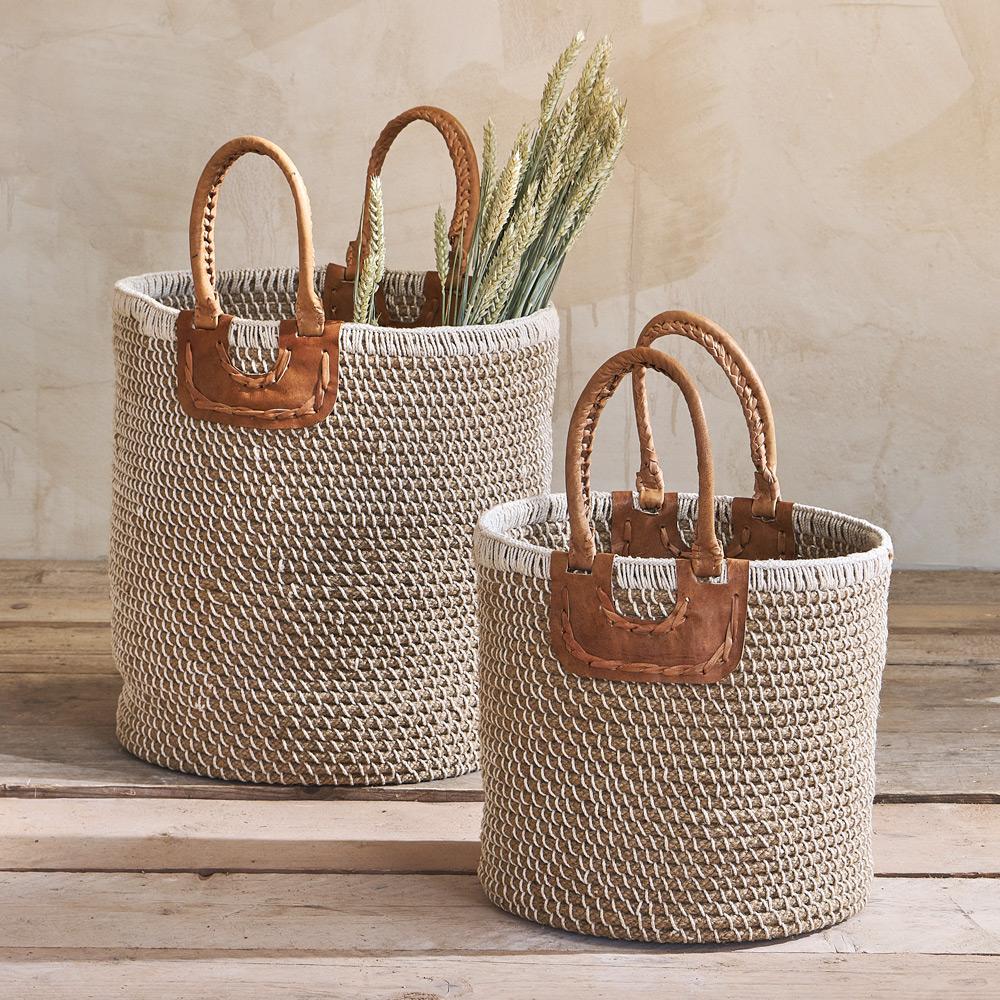
Indra Coil Basket
Natural coil weave, neat enough to leave out, large enough to hide clutter.
View at Nkuku →Some links above are affiliate links. If you buy through them we may earn a small commission at no extra cost to you. We only suggest pieces we think fit a calm, lived-in home.
Free guide
The Calm Shelf
12 styling ideas to help you compose calm, balanced shelves in natural texture homes.