

Two people in one small room often means furniture pressed against walls, not enough surfaces to go around, and a confusion of blankets, baskets, and rugs. For small room design for 2 person homes, the problem is never just lack of space: it’s about layering natural materials like jute, linen, rattan, and wood without the space feeling busy or disconnected.
No one wants a room that feels like storage. With a few simple changes—choosing where to anchor wood, which corners need weight, and what to leave open—you can replace clutter or awkwardness with a slow, unified calm. This works especially well in small bedrooms for adults when the natural light is low because textured, neutral decor absorbs light and blends lines.
The short version: The key to small room design for 2 person living is to choose one clear material anchor (like wood or jute) and repeat it in small doses, letting other accents take a supporting role. This cuts down visual noise and lets both people feel the room is theirs, even when the space is tight to share.
Key takeaways
- A shared small room feels calmer when you repeat one natural material (like rattan) across the main surfaces and accents.
- The most effective small room layouts let both people claim a zone without splitting the light or breaking up storage.
- A wall-mounted headboard saves floor space and lets beds tuck neatly in tight corners, according to The Spruce.
- Storage ottomans add seating and keep daily overflow off the floor in a two-person shared room, as noted by The Spruce.
- Using a neutral palette for the biggest surfaces stops a small space feeling cluttered as personal items appear.

Why does a shared room often feel chaotic first?
A shared small room can feel busy because too many textures and colors pull the eye in different directions, making essentials hard to find and rest harder to settle into.
Shared rooms start off with extra furniture: double beds, baskets, or a mix of two peoples’ bedding. Unlike a single-occupancy room, there’s no default order. If you bring in several types of wood, two patterns of bedding, or both people add their own storage bin, even neutral shades can feel disordered.
In a small room with two adults, pile-on happens fast. A rattan basket holds someone’s books, a linen throw covers a second bed, and suddenly the surfaces disappear under things. Stacking new decor on top doesn’t fix this; it fragments the space.
A bare shelf reads colder than one with a single woven tray, but filling every slot with a different material will look muddled. Select one base material—jute, rattan, or pale wood—and repeat it sparingly for a sense of cohesion. That’s how the eye can rest.
In daily use, this means starting with even a single repeated item—a low wood stool at both beds or matched jute under-bed baskets—so there’s one visual cue that ties the space together.
How do you pick a bed layout for two people?
The best bed layout in a small shared room puts both beds in strong positions—either parallel along opposite walls, or at right angles in a kitty-corner setup to open up the middle.
Deciding where two beds go in one tight room shapes everything else. Pushing both beds against the same wall creates more open space, but can feel crowded if neither person gets enough reach or separation. Placing beds in a kitty-corner layout, as recommended by The Spruce, puts heads or feet at right angles, opening a natural “shared zone” while giving privacy at one edge.
If floor space is even tighter, consider a trundle or a daybed with extra drawers. Daybeds, such as the IKEA HEMNES with built-in storage, let two people sleep comfortably without filling every inch with frames and legs.
| Layout | Pros | Cons |
|---|---|---|
| Parallel beds | Bigger shared floor zone, easy to clean under | Can feel boxy, less privacy |
| Kitty-corner beds | Cozy corners, easy personal space | Tougher in very long rooms |
| Daybed/trundle | Storage underneath, daytime use | One puts bed away each day |
Choosing the layout first gives you an anchor—both for the beds and for the main material to repeat, which keeps the room from splitting into two unrelated halves.
Where this works best
Mixing natural materials and keeping a simple layout works best in small bedrooms with low light, tight doorways, or when you’re working with rented rooms where nothing can be knocked down.
Small rental bedrooms, guest rooms, or even a home office that doubles as a night space all benefit from this calm, material-first approach. Spaces that can’t support new walls or major renovation still need good flow and easy-to-reach storage.
Homes with narrow windows see clutter more: the sun moves through once and catches every object. In these rooms, repeating a single texture—like linen in both curtains and bedding—absorbs the harshness, so stray items blend instead of drawing attention. Storage that stays close to each person’s zone makes slower routines easier.
Avoid forcing a perfect split. Some rooms work better if one bed gets more wall while the other anchors with extra storage or a shared nightstand. Trying to mirror every item makes the space feel forced and is much harder with two sets of belongings in a small space.
Use this approach in rentals, windowless bedrooms, or anywhere with odd doors or built-ins that limit layout flexibility. Focus on blending storage and accent textures instead of pushing for visual symmetry.
How do you divide a small room gently?
A room-dividing element—like a half wall, an open bookshelf, or a simple area rug on one side—marks out two zones without blocking light or shrinking the floor area.
Splitting a room down the center with a shelf or partition rarely works. It chops the flow, blocks lines of sight, and makes both areas feel smaller. Instead, a half wall or open shelving, according to The Spruce, creates a subtle change of zone and can even double as storage for each side.
Paint finishes the job. A single stripe or a shift in wall color behind one bed is enough to “zone” without building anything physical—a technique widely used in shared adult bedrooms and noted by very small bedrooms. Unlike full dividers, these approaches keep airflow and sightlines open.
If both people want privacy, a sheer linen curtain can hang from the ceiling between zones. It moves, breathes, and filters light softly, without the sharp cutoff a solid divider creates. This helps in shared rooms where routines overlap but neither person wants total separation.
Try this by zoning with a rug, a low open shelf, or a difference in bedding color—always staying within a neutral, earthy palette that can blur edges rather than sharpen them.

Styling and placement
Small room styling works best when each object has a job—basket for under-bed storage, tray on nightstand, curtain at the window—and when surfaces stay mostly clear.
The right way to introduce natural material home decor is to keep the biggest items—beds, rug, shelving—the same finish or tone. Area rugs in jute or earth-toned cotton connect each sleep zone, while baskets underneath keep clutter out of sight. Focal points matter: one strong woven accent, like a headboard or a wall basket, lets the eye settle and makes the differences between personal touches feel less dramatic.
Unlike glossy plastics, organic materials soak up light and reduce the glare that comes from too many shiny surfaces. A rattan pendant light over one bed or a soft clay dish for jewelry can provide subtle variety, but anchor them to the palette of the larger pieces for best effect.
Quick calm checklist:
- Pick a single lead material (wood, jute, or linen) and use it on two or three surfaces.
- Leave major surfaces (rugs, bedding, curtain) mostly neutral to downplay busy details.
- Keep the space between larger pieces clear—under-bed bins, not floor baskets, help here.
- Limit visible storage to one type (all woven, all canvas, or all wood), not a mix.
- Use symmetry sparingly: match width or height, not every color or finish.
Place the largest pieces first—beds or daybeds—then fill in with storage only where it fits below or beside. Keep shelves at eye height or above, and line up storage bins rather than scattering lots of small containers around the floor.
What makes a neutral palette suit both people?
A neutral palette works for shared rooms because it makes the surfaces recede and leaves space for each person’s favorite accent without clashing.
The simplest way to avoid a clash in shared rooms is to pick bedding, rugs, and wall paint in shades that echo each other—whites, soft tans, muted greys. According to calm bedroom palette research, neutral home decor ideas make added personal items read as accents, not competition for space.
Layering one bolder element—a striped earth-tone cushion, a large jute rug, a woven lamp—lets either person add a pop of color or texture without it looking wrong. Unlike mismatched bedding or clashing throws, repeating neutral backgrounds means both personalities can appear without making the room look patchy.
Main surfaces done in natural textures also hide wear: cork, raw linen, and unfinished ash all age gently and hold up to years of daily use. Two people with different tidy habits will still find it easier to keep a space looking cared-for when most surfaces are not glossy or patterned.
The neutral foundation works best when only one or two accents—plants, books, a small piece of art—stand out in the whole room, leaving plenty of breathing room for the eyes.
How to layer personal touches without mess
Personal touches land well in a small shared room if each person picks one surface for their own items, instead of sprinkling objects everywhere.
Unlike a single-person room, personal items in a shared space can double by accident. If both people display photos, jewelry dishes, perfumes, or hobby gear across every surface, the atmosphere quickly slips into disorder. Slow living decor here works by limiting “own zone” displays to one tray or ledge each.
Bring in organic home decor through objects that don’t dominate: a soft, woven throw, a clay cup by the bed, a linen panel pinned to one wall. Storage ottomans and under-bed drawers, as suggested by The Spruce, keep bigger items out of sight so the visible top layer always stays light and functional.
If each person claims a shelf or drawer, then the rest of the room rests in a neutral quiet. Unlike scattering, this lets both personalities show without crowding out shared calm.
Try one low shelf for photos, a closed basket for hobby supplies, or a single accent pillow per bed so the results feel collected, not cluttered.
Most shared small rooms signal trouble early on—a heavy feeling, lost surfaces, or clashing shades as each person adds a missing item. The moment feels off when another new basket or lamp makes things worse instead of better, and routines begin to collide. The real shift comes when someone decides to anchor the room visually: choose one grounding material, limit distinct accent zones, and repeat only a few key textures to quiet the whole space at once.
Making this single change brings breathing room to the rest of the decor decisions. The room’s biggest surfaces calm down, and even busy daily use stops feeling overwhelming.
It’s easy to overload a small shared space—layering several bins, all in different textures, or doubling up on lighting and trays. The downside is a constant feeling of unfinished business, with rooms looking busy by noon and heavy by dusk. Most homes hit this snag early: too many storage solutions and not enough simple, repeated structure. It matters now because the line between functional calm and visual overwhelm is thinner than ever in tight shared quarters.
Once one simple repeated material is anchored, daily routines and layouts fall into place.
Save this idea for later.
What tends to hold up with small room design for two people
Across shared small rooms, one theme keeps repeating: the most successful designs use a simple material or repeated palette as an anchor. Reviewers consistently note that a single jute rug, repeated wood finish, or matched linen is what keeps a space looking finished, even if two personalities are present.
Matte finishes get recommended again and again for surfaces in shared bedrooms, especially near windows; glossy trays and shiny baskets often look chaotic by afternoon light. Even when personal tastes run wide, focusing on one leading color or texture (for beds, rugs or major storage) lets the room read as a whole. Spaces age better and require fewer refreshes, too, since the backbone never shifts much.
— Mara, Loom & Glow
Common questions
How can two people share a small room comfortably?
The most comfortable way for two people to share a small room is to each claim a defined zone with one clear anchor—bed, shelf, or storage—and keep communal spaces open. Matching main materials while letting each person have a personal surface makes routines easier and less crowded. Fewer visible bins means less friction.
What colour makes a small shared bedroom look bigger?
Soft, pale neutrals—creamy white, gentle stone, sand—make a small shared bedroom appear larger and calmer immediately. When the biggest surfaces (walls, bedding, main rug) stay light, personal and colorful accents fade into the background, which stops the room feeling busy. This effect is even stronger in rooms with low light.
Is a 9×9 room too small for two people?
A room close to nine by nine feet is tight for two people, but well-chosen layouts like parallel beds or a daybed with trundle allow real comfort. The key is to keep storage vertical and surfaces clear so routines stay simple. Matching materials and reducing clutter make it livable.
How to fit two people in a small room?
To fit two people in a small room, start by placing beds or a daybed for maximum open space, and use multi-functional storage like ottomans and under-bed drawers. Limiting patterns while repeating one base material keeps the room from feeling crowded. Use soft dividers or paint for subtle zone marking.
Explore more calm combinations inside our Shop The Look .
Shop the Look
A few Nkuku pieces that help two people share a small room without clutter.
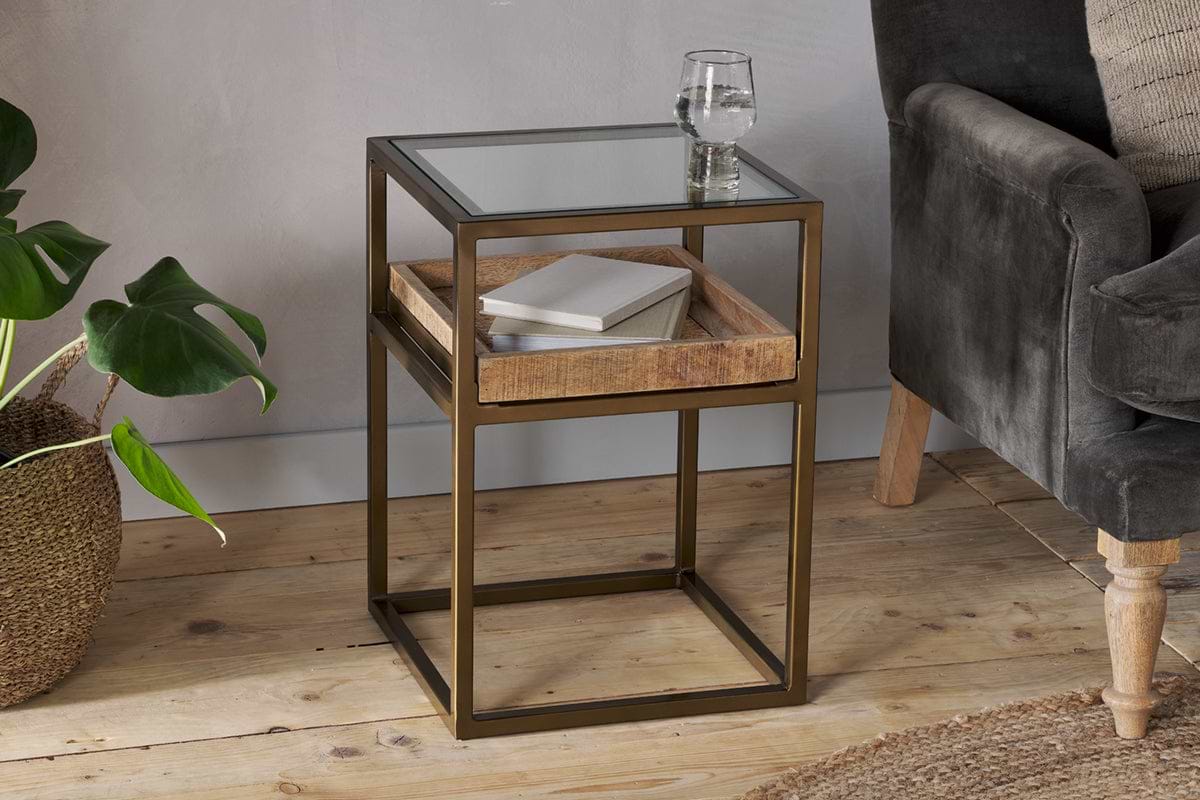
Luzon Side Table
Iron and mango wood with display shelf — small footprint, double function.
View at Nkuku →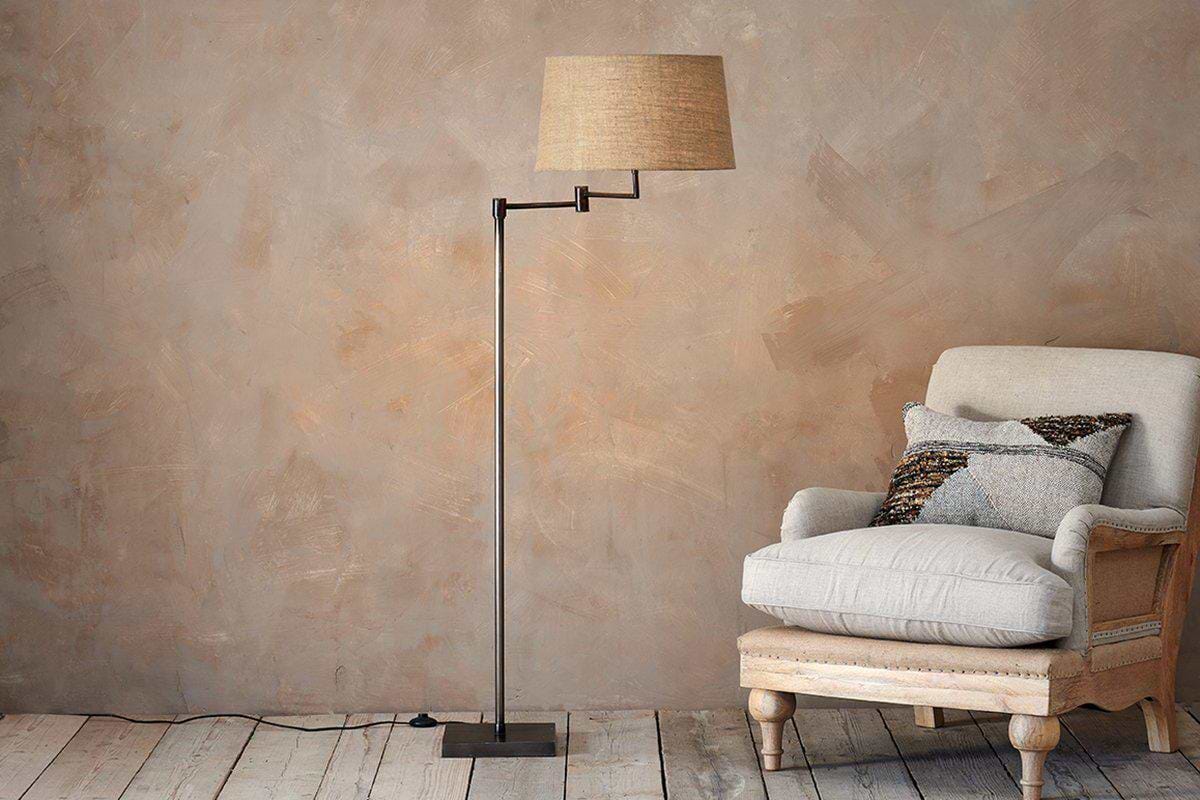
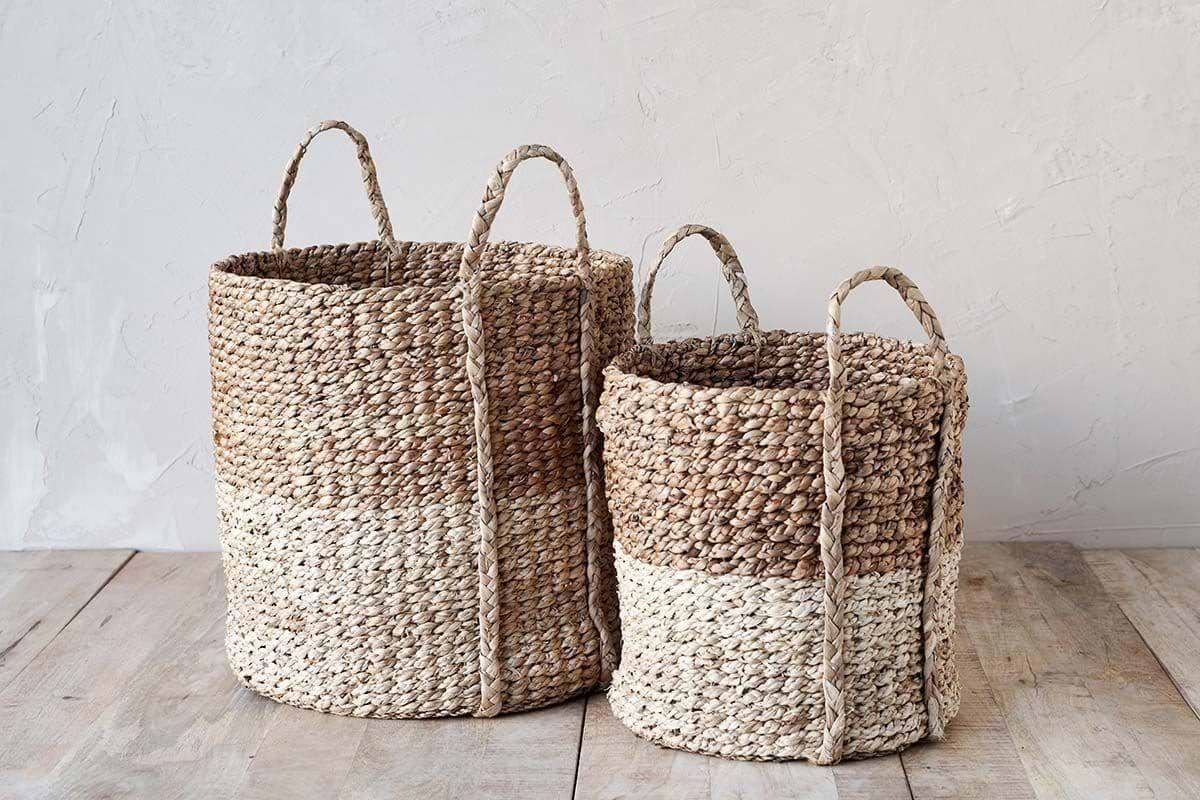
Nkomi Basket
Woven storage with a calm silhouette — works open or tucked under a console.
View at Nkuku →Some links above are affiliate links. If you buy through them we may earn a small commission at no extra cost to you. We only suggest pieces we think fit a calm, lived-in home.
Free guide
The Calm Leaf
12 quiet ways to bring dried botanicals, stems, and natural textures into calm spaces.