

Many homes face cluttered corners, awkward layouts, and limited storage. A small room can feel even more cramped when rental rules and low light add to the challenge. This works especially well in a living room when storage space is limited because a clear focal point guides the eye.
A calm, planned space can shift a room from chaotic to cohesive. Today, you will learn how to make a small room look bigger by clearing clutter, choosing light tones, and anchoring design with a few key choices.
The short version: This article offers practical steps and subtle shifts that free up space visually and create a calm small room that feels open and connected.

Embracing Light Colors
Choosing light wall colors creates a sense of air and space. Soft creams and gentle pastels open up a room by reflecting more light.
A room with pale walls and subtle accents can feel spacious even when space is limited. In one quiet living room, a soft beige tone made the area feel more open and welcoming. Using light colors provides a backdrop that allows furniture and decor to stand out without crowding the space.
The natural light that streams in during the day plays an important role in small room decor. A light tone on the walls reflects available daylight, ensuring corners do not feel dark. A bare shelf reads colder than one with a single woven basket, giving a hint of softness that balances the area.
When a room uses light shades throughout, it offers continuity and flow from one corner to the next. The effect works because light tones reflect ambient light, making the space appear larger. A softly painted wall next to a light wood floor demonstrates how calm small room ideas can transform an area.
Utilizing Mirrors and Reflections
Mirrors bring depth to small spaces by reflecting light. A well-placed mirror creates the illusion of an extended area naturally.
In a modest dining area, a mirror above a simple console doubled the sense of space without overwhelming the room. The reflective surface bounces light around, which helps in making the narrow hallway seem more open. A mirror placed near a window can help integrate the outside brightness, much like calm coffee tables without clutter ensure balance in an apartment decor idea.
The use of mirrors is practical because they serve as both a decor piece and a functional tool to increase visual space. The change works by spreading the available light more evenly across the room. A reflective wall behind a simple piece of art contrasts gently with a block of solid furniture.
Observers often note that a mirror in a small space creates a naturally airy feel. This happens because the reflection softens hard angles and adds movement. A bare cabinet looks colder than one with a reflective surface that adds a touch of life.
Choosing Smart Furniture
Selecting furniture that is both compact and multifunctional opens up a space. Pieces with hidden storage or dual purposes reduce clutter without sacrificing style.
In many cosy small room ideas, a sofa with built-in storage or a coffee table that doubles as a shelf prevents overcrowding. One living room found balance by switching to a streamlined sofa, contributing to more open floor space. Furniture choices influence the overall feeling because fewer oversized items create a cleaner visual line.
When rooms are furnished with scaled-down items, the design feels deliberate and light. Choosing smart furniture works because it minimizes visual obstacles and maintains clear, open paths in a room. A bulky cabinet stands in stark contrast to a simple, low-profile bench which softens the ambience.
Furniture that fits the space helps maintain a calm small room without feeling weighed down. The interaction between each piece, chosen for its size and function, creates a harmonious look. A dated armchair contrasts with a modern sleek seat that quietly supports the room’s openness.
At this point, a homeowner might notice that despite using light colors and reflective surfaces, the room still feels busy. This decision moment often comes when a mix of oversized furniture and excessive decor interrupts the visual flow. It matters now because every extra item competes for attention in limited storage spaces.
Often, people add too many items or choose heavy furniture. This leads to a room that feels busy and heavy. Most homes fail to achieve balance because they try to fill every gap.
When you fix it, the room feels open and airy.
Save this idea for later.
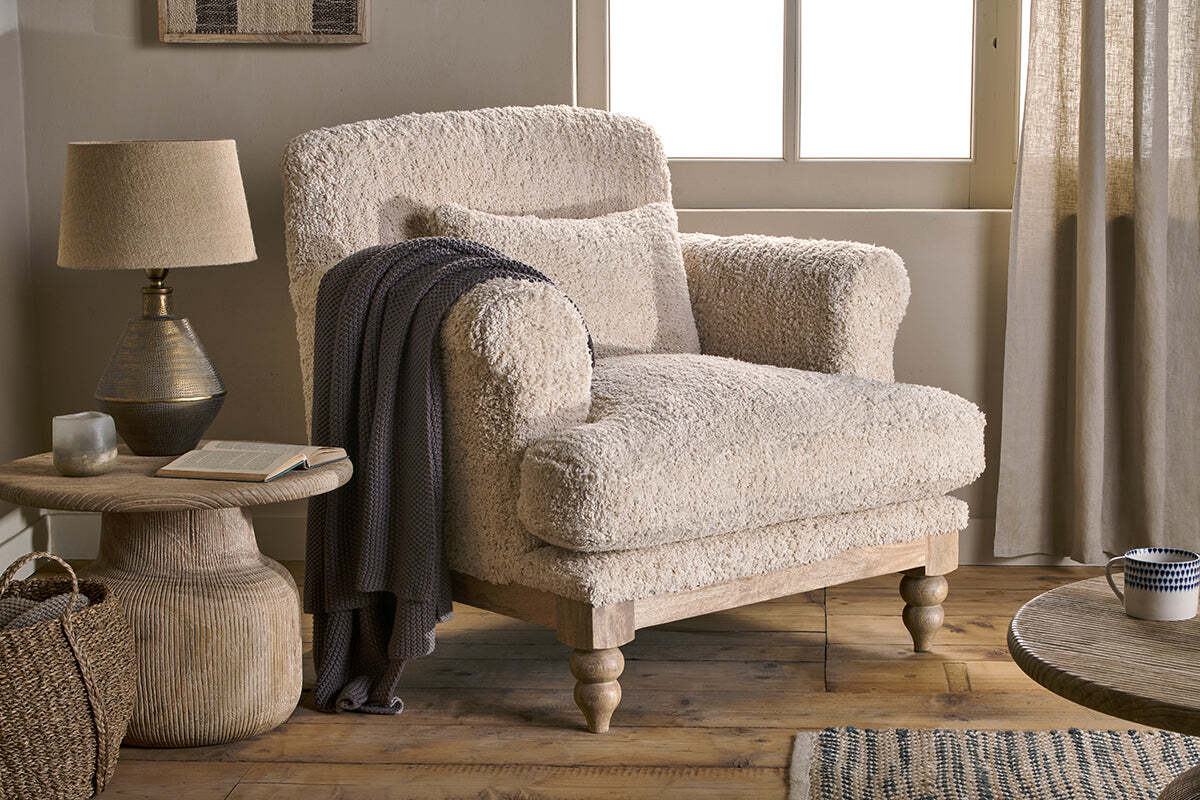
Otas Teddy Cotton Armchair – Off White
adds quiet structure and warmth while keeping the room balanced.
Where this works best
This approach shines in rooms with multiple constraints. Light, simple decor fits best when space is at a premium.
Many apartments that follow renter decor ideas find that a clear color scheme and modest furniture suit small living areas perfectly. A small living room with limited wall space benefits from a coherent color story that makes the room feel balanced. When the room adjusts from busy to intentional, it refreshes the overall feel because clear lines help guide attention.
The change is particularly noticeable in a room that faces an awkward layout. In one narrow study, a simpler setup helped free up space for movement. Avoid letting a mix of clashing decor patterns break the flow and make the space feel cluttered.
Practical use comes into play when rooms accommodate both work and relaxation. A tidy kitchen nook, for example, benefits greatly from these small space ideas as it unifies work surfaces with precise accents. A cluttered counter contrasts with one that has just a few thoughtful pieces, ensuring the area reads warmer.

Decluttering for Openness
Removing excess items opens up visual space. A clear and tidy room feels immediately more spacious and calm.
In many urban apartments, excess knick-knacks and stacked books reduce the natural light’s reach. A living room that once felt claustrophobic starts to breathe after a thorough declutter session. The process works because visible surfaces free the eye from unnecessary patterns that distract from the open floor space, similar to how soft lighting layers combine lamps for a balanced look.
A home office corner demonstrated that removing redundant items can reveal a hidden sense of roominess. The ease with which one finds personal items and decor helps maintain calm while inviting visual rest. A cluttered side table contrasts with one that only displays a couple of essential pieces, providing both function and serene minimalism.
When the room is free of excess, every chosen item has greater impact. Decluttering improves the overall look by reducing competition among objects for attention. A crowded dresser versus one with delicate pieces illustrates the stark difference between chaos and calm clarity.
Styling and placement
Thoughtful arrangement ties a small room together. Strategic placement of decor and furniture underpins a visually appealing space.
One small room decor solution involves carefully positioning a few select objects instead of overcrowding shelves or tables. A couch placed near a window, paired with a simple rug, communicates calm small room ideas without overwhelming the space. The scene works because a balanced arrangement ensures that each element has its own space, adding weight only where necessary.
The layout of a cosy living room can benefit from a focal piece like a light-colored armchair paired with soft textiles. Arranging objects with deliberate spacing keeps the room from feeling either too busy or too sparse. A bare table reads colder than one with a well-placed ceramic vase, providing a gentle counterpoint to the room’s warmth.
Careful styling draws the eye from one curated spot to another. The effect is rooted in simple placement rules that highlight the room’s best features. Minimal entryway surfaces styling principles prove helpful in achieving spatial balance.
Quick calm checklist:
- Use light, neutral fabrics
- Keep decor minimal and intentional
- Place furniture to maximize floor space
- Limit color palette for a cohesive look
Balancing Textures and Layers
Mixing soft textures with simple layers adds depth while maintaining openness. Natural materials and gentle contrasts create a room that feels lived in yet uncluttered.
A well-used living room featuring natural wood finishes and soft cotton throws is a typical example of using this technique. By layering fabrics without over-accessorizing, the space feels lived in and open at the same time. The approach works because a few layered textures create contrast without overcomplicating the visual balance, much like quiet seating corners comfort in an apartment decor idea.
In a modest bedroom, simple cotton bedding paired with a light linen curtain creates a sense of calm small room design. The tactile quality of natural fibers gently pulls the eye across the room. A plain rug reads colder than one that has a subtle woven pattern, offering a natural, inviting warmth.
The combination of textures provides a gentle visual rhythm throughout the room. Experimenting with a mix of materials – such as a clay bowl or a jute basket – gives the space an organic feel. A smooth sofa contrasts with a textured throw in a balanced, thoughtful manner.
What I’ve come to know about working with natural textures
Over time, I have learned that a small room does not need to be stripped down to feel spacious. A careful mix of fabrics, soft colours, and simple accessories gives the room a character that is both warm and inviting. I have seen spaces transform when a few well-thought-out design decisions are made. It is the subtle details – a carefully placed armchair or a quiet side table – that make the difference.
The reflection of natural textures in a room creates an atmosphere that feels genuine yet light. I have noticed that when choices are made with intention, every piece contributes to a harmonious whole. Sitting in a small, well-composed room always reminds me of the power of thoughtful design.
— Mara
Common questions
Why do light colours help a small room look bigger?
Light tones reflect ambient light, making the space appear larger.
How can mirrors make a small room feel more spacious?
A well-placed mirror creates the illusion of an extended area naturally.
What type of furniture works best in small rooms?
Selecting furniture that is both compact and multifunctional opens up a space.
How does decluttering improve a small room?
Removing excess items opens up visual space.
Explore more calm combinations inside our Shop The Look .
Shop the Look
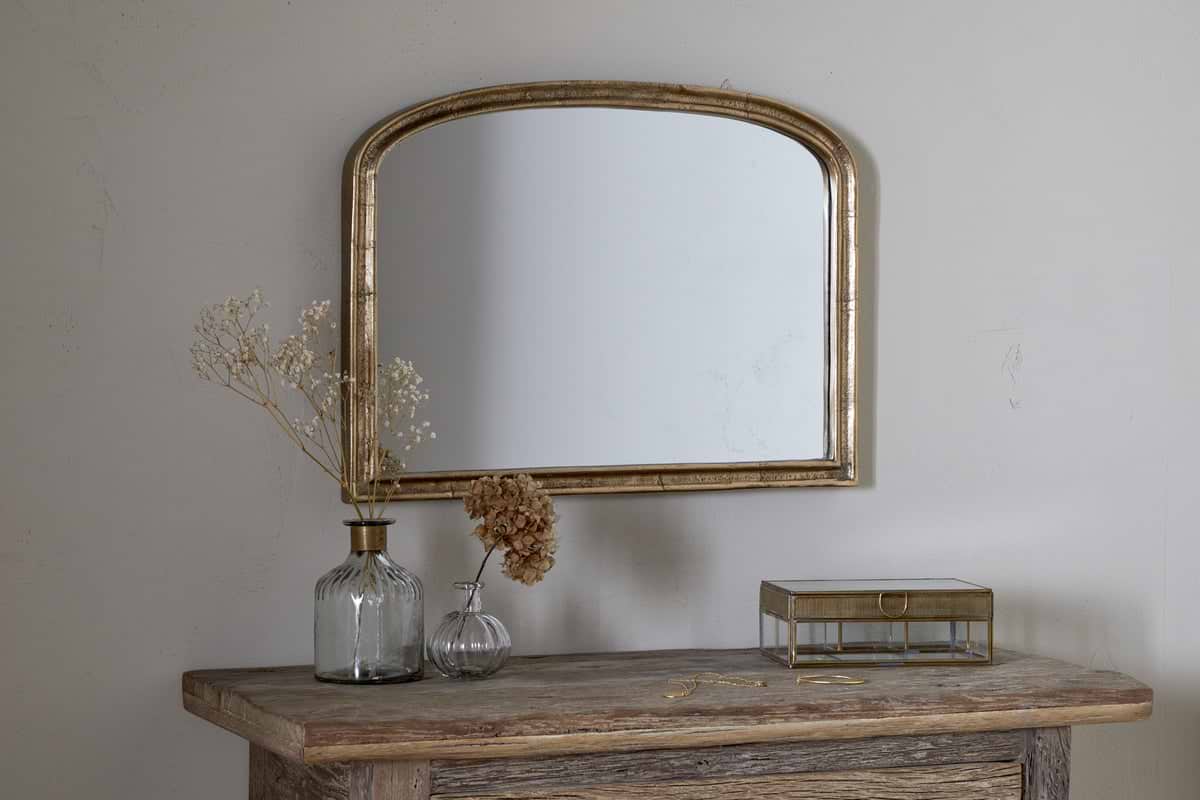
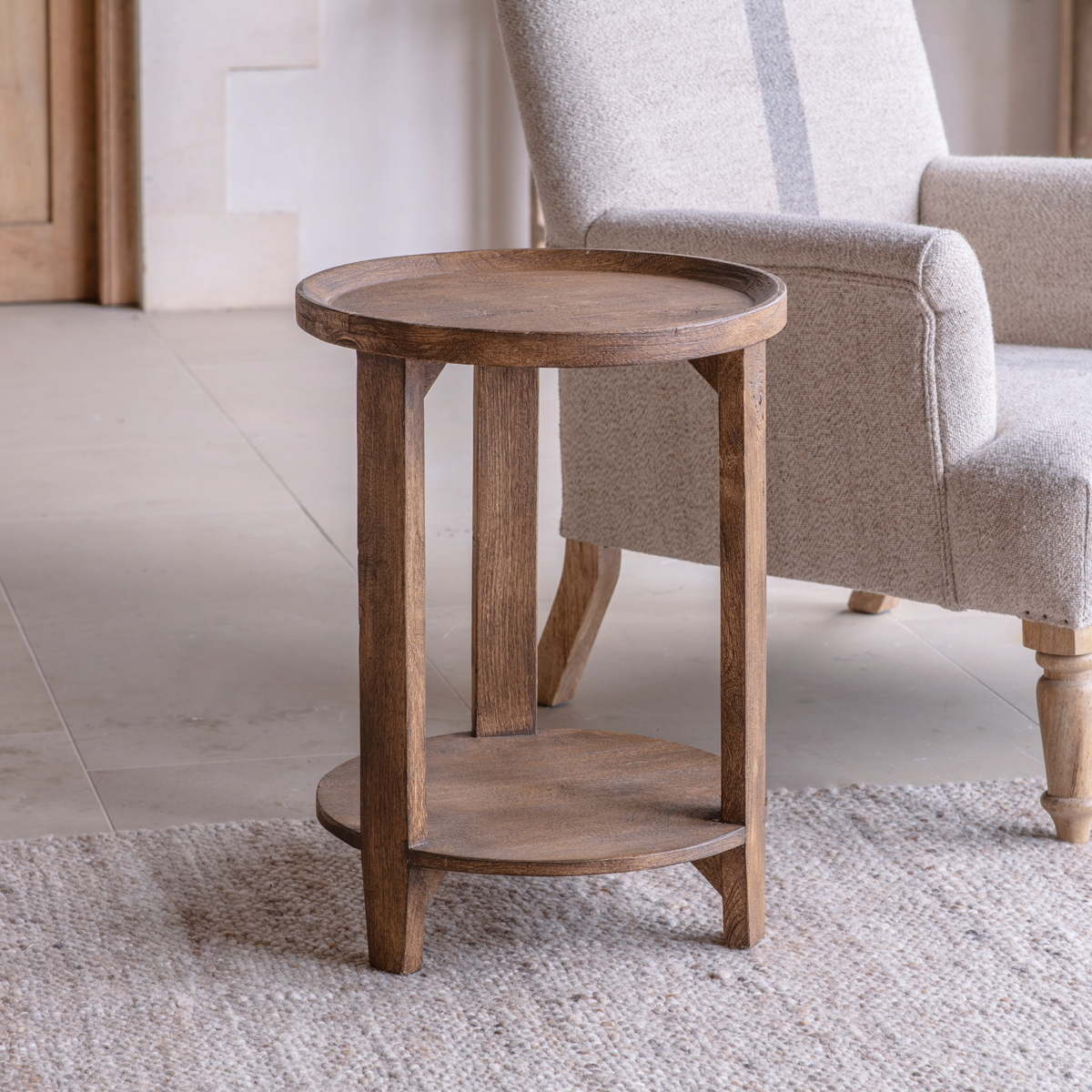
An antique brass mirror and slim sculptural side table work together to open up a small room.
Some links above are affiliate links. If you buy through them we may earn a small commission at no extra cost to you. We only suggest pieces we think fit a calm, lived-in home.
Free guide
The Calm Shelf
12 styling ideas to help you compose calm, balanced shelves in natural texture homes.