

Many rooms end up looking busy, cluttered or unfinished when the goal is how to make a room feel cosy. The main problem is not knowing how to use natural materials together, jute, linen, rattan and wood can sit too close in feel, or compete for attention, making the space look fussy instead of calm.
This guide gives you a clear order for layering textures and objects, so every material stands out for its strengths without overpowering your room. You’ll see what to remove, what to anchor, and how to use each material. This works especially well in a small living room when the lighting is low because textures add visual interest without crowding the eye.
The short version: The fastest way how to make a room feel cosy is to choose a lead material and use one large piece as your anchor, then repeat a second texture in smaller accents. This keeps the look simple and helps every natural material shine without crowding the space.

Where this works best
Natural material home decor works best in rooms that feel cold or unfinished, especially if there’s not much daylight or the walls are plain.
Bedrooms and living rooms with cool floors or white walls benefit most from bringing in jute, linen, or rattan. In a rental, these materials soften the hard edges left by basic furnishings and add interest when you can’t paint or make permanent changes.
Adding an earthy home decor touch, like a single woven ottoman or slouchy linen throw, gives shape to a space that may otherwise feel bare or echoey. In a kitchen, a rattan tray on the counter can break up the line of shiny appliances, while a wood stool warms up a tile floor.
Avoid using too many woven home decor pieces together in a small room, or the textures can fight each other. For example, a chunky jute rug and a thick rattan pendant may not work well in the same spot; anchoring with one helps everything else settle visually.
Placing a large linen curtain in front of a window catches soft light and reduces glare, working especially well in rooms where blinds feel harsh and lessen the sense of calm.
How do you choose a starting point for textures?
Pick one main texture, like a jute rug or linen curtains, as the anchor before adding more. This makes the room feel guided, not scattered, and helps the eye rest.
In an open plan living room, jute or wool underfoot is commonly used as the largest natural material, setting the tone for the rest of the space. If you don’t have a rug, a big linen throw or a wide wooden coffee table works just as well for this anchoring role.
This works because the primary texture quietly leads the space, while smaller touches (like a single rattan tray or vase) support without competing. A bare room reads as unfinished, but too many small textures stacked together make it feel unsettled.
Compared to scattering lots of little baskets and bowls around the room, anchoring with one strong texture calms down the whole look and gives everything else a place to sit visually. For example, a linen curtain helps the space absorb sound, which helps in a shared apartment with open walls.
Try starting with the largest piece you can manage for your room, then repeat a smaller accent, like a wooden bowl or a woven basket, once across the room for balance.
What’s the best way to mix jute, linen, and rattan?
Let each major natural material fill a different role, floor, upholstery, accent, using one per layer. This makes mixing look intentional, not crowded.
On a sofa, use linen for loose cushions or throws, then set a jute basket nearby for magazines or throws that aren’t in use. In a reading corner, a rattan chair with a linen pillow keeps the chair comfortable while breaking up the repeating weave of the rattan with a smoother surface.
Natural textures work best when you avoid repeating the same density at every level, so a solid wood coffee table is a good match with a woven pendant overhead, but less so directly above a bulky jute rug. A heavy base and airy accents keep the room feeling light.
Mixing natural material home decor works because each surface reflects or absorbs light differently. Linen often shows a matte, broken texture, whereas jute can be chunky and rough, and rattan catches light at its edges. When these sit together, each stands out more. If all surfaces are smooth, like plain cotton with lacquered wood, the room can feel cold and less inviting.
Try matching the role of each item to its strength: jute for the grounding layer, linen where you want contact (throws, cushions), rattan for light accents or baskets. For more examples, see Natural textures interior design the calm contrast method smooth tactile for how to pair surfaces that don’t compete.
Styling and placement
Leave space around each textured item and repeat one accent twice, at most. This gives every piece room to breathe and keeps the room from feeling overdone.
On a shelf, start with one substantial piece in a natural finish (like a pale wooden bowl), then add a small linen-covered book or a clay pot. Place empty space around each group to avoid a cluttered or heavy look.
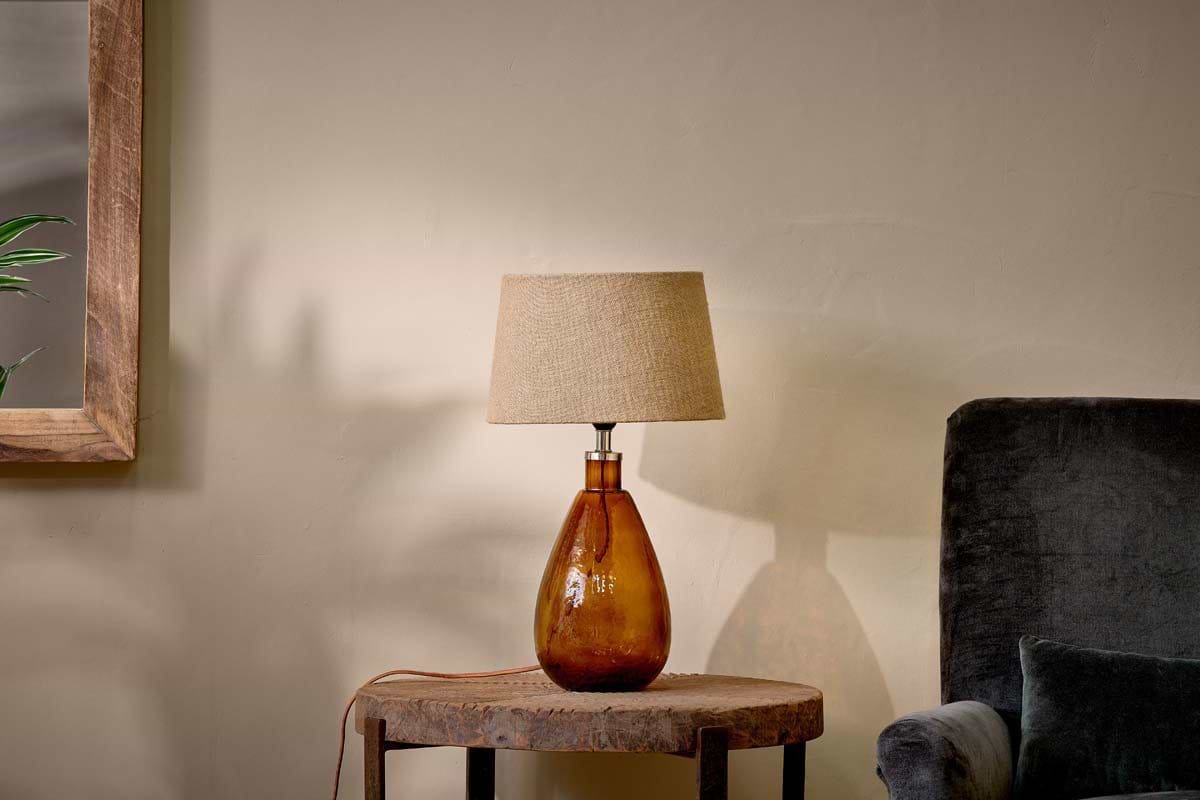
When styling a side table, a single basket beneath or beside, paired with a simple recycled glass lamp, makes the surface functional and keeps the area grounded. Overloading the area with different sized baskets or mixed woods instead can have the opposite effect, making corners feel busy.
Compared to lining up dishes or decor without breaks, using open space in between items softens the overall look. This is a principle often seen in Layered neutrals building depth in a minimal living room 3, where a few large pieces anchor the whole arrangement.
For floors, let a jute rug sit at the center with open space around the legs of your furniture. A rug almost as big as the furniture group helps bring it all together, while a small rug under a big table often looks lost.
Quick calm checklist:
- Use one anchor piece per material (jute rug, linen throw, rattan chair).
- Repeat accents, like baskets or bowls, no more than twice per room.
- Keep at least half a shelf or surface empty when grouping decor.
- Choose a natural palette: tan, off-white, pale woods, clay.
- Pick one lead piece and let other accents follow from there.
A good placement principle: for every textural group, let two-thirds of the surrounding wall or shelf surface show, so the eye gets a place to rest.

How much pattern or color is too much?
Keep pattern and color very limited if you want the textures and materials to stand out and the space to feel restful.
A narrow hallway with strong natural light can only handle a simple palette without looking cramped. Too many patterns or contrasting colors break up the unity of natural pieces and draw the eye in too many directions at once. This makes it harder to see the beauty of wood grain or the texture of rattan.
Unlike rooms styled with several throws, patterned cushions, and loud art, neutral home decor ideas work with simple basics. Burlap or jute in a tan, linen in washed off-white, and pale wood create warmth without shouting for attention. Keeping patterns to a small stripe or a gentle check, if any, helps a calm look.
A small living room benefits from a single throw pillow with a subtle stripe or a soft clay mug set by a woven basket. When every other object is plain, the one patterned piece feels special, not noisy. This works with Textured corners styling small spaces with big calm where focus is kept to material, not busy prints.
Choose one small patterned item or a muted tone, and let everything else in the room sit in its natural color.
Why does a room sometimes feel busy, not cosy?
A room feels busy when too many standout textures fight for attention or sit at the same height, making the eye jump from object to object.
Stacking lots of small baskets, bowls, and textured cushions on every surface makes even a neutral palette look noisy. In a living room, using both a thick jute rug and a large rattan pendant near one another can make corners feel top heavy instead of relaxed.
A calm space relies on letting bold and quiet materials trade off roles. Too many thin legs, like a nest of small rattan tables, look unsteady compared to a single, grounded oak coffee table. Visual calm comes from contrast: one substantial object, one smaller, and plenty of space in between.
If the space feels busy, step back and remove half the small items from each flat surface, then notice how much softer the whole scene feels. Keeping fewer, stronger items out is a simple fix for this problem.
Rooms can go from unsettled to calm simply by cleaning away extras and letting large pieces define your space. For more tips, see Wood glass and soft metals natural texture pairings that feel light, which shows how mixing just two or three materials in the right places opens up a room.
How to use lighting for warmth with natural materials
Soft, diffused light works best with linen, jute, and rattan, bringing out texture and adding warmth without glare.
Using recycled glass lamps or low, shaded fixtures spreads light more evenly, which works especially well with organic home decor pieces that show texture. Most people find that an amber bulb or a woven shade casts a glow that picks up the grain in a wood table or the shadow lines in a jute basket.
Direct overhead lighting tends to flatten natural materials, while side lamps or wall sconces let the eye see surface changes and gentle shadows. Unsaturated, indirect light helps soft colors, like tan or pale grey, look richer and deeper in the evening.
Compared to sharp, white ceiling lights, a simple accent lamp on a sideboard makes the room feel more layered and visually softer. One lamp in a transparent or subtle amber tone, like the Baba Recycled Glass Lamp, often gives just the right note of warmth at night.
Layer small points of light around natural materials and keep bulbs on the warm side for the cosiest results. Bedroom corners, reading nooks, and side tables especially benefit from this, drawing light down to human level makes the space feel more private and restful.
What tends to hold up with mixing natural textures
Looking across reviews, designer tips, and reader photos, starting with one anchor texture is the step most people end up keeping. A good-sized jute rug or a thick linen curtain gives definition and absorbs sound, making rooms feel finished even with little furniture. Matte surface finishes, like raw wood or uncoated rattan, are often recommended because they catch diffuse light without glare, especially near windows or lamps.
Mixing several pale and soft surfaces (linen, bleached wood, clay) in a single seating area builds more depth than adding a brightly colored highlight. Rooms featured for their calm almost always use a limited palette, with just a touch of glass or green from a houseplant for contrast. The common pattern: fewer, larger, plainer pieces work better than any number of small decorative accents.
, Mara, Loom & Glow
Common questions
What is the quickest way to make a room feel cosy using natural materials?
The fastest way how to make a room feel cosy is to choose a lead material and use one large piece as your anchor, then repeat a second texture in smaller accents.
How do I mix jute, linen, and rattan without them competing for attention?
Let each major natural material fill a different role-floor, upholstery, accent-using one per layer.
What should I avoid when styling with multiple textures?
Avoid using too many woven home decor pieces together in a small room, or the textures can fight each other.
Explore more calm combinations inside our Shop The Look .
Shop the Look
Warm accents that add mood and comfort in understated ways.
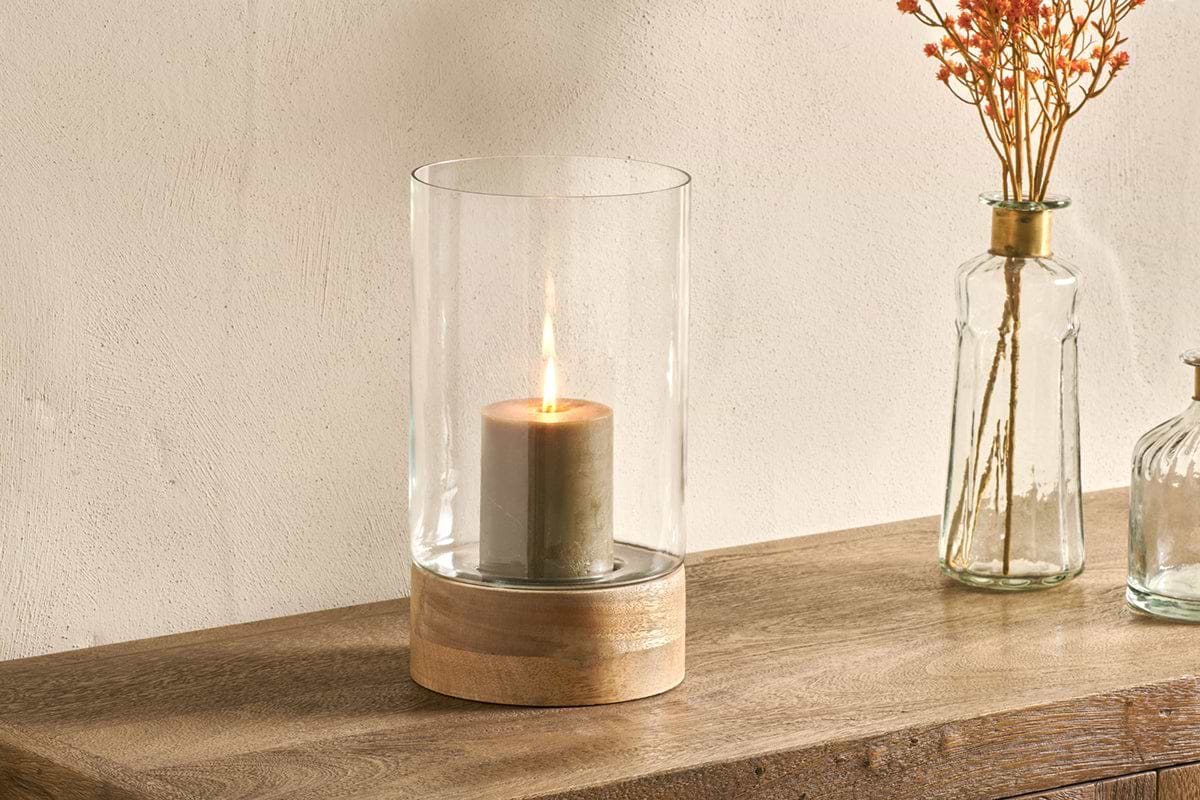
Idha Hurricane Lantern
Straight-sided glass, for candles indoors or sheltered patios.
View at Nkuku →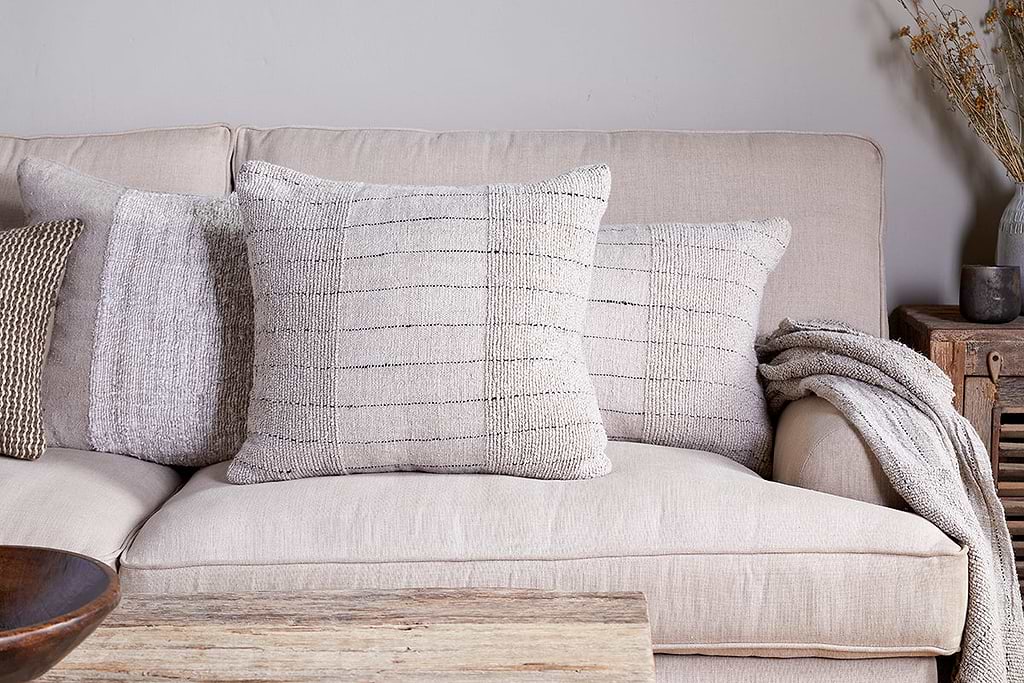
Mayla Cushion Cover
Soft hand-textured cover, instant warmth on linen sofas or chairs.
View at Nkuku →Some links above are affiliate links. If you buy through them we may earn a small commission at no extra cost to you. We only suggest pieces we think fit a calm, lived-in home.
Free guide
The Calm Leaf
12 quiet ways to bring dried botanicals, stems, and natural textures into calm spaces.