

Two adults sharing a compact bedroom often face a messy patchwork of pillows, blankets, and scattered essentials, especially with 2 beds in one room ideas for adults in play. Side-by-side mattresses and mismatched nightstands quickly pile up, making the space feel smaller and busier than it should.
This guide helps you spot, then fix, the layout and styling choices that make a shared room look grown-up and intentional. You’ll learn to keep floors clear, lighting soft, and storage practical. This works especially well for a small bedroom with low light when beds must double as day seats because every inch matters.
The short version: The most effective approach to 2 beds in one room ideas for adults is to unify layout, lighting, and surfaces, so the space feels coordinated rather than crowded. Choose shared furniture, anchor with a single rug, and use mounted lighting for a balanced, finished look.
Key takeaways
- A shared nightstand between twin beds saves room and pulls two beds into one visual line.
- Wall-mounted sconces free up tabletop space and provide focused, hotel-like lighting for each person.
- An oversized area rug covering both beds connects the setup and stops the floor from feeling busy.
- Beds with built-in storage simplify clutter and clear vital floor space in a shared small room.
- Neutral bedding and repeating materials make two beds look intentional, not mismatched or temporary.

Why does two beds in one room look messy?
Two beds share a visual line that multiplies clutter, so too many textures and objects turn a small shared bedroom chaotic fast. Choosing one unifying anchor and repeating a tight palette helps the eye rest.
In a small shared bedroom, the surface area of both beds combined covers much of the floor and wall. Layers of bedding, scattered chargers, and jumbled lighting stack up, especially if each person brings their own set. This is the real reason some “twin bed room ideas” online look off, each side reads as separate, doubling every object.
A shared nightstand, an oversized rug, and one main headboard or art piece visually pull the space into one story. Unlike split rugs or two dramatic lamps, a single foundation stops the eye from bouncing and calms the room, even when beds aren’t far apart.
Wall color also shapes calm. A plain painted wall behind both beds, paired with identical bedding, stops the restless feeling that comes when each side has its own textures. Uniform surfaces act like negative space.
A twin beds layout works better when the background is quieter than the bedding. Placing beds parallel under a window, or both under a single large textile, turns functional beds into a styling feature, less is actually more here.
To apply this, start by removing unnecessary side tables and moving both beds onto a single area rug, so the floor looks like one visual field, not two separate zones.
Where this works best
A side-by-side or foot-to-foot bed arrangement suits small rooms for adults when you need personal space but want a unified look. This is especially true where every inch must serve both seating and sleeping.
Narrow city bedrooms, spare guest rooms, or any apartment with a single closet work well when room for furniture is low and two adults must share. These spaces benefit most from careful arrangement, since beds usually need to double as couches or work nooks by day.
Side-by-side or L-shaped layouts keep floor space flexible, while foot-to-foot works if storage or a dresser needs to run along the wall. The trick is keeping beds away from entry doors or closets, allowing clean pathways to cross the room without stubbing toes or blocking storage bins.
Avoid mixing bed types, like pairing a chunky bed frame with a slim metal base. When headboards or bases clash, even subtle, the room looks thrown together instead of finished.
For cramped arrangements, floating furniture against one wall and using a single main layout idea, side-by-side or L-shape, gives adults the most comfort for the least daily effort. This keeps visual weight off the floor, supports storage boxes underneath, and is generally more renter-friendly.
Try a side-by-side twin setup along the main window wall, with a single bench or storage ottoman at the end, for a hotel-style feel that works even on uneven floors.
How do you choose the right bed arrangement?
Choosing a layout for two adult beds depends on room shape and storage needs. A side-by-side or foot-to-foot arrangement builds symmetry, while an L-shape fits awkward corners with minimum fuss.
Rectangular rooms support either side-by-side beds with a shared nightstand, or foot-to-foot when one window or feature demands both sleepers face out. If floor space is tight, anchoring two twin beds on a single rug and running shelves overhead pulls the layout together.
Square and irregular rooms handle L-shaped beds or a daybed with a trundle sleeper better, these shapes avoid cutting sight lines or shrinking the central floor. A daybed or sofa bed on one wall, with a twin on the other, reads less like a dorm and gives adults privacy in shifting routines.
| Layout style | Best for | Downside |
|---|---|---|
| Side-by-side | Long walls, easy storage, shared zone | Needs headboard or art to tie together |
| Foot-to-foot | Square rooms, shared end table, no window block | Feels tight with bulky beds |
| L-shaped | Small rooms, tricky corners, more privacy | Harder to style as one scheme |
| Daybed/trundle | Multipurpose rooms, flexible guests | Sits lower; adult use sometimes feels temporary |
Unlike traditional head-to-head setups, using beds as seating by day, anchor one with a bolster pillow and throw, lets adults double-function the room, without buying extra chairs.
Pick a side-by-side arrangement for regular routines, or an L-shape if traffic flows diagonally. Test by laying out painters tape before moving heavy frames.
Should you use one shared nightstand or two?
A shared nightstand between two adult beds keeps small rooms neat and visually tied, while two small tables tend to repeat clutter and crowd the floor. Choose a stable, simple table.
A stable nightstand with drawers or an open shelf is the anchor of most adult shared bedrooms. Placing it in the middle gives both sleepers a landing spot for water, books, or phones, without doubles of everything. According to Sunday Flat, one nightstand is functional but looks grown-up, especially when styled with a solid lamp and bowl for keys or rings.
Unlike separate smaller tables that quickly fill with clutter and loose chargers, a single, slightly larger table can support deeper drawers or a basket underneath. This keeps necessities within reach but prevents the space from feeling split in two.
If both adults need more storage, use a nightstand with room for a shared basket or soft box beneath. This softens the look compared to a hard-edged box or a pair of mismatched crates.
To keep the look clean, top the nightstand with one low lamp, a coaster, and a catchall tray. Place the table in the center, even in an L-shaped layout, to bridge the two sleeping areas naturally.

How do you keep lighting even with two beds?
Wall-mounted sconces above each bed keep shared rooms looking finished and floor clear, while table lamps multiply clutter. Sconces are renter-friendly and cast a hotel-style, inviting light.
Mounting wall sconces above each bed provides focused reading light and frees up space on the shared nightstand. This trick, which decorators borrow from hotels, means both adults get light control with no need for bulky lamp bases.
Wall lights also stop cords from tangling over shared furniture, and the clean wall line draws the eye up, making ceilings want to feel taller. Hardware is typically easy to attach, even in a rental, plug-in sconces work without damage.
A bare overhead light throws harsh shadows across twin beds, making the room feel more like a dorm than a home. Instead of two table lamps (which double the clutter), use matching sconces or even a pair of clamp lights for a softer glow.
Lighting looks best when the sconce is centered above each pillow, level with the top 1/3 of the headboard. This keeps nighttime habits peaceful and the room visually neat. For a softer touch, try linen sconce shades or frosted bulbs; these cut glare compared to plain exposed bulbs.
Apply this by mounting or placing lights before arranging the rest of the accessories. Aim for light that fills the reading and walking area without washing the entire room in glare.
Styling and placement
Styling two adult beds in one room is easiest when the same bedding and rug anchor the space, while a quiet palette stops visual mess. Focus on repeating materials and keeping surfaces open.
Repeating the same bedding on both beds, think a pair of linen duvets in oatmeal or charcoal, makes the room feel organized, even if everything else is simple. Contrasting bed frames, like pairing a light wood with a black metal, creates a jarring split; one material, in either warm or cool tones, blends better for shared bedrooms.
One rug large enough to sit under both beds, as decorators recommend, links the layout as a single zone. Unlike two small rugs (each floating off-center), one oversized rug absorbs noise, feels plush underfoot, and stops the room from looking like it was divided as an afterthought.
The best finishing trick: hang a single, wide piece of art above both headboards, or add a long bolster pillow spanning both beds. Compared to individual art for each, this looks more custom and less like two mismatched hotel rooms.
Quick calm checklist:
- Choose bedding in one muted tone, like white, sand, or slate.
- Place an area rug large enough for both beds’ front legs to rest on it.
- Hang a shared headboard, shelf, or single art piece above both beds.
- Limit bedside accessories to one tray or bowl for both sleepers.
- Repeat at least one material, linen, cotton, cane, or wood, in bedding and storage.
For instant polish, pull both beds about a hand’s width away from the wall and tuck the rug underneath, rather than pressing frames flush against drywall, in most rooms, this little air gap lets colors and shadows blend.
Rug choices and repeat bedding both apply well to guest setups, tight shared rooms, or rental spaces needing a nonpermanent upgrade. If possible, layer a single throw blanket at the foot of each bed to finish the look.
Connect the dots further by referencing small bedroom ideas for subtle palette updates that do not overwhelm the room.
How do you add privacy or division with two adult beds?
Soft dividers like light curtains, freestanding shelves, or canopies give adults privacy when sharing beds in one small room, without blocking light or closing off the space.
If you both crave personal space, textile dividers are the most flexible solution, hanging a cotton or linen panel between beds creates a subtle privacy line that retracts or opens fully. This soft division is gentler than a solid wall and leaves natural light unblocked, helping both sleepers feel less boxed-in.
Open shelving as a divider, positioned between bed ends or near the door, offers both storage and privacy, while keeping a small room from closing in. Unlike permanent walls or bunk constructions, low open units can hold baskets, shoes, or books on both sides, this form of double-sided storage keeps utility up even when space is shared.
For deeper separation (say, when sleep schedules differ), an L-shaped half wall or rich fabric canopy pulled from ceiling hooks gives structure without needing landlord approval. A bed canopy of light muslin can tie to hooks and untie in minutes, good for renters who want a change without commitment.
Pairing a textile screen with a shared wall lamp keeps the space open by day but personal at night. Compared to placing a dresser or wardrobe in the divide, light dividers preserve the open feeling and make rearrangement easier.
Consider a mounted rail for curtains, or an open bookcase painted the same shade as the wall, so it blends rather than cuts the room up visually. If the beds are in an L, a screen works best placed at the foot, keeping bedding easy to change and making both beds usable as reading spots in daylight.
Browse small bedroom layout for more tricks with curtains, screens, and open shelving as clever room dividers.
Often, the realisation hits after living with two adult beds in a compact room for a while: something feels busy, a little cluttered, or not quite finished. There are too many small pieces, extra tables, clashing lamps, doubled fabrics. The main shift comes from unifying anchor pieces and simplifying the plan before adding anything new.
The room improves instantly once you use one rug, share lighting or storage, and pick a single focal point, suddenly, each surface feels less crowded.
It’s easy to slip into the trap of multiplying everything: two lamps, two rugs, endless baskets. Most homes wind up with a jumble of mismatched pieces, which makes the space feel like a temporary fix instead of an intentional setup. In small rooms, this mistake adds visual noise and daily frustration, especially when tidying or trying to relax. Once you pare back, add a main anchor, and repeat color and material, the room calms down. Save this idea for later.
What tends to hold up with 2 beds in one room ideas for adults
Looking across rooms, the unifying move most often recommended is picking one main object, a rug, headboard, or nightstand, that anchors both beds without over-decorating. Reviewers note that doubling every item creates busyness, while shared pieces read finished and spacious. Matte finishes, light bedding, and soft textures draw less attention to corners and footboards, helping two beds in one room ideas for adults feel more deliberate. The firms who specialise in small spaces nearly always suggest wall-mounted lighting in place of table lamps, since cords and bases take up limited surface area fast.
A pattern seen in small apartments is that repeating one material across several pieces, like cane baskets or linen duvet covers, removes distraction and stops a room from feeling thrown together. The best rooms for adults rarely look themed; they tend to keep storage hidden, palettes reduced, and furniture lines clean.
, Mara, Loom & Glow
Common questions
How do you style two beds in one room so it does not look cramped?
The best way to style two beds in a shared room is to use a single large rug, matching bedding, and a shared nightstand. Limiting decorative accessories and repeating materials on both beds keep the atmosphere calm and adult. Wall-mounted lights help reduce surface clutter.
How should you arrange a single room with two beds?
The ideal arrangement for a room with two beds is side-by-side on the longest wall or in an L-shape depending on the space. Place a shared nightstand in between, and keep one main rug underneath both beds for unity. This setup makes small rooms efficient and comfortable.
What makes a shared bedroom look tacky rather than intentional?
A shared bedroom looks unintentional when every side has different bedding, mismatched tables, or random rugs and lamps. Choosing a single, large anchor piece and simplifying the color scheme instantly brings a more grown-up feeling to the space. Avoid doubling small pieces with no visual relationship.
What bed styles work best for two adults sharing a room in 2026?
Two adults sharing a room in 2026 often use twin beds with built-in storage, a daybed and a trundle, or streamlined platform frames. Materials like wood or upholstery in soft, neutral colors look calm and grown-up. Multipurpose beds keep the floor open and the arrangement practical.
Explore more calm combinations inside our Shop The Look .
Shop the Look
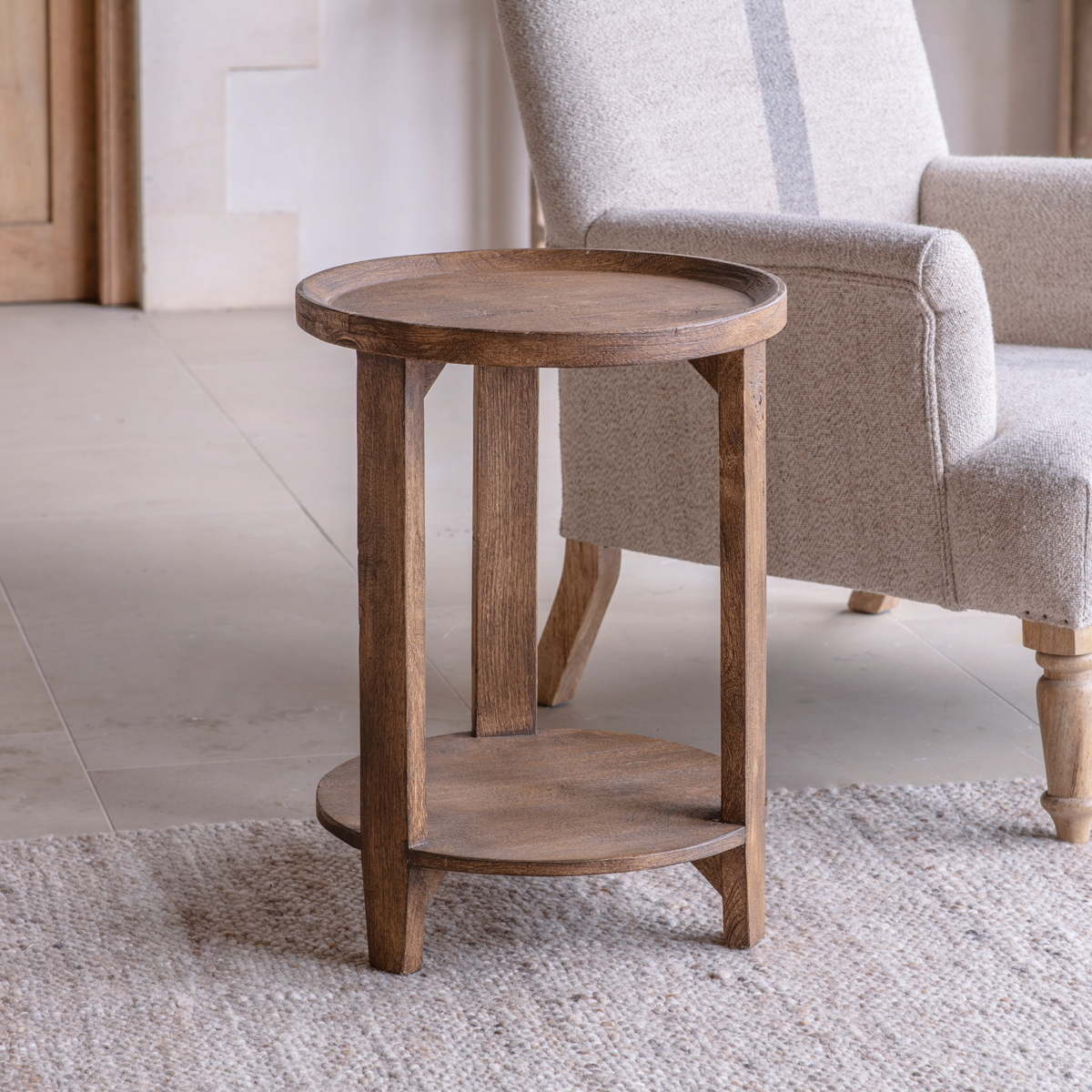
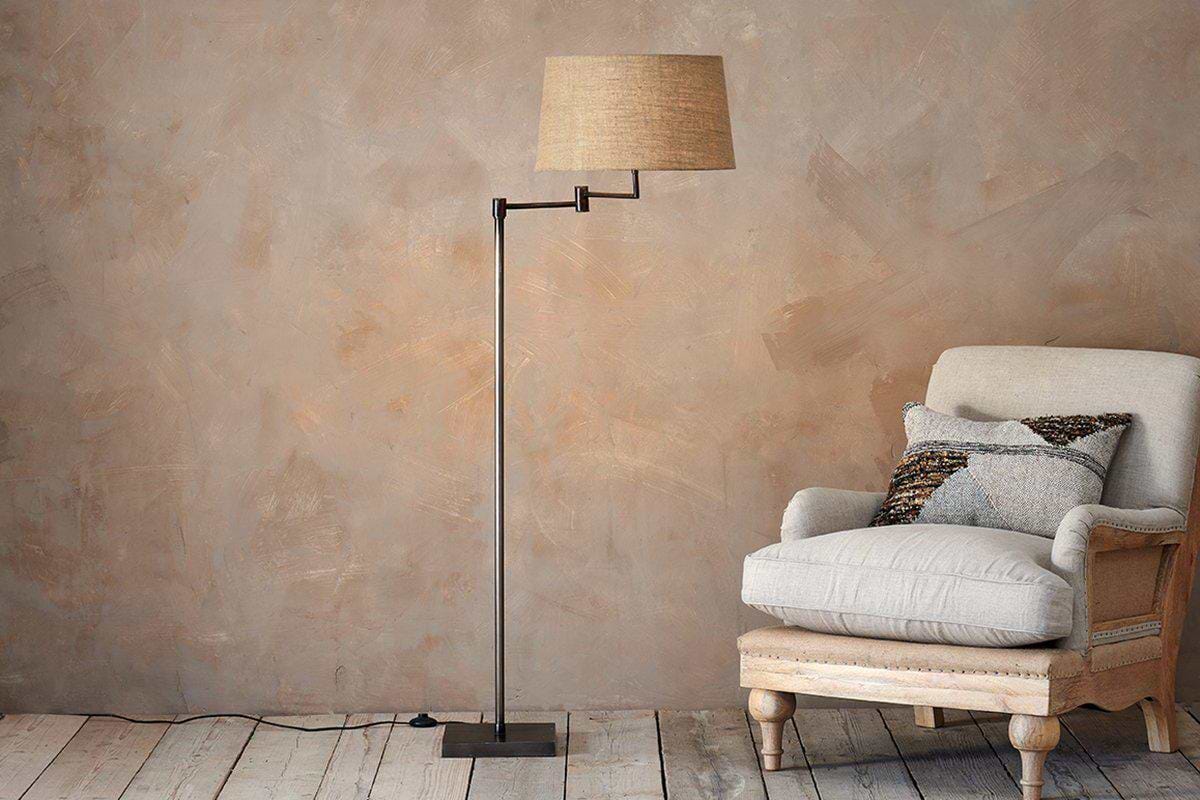
A slim side table and corner floor lamp make efficient, uncluttered sleeping space.
Some links above are affiliate links. If you buy through them we may earn a small commission at no extra cost to you. We only suggest pieces we think fit a calm, lived-in home.
Free guide
The Calm Shelf
12 styling ideas to help you compose calm, balanced shelves in natural texture homes.