

Most people start searching how to style a sideboard after their first attempt ends with a cluttered mess. The line-up of frames, bowls, and plants quickly looks busy or unplanned, especially when natural materials compete instead of working together.
This article shows a way to bring order and calm: you’ll decide what stays, what goes, and why each material is on the surface or the wall. This works especially well in a small apartment dining area when you mix jute, linen, rattan, and wood because it stops the space from feeling chaotic.
The short version: The best answer for how to style a sideboard is to set one strong focal point above, use three zones on the top, and repeat natural materials by feel, not by colour. The sideboard becomes calm when negative space and texture are used with a clear order.

Where this works best
The layered, calm approach works best in living rooms, hallways or dining spaces where storage and display overlap. It brings clarity when visual rest is needed between the kitchen and soft seating.
Sideboards are picked for spaces that act as both walkways and social spots. In an open-plan living room or a hallway that’s more than a corridor, sideboards help manage the mix of things you want on show and items that need to be tucked away. The surface offers its own challenges—a spot for keys, but also a display for books or a woven tray.
Spacing changes the outcome. When a sideboard sits in a narrow hallway, using a single tall vase or lamp keeps it from looking overloaded. In a family area, the same surface can stack coffee table books alongside a shallow bowl for headphones or chargers, dividing useful from decorative. A console table works differently: it expects little storage and more openness, which can leave a sideboard looking heavier if you use both in the same room.
Avoid treating every sideboard like extra kitchen storage. Placing too many small containers, or crowding the top with candles, breaks the sense of calm. Instead, pick three zones and let each have a job: anchor, fill, and rest. This stops the collection from spreading into visual chaos—especially important with natural material home decor, where each piece is different by nature.
For most living or dining rooms, one surface styled with clear zones works better than two filled with random finds in every corner. Place a linen runner down the centre, add a stack of books at one end, and let the rest stay open.
Which focal point goes above?
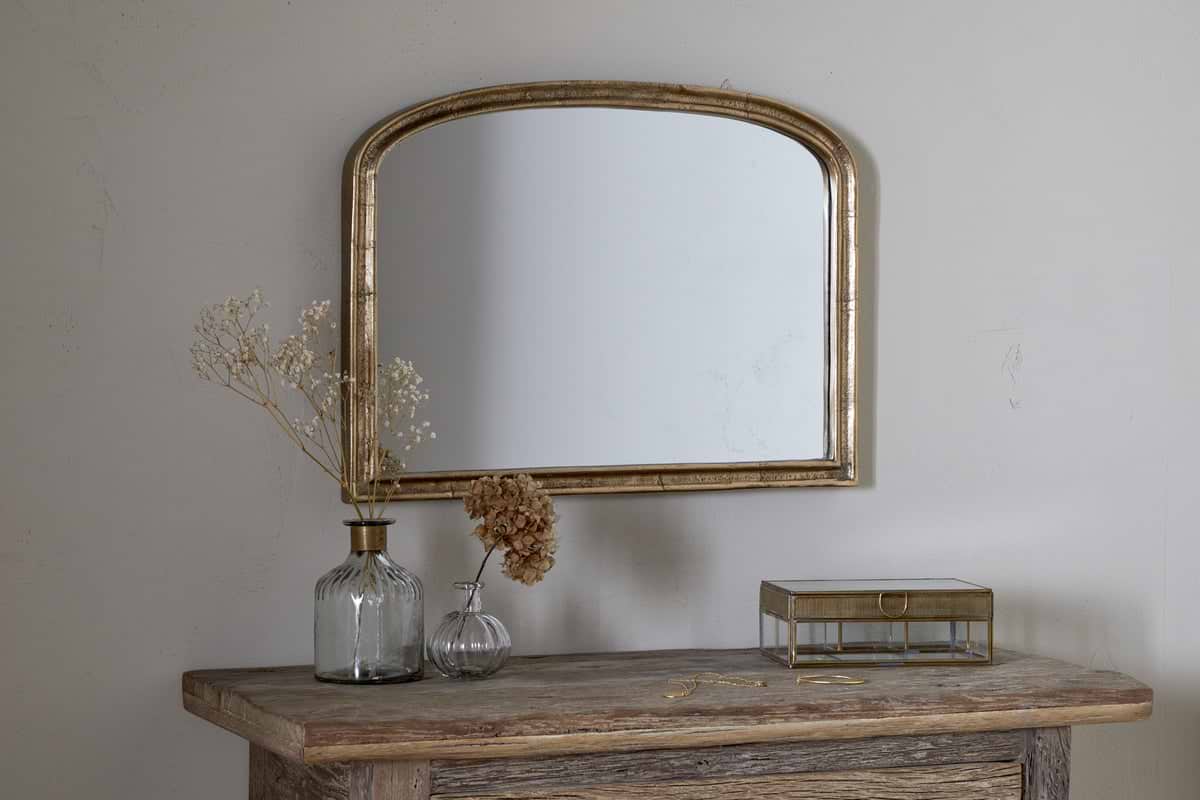
Anchor the whole sideboard with one clear item above: a round mirror, a single artwork, or a woven piece. This sets order, keeps the eye steady, and brightens low-light rooms.
Many homes start with the objects on top, not the wall above. A sideboard looks unfinished when there’s nothing rising behind it. A mirror is the most forgiving option: it reflects daylight, softens sharp corners, and works even in a rented space. Hanging a round or arched mirror above the sideboard can also make a hallway feel bigger and less blocked, especially in older flats or narrow spaces as many stylists recommend.
Art feels warmer, but the size matters. Lean an oversized frame — about half to two-thirds the sideboard’s width — for a relaxed, non-symmetrical finish. This scale gives the eye one clear place to rest, keeping the smaller objects from taking over according to guides on sideboard styling ideas. Unlike a wall grid or gallery, a single large piece doesn’t compete with storage or scatter the eye.
If you want a softer look, a square of linen wall hangings, or a sculptural woven piece, adds richness and absorbs sound. Both serve as an anchor above organic home decor, repeating natural fibre but with height and shape, not more clutter.
For most, one strong anchor above lets everything below sit in clear relation to it — not fighting for attention. This order lets you repeat the same calm formula anywhere a sideboard sits against a wall.
How do you build calm with three zones?
Split the top into three zones: one with height, one medium, and a rest zone. The eye relaxes when there’s space between clusters.
The easiest way to stop a busy sideboard is to break it into sections. This three-zone method uses classic styling — large on one end, medium in the middle, and one clear space left open. Most professional decorators group decorative items in threes at varied heights for a balanced vignette as summarised here.
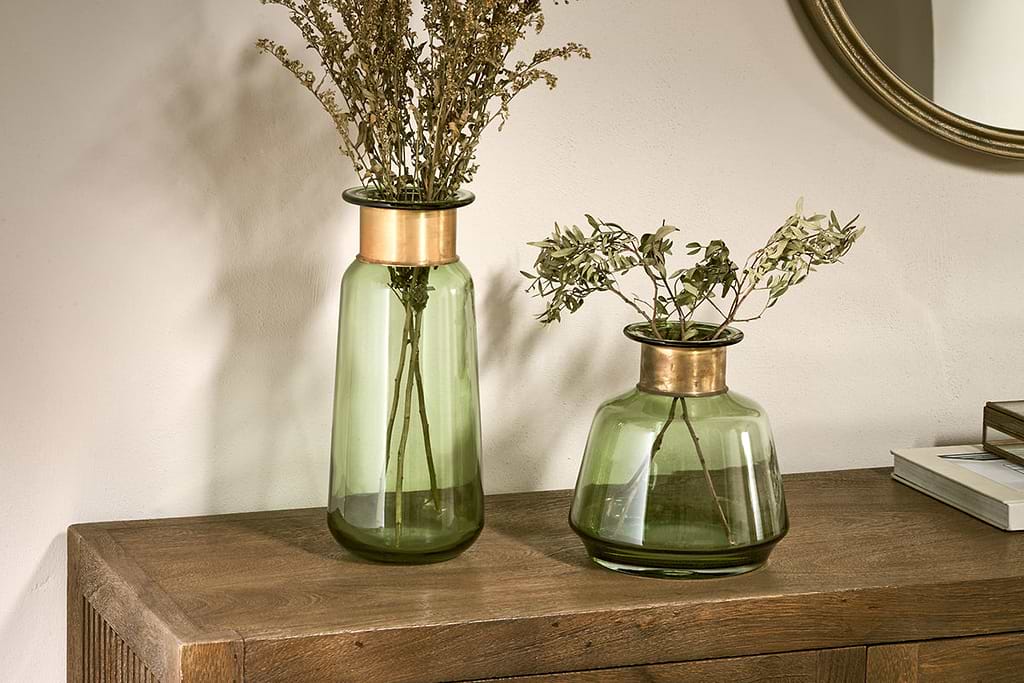
On the left, you might have a table lamp or a tall recycled glass vase. The centre holds a lower stack of books, a wood bowl or a short ceramic piece. The far right stays mostly open, with perhaps a single sculptural branch crossing from one zone to the next. Compared to spreading items evenly all over, this cluster-and-rest pattern makes a small surface breathe.
In a multipurpose family room, the three-zone system makes it easy to tidy up: put the things that move (like remotes or keys) in just one section. It also keeps each material visible. Woven home decor can show off its texture best when set alone at the side, instead of mixed into a pile of jars and plants.
Use this structure for both wide sideboards and shorter console tables. The same layout keeps dining rooms calm and hallways clear, so the table doesn’t end up collecting bags, mail, and random bits through the week.
How do you mix wood, ceramic, and natural fibres without chaos?
Pick two key natural materials to repeat, and keep most objects below eye level. Layering is tactile, but too many types fight the eye.
In a small urban flat, sideboards often become a highlight: mango wood, glazed ceramics, rattan baskets, linen runners. But the mix can quickly turn busy when every piece is unique. Natural material home decor stands out best when you choose two textures to lead and repeat: for example, one woven tray and a jute basket paired with a wood bowl and one clay vase.
Light changes how these surfaces work together. Wood grain absorbs glare, which lets ceramics and recycled glass catch the eye with a soft shine. Unlike pairing too many shiny metals, the combination of matte and softly reflective textures adds interest without loudness. This approach is practical: it keeps the setting from feeling flat or patchy.
Spaces with low light, like an entryway, benefit most from one very tactile piece—such as a thick linen runner or a rough-woven tray—broken up with smooth bowls and stoneware. The difference in touch and weight gives definition to each object, letting earthy home decor be seen as a set, not just a pile.
Keep your array to three to five surface items, and think of the rest as empty space—sideboards styled this way stay neat longer and look more relaxed. Choose calm neutral home decor ideas to support your main palette: off-white ceramics, pale wood, or a soft beige book cover are stronger as a quiet background for one sculptural basket.

Styling and placement
The calmest looks use clear gaps, soft shapes, and nothing stacked too high. Each item needs room to show its edge and shape.
Placement is about more than what sits on top. A sideboard up against a window or tucked under a shelf always benefits from restraint. The most reliable method is to set the tallest object (like a lamp or tall vase) to one end, stack or group smaller items in the centre, and let the shortest piece, like a bowl or tray, anchor the other side.
Bookshelf styling may give you ideas for balance, but sideboards demand slightly more negative space so the whole surface doesn’t feel blocked. A bare shelf reads colder than one with a single woven basket; but too many small objects make any room look busy.
Use soft-edged items—clay bowls, rounded baskets, smooth candles—mixed with sharper lines from books or a blocky tray. Guides agree that varying the height of objects draws the eye smoothly and stops the top from feeling flat.
Quick calm checklist:
- Choose two main materials (like jute and wood) and repeat them in two spots each.
- Leave one end mostly empty, don’t fill the surface edge to edge.
- Balance one tall object with one low bowl or tray.
- Keep colour palette soft: no more than three main tones besides natural wood or white.
- Limit objects to three groups, not a line-up all across.
For open-plan setups, style the sideboard so one end is visible from a sofa or dining table, using a linen runner or a ceramic vase to pull the eye gently but not steal focus. This anchor gives confidence to the rest of your neutral home decor ideas.
How important is lighting for a sideboard?
Soft, warm lighting changes the mood in the evening and picks up natural textures. Overhead light alone makes surfaces look harsh or dull.
Rooms with sideboards often lack their own power point for task lighting. Relying on overheads can flatten even the best-styled surface, leaving the grain and weave of baskets and jute trays lost in shadow. Instead, a warm table lamp or a small plugged-in sconce gently lights up wood, linen, and rattan, showing off their texture and catching soft reflections across ceramics.
In dim hallways, a table lamp also builds safety and comfort. Unlike ceiling fixtures, a lamp gives just enough local light to let you see every item without glare. The best versions have a woven or linen shade; the material glows warmly without showing marks or harsh edges. A pendant like the Jahari Woven Jute Pendant – Natural does this with overhead warmth, ideal for earthy home decor and slow living decor.
Most evenings, even a battery-powered lamp is enough. Lighting the sideboard transforms it from storage to display, making the surface feel considered rather than an afterthought. For best results, pick a lamp with a downward shade or a loosely woven body so the glow is diffuse, never harsh.
An entryway with a softly-lit jute shade helps guests feel welcome as soon as they walk in, while a dining room sideboard benefits from warm, even light during dinner.
What living element makes a sideboard feel finished?
A single branch, dried stem, or trailing plant brings in movement. Living or natural accents finish the look and soften hard corners.
No matter the material mix, adding one plant or natural stem helps break up straight lines and static shapes. Most stylists recommend a branch or stem in a ceramic or recycled glass vase set at one end of the top. Unlike bouquets, a single stem feels more relaxed and doesn’t overpower neutral home decor ideas.
Rooms with little daylight, or spaces facing a busy street, may do better with dried grasses or a faux trailing plant. Eucalyptus, olive, pampas, and willow all last well and are easy to find. The softness of a branch arching across a basket or a bowl balances out the lines of books, mirrors, or picture frames.
Compared to piling up small potted plants, a single stem or trailing vine is neater and stays fresh longer. The sideboard shifts from a hard-edged cabinet to an inviting focal point—especially when the green or beige tone repeats one of the secondary materials below.
Finish each sideboard styling session with this last detail, even in a busy hallway, to see the difference plant shapes can make in slowing down the look and adding comfort.
What tends to hold up with working with natural textures
Looking at hundreds of reader photos and room breakdowns, the sideboards that stay visually calm are the ones that repeat a small set of materials and don’t crowd the corners. Reviewers highlight that matte finishes last and look better near sunlight. Open space wins over more objects — negative space isn’t empty, it’s what gives each object weight. Decorators often return to the idea of “three groups, varied height” and most everyday readers agree: too much shine or too many shapes make rooms feel restless.
Spaces that stick to one or two woven or wooden items get described as ‘soft’ or ‘inviting’ far more often. The pattern that stands out: less clutter isn’t just for minimalist homes, but for anyone trying to mix natural and organic home decor without noise.
— Mara, Loom & Glow
Common questions
How do you make a sideboard look good?
To make a sideboard look good, use one strong anchor above (like a round mirror), group items on top in three zones at varied heights, and let negative space show. Repeat textures rather than colours for calm. Fewer, well-chosen pieces stand out better than a crowded line-up.
What should you put on top of a sideboard?
On top of a sideboard, set one tall vase or lamp, a few books or a tray, and a bowl or candle. Add one living element, like a stem or a small branch. Stick to two or three materials, keeping some clear surface to avoid a busy look.
What to put on either side of a sideboard?
On one side place a lamp or a tall vase, and on the other a grounded item like a tray or a basket. This split keeps the surface balanced. Middle space can stay open or hold stacked books. This shape draws the eye and avoids overflow.
Are sideboards still fashionable?
Sideboards are still fashionable, especially when styled with natural and organic home decor. They combine storage with display, fitting into slow living decor trends. Styles shift, but sideboards in wood, rattan, and neutral materials remain popular for their mix of function and calm looks.
Explore more calm combinations inside our Shop The Look .
Shop the Look
Layered pieces that work the rule of three on a sideboard without fuss.
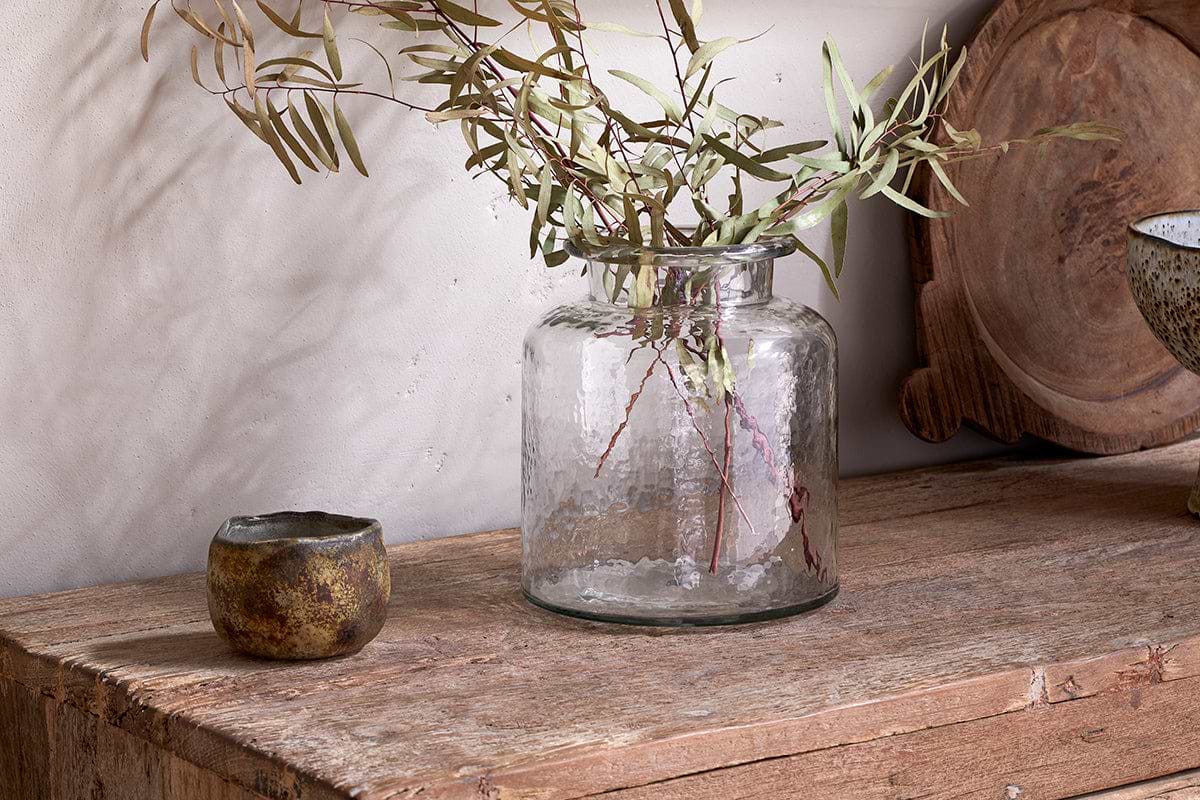
Akra Recycled Glass Vase
Clear cylindrical glass — pairs with stems or sits empty as a quiet accent.
View at Nkuku →Some links above are affiliate links. If you buy through them we may earn a small commission at no extra cost to you. We only suggest pieces we think fit a calm, lived-in home.
Free guide
The Calm Leaf
12 quiet ways to bring dried botanicals, stems, and natural textures into calm spaces.