

Many balconies and patios turn into storage corners, with a recycled glass vase or two stranded outside because they seem too delicate, or no other spot feels right. Rental rules, lack of built-in storage, and constant clutter make it hard to see these spaces as usable extensions of the home rather than just places for old plant pots or broken chairs.
Today, you’ll learn how to anchor your outdoor area with calm, natural touches, focusing on shape, placement, and what actually makes a recycled glass vase relax a space instead of adding fuss. This works especially well for a small patio when sunlight is limited because glass catches and spreads the available light, making the area feel bigger and less boxed-in.
The short version: A recycled glass vase catches natural light and softens hard corners, making even a small, awkward balcony feel like a calm outdoor room. Choose one or two that suit your space, pair them with quiet textures, and keep the look open, so everything feels pulled together without feeling full.
- Why does recycled glass work so well for calm spaces?
- Where this works best
- How do you pick recycled glass vases that feel considered, not random?
- Styling and placement
- How do you avoid a cluttered look with grouped vases?
- What should you actually put in a recycled glass vase outdoors?
- What pairs well with recycled glass outdoors?

Why does recycled glass work so well for calm spaces?
Recycled glass vases filter sunlight and never feel heavy or busy; subtle bubbles or tint hint at natural origins, which suits relaxed spaces better than crisp new glass. The look is lasting and soft, not flashy.
Most outdoor areas need decor that feels as flexible as the space, something that works through seasons and never looks stuck or forced. Recycled glass vases bring a gentle, slightly imperfect feel that works anywhere, from covered patios to sunlit balconies, because no two are identical and each catches light differently.
Unlike bright, symmetrical pots or plastic planters that grab attention but feel off in a quiet space, the softly tinted glass stays restful, muting sharp lines. Even on a rainy day, a slim glass bottle on a table looks calm and doesn’t dominate.
A living area that leads onto a rental balcony feels more open and looked-after when one or two recycled glass vases echo the relaxed look of cotton throws and jute mats. Paired with simple, light materials, they become part of the rhythm of daily life outdoors.
Place them on a side table, low wall shelf, or windowsill where light shifts, this draws the eye and stops the space from reading flat.
Where this works best
Recycled glass vases fit best in places that tend to look bare or forgotten, balcony corners, untended shelves outside, or a covered porch table. These edges gain a bit of softness and now feel planned.
Balconies and patios often have awkward shapes, tricky corners, or ledges too slim for a row of larger plant pots. Here, a recycled glass vase suits because it’s light enough to move and won’t overwhelm a small ledge or coffee table. In rental buildings with strict rules about drilling or painting, glass vases require no changes to the structure and do not damage surfaces.
On a sunny windowsill or outdoor shelf, glass blends in when the sun is out and gently stands out when dusk falls. Simple outdoor decor ideas like adding one of these vases among trailing plants or near a woven seat help join the indoor and outdoor zones, useful for anyone looking for small patio ideas on a budget or within rental limits.
Avoid grouping glass vases on high-traffic pathways, where they risk being knocked over. A heavy, solid planter works better in those spots as an anchor, while glass does best where it can sit quietly.
Try a slender vase on a side shelf by the outdoor lounge seat, or line up two along the balcony ledge where the evening light comes in. The look changes with the season, but the feeling of a finished edge remains.
How do you pick recycled glass vases that feel considered, not random?
Choose organic shapes with soft rims, subtle tints, and visible bubbles, these all show their recycled origins. A bud vase, round bottle, or classic Nkuku Akra shape will always outlast trend-driven styles.
With glass, tiny variations set the best pieces apart. Most recycled glass vases are hand-blown or made from reclaimed bottles, which means they naturally get tiny bubbles or a faint green-grey tint. These cues help the vase read as warm and finished, not like an accidental jar.
A bud vase anchors a slim spot or sits next to a cushion, while a rounded bottle shape catches more light and works in the open. Compared to polished new glass, reclaimed versions look more forgiving after outdoor use, fingerprints and light water marks blend in, instead of standing out.
For outdoor living ideas, match the size of vase to the available shelf or table, not just the height of the flowers or branches. Arrange bottle vases at the corner of a narrow coffee table or along a shallow ledge, both catch light and make the most of the layout.
Pick up a bud vase or tall bottle from a trusted brand and use the piece as your main accent, not as clutter.
Styling and placement
Keep groups of vases simple, cluster in odd numbers, mix heights, but limit palette. Use negative space so each vase can catch the light and give the eye space to rest.
For a balcony or patio, odd-number groupings work best. To style vases for a surface, start with three: one tall, one mid, one low. This combo looks pulled-together even on a crowded outdoor table. A single vase on a small bistro set reads as intentional, while a group of five fits a longer shelf, always leaving space between each one.
Vary the scale: let a taller necked vase lead, with a medium and a small bud shape to one side. Compared to a row of identical shapes, this feels much less stiff. Give each piece breathing room, so the group looks like a conversation, not a display.
Keep the palette clear. Greens and soft greys in the glass tie in with outdoor leaves and stonework, less busy than a jumble of bright colors. Give the group a natural anchor by pairing glass with a stoneware bowl or woven tray so they don’t read as floating on the surface.
Quick calm checklist:
- Keep groups to odd numbers, three on a table, five on a long shelf
- Mix heights and neck shapes, but limit to one or two glass tints
- Leave open space between vases to let light move through
- Anchor with a natural-texture base (jute, stoneware, or wood)
- Avoid crowding with other shiny or colored objects nearby
Try one main group as your focal point, and repeat only if the space feels very empty elsewhere.

How do you avoid a cluttered look with grouped vases?
Group vases closely enough to feel like one unit, not scattered, and let negative space do the work. If shelves or tabletops are full, pull back to one or two key pieces.
Overstyling is the most common mistake in small balcony ideas, adding too many vases, jars, or planters until nothing stands out. A shelf lined with matching glass shapes soon feels busy, not calm. Instead, cluster vases tightly in the center or toward one side, with clear space around so the eye can reset.
The rule of three works indoors and out: three vases, mixed heights, one as the lead and others as support. Unlike a row of the same height, this uses the natural difference in shape and color for an easy calm effect.
On a shared patio table, use just one recycled glass vase with a single stem, letting every other accent item be quiet or neutral. Contrasted to a table filled with small objects, this draws focus.
Always choose fewer pieces if the area feels busy, pulling one or two away until you land on what reads as clear.
What should you actually put in a recycled glass vase outdoors?
Stick to single stems, bare branches, or a few dried grasses, full bouquets can swamp a small vase and hide its shape. Outdoors, less holds up better to wind, light, and routine use.
A narrow-necked recycled glass vase fits a single calla lily, amaryllis, or long birch branch, these survive on a patio shelf even with the door open and wind pushing through. Grasses and dried lavender last for months, and don’t rot like fresh bunches. Dried options always read lighter and calmer than a dense bouquet, which can look out of place on a small balcony.
Most experts recommend stems that are about one-and-a-half to two times the vase height, so the look stays balanced. For balanced proportions, floral stems should sit roughly 1.5 to 2 times the height of the vase. Unlike tightly-packed florals, single stems don’t block the light or collect debris in the water.
For easy outdoor decor, try a single stem in each of two vases on a shelf, with a few twigs in a third bottle-silhouette vase as contrast. Skip artificial flowers; they attract dust and look stiff after a few weeks outside.
Dried stems pair well with recycled glass vases all year, especially where live flowers struggle.
What pairs well with recycled glass outdoors?
Natural textures like jute, rattan, or unglazed terracotta let glass stand out without looking staged. Match glass with hand-finished surfaces and keep colors soft for a finished look.
On a balcony or patio, glass can get lost against cold tile or metal. Adding a jute rug underfoot, or setting a vase near rattan furniture, uses natural texture to anchor the shine of glass without overdoing it.
Compared to glossy painted items, materials with some roughness, stoneware planters, mango wood benches, unfinished clay, give light glass a fixed point, so nothing reads like a store display. Most outdoor decor ideas build from these base textures, with glass layering on top.
Groupings on the edge of a shelf or near a woven pouf work for outdoor parties as well as morning coffee. Avoid placing a glass vase among too many other shiny objects, metal lanterns or glass tealights, since they all bounce light and start to feel cold.
Let one material lead: if you use a recycled glass vase, repeat the color or shape just once more, and leave most of the supporting textures soft or matte.
Reaching this stage brings a practical shift: making a single design decision, like letting recycled glass be the anchor, simplifies everything. Once the main piece is set, all the smaller choices, placement, color, and number, follow. Instead of fighting the clutter, you just stop adding more.
Often, the feeling that something’s not right comes up the first time you try to relax outside. The eye jumps from storage bins to leftover plant pots, and what should be a calm retreat just feels unfinished. The problem comes from too many small objects fighting for attention or no real center point on the balcony or patio.
Most people try to fix it by adding more, more planters, more candles, more chairs, only to end up with a heavier, less usable outdoor area. The space gets busier and never looks complete. Once a clear anchor is chosen, like a single recycled glass vase or a key planter in the right spot, both the feeling and function shift. Now you can sit and notice the light, the materials, and a sense of calm instead.
Save this idea for later.
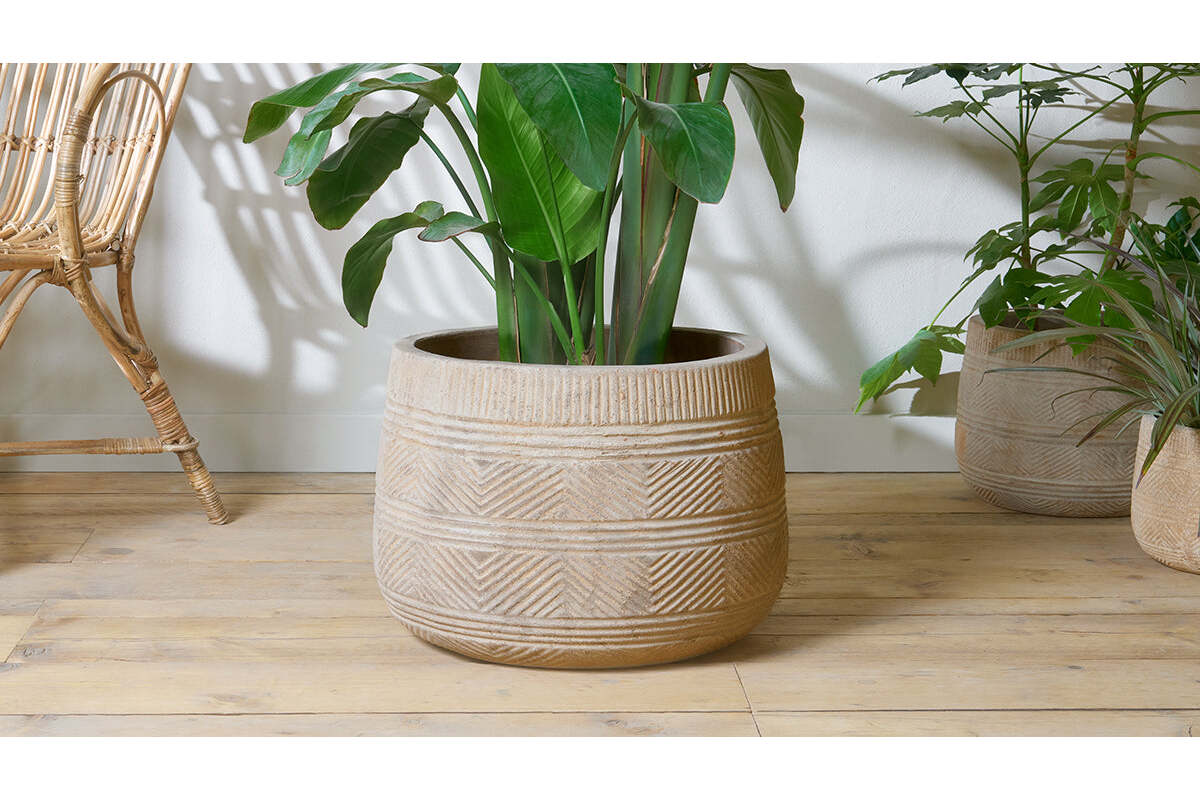
Zadie Terracotta Planter – Natural – Large
adds quiet structure and warmth while keeping the room balanced.
What tends to hold up with calm vase styling outdoors
Styles that rely on glass with character, bubbles, slight tints, gently uneven shapes, get recommended over and over for outdoor settings, mostly because they handle changes in light and weather without looking worn or out of place. Many decorators suggest using natural-finish bases under glass, like jute mats or stone slabs, since they don’t compete for attention but keep the space grounded.
One thing reviewers mention is how single-stem and dried branch arrangements last longer outdoors than fresh bouquets, keeping the look stable and clean. There’s less water mess and maintenance, especially in open-air setups. These details add to the practicality of recycled glass in outdoor calm spaces.
, Mara, Loom & Glow
Common questions
What can I do with empty glass vases?
Empty glass vases can be styled with single stems, dried grasses, or left bare to catch light on shelves or tables. Most people use them for loose cut flowers, but the simplicity is ideal for calm outdoor spaces and works well as a sculptural accent.
Where can I buy cheap glass vases?
Cheap glass vases are widely available at home goods stores, secondhand shops, and online marketplaces. Recycled glass options can be found at many major retailers as well. Look for hand-blown or reclaimed pieces for a softer, natural look instead of mass-produced items.
Is there a market for recycled glass?
Yes, there is an active market for recycled glass, especially in home decor and vase manufacturing. Many companies focus on sustainability by reclaiming used glass and turning it into hand-blown vases and decorative pieces, each with unique variations that appeal to design-focused buyers.
What should you put in a recycled glass vase?
The best choices for a recycled glass vase are single branches, dried florals, fresh-cut stems, or nothing at all if the glass is appealing. Outdoors, fewer and lighter stems prevent clutter, and dried options hold up better against wind and weather.
Explore more calm combinations inside our Shop The Look .
Shop the Look
Recycled glass vessels that sit naturally on surfaces and shelves.
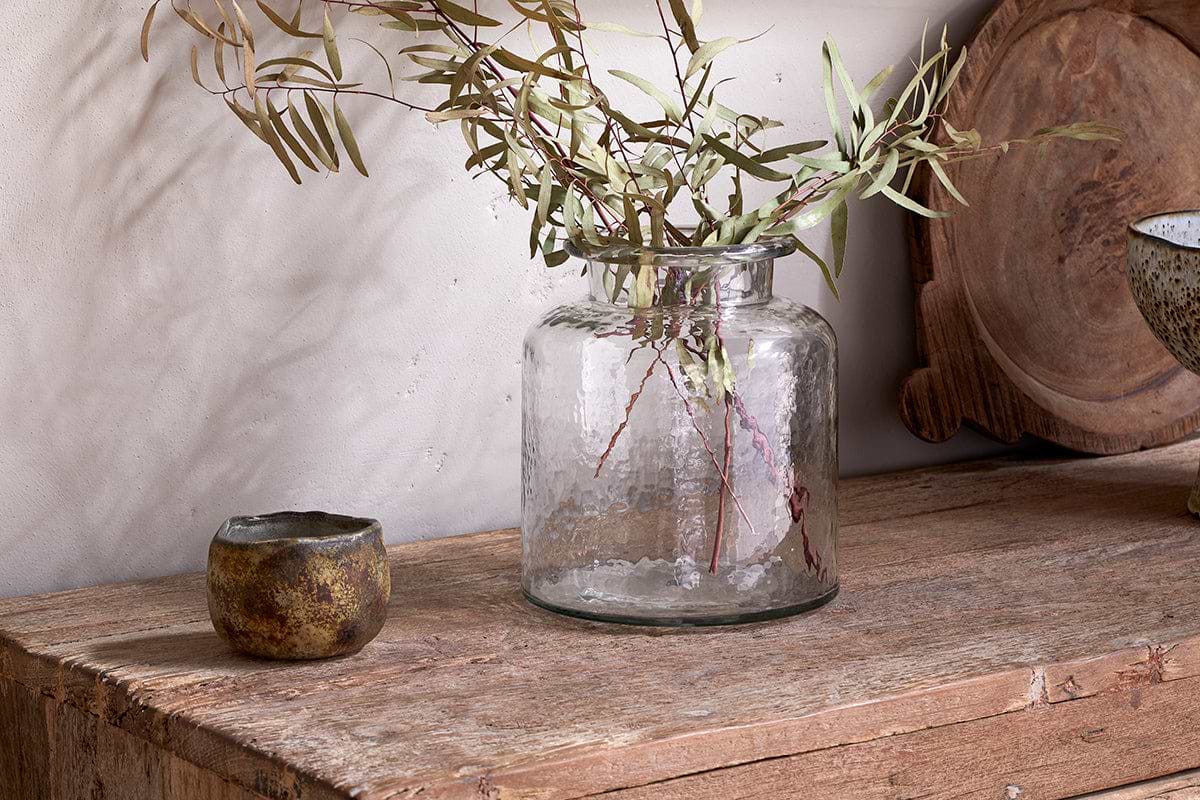
Akra Recycled Glass Vase
Clear cylindrical glass, pairs with stems or sits empty as a quiet accent.
View at Nkuku →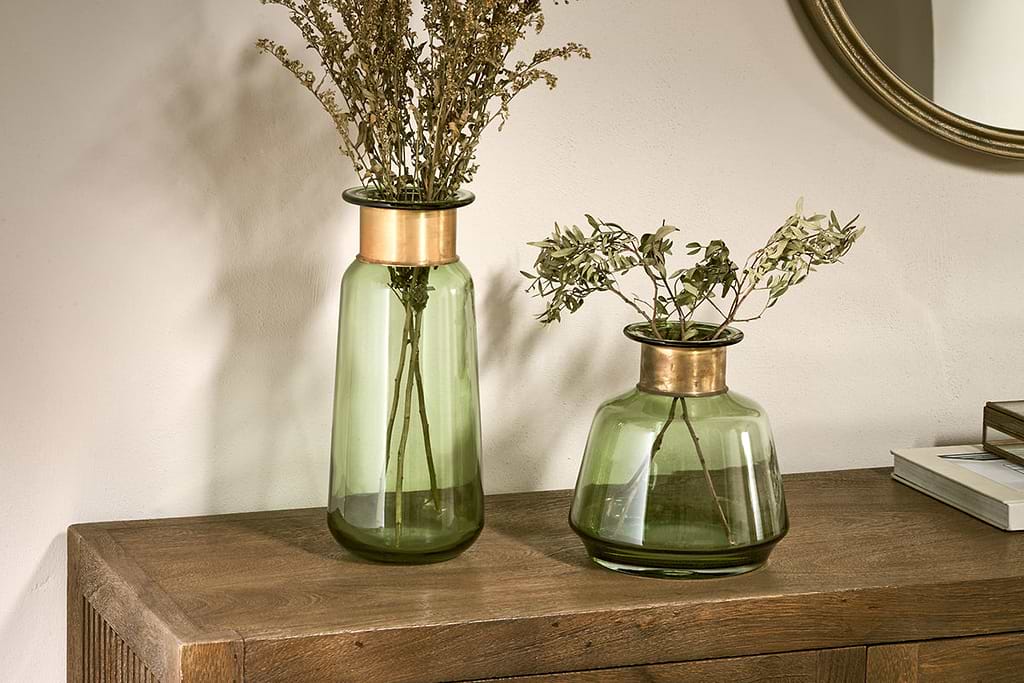
Some links above are affiliate links. If you buy through them we may earn a small commission at no extra cost to you. We only suggest pieces we think fit a calm, lived-in home.
Free guide
The Calm Leaf
12 quiet ways to bring dried botanicals, stems, and natural textures into calm spaces.