

Many shelves are either bare or crowded, and most people search for how to style a bookshelf after frustration, maybe books feel lost among random trinkets, or a row of frames sits adrift above a low cabinet. A shelf seems simple, but without a formula, it’s easy to get stuck between too much and not enough.
This guide delivers what actually works: a clear 3-5-7 layout, when to use negative space, and how to anchor your styling so the shelf feels composed day to day. This works especially well in a living room with limited wall space when storage is tight because it gives a cleaner, more finished look with fewer objects.
The short version: The best way to start learning how to style a bookshelf is by grouping items in odd numbers, keeping some shelf space empty, and starting with two or three solid anchor pieces. With these rules, a bare or cluttered shelf starts to look put together without adding extra work.

Where this works best
Grouped shelves work well in small living rooms, home offices, bedrooms, and even kitchen corners where open shelf decor needs to look calm and useful at the same time.
Shelves show up everywhere, from the living room wall above the TV to narrow hallway ledges and open kitchen racks. Tall bookcases struggle in shared spaces and open shelves in tiny kitchens get messy if things aren’t grouped with purpose.
Applying a clear shelf styling method means a living area with limited floor space can still feel neat and personal. A narrow hallway shelf looks less like a dumping spot and more like part of the room when the pieces are chosen to work together and some spots are left empty.
Avoid shoving everything you own onto a shelf in a busy entryway or mudroom. Too many small items crowd each other and make the surface look even messier compared to using one or two weighty objects, which make the shelf appear more finished.
What is the 3-5-7 rule for shelves?
The 3-5-7 rule means arranging shelf objects in groups of three, five, or seven, which helps the shelf look more dynamic and less stiff than an even number lineup.
Grouping a clay bowl, a small plant, and a brass photo frame together feels natural, while lining up four frames or four bowls looks flat. Shelves placed higher on the wall, like above a desk, work well with three objects: a tall book, a small sculpture, and a single candle.
Using this rule breaks up monotony. On open shelves in a kitchen, five pieces, a stack of plates, two mugs, a plant, and a heavy glass jar, read more balanced than simply spreading everything evenly. This approach avoids the “store display” look, which can feel forced and too symmetrical for a real home.
Unlike arranging objects in even rows, the 3-5-7 formula keeps the eye moving just enough. It makes any shelf, even one used mostly for storage, feel like part of the room design.
How do you avoid a shelf looking cluttered?
Leave some shelf space open, remove items that compete for attention, and use at least one object with height or weight to break up flatness.
A common pitfall: stacking books and setting several tiny trinkets side-by-side until the whole shelf blends together. A shelf in a rental apartment, where display storage is all you have, quickly looks like a storage zone instead of a room feature.
Calm shelf decor ideas usually keep about two-thirds of a shelf clear, so each item stands out and the arrangement has breathing room. If every book stands upright with little between, the effect is cold and office-like. Leaving a gap makes space for the eye to rest, which softens the overall feel, a principle explained in how color works.
Compared to stuffing every shelf, editing down to a few things that matter most, like a favorite photo frame or a single ceramic vase, quickly pulls the shelf together.
Styling and placement
Set a deliberate focal point, keep a simple color palette, and stagger heights so objects aren’t all lined up at one level.
Neutral shelf styling almost always starts with a focal anchor. Place the tallest or heaviest object slightly off-center, like a stack of linen-bound books or a textured ceramic vase, and then cluster shorter pieces beside or in front of it. This “step down” effect works especially well on floating shelves in a low-light living area.
The color palette matters, too. Limiting what goes on the shelf to two or three tones, white, ecru, pale grey, makes each object more noticeable. Compared to many bright colors competing, soft shades together read much steadier. Placing the most eye-catching object, such as a bold brass frame, at eye level draws attention in a calm way.
Clay, glass, and linen all reflect light differently. Placing a matte vase next to a glossy frame avoids glare and looks softer, especially if the shelf is near a window.
Quick calm checklist:
- Use tactile materials like clay, linen, and glass.
- Limit the color palette to two or three quiet tones.
- Keep at least one section of shelf empty.
- Balance one anchor object with lighter items beside it.
- Stagger heights to break up a flat line.
Why does negative space matter on shelves?
Leaving gaps between objects helps prevent the shelf from feeling heavy or busy and lets each piece stand out.
Negative space, the blank area left between grouped objects, is the easiest way to make a collection feel planned. In homes with open layouts, shelves that are packed edge to edge blend into the background, so nothing stands out. Using gaps turns even a simple floating shelf idea into something much more noticeable and easy on the eye.
For neutral shelf styling ideas how to stop a shelf from looking busy, leaving clear space between objects is key. On a shelf in the bedroom, for example, three objects grouped on one end with the other side left open look cleaner than five small things spaced evenly across the full length.
Compared to filling a shelf from end to end, using negative space changes a row from a busy collection to more of a purposeful display.

What objects work as anchors?
Weighty or textured pieces like a brass frame, rough pottery, or books with linen covers anchor a group and keep the shelf from looking scattered.
A shelf looks off-balance if every item is small or light. An anchor object does the heavy lifting. On a bookcase, it might be a Kiko Brass Frame or a solid ceramic bowl. These items create a stopping point for the eye and ground the arrangement around them.
Most stylists start with one or two anchors per shelf. For open shelf decor in a tight kitchen, a basket of vegetables or a wooden board can serve this role. In living spaces, a stack of hardcover books or a heavy clay vessel stands out compared to a series of tiny souvenirs.
Unlike a spread of smaller matching pieces, one larger anchor adds weight. Each smaller object then fits around it, using empty space as a reset before the next cluster starts. For more ideas, see the anchor rule for neutral shelves one piece that makes everything look intenti.
Mixing natural textures: do’s and don’ts
Use up to three natural textures on one shelf, like linen, jute, and unglazed ceramic, to avoid visual noise and create a steady look.
On shelves that need to stay calm over time, natural materials do most of the work. Linen has a muted, matte finish that softens nearby glass or shiny metal objects. According to experts at Britannica, linen’s fibers help diffuse light rather than bounce it, making the shelf feel easier on the eye in daylight.
Mixing more than three kinds of texture, such as adding too many different baskets, glossy ceramics, and smooth metals, can look jumpy. A row of three linen-covered boxes, a small jute basket, and a matte candle holder feels friendly and stays flexible for seasonal changes. This approach applies in kitchens, entryways, or bedrooms where shelves need to do double duty for storage and display.
Compared to lots of hard, shiny surfaces together, pairing rough and smooth textures with open space helps a shelf blend in and age gracefully. For practical displays with a calm finish, kitchen shelf styling neutral practical displays that still feel calm gives more detail.
What tends to hold up with bookshelf styling formulas
Across many rooms, the simplest shelf styling rules are the ones people keep using. Reviewers point out that formulas like the 3-5-7 rule and using negative space are easier to stick to, even as styles and objects change. Heavy pieces with matte finishes get recommended for high-traffic areas, as they chip less and draw less attention to fingerprints.
Matte ceramics and linen baskets last, and they keep their gentle look longer than shiny or painted items, especially in homes with kids or pets. Stylist guides often mention one anchor object as a fix for shelves that never feel finished, a practice echoed in reader feedback and most favorite shelf vignette ideas.
, Mara, Loom & Glow
Common questions
What is the 3-5-7 rule for shelves?
The 3-5-7 rule means arranging shelf objects in groups of three, five, or seven, which helps the shelf look more dynamic and less stiff than an even number lineup. Grouping a clay bowl, a small plant, and a brass photo frame together feels natural, while lining up four frames or four bowls looks flat.
How do you avoid a shelf looking cluttered?
Leave some shelf space open, remove items that compete for attention, and use at least one object with height or weight to break up flatness. A common pitfall: stacking books and setting several tiny trinkets side-by-side until the whole shelf blends together.
Why does negative space matter on shelves?
Leaving gaps between objects helps prevent the shelf from feeling heavy or busy and lets each piece stand out. Negative space-the blank area left between grouped objects-is the easiest way to make a collection feel planned.
Explore more calm combinations inside our Shop The Look .
Shop the Look
A few Nkuku pieces that bring calm focus to a styled shelf.
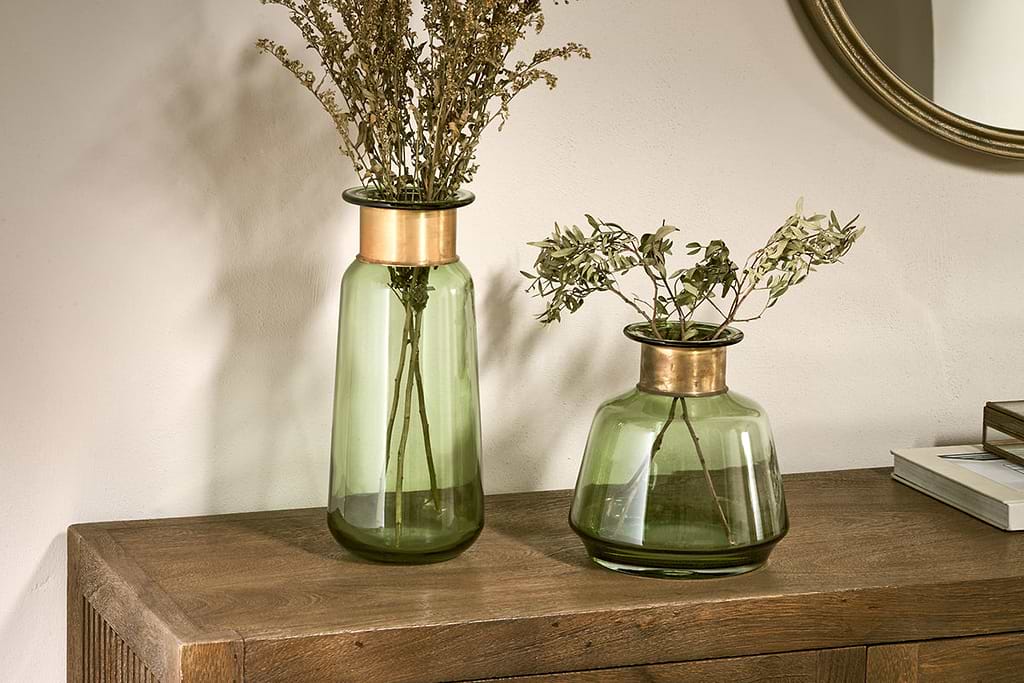
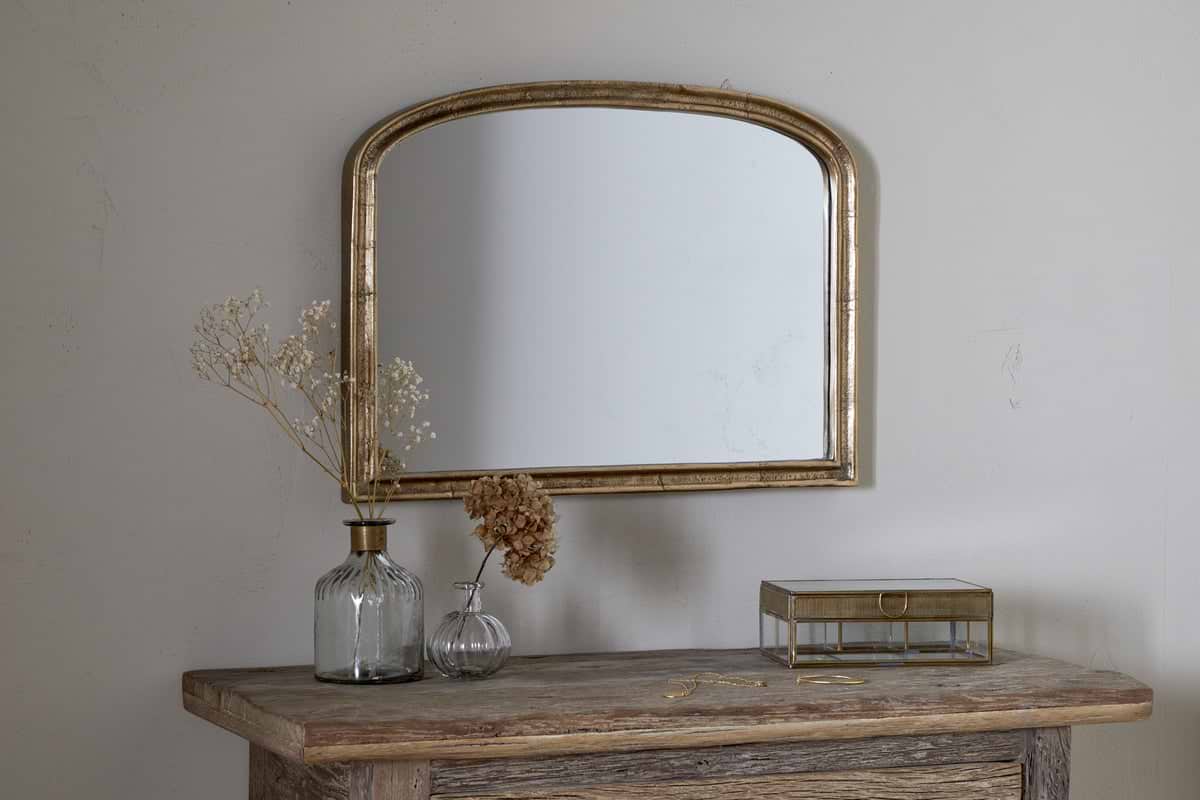
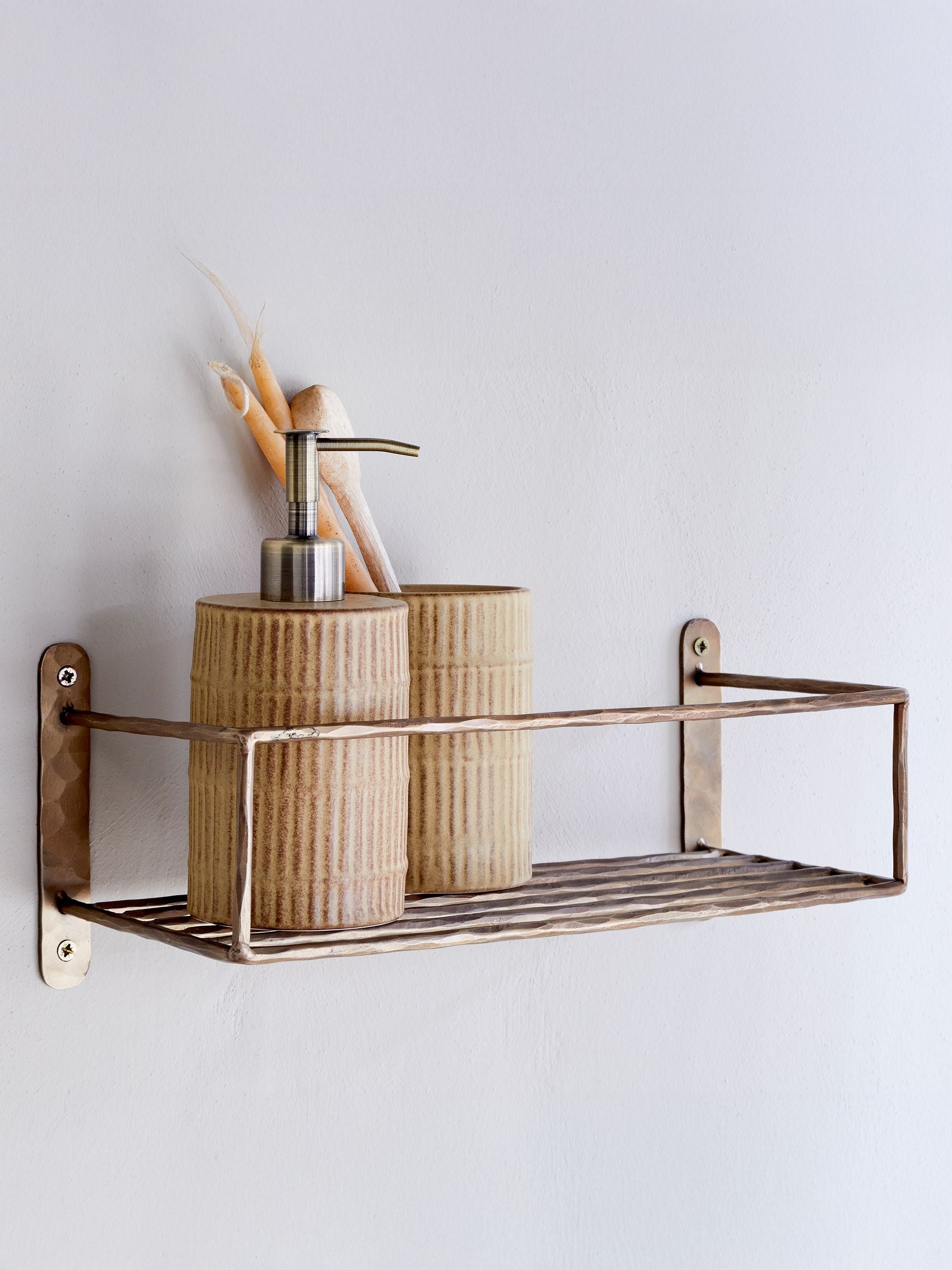
Some links above are affiliate links. If you buy through them we may earn a small commission at no extra cost to you. We only suggest pieces we think fit a calm, lived-in home.
Free guide
The Calm Shelf
12 styling ideas to help you compose calm, balanced shelves in natural texture homes.