

It’s easy to want natural materials in your space and just as easy to end up with a mix that feels more busy than calm. Mango wood furniture, with its striking grain and warmer tone, often reads as too bold or out of place when everything else is flat-packed or synthetic. The result is a room that looks unsettled instead of relaxed.
You can get the grounded, restful look by using the right materials in the right order, removing pieces that compete and anchoring your space with a solid wood foundation. This works especially well in open-plan living rooms when you want a room to feel calm but not sparse because mango wood is warm without being orange or heavy. Today, you’ll learn what to keep, what to let go, and how to make natural textures sit together smoothly instead of in competition.
The short version: Mango wood furniture works in a warm, natural home because its grain and golden brown tones are strong enough to anchor a space, but subtle enough to layer with jute, linen and rattan. Keep your palette tight, let wood be the foundation, and layer lighter, softer textures around it for balance.
- What is mango wood and why does it suit real homes?
- How do you use mango wood so it doesn’t feel heavy?
- Where this works best
- What should you buy first: sideboard, coffee table, or side table?
- Styling and placement
- How do you mix mango wood with rattan, linen and glass?
- How should you care for mango wood so it lasts?

What is mango wood and why does it suit real homes?
Mango wood is a hardwood with a golden tone and visible grain, usually from trees grown for fruit. It sits easily in everyday rooms because it’s strong, visually warm, and more sustainable than slow-growing hardwoods.
The main reason mango wood fits real homes is both practical and visual. The surface is smoother and denser than pine, but it doesn’t feel cold or brittle like some hardwoods. It’s considered a sustainable hardwood because mango trees are only harvested after they finish fruiting, which happens sooner than oaks or sheesham.
Mango wood furniture often shows a “spalted” grain, with streaks from pale beige to black. This makes each piece unique and less uniform compared to laminated woods or veneers. Rooms that need a bit of warmth but not richness benefit from this subtle pattern, especially spaces decorated with layered natural textures or a neutral palette, since the wood stands out without overwhelming lighter tones.
The surface is tough, but not so hard that it reads formal or precious. Most mango wood furniture can handle everyday bumps, and the patina deepens rather than shows damage quickly, a contrast to soft pine or to glossy-coated boards that scuff and chip. Compared to strictly engineered or synthetic options, it brings more depth for about the same price bracket as mid-range solid-wood furniture.
Choosing mango wood as the root material works because it’s naturally the warmest thing in the room, letting softer textures feel deliberate, not scattered. In an open-plan kitchen where cold stone floors and white paint might dominate, a mango wood dining table pulls the room together and softens the acoustics.
How do you use mango wood so it doesn’t feel heavy?
Use mango wood as an anchor and keep everything else lighter, flax linen, pale woven baskets, cream or matte ceramic. This way, the wood adds weight without making the room look crowded or dark.
A coffee table is often the most visible item in a living space. If it’s solid mango wood, golden brown, strong grain, pair it with a jute rug underfoot. The coarse, light fibers of jute give the wood something to rest on, so the table doesn’t dominate or look as though it “floats” in the room. Add only a few quiet, natural accents: a linen throw or ceramic bowl to keep the scene open and relaxed.
Natural material home decor works by contrast and support. Bare wood on a flat white floor can look cold and too solid; placed on a woven rug and next to a fabric sofa, it feels balanced. The key is to resist stacking heavy materials, if you add a dark wood media unit and solid side tables, the room will suddenly feel dense and shrunken. Mango wood is strong enough to be the focus, so it doesn’t need competition.
In a compact bedroom, a mango wood side table works better with linen bedding and a soft, neutral wall than with a dark headboard and busy patterned textiles. Unlike matching a dark wood with other darks, mango wood lets you layer lighter tones and still feel anchored. Rooms that feel most settled put the wood at the center and let fabrics, baskets, and glass take supporting roles.
In shared or open spaces, a single solid mango piece provides the base, while softer woven accents keep the overall look gentle for daily use.
Where this works best
Mango wood furniture works best in rooms with space for a main piece and lighter accents, like a living room or relaxed entryway, where you want warmth without clutter.
Living rooms with pale walls and floors, especially in apartments or rental homes, often need a single, standout piece. A mango wood coffee table or sideboard gives a sense of stability, especially when anchored with a low-pile jute rug or linen curtain. The light from nearby windows plays up the golden grain, which keeps the space from feeling bland or flat.
In bedrooms, smaller mango wood nightstands next to a fabric-upholstered bed can make the difference between a generic feel and a calm, natural one. The grain breaks up solid blocks of color, while still keeping lines clean. Entryways or narrow hallways benefit from a slim mango wood console for keys and baskets, lighter than a hallway filled with mixed woods, but more grounded than a simple shelf.
Avoid placing a mango wood piece in rooms that already have many different wood tones or strong colors. Too many competing grains or dark shades end up looking busy, compared to a simple base with just one strong-grained object. Kitchen nooks with busy cabinetry, or bathrooms with mixed tiles, often look better with ceramic or glass accents than trying to squeeze in more wood. Mango wood works best when it’s given space to be the focus, helped by softer, quieter materials around it.
Used well, mango wood acts like an anchor for woven home decor and linen fabrics, making the mix of textures feel deliberate and settled.
What should you buy first: sideboard, coffee table, or side table?
A coffee table or sideboard in solid mango wood is the best starting point, they’re visible, practical, and act as the room’s anchor. Choose one, not a matching set, so the space doesn’t feel weighed down.
A sideboard in mango wood is sturdy, practical, and gives the most surface for baskets and display, especially in a dining space with spare walls or as storage in a hallway. Most sideboards also hide away clutter, which is useful when mixing organic home decor pieces that tend to sit out in the open. Unlike glass or metal units, a mango wood sideboard looks inviting and never cold.
Coffee tables get the most daily use, especially in rooms shared by family or guests. Mango wood tops are tough, rated on the Janka hardness scale close to oak, so mugs, books, and baskets rest comfortably without the table looking battered after a year. A bare room can feel hollow with glass, but grounded with wood.
Side tables are good for layering, especially when space is limited. Instead of a matching set, place a single mango wood piece where you want function, a lamp by the sofa or next to the bed. Compared to using three or four small tables in different woods, just one strong piece lets the room feel more open and restful.
Most rooms get the softest look by choosing one key wood piece, then adding in lighter accessories like the jute rug living room style or linen cushions on top.

Styling and placement
Keep the top of your mango wood piece calm, just two or three objects, well spaced, and let texture do the work instead of color or clutter.
The best styling for a mango wood coffee table or sideboard is simple: a small stack of linen-bound books, a single recycled glass vase, or a bowl in pale ceramic. Use objects with different heights, like a low tray and taller vase, to make the piece feel comfortable, not stiff. This balance of scale matters more than filling every spot with decor.
If you’re working in a small apartment or rental, avoid placing your piece directly against another wood tone. The contrast will feel harsh and less pulled together than sticking to one main wood, some woven baskets, and a light rug. Earthy home decor works best with restraint, a rattan basket under the table, or a soft Mayla Cushion Cover as the only pop of pattern.
Quick calm checklist:
- Choose one main wood tone per room to keep things visually quiet.
- Layer lighter materials (linen, natural basket, pale ceramic) as accents, not fillers.
- Place just 2-3 objects with breathing space on top, including something with vertical height (like a vase).
- Keep woven accents natural colored, not dyed, for less visual noise.
- Repeat one texture at least twice, such as jute underfoot and in a basket nearby.
The effect is a room that feels lived-in but not full. The mango wood base provides structure, while the rest stays soft and movable, making the space easy to adjust over time.
How do you mix mango wood with rattan, linen and glass?
Let mango wood be the only wood in the room, then layer rattan, linen and recycled glass for texture. Limit the color range so the focus stays on grain and shape.
The key to avoiding visual chaos is to anchor the room with a single wood tone. Mango wood is bold enough that adding other woods or heavy colors often looks scattered. Instead, use a rattan accent chair or basket for pattern, then bring in linen curtains or cushions in an off-white or stone shade. Recycled glass vases stand out because their subtle shine breaks up the matte finish of the wood and fiber.
In living rooms, combining recycled glass vases with mango wood side tables and woven baskets produces depth without crowding. The repetition of tone (beige, warm brown, cream) keeps things settled. Natural material home decor works well when the surfaces vary: rough jute, smooth glass, soft linen, sturdy wood.
Rooms where too many woods are mixed, maple by the sofa, walnut by the TV, mango wood in the corner, can read fussy and unfinished. Limiting yourself to one wood but several textures brings quiet confidence rather than a “collected” feel. This approach is easiest if you start with the mango piece, then test new items against it, only adding what feels calm in daylight.
The result is a space that looks like every piece was chosen for feel and use, not just for color or trend, classic slow living decor instead of a quick fix.
How should you care for mango wood so it lasts?
Wipe spills as soon as they happen, protect surfaces with wax, and avoid placing mango wood near heat or direct sun to prevent cracks or fading.
Mango wood is considered a hardwood, but it’s also porous, meaning water, hot mugs, and spills can soak in if left sitting. Most pieces last longer when wiped with a soft, dry cloth, and protected with wax or mineral oil a few times each year. A mango wood coffee table handles daily use but can pick up rings or stains if drinks aren’t put on coasters.
In dry rooms or spaces close to radiators, the wood can dry out and form small cracks. Unlike some hardwoods, mango responds to fluctuations in air and temperature fairly quickly. It’s best to keep pieces away from strong heat, and from windows that get daily direct sun. A pale linen runner or woven mat keeps hot dishes or vases from leaving marks on top surfaces.
Avoid cleaning with chemicals, no ammonia, abrasive cloths, or silicone sprays are needed. A damp (not wet) cloth is enough for dust. Every few months, a coat of beeswax gives some depth to the color while sealing the grain from drying. Compared to maintaining oak or walnut, mango wood asks for less; just be mindful of placement and don’t treat it as waterproof.
Keeping up with these habits prevents damage and lets the softer marks of daily life build slowly, not all at once.
What tends to hold up with mixing natural materials
Reviewers often say their rooms feel “off” when they use too many wood tones or rush to layer lots of textures in one go. Professional stylists regularly recommend starting with just one large solid wood anchor, like a mango sideboard or coffee table, and building out from there with softer accents. In daylight, matte-finish mango wood doesn’t glare the way varnished oak sometimes does, which lets linen and woven accessories read as softer and more relaxed.
In every combination that stands the test of time, the pieces are spread out rather than grouped. Texture repeats in baskets and cushions, color stays within two or three shades, and wood is used sparingly for the main visual weight. The rooms that still feel good after a year are the ones where no single detail shouts for attention.
, Mara, Loom & Glow
Common questions
Is mango wood any good for furniture?
Mango wood is a genuine hardwood used for sturdy, practical furniture. Its grain gives each piece a unique look, and it stands up well to daily use if cared for. Many choose it for strength, sustainability, and value.
Is mango wood expensive?
Mango wood is usually priced lower than oak or teak because the trees reach maturity much faster. Most mango wood pieces are affordable compared to other solid hardwood furniture, making them a popular pick for people who want natural material home decor on a budget.
What are the disadvantages of mango wood furniture?
Mango wood is slightly softer than oak and can pick up scratches or small dents, especially on tabletops. It’s also porous, so spills and heat can mark the surface unless it’s cared for with wax and kept away from radiators. The grain and color can vary more than engineered woods.
Is mango wood better than oak?
Mango wood is softer than oak and shows marks sooner, but is considered more sustainable, as mango trees are felled after fruiting, much quicker than oak’s long growth cycle. Both are genuine hardwoods, but the decision comes down to price, look, and environmental preference.
Explore more calm combinations inside our Shop The Look .
Shop the Look
Mango wood pieces from Nkuku that echo the warmth and grain you are already living with.
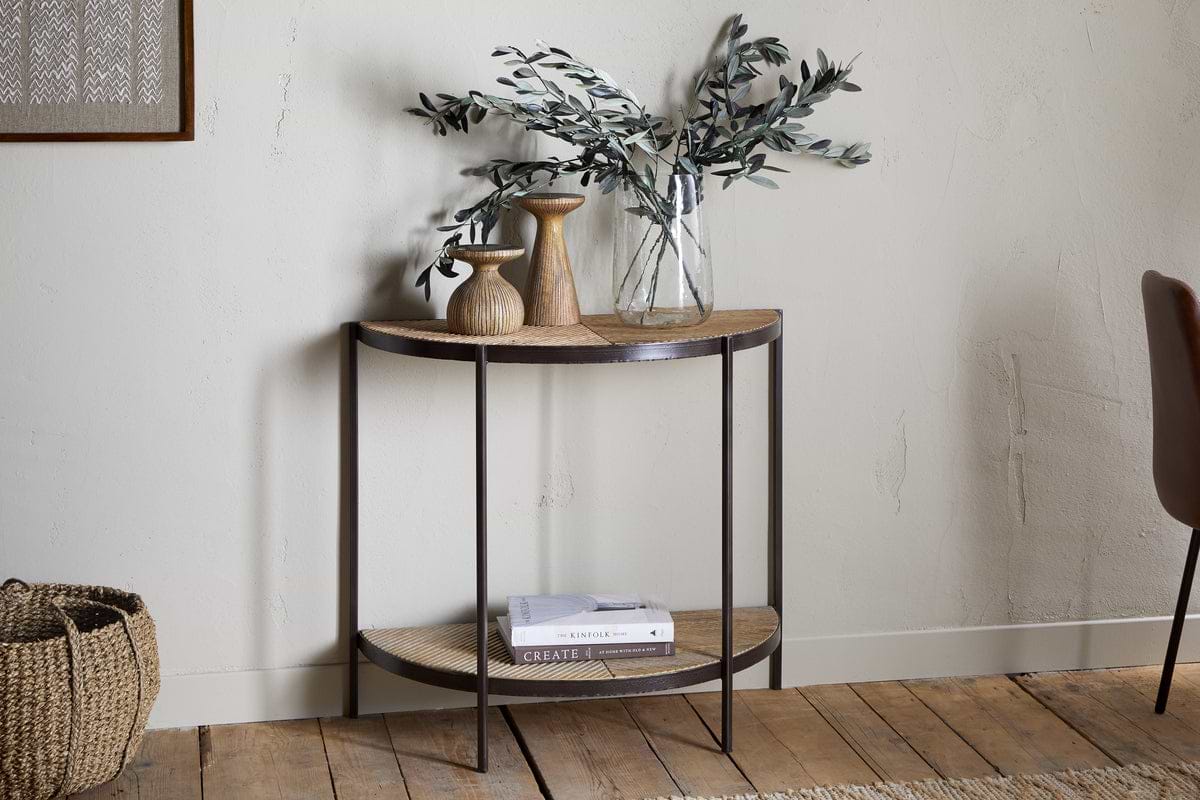
Aasha Console Table
Half-moon silhouette in mango wood; anchors entryways and narrow walls.
View at Nkuku →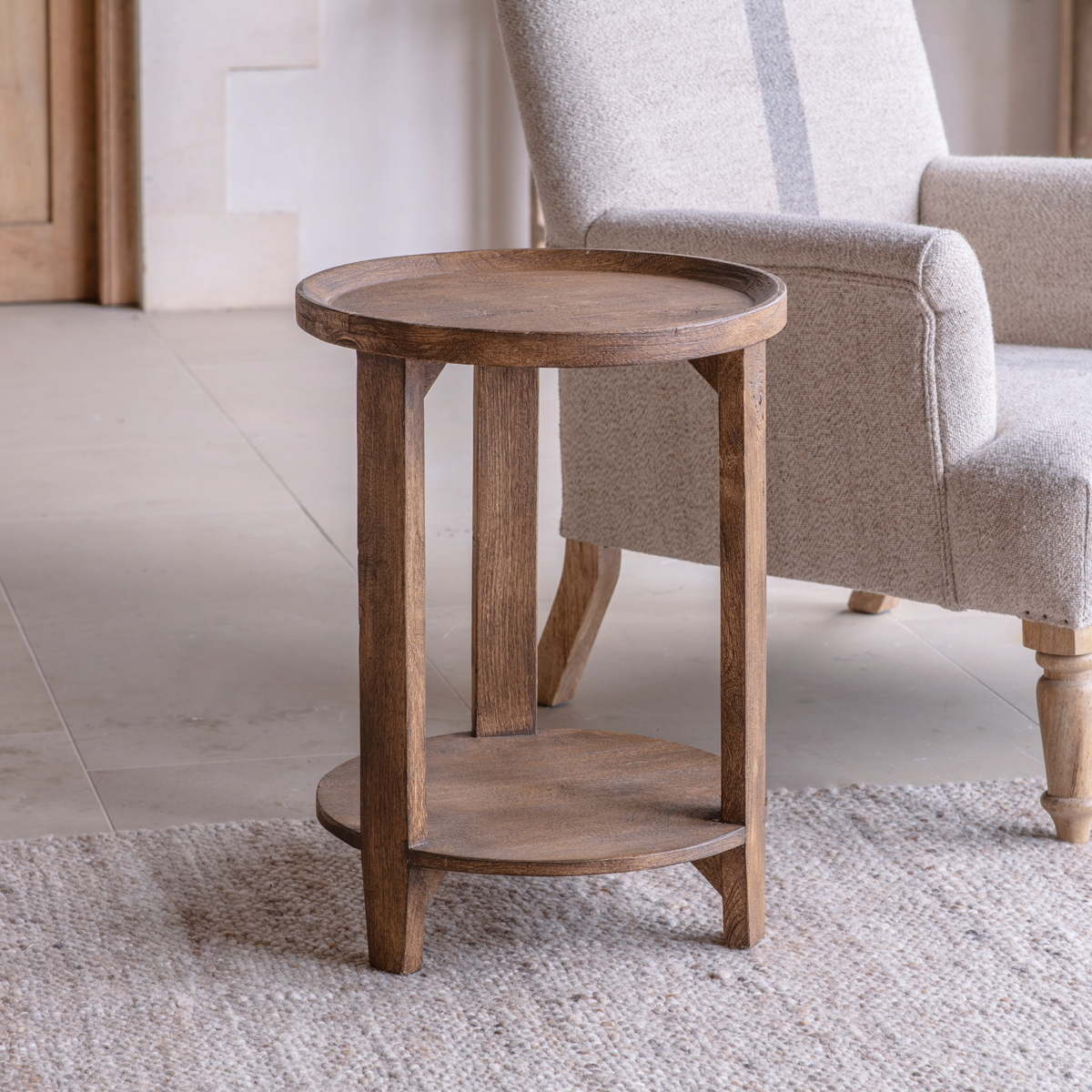
Some links above are affiliate links. If you buy through them we may earn a small commission at no extra cost to you. We only suggest pieces we think fit a calm, lived-in home.
Free guide
The Calm Leaf
12 quiet ways to bring dried botanicals, stems, and natural textures into calm spaces.