

Open shelves, too many vases, and crowded side tables can make small rooms feel restless. Many people add home accessories hoping for warmth or style, but end up with visual clutter that drains comfort instead of bringing it.
This guide shows simple ways to let a room breathe again. You’ll see how to strip back, what to remove, and how to add only those pieces that make a space gentler. This works especially well in small sitting rooms when light and floor space are tight because clear surfaces and soft textures help a busy mind rest.
The short version: Home accessories chosen for natural texture and quiet colour can settle a restless room and make small spaces feel calmer. Simple, honest materials and fewer objects make the biggest change, it’s about removing noise, not adding trends.
Key takeaways
- A single material used across home accessories quiets a small space more than mixed textures.
- Low-contrast, solid-colour cushions balance shelves and sofas without drawing attention.
- Natural materials like rattan, ceramic, and linen dampen sharp lines and noise.
- Accessories for the Home recommends bamboo, rattan and cane for affordable calm, according to Accessories for the Home.
- Leaving at least half of any surface empty is a practical way to keep calm visible and felt.

The problem with most home accessories lists
Most home accessories lists suggest adding objects, but these often make a small room feel unsettled because there is too much to look at. Fewer, quieter items lead to a more settled space.
Many people search for small accessories hoping to refresh a room on a budget. Magazine lists and big-box stores show grouped vases, candles, and trays, easy to buy, hard to use well. The problem is that more isn’t calmer; it’s just more stuff taking up space.
On a side table, four small pieces can pull the eye in every direction. Compared to a single wooden bowl or a plain linen tray, a busy surface grabs attention and never lets it go. Too many shapes, colours, and materials will break the restfulness that a compact room wants.
Following a trend-heavy list from a brand like Flannels may add interest in a showroom, but real homes need space for breath and clear sightlines. A plain clay vase settles easier than a pile of little “finds.” A shelf left mostly clear will always be more calming than one covered edge to edge.
What to look for in a calming accessory
Calming accessories use quiet colour, soft texture, and simple shape to rest the eye in a busy room. Look for pieces made from natural, matte materials with solid or very gentle shades.
The simplest way to judge if an object brings calm is by its finish and weight. A linen cushion or a light, pale wood tray won’t fight for attention. Matte surfaces and hand-shaped forms, like a ceramic vase or a jute basket, do not catch the light harshly or distract with gloss or shine.
Sharp lines and loud patterns read as active, not restful. Instead of a printed cushion or glossy metal candle holder, a solid clay bowl or soft linen curtain lets the surface blend back into the space. A natural material softens nearby objects, and a limited colour works whether you’re styling a rental nook or your own first living room.
The difference shows immediately: a single woven basket under a console absorbs mess, while a stack of colorful bins looks noisy. Rattan and cane, recommended by Accessories for the Home, don’t just wear well, they add calmness through their even, open weave.
How do you avoid visual noise in a small room?
To avoid visual noise in a small room, use only one or two home accessories per surface, and space them well apart. Fewer, larger objects settle a space better than a cluster of small ones.
Tiny mirrors, scattered candles, or a pile of trinkets bring a kind of stress to a compact area. Seeing too many different objects means the eye has to work harder, causing a tired or distracted feeling even after tidying up. Clearing away extras gives both your room and your mind more space.
The underlying principle is clear: a surface calms down when there is more blank space than filled space. Unlike grouping a mix of frames, using just one linen cushion in a calm colour on a small sofa can make the entire seating area feel lighter.
An easy, testable rule from decorators: keep about two-thirds of a shelf, table, or bench empty. This lets the texture and lines of each item stand out gently rather than fighting each other. On a low shelf, a single stoneware bowl is enough.
Where this works best
Choosing quiet accessories works best in rooms with little space or awkward light, like small living rooms, entryways, and rented bedrooms. Calm objects help anchor these areas and cut down on daily stress.
Rooms with tight floor plans or very little daylight will always exaggerate clutter. Simple shapes and natural materials, like a pale wood bench or a grainy rattan basket, settle the atmosphere where every square foot matters. Shared spaces, like a living room that doubles as a guest area, especially need this kind of restraint.
It’s easier to focus on daily tasks and feel a sense of home when surfaces are mostly clear. Some readers find a narrow hallway works better with just one candle holder and a single framed print instead of a row of hooks or art. The effect is immediate: less to dust, less to catch the eye, more calm in daily routines.
Avoid covering every visible surface, especially in rooms where you pause and set bags or keys. Too many baskets, extra lanterns, or decorative bowls block movement and can make leaving or coming home feel busy. One good object per surface softens both the look and the daily use.

Styling and placement
A calming look needs careful placement, not just fewer pieces, leave space around every object and avoid crowding small accessories together. Give each item air and a quiet background.
On a bare shelf, select one large ceramic vase and leave the rest open. A rattan tray on a sideboard should sit apart from the lamp or books. Instead of lining things up, stagger heights, let a candle holder sit off to one side, and keep a single cushion at one end of the sofa.
Spacing is as important as the object itself. Even a lovely object can look busy if it’s pushed up against others with no pause between. Use calm colours or pale backgrounds for extra breathing room. A shelf painted a soft white helps a clay bowl stand out without shouting.
Quick calm checklist:
- Choose solid natural materials: linen, rattan, unpolished wood, clay, glass.
- Use a limited palette, two gentle colours per room is plenty.
- Leave at least half of each surface or shelf empty.
- Keep objects off-center for a relaxed look; don’t aim for symmetry.
- Anchor the eyes low, avoid piling objects on upper shelves if ceilings are low.
A jute rug works underfoot in a small living room, grounding the space without adding visual mess. A single recycled glass vase on a side table does the same for vertical surfaces.
Which materials actually quiet a space?
Natural materials like rattan, ceramic, linen, unvarnished wood, and recycled glass quiet a space by breaking up hard lines and absorbing glare. They age well and feel better to touch in daily use.
Some materials instantly relax a room. Open-weave rattan baskets catch and soften the light, cutting harsh shadows. Ceramic candle holders mute sharp lamp glare, especially at night (Limited Abode categorises pieces for just this reason, grouping by candle holders and vases). Unpolished wood never looks cold, while a metal bowl reflects and repeats the room’s clutter, adding to the visual busyness.
A glass lantern lets glow spread gently, making corners feel safe and defined without extra lamps. Unlike synthetic materials, real linen cushions and wool throws don’t trap dust or look worn after one season, they feel and look good longer. On a shelf, a single recycled glass vase adds interest without heaviness.
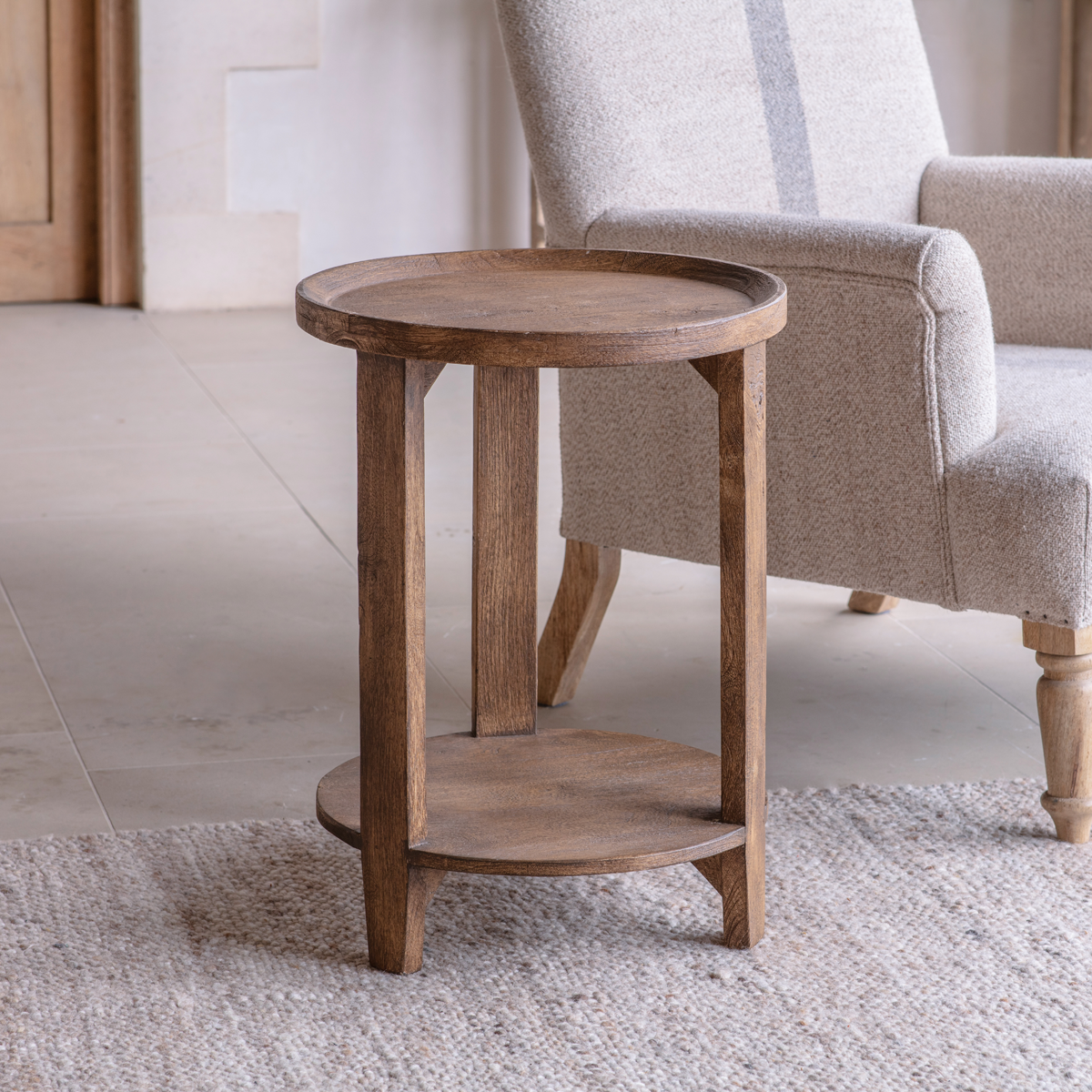
Use natural surfaces where your hand or eye rests most, side tables, headboards, the sofa’s edge. Even a plain pine side table with a linen runner settles a bright, limited space better than lacquered or mirrored options.
What is the one-material rule, and does it work?
The one-material rule means using the same main material, like all linen or all ceramic, across accessories in a room. It works by repeating texture, which soothes the eye instead of breaking focus.
Choosing a main material can make cleaning and decorating much easier. On a kitchen shelf, using only wooden spoons and boards avoids scattered, mismatched shapes. In a living room, matching a jute rug with a woven rattan basket underlines the room’s calm, even if everything else is simple.
Applying the one-material rule lowers the risk of a room feeling thrown-together. For example, too many colours and types, a velvet cushion next to a glossy tray, with a metal bowl, compete. Instead, a set of ceramic vases in different shapes works quietly together because they share the same finish.
| Material | Effect | Where it Works |
|---|---|---|
| Linen | Softens edges, calms busy patterns | Sofas, beds, benches |
| Ceramic | Matte, absorbs light, steady | Shelves, consoles, mantels |
| Rattan | Adds warmth; open weave dissipates clutter | Baskets, wall shelves, trays |
A room looks less cluttered when similar materials repeat from wall to table to floor. For most homes, picking one anchor material and echoing it in small touches is the easiest, most reliable fix for visual noise.
What tends to hold up with simplifying accessories in small rooms
Over many projects and reader notes, the pieces that fade into the background, natural baskets, plain clay pots, linen cushions, seem to last longest and draw the fewest regrets. Reviewers consistently point out that matte finishes get recommended again and again for window sills, as they never flash or distract the eye the way a shiny tray does. Simple, natural textures are the touchstone for calm in tight quarters.
Decorators often recommend removing one object for every new one added, but the key change happens when you choose a focal piece and let everything else step back. Jute, stoneware, and soft glass always settle in quietly with daily life. These rules hold up across styles, making them a reliable starting point for anyone who wants a more restful small home.
, Mara, Loom & Glow
Common questions
How do you avoid visual noise in a small room?
To avoid visual noise in a small room, use only one or two home accessories per surface, and space them well apart. Fewer, larger objects settle a space better than a cluster of small ones. Tiny mirrors, scattered candles, or a pile of trinkets bring a kind of stress to a compact area.
What calming accessories work best in a small room?
Calming accessories use quiet colour, soft texture, and simple shape to rest the eye in a busy room. Look for pieces made from natural, matte materials with solid or very gentle shades.
Which materials make a small room feel quieter?
Rattan and cane, recommended by Accessories for the Home, don’t just wear well, they add calmness through their even, open weave.
Why do most home accessories lists make a small room feel worse?
Most home accessories lists suggest adding objects, but these often make a small room feel unsettled because there is too much to look at. Fewer, quieter items lead to a more settled space.
what is the best natural home fragrance?
Accessories for the Home recommends bamboo, rattan and cane for affordable calm. Natural materials like rattan, ceramic, and linen dampen sharp lines and noise, and a single material used across home accessories quiets a small space more than mixed textures.
Explore more calm combinations inside our Shop The Look .
Shop the Look
Accessories that add warmth and a sense of space without crowding a room.
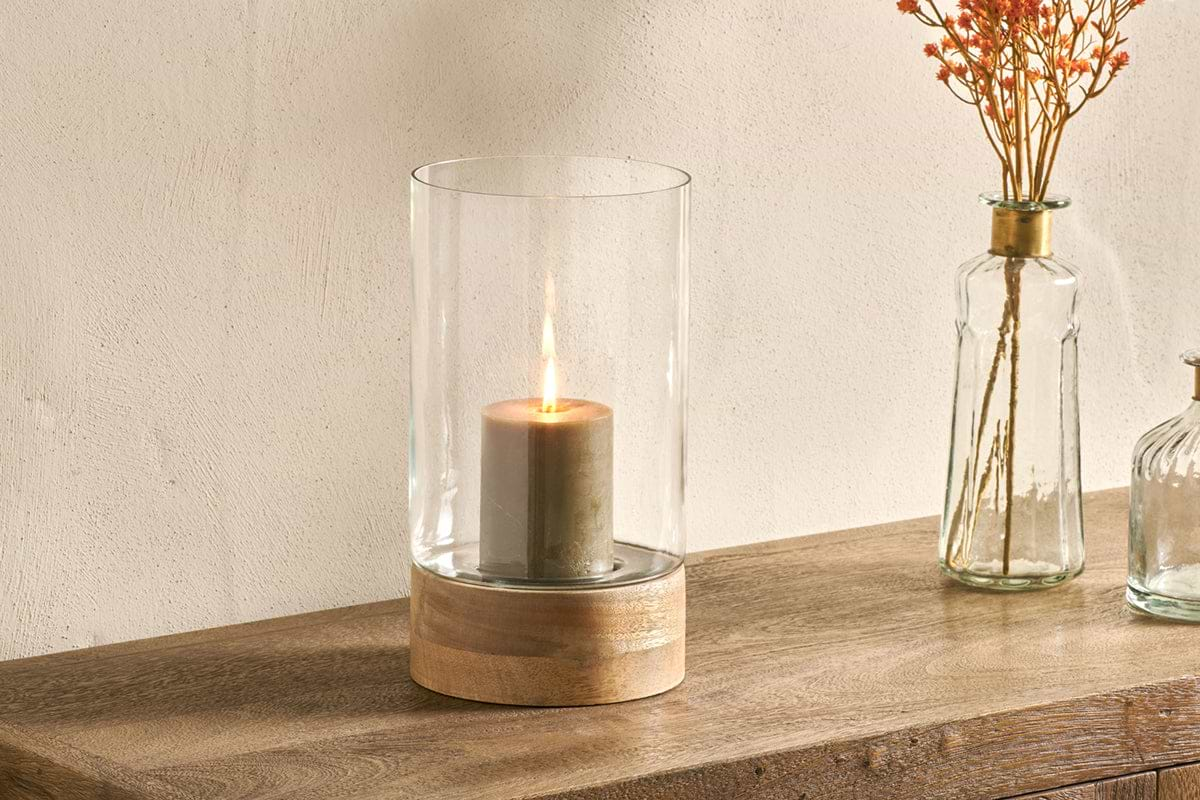
Idha Hurricane Lantern
Straight-sided glass, for candles indoors or sheltered patios.
View at Nkuku →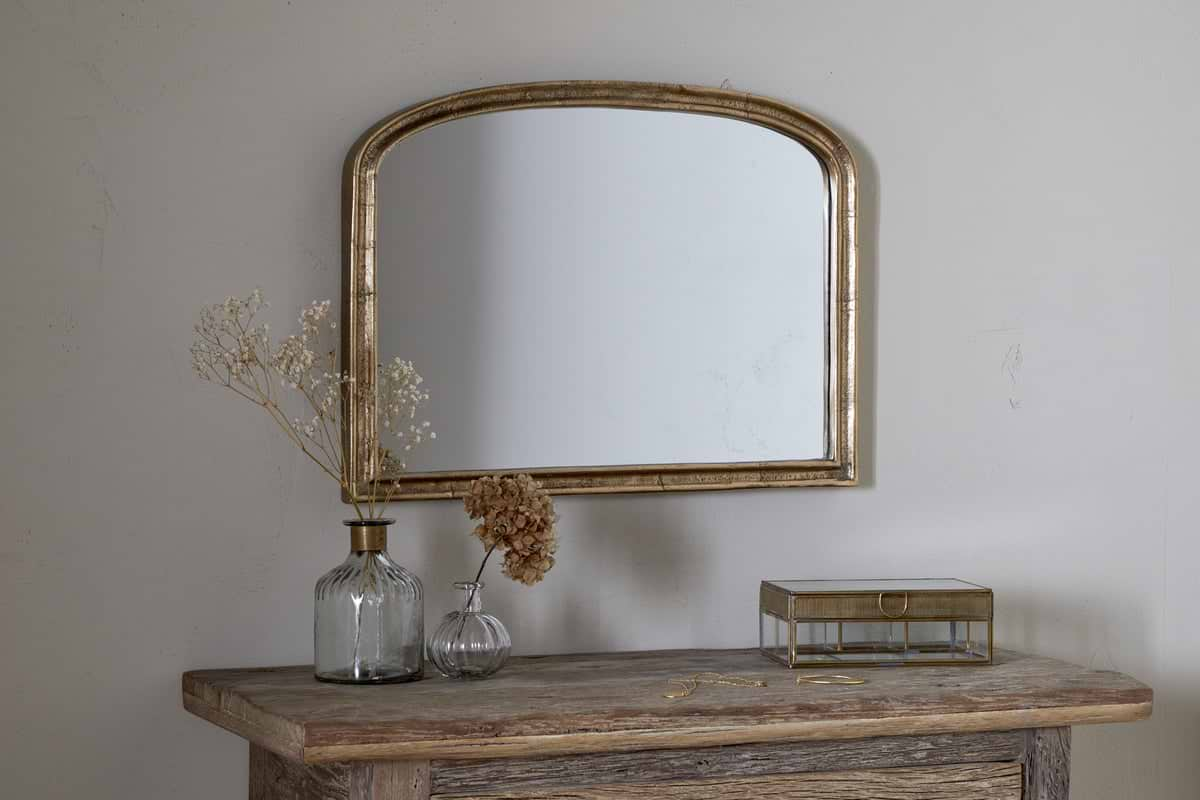
Some links above are affiliate links. If you buy through them we may earn a small commission at no extra cost to you. We only suggest pieces we think fit a calm, lived-in home.
Free guide
The Calm Leaf
12 quiet ways to bring dried botanicals, stems, and natural textures into calm spaces.