

Too much light, not enough storage, or a narrow living room can turn sage decor from calming to awkward in an instant. The same soft green that looks fresh in a magazine often appears too cool or too busy once it lands beside real-world clutter or less-than-ideal lighting.
Today you’ll see how to make sage truly settle into a lived-in space, not just for a season but for daily use. You’ll learn what to add, what to hold back, and which materials make sage green look warm rather than drab. This works especially well in a small living room with lots of natural light when your sofa or rug is neutral because the green brings life without shouting.
The short version: Sage decor reads calm and balanced when combined with textiles, wood, and a low-contrast palette of earthy tones. Adding just one or two well-placed green accents softens a room and sidesteps the cold or trendy look.
Key takeaways
- Sage decor means using green as a subtle background or accent, not as the main event.
- A sage throw, cushion, or small piece of pottery calms a space when offset by linen and wood tones.
- Most online listings for “sage decor” refer to brand-name artificial wreaths and florals, according to SageDecor.
- Sage green risks looking cold if paired with grey or white, but warms up with natural textures.
- Shelf vignettes benefit from one sage item plus earthy accessories, not a wall of green.

What does sage decor actually mean?
Sage decor refers to both a muted green colour found in nature and a category of housewares and seasonal decorations, sometimes confusing buyers. The term can mean artificial garlands or simply a soft green throw pillow in daily homes.
The phrase “sage decor” pops up often when scrolling Pinterest, but the reality is more layered than a single trend. Most top search results point to SageDecor, a UK brand best known for artificial flowers, Christmas wreaths, and autumn decorations. This isn’t the same as filling a space with painted green walls or leafy wallpaper.
In most homes, sage decor shows up as a secondary colour: a throw, a vase, a cushion, or a single painted cabinet. It has little to do with holiday decorations unless you’re buying from ranges like those on Charlies’ Sage Decor range, which stocks wreaths and faux florals year-round. For readers seeking a lived-in calm, the emphasis stays on subtle, natural green mixed into earthy or neutral backgrounds.
Sage works better as a gentle accent than as a theme. Unlike the bold greens of the past, muted sage lets surrounding tones breathe without fighting for attention. A wall-to-wall sage room often feels like a themed event rather than a part of everyday life.
A single clay bowl in sage on a raw wood shelf brings the idea into the room without shouting. This material approach means the shade feels organic, not forced.
How do you keep sage from feeling too cold or trendy?
Pairing sage decor with warm materials and neutrals prevents a room from looking cold or dated. Sage works best when it blends, not when it dominates.
Adding sage green for its own sake often makes the space feel tense, especially in low light or beside glossy white furniture. A bare wall splashed in sage can even read as distracted unless there’s clear support from wood, clay, or fabric elements.
Mixing in earthy accessories such as linen cushions or a willow tray can anchor sage so it doesn’t feel out-of-place. The main principle: let sage fill the gaps without being the loudest note. This allows the green to read as an easy addition instead of a trend that will date quickly.
Compared to strong greens or blue-greys, sage comes alive with beige, sand, tan, or soft brown. A wool throw in oatmeal, rather than cream, supports the green and gives weight. When sage shows up as a lamp base or a stack of coasters, it’s the human touch—never the headline.
For real calm, keep sage off high-gloss tables and use it on cotton, wool, or ceramics instead. These absorb light and avoid the common mistake of turning the room into a seasonal display.
Where this works best
Sage decor works best in rooms with natural light and simple, warm finishes. Small or awkward spaces benefit most when green appears as a grounded accent.
Living rooms and shared spaces are the most reliable spots for sage green. In homes with beige or light wood furniture, a single sage cushion or mug easily softens the edges. Open-plan spaces with lots of sunlight let the green look clear and fresh, never muddy.
Entryways or narrow halls, where clutter naturally builds, find relief from sage used as an organizer or tray. In contrast, a bedroom broken up with multiple patterns and wall art can feel visually crowded if sage is layered on top. A calm outcome appears when the green is confined to a solid duvet or a plain curtain—so the space doesn’t tip over into trend-driven chaos.
Avoid combining sage with icy white or faded pastel backgrounds in any room. This mismatch often makes the green appear lifeless or like a temporary fix. Instead of repeating the shade, focus on one or two well-anchored pieces in mixed natural finishes for a lived-in look.
A sage planter on a wooden window ledge, surrounded by books with tan covers, is an easy and effective placement.
Which textures and materials make sage feel earthy?
Linen, unvarnished wood, wool, and matte ceramics give sage decor a grounded, earthy look. Glossy or synthetic finishes, by contrast, often make sage read artificial or cheap.
Natural fibers work well because they mute the sharpness of green and reflect light differently than plastic or polyester. Linen cushions or throws show slight wrinkles and catch the sun in small patches, letting sage look relaxed rather than painted-on.
Raw wood, especially lighter oak or ash, brings out the warmth in sage without competing for attention. A room with mostly glass and metal has the opposite effect: sage turns cold or clinical, especially after dark.
Unlike shiny painted vases or faux leaves, hand-thrown stoneware or woven trays offer tactile detail. The way a matte ceramic bowl sits with a flax table runner shows the difference immediately: the green appears part of the whole instead of standing out as a store purchase.
Pale wool rugs or jute baskets make sage decor feel closer to earth, not craft-store green. The effect softens foot traffic zones or shelves that need a touch of life.

How do you use sage decor on shelves or small spots?
A shelf or console looks more grounded with just one sage accent paired with neutral or wood objects. Too much green in one spot feels forced.
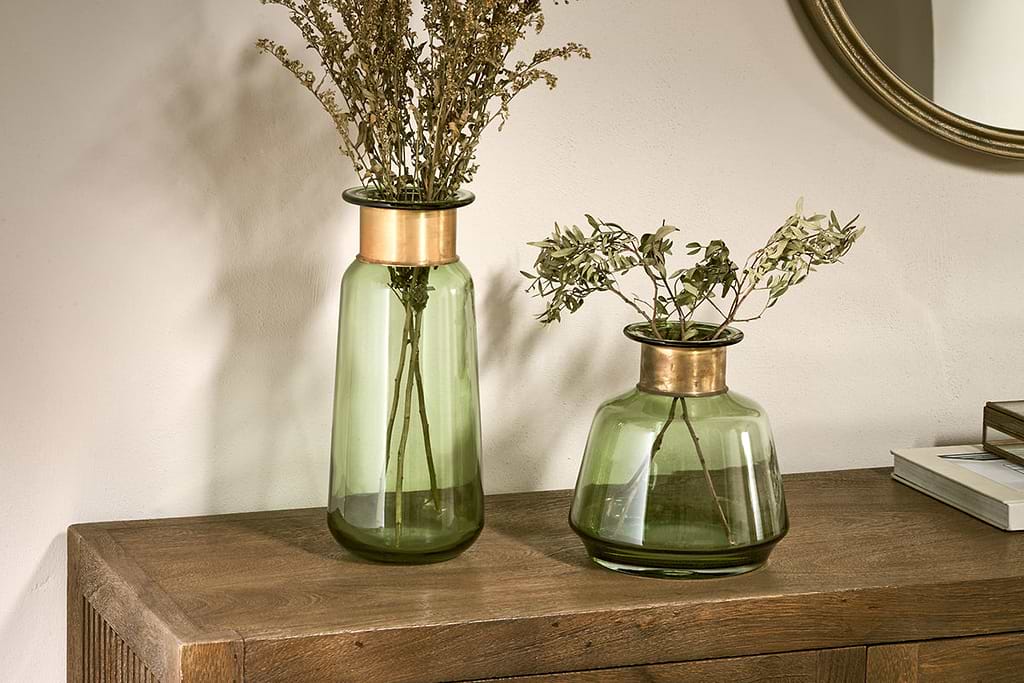
Shelf styling is one of the easiest ways to add sage decor without overcommitting. A carved bowl in sage, a small stack of green-toned books, or a single vase provides interest without overwhelming the space. Most shelves benefit from leaving about two-thirds open, so a green accent stands alone, not lost in clutter.
A bare shelf reads colder than one softened with a sage-toned linen basket. When surfaces get covered with multiple green items, the mood turns more busy than calm. Mixing in one or two natural pieces—say, a clay mug or a wooden bead garland—draws attention to the sage without crowding the eye.
Compared to dense arrangements, the open space around a sage accessory is what actually makes it noticeable. For a lived-in look, stick to odd numbers (three accent items at most), and finish the set with something tactile like a book with a linen cover. Read more on neutral shelf styling for ways to balance tone and storage.
Placing a sage vase at the end of a bookshelf helps reset the line of sight in a narrow hallway or open-plan living room.
Styling and placement
Sage decor belongs in spaces with a limited palette, plenty of open surface, and at least one earthy focal point. Placement is more important than quantity.
Start with the biggest item in the room—usually the sofa, rug, or coffee table. If these are beige, tan, or undyed linen, one sage print or pottery piece will be enough to freshen the palette. Leave some space between sage and other colours for the calm effect to show up.
Small apartments or rentals with little natural light do well with sage touches on moveable items (soft throws, lightweight curtains, or baskets). Fixed green walls lock a room into a single tone—hard to soften if the window faces north or the sun rarely hits.
Unlike busy gallery walls or bold patterned rugs, open spaces with plain surfaces absorb green better. A linen curtain with a faint sage border can give a living room a lived-in look, while a crowded bookshelf filled with similar shades comes off as heavy.
Quick calm checklist:
- Stick to natural materials—linen, jute, soft ceramic, or unfinished wood.
- Keep three main colours: warm neutral, sage green, and one deeper accent (like clay).
- Anchor sage pieces near soft textiles for a relaxed feel.
- Allow open space around green objects; avoid stacking multiple green items together.
- Vary texture: a woven basket, a matte vase, or a coarse rug pairs best with sage.
A woven basket with a folded sage blanket works well under a window seat, especially in open or minimal layouts. For more everyday placement ideas, browse neutral living room ideas to see how sage fits against different backgrounds.
What lighting keeps sage green from reading grey?
Natural sunlight and warm white bulbs help sage green show its true colour, while cool or low lighting can make it look flat or even grey.
Sage green changes a lot depending on daylight. In rooms with lots of windows, the green will likely sit soft and fresh most of the day. North-facing rooms or spots with little sun may make sage look dull, especially if the nearby surfaces are light grey or white.
Lamps with a warm white tone, rather than blue or daylight bulbs, work best for sage decor. These bulbs commonly run about 2700–3000K, and most are widely available in home stores. They help safeguard against the common problem of green accents appearing faded after sunset.
Compared to bright white LED strips or the glare from overhead downlights, table lamps with a fabric shade cast gentler shadows that bring out the warmth in sage. Offsetting sage accessories near soft yellow lighting, such as a shaded reading lamp or a candle basket, avoids the chilly feeling that often sneaks in after dark.
Try a sage pillow on the couch next to a floor lamp with a linen shade, set in a spot where it can catch afternoon light. This is a detail that comes up often in earthy living room ideas that rely on natural textures and layered lighting.
Many homeowners notice something feels flat after arranging sage decor if the main bulb is too cold. It’s a small but significant decision point: the room loses depth and coziness and starts reading more seasonal or spare than inviting. Swapping to a soft, warmer bulb—and letting a single green accent stand near natural light—solves the effect right away. Everything feels settled when the green is visible through the day, not just in bright midday sun.
Most people overfill living rooms with small green trinkets, or pick sharp-cool lighting and then wonder why their sage decor feels unwelcoming. The space ends up with too many competing shades, and the light turns the whole scheme muted or grey. One well-placed item instantly draws the space together instead of scattering energy. Once the tone is right, the room just feels easier. Save this idea for later.
What tends to hold up with sage decor and earthy materials
Reviewing how modern homes use sage, one pattern appears over and over: the calmest spaces limit green to simple, natural shapes and only in rooms with some warmth from other finishes. Matte and raw textures let the shade breathe, while slick surfaces or plastic plants pull it toward a seasonal, less-lived-in look. Reviewers and decorators alike often note that too many green accents crowd a shelf or corner, but just one grounded piece—such as a linen pillow, a woven rug, or a matte jug—brings the look together.
Matte finishes get recommended again and again for shelves near windows, because they don’t catch glare the way a glossy tray does. Holding back some clear surfaces and choosing the right spot for sage usually works much better than trying to match tones room by room.
— Mara, Loom & Glow
Common questions
How do you decorate with sage green?
The best way to decorate with sage green is to use it as an accent among warm neutrals and natural textures. Place a sage pillow, vase, or rug by beige, tan, or light wood items for an easy look. Avoid filling the room with multiple sage tones; one or two pieces usually feel just right.
What colours go with sage green in a living room?
Sage green pairs best with warm colours like beige, cream, soft brown, and muted clay or terracotta. Wood tones, woven textures, and even a little blush or ochre fit well. Stick with earthy or slightly off-white hues rather than sharp grey or icy tones for a softer feel.
Does sage green work in a small or dark room?
Sage green does work in a small or dark room when used sparingly and with the right palette. It’s most effective as a cushion, throw, or organizer on plain backgrounds. Keep lighting warm and pair sage pieces with neutral, natural materials to prevent a flat look.
How do you stop sage green from looking cold or grey?
The easiest way to keep sage green from looking cold or grey is to pair it with warm white or yellow lighting and plenty of earthy textures. Add wood, linen, and tan accessories alongside your sage items. Stay away from hard, shiny surfaces or stark white settings to maintain warmth.
Explore more calm combinations inside our Shop The Look .
Shop the Look
A few Nkuku pieces that ground a sage room in natural texture and warmth.
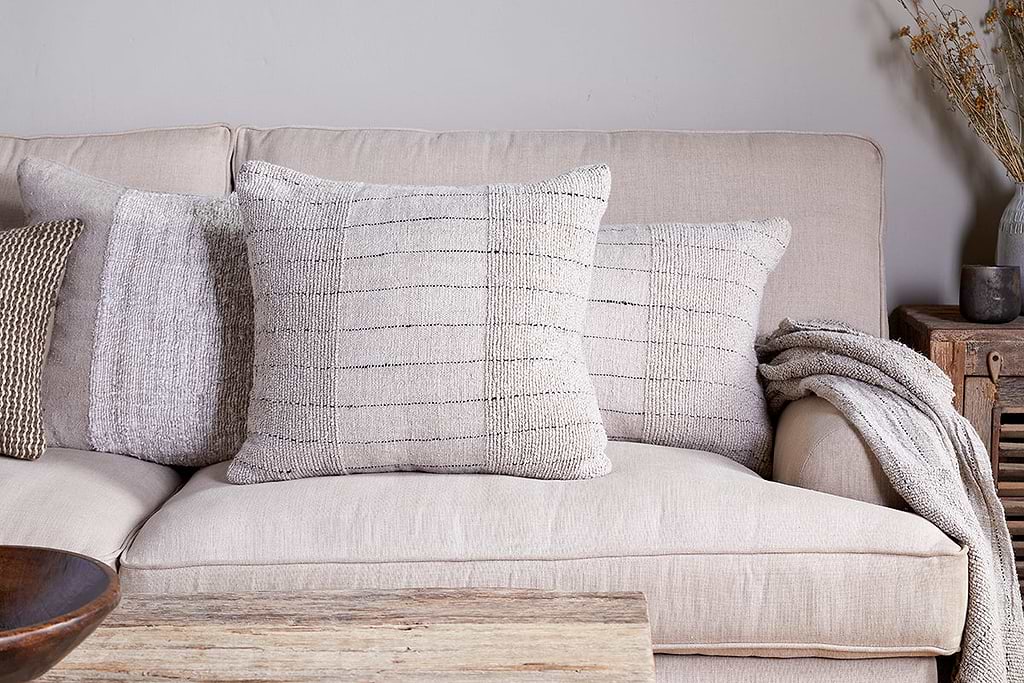
Mayla Cushion Cover
Soft hand-textured cover — instant warmth on linen sofas or chairs.
View at Nkuku →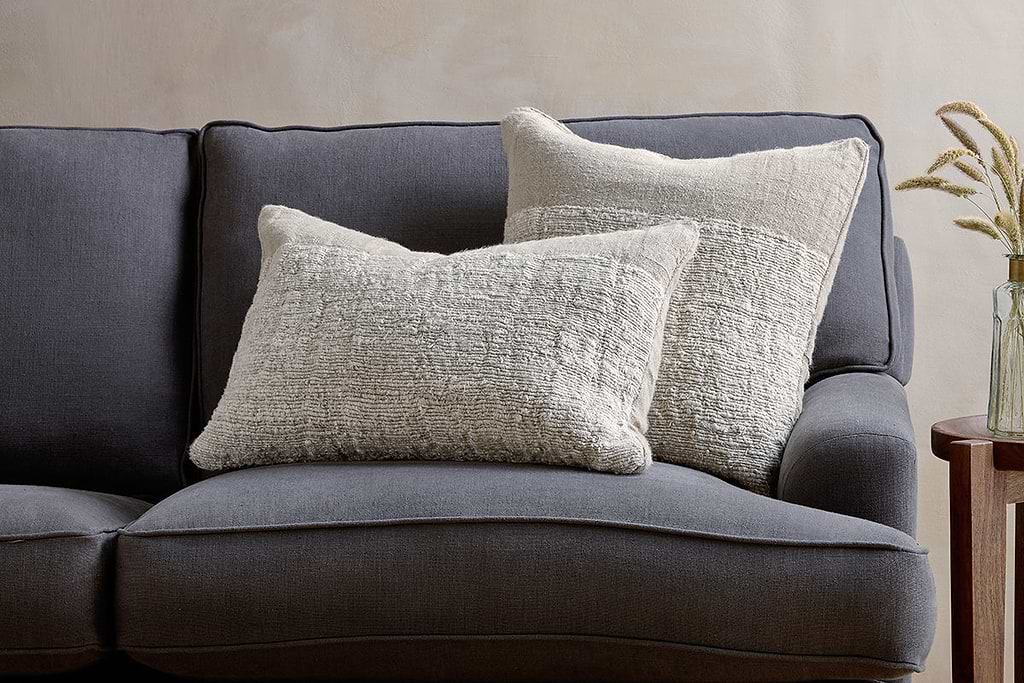
Puli Linen Cushion
Recycled linen in natural — pairs with woven textures and aged wood.
View at Nkuku →Some links above are affiliate links. If you buy through them we may earn a small commission at no extra cost to you. We only suggest pieces we think fit a calm, lived-in home.
Free guide
The Calm Shelf
12 styling ideas to help you compose calm, balanced shelves in natural texture homes.