

Many people turn to sage green living room ideas hoping for a calming reset, but end up stuck, worried the colour looks bland in daylight, or feels off against what they already own. In small homes or rental flats, sage green often seems too flat if the light is low, or clashes with the wrong undertones.
Today, we’ll break down what really works: ways to keep sage green looking calm but not cold, and how to pair it so the room feels finished, not forced. This works especially well in a living room with tired flooring or awkward light when you want a subtle feature but need a forgiving base.
The short version: Sage green living room ideas work best by pairing soft, dusty greens with creams, woods, and a few textured pieces to keep the colour from reading flat. The right balance makes even a small or rental-friendly lounge feel both relaxed and modern.
Key takeaways
- A sage green living room looks fresh when you mix in warm neutrals and natural textures.
- Curtains for living room setups work best in linen or cotton blends with subtle texture.
- A grey or cream sofa complements sage green walls for modern living room decor ideas.
- Warm wood, terracotta, and brass add depth to sage green without crowding the palette.
- According to Farrow & Ball, Dyrehaven and Danish Lawn are two popular sage green shades for lounges.

What is sage green, really?
Sage green is a soft, muted green with grey and yellow undertones, used by brands like Farrow & Ball in living rooms for its natural, understated feel. This colour feels more grounded than mint, and more forgiving than olive, making it suitable for many modern living room decor ideas.
In practical use, sage green sits comfortably between cold and warm, without feeling clinical. The shade itself acts as a backdrop that doesn’t pull too much attention, making it easy to pair with muted woods, pale creams, or worn leather. Unlike stark white, sage green doesn’t show dust as quickly, and sunlight doesn’t bleach it out.
Most people are drawn to sage because it’s easier on the eye than vivid greens but not as beige as plain neutrals. Farrow & Ball’s Dyrehaven and Danish Lawn are two well-known choices for UK living room ideas, both blending into real homes with unpredictable light. A soft green will read differently depending on what’s underfoot, timber, tile, or even old carpet will shift the undertone left or right on the spectrum.
Compared to bolder paint shades, sage green lets decoration ideas living room choices stand out, a jute pouffe or brass lamp becomes the focus, rather than the wall. The shade is low-risk: repainting is simple, and it doesn’t lock you into a theme like strong blue or terra cotta can. A sage wall works if you want to switch slipcovers or curtains seasonally without clashing.
A room done in sage green feels less busy than strong patterns and less bland than just white. It works best as a gentle reset for cluttered or tired-looking lounges where you want soft focus, not a statement.
Where this works best
Sage green living rooms work best in spaces that get modest daylight or have awkward layouts because the colour smooths out strong shadows and busy corners. This is a forgiving backdrop in homes with low ceilings, narrow hallways, or boxy sitting areas.
Narrow sitting rooms, open-plan lounges, and even small apartments often feel cold or unforgiving with plain white walls. Using sage green as a main wall colour helps hide lumps and old paint marks, while reflecting enough light to keep things from feeling heavy.
Most people find that this shade sits especially well in shared living spaces, lounges that need to work with a mix of hand-me-downs, or rooms where traffic is high. That’s part of why it’s mentioned in DFS’s sage green living room advice, which shows both faded and fresh interiors. Pairing the colour with plants or bookshelves keeps it feeling smart, not bland.
Avoid using sage green in basement dens or spaces with wood panelling that leans red, this can muddy the green and give a tired effect. Instead of adding heavy art, stick with simple frames or floating shelves to keep the room open. Soft green on the wall draws the eye wider and makes small or awkwardly-shaped rooms look more finished.
For UK living room ideas, sage green is especially helpful in homes with north-facing daylight, where beige looks grey and icy blues go flat. With this approach, a lounge or family room gains a fresher, more modern base, ready for moves and life changes.
How do you pair sage green with other colours?
Sage green pairs best with cream, warm wood, grey, and pale terracotta, while strong red or purple can clash and muddy the look. The right secondary colour brings out the green’s softness instead of making it feel faded.
Living room paint ideas often focus too much on contrast or single shades. In practice, pairing sage with cream (especially on trim or the ceiling) gives a soft base that keeps the room from closing in. Compared to pairing with very dark brown, using greys (such as on a sofa or a rug) makes the room feel modern and finished but never sharp.
If you use warm wood, think oak or beech, the green sits closer to nature, and the edges between wall and furniture blur nicely. Terracotta, used sparingly in pots or a low bowl, grounds the colour palette so it doesn’t float or appear tired. In contrast, cool metallics like chrome can read as cold unless you mix in textures and natural materials to soften the look.
The Spruce’s sage green living room guide collects advice on mixing with earthy neutrals and patterns, these add depth. A plain sage wall paired with simple white can flatten the effect, while adding woven textiles or a stone planter breaks up the space and pulls the eye in.
When looking for modern living room decor ideas, try limiting the room to three main colour blocks: sage, a warm base (like cream, clay, or blond wood), and one accent (like brass or rust). This prevents visual clutter and keeps the space easy to update seasonally.
What makes sage green look flat, how to avoid it
Sage green looks flat when it’s paired with shiny or synthetic materials, harsh lighting, or too many similar tones with no contrast. Adding earthy textures, low-sheen finishes, and natural light stops the room from feeling dull.
A living room with three sage green walls and matching curtains can start to feel monotone fast if everything shares the same finish. Unlike a kitchen, the lounge gets more varied use and usually has softer surfaces. A matte wall paint, as recommended in Farrow & Ball’s living room inspiration, soaks up light gently, helping the colour look deeper in day and evening.
If synthetic fabrics are used, such as polyester curtains or faux leather, these can catch glare and make the green look cheap. Replace them with linen, cotton, or wool where possible. Adding a ribbed vase or a clay pot puts a slight shadow against the wall and breaks up the sea of colour.
Compared to a plain monochrome look, a room with overlapping textures holds attention without shouting. Shadows from houseplants, leafy, upright, or trailing, create loose patterns on the wall. This stops the green from looking staged and gives every corner a bit of movement.
Over-lighting the room with strong LEDs can bleach out the green, while under-lighting turns it muddy. Warm-white bulbs or shaded lamps keep everything soft and forgiving. A sage green living room works best when there’s a mix of materials and shapes, wood, ceramics, and woven fibres rather than plain plastic or gloss.

Styling and placement
A sage green living room looks intentional when you use the colour as an anchor, on a single feature wall, or with key accessories, while varying heights and materials in the room. Good placement makes the space feel shaped, not staged.
Placing sage green along one main wall, behind the sofa or low shelving, helps give the room a subtle centre. This draws you in without overpowering the space, according to DFS. Opposite that, a soft rug or scattered floor cushions stop the green from stretching the room out too far. In a small apartment or studio, this focus helps prevent the layout from looking accidental.
Mismatched furniture, say, a bold sofa and lots of small side tables, distracts from the calm. Swapping busy patterns for a single main piece, like a wooden bench or textured pouffe, makes the seating area look more open. Brass lamps or a single clay vase catch the light near the green wall and bring a bit of warmth up to eye level.
Unlike setups with scattered frames or clashing cushions, repeating a texture or tone, such as jute, linen, or pale wood, brings breathing space. Keep shelves around the green wall less crowded than others, so the colour has room to work. A feature wall with plants above and neutral drapery below creates a layered effect without feeling over-designed.
Quick calm checklist:
- Use matte or eggshell paint on the main wall, shiny finishes can make the green too brash.
- Keep pale, natural curtains for living room width and airiness; avoid heavy velvet or deep navy unless in small accents.
- Distance wooden pieces a hand-span apart to let each shape show clearly against the green.
- Limit the accent palette (brass, clay, cream) to two or three highlights per view.
Place a sage green wall behind the main seating or low shelves, echo the colour in two secondary objects (a lamp, pottery), and give textured accessories (linen, jute, woven trays) room to stand out.
How much sage green is too much in one room?
Sage green works best when used on one main wall or in a handful of big accents, rather than floor-to-ceiling or every accessory. A good rule is to use sage as a backdrop, not a blanket.
Fully painting all four walls of a small living room can make the colour feel heavy, especially if lighting is already limited. According to DIY.com’s roundup of 26 green living room ideas, most decorators recommend starting with one or two surfaces, a feature wall, or maybe wrapping onto the ceiling in open-plan spaces.
If you cover every soft furnishing, cushions, throws, rugs, in different shades of sage, the room quickly loses depth. Instead, pick a primary zone for the colour (walls or a sofa), and echo it in two other textures. Compared to a room with too many competing shades, limiting sage lets the rest of the palette breathe and changes easily with the season.
Feature walls behind shelves, window frames, or a fireplace are effective because those break up the colour block without making the room feel cut off. Sectioning the space with a green wall and then adding lighter, natural curtains or a contrasting rug keeps the effect calm.
The best modern living room decor never tries to match every single item, you want a lived-in feel. If half the room fills with different green objects, shift some out for pale cream, oat, or warmed grey instead. This helps each piece feel more deliberate and less like an afterthought.
| Sage Green Placement | Feels Balanced When… | Risk of Flatness |
|---|---|---|
| Single wall or feature | Paired with pale trim and wood | Low |
| Every wall + curtains + accessories | Broken up with texture and cream accents | High |
| Just accessories (cushions, throws) | Anchored by wood or off-white paint | Low |
Keep sage green to one main zone, echo in up to two accessories, and give the eye space to rest with pale curtains or neutral rugs, especially helpful in a small living room layout.
Curtains, rugs, and soft layers that finish the look
Natural-fibre curtains and textured rugs keep a sage green living room gentle, breaking up large colour blocks and making the finish feel soft, not cold. Picking the right materials stops the room from feeling unfinished.
Curtains for living room use work best in cotton, washed linen, or a blend, with just a faint slub or weave texture, these catch the light but don’t glare back. Compared to synthetic, shiny or patterned fabrics, these choices read softer and lock in a gentle boundary between the outdoors and the sage walls.
Likewise, rugs made from jute, wool, or a blend keep the green grounded. A natural rug underfoot connects the paint to the rest of the room, while a cold synthetic acts as a divider that sections the space awkwardly. Use a rug that’s pale, with a hint of fleck or grain; avoid pure white or deep charcoal in a sage room unless needed for high-traffic spots.
Sofa throws, scatter cushions, and basketry let you tuck in a few accent colours without making the scheme busy. Warm neutrals, like oat, wheat, or mushroom, pull the look together, especially paired with a soft green and cream. Where coverage is needed near windows, try linen curtains for better drape and more forgiving colour shifts across the day.
Soft furnishings work in both formal and relaxed rooms, and are easy to swap out if you want to change the feel. A single rug and one set of pale, textured curtains are enough to finish even an open-plan or rental living room without new paint or major furniture changes.
What tends to hold up with sage green living rooms
Sage green living rooms, tested across home tours and design discussions, seem to work best when paired with some kind of rough or matte texture, linen, jute, soft wool, or pale, worn wood. Flat, shiny surfaces tend to show dust or streaks, while gentle fabrics break up the expanse and keep the colour from looking tired. Many reviewers on home forums report that natural light is key, as even a soft sage can turn dull under harsh, cold bulbs or heavy, closed curtains.
The fixes decorators come back to are simple: limit the number of green accents, keep the base palette restricted, and use natural materials wherever possible. This approach makes the room easy to update, easy to live with, and not tied to one trend.
, Mara, Loom & Glow
Common questions
What colour goes with sage green in a living room?
Cream, warm woods, soft greys, and muted terracotta all go well with sage green in a living room. These colours bring out the gentleness of sage without making it feel dated or cold. Mixing in these tones makes both paint and furnishings easy to update.
What colours don’t go with sage green?
Bright red, strong purple, deep navy, and certain oranges often clash with sage green because they overpower the subtlety of the base colour. While small accents might work, keeping the main palette soft and warm avoids the “muddied” effect. Softer creams, oat, or natural stone are safer companions.
What colour sofa works with sage green walls?
Cream, pale grey, or oatmeal-upholstered sofas work best with sage green walls in a living room. These shades create a gentle contrast that feels modern and easy to style with other natural textures. Avoid heavy black or dark brown sofas, which can dominate and dull the scheme.
What colours make sage green pop?
Muted terracotta, brass, amber, and soft blush make sage green pop by adding warmth without fighting for attention. Combining these accents with warm wood and cream keeps the overall feel soft and interesting, rather than harsh or jumbled. Keep these tones to two or three key pieces for clarity.
Explore more calm combinations inside our Shop The Look .
Shop the Look
A few Nkuku pieces that echo the calm of sage green without competing for attention.
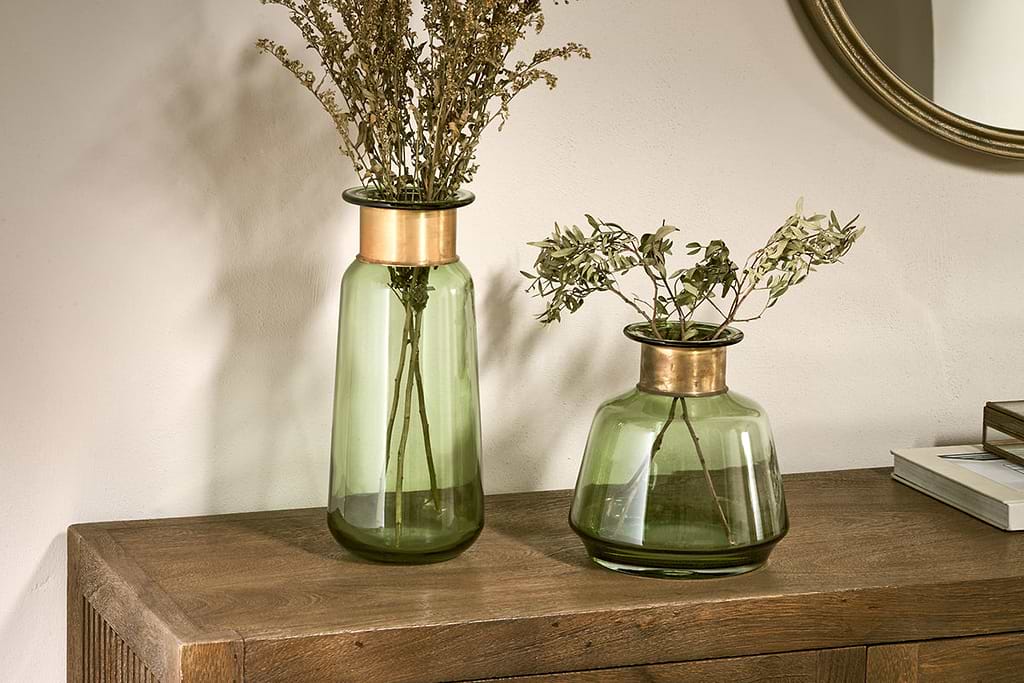
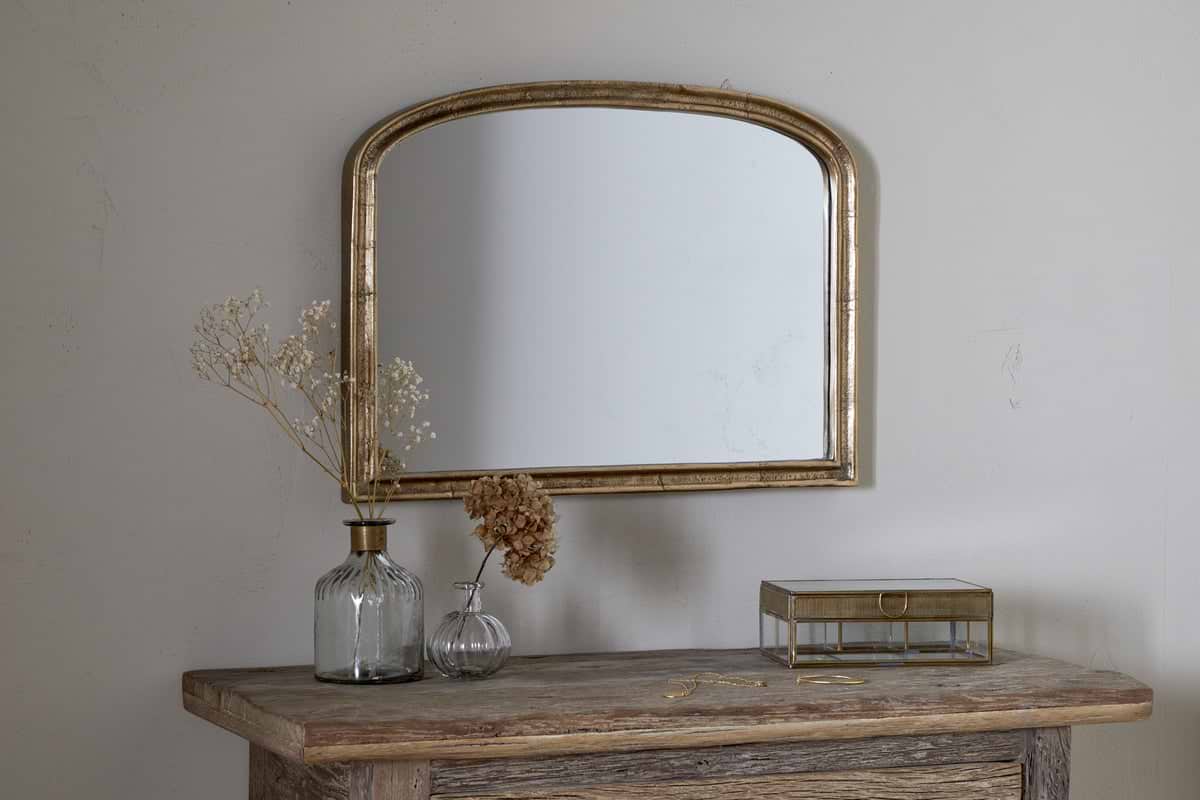
Some links above are affiliate links. If you buy through them we may earn a small commission at no extra cost to you. We only suggest pieces we think fit a calm, lived-in home.
Free guide
The Calm Shelf
12 styling ideas to help you compose calm, balanced shelves in natural texture homes.