

Many earthy living room ideas look calm in a Pinterest photo, but can feel cluttered fast in a real home. Busy wood grains, clashing tall plants, and too many woven baskets often make the room feel heavy instead of soft. The problem grows when a space is small or light is limited.
This guide helps you layer natural materials without fuss. You’ll learn what to keep, what to pull back, and what to anchor around for the calm, lived-in look. This works especially well in a small apartment when daylight is low because tactile finishes and a clear palette bring warmth even without sun.
The short version: Earthy living room ideas work best by limiting the color range, repeating a few key textures, and anchoring the room with one wooden element. Keep the look soft by combining warm wall color, light fabrics, and only a few practical natural pieces.
Key takeaways
- A calm living room uses a small palette of warm neutrals such as clay and soft green.
- Layering jute, linen, or rattan adds texture without clutter when you repeat one or two materials.
- Wood works best as the main structural element, according to Furniture Choice groups.
- Stone and ceramic pieces can ground small rooms if kept simple and matte.
- Aim to keep about two-thirds of shelf space clear for the room to breathe.
- What makes a living room feel earthy rather than just neutral?
- Start with the wall colour: warm browns, clay, and soft green
- Where this works best
- How do you mix rattan, jute, and linen without chaos?
- Styling and placement
- How do you add contrast so earthy rooms don’t feel flat?
- Small earthy living room ideas for rented or compact spaces

What makes a living room feel earthy rather than just neutral?
A living room feels earthy rather than just neutral when natural materials are given clear roles and warm tones replace cold whites. Using wood, jute, or linen in visible, tactile spots gives the room an unfussy grounding.
In a flat with gray walls and pale sofas, the space can look plain or uninspired. If you bring in a reclaimed wood coffee table and a woven jute rug, the room starts to feel gentler and lived-in. Unlike a pure white room, the wood grain and rough fiber absorb light softly, cutting the glare.
A bare, neutral space often looks cold, especially under artificial light. Filling one corner with a low rattan chair and placing a linen throw over the arm gives the eye a soft landing spot. A single stone planter pulls weight to the floor, avoiding the sense of floating furniture.
Warm earth tones and visible wood grain create a different feeling than plain greys or beige. For anyone wanting both warmth and visual rest, this is the rule: a living room works best with at least one piece that shows honest wear, like a jute basket or an oak bench.
Try anchoring the reading area with a wooden stool—its texture will break up an otherwise featureless carpet.
Start with the wall colour: warm browns, clay, and soft green
A wall painted in clay or soft sage sets the tone for earthy home decor and makes every natural material feel richer. Even one feature wall in these tones changes the whole mood of a room.
Many city living rooms come with white or cool grey walls as a default. Swapping even a single wall for clay brown or pale olive adds an instant sense of weight. Unlike bright white, soft green and brown walls cut glare and give fabric or wood details a place to stand out.
Valspar Paint highlights shades of green and brown for earthy spaces, suggesting wooden cladding or a clay finish for extra depth (Valspar Paint highlights). In a room facing north, a clay-toned wall reflects a little warmth even on dull days. That helps every jute pouf and rattan light shade look softer by comparison.
A terracotta wall works with both pale wood and blackened steel, so the rest of the room needs less changing. To keep the small space from feeling crowded, use color below the shelf line and pair bright linen curtains with the painted wall.
A clay-wash accent wall behind your sofa can be enough for the palette to feel purposeful without repainting the whole space.
Where this works best
Earthy home decor looks grounded and soft in small living rooms, low-light spaces, or rentals with odd layouts. The rule of thumb: warm tones read best where natural sunlight is uneven.
Open-plan flats, basement dens, and family rooms with only one window can all use the softness from jute or linen. Small apartments with limited floor area benefit from these natural material home decor pieces because they absorb sound and soften hard surfaces from nearby hallways and kitchens.
In a rental, swap out busy prints for a single rattan armchair or add a pair of stone bookends. On a narrow balcony connected to the living room, a woven rug defines where to sit without breaking up the space. Rooms that feel echoey or empty at night benefit most from the textured materials and palette focus.
Avoid pairing heavy leather with thick woven rugs in low-ceiling rooms—this makes the space feel cramped. Instead, use one large piece (like a wooden coffee table) with a lighter linen sofa and a single soft jute floor cushion for a balanced look.
In a busy playroom, earthy living room ideas hold up best when all large storage bins are in the same neutral shade and only one tactile accent—like a braided tray—sits on the table.
How do you mix rattan, jute, and linen without chaos?
A mix of rattan, jute, and linen stays calm if you pick two to repeat and use the third only for detail. Keeping to just a few textures makes the room easier to read with the eye.
If a living room starts with nothing but blank walls and one fabric sofa, adding every woven basket or fiber seen online can build up visual noise. Instead, lay down a single flat jute rug near the center of the room—its neutral color works as a quiet base. Most living rooms work best when at least one woven piece is oversized (like a trunk for blankets) rather than scattered as small decor.
Layering rattan through a pendant light or a footstool makes the texture pop, but too many rattan trays or baskets compete for attention. A linen curtain softens the windows and brings light through the weave, avoiding the stiffness you get with thick cotton or polyester blends. Unlike a space crowded with patterned cushions and shiny throws, sticking to two types—like linen for all textiles and one large rattan—keeps the room readable and soft under mixed lighting.
According to Furniture Choice groups, texture should layer gradually: start with the anchor (jute or wood), then add a contrasting woven or textile accent. A mix like this feels tactile, not busy.
Ground your sitting area with a large jute rug, hang one rattan pendant, and bring in linen with a pillow cover or throw for that lived-in, balanced feel.

Styling and placement
Styling earthy home decor works best by placing the heaviest piece low and tucking lighter textures higher up. A calm room always shows gaps around and between objects, so every item breathes.
If your floor has hardwood boards, put the thickest woven basket or stone planter on the floor beside the sofa rather than on display shelves. Place a linen pillow or boucle throw about halfway up the sofa back for a relaxed drape. A stone bowl or unglazed planter works on a windowsill if the rest of the surface is kept clear.
A crowded corner with too many baskets stacked up looks cluttered. Spread out your woven home decor instead—store throws in one, books in another, but keep at least two visible patches of floor. On open shelves, leave one-third of each shelf empty for the eye to rest.
Quick calm checklist:
- Start with one key wood element you don’t move—table, bench, or large shelf.
- Limit display to two visible woven textures and two textile accents per main sitting area.
- Keep at least one side of each table or shelf open and free of decor.
- Use only one “natural” plant pot or ceramic bowl per surface.
Anchor your sofa with a wood coffee table, then style only one rattan basket per main living area for easy movement and space on the floor.
| Material | Main Use | Works Best When |
|---|---|---|
| Jute | Rug or large basket | Used as floor anchor |
| Linen | Pillows, throws, curtains | Letting light through |
| Rattan | Chair, stool, single lamp | As a solo accent |
| Wood | Table, shelving, stool | Visible grain, warm finish |
How do you add contrast so earthy rooms don’t feel flat?
Earthy living rooms avoid looking flat by adding matte stone or ceramic pieces as subtle contrast and using darker wood for one main piece. Contrast should feel quiet, not dramatic.
On a shelf stacked with pale baskets, sliding in one unglazed clay bowl makes everything else pop without strong color. In a soft neutral room, a black-washed oak side table adds just enough weight so other pieces look lighter. Unlike a room full of similar woven textures, mixing in stone or ceramic grounds the sight-lines and keeps the space from feeling all one note.
Furniture Choice suggests a stone accent—like a tray or bowl—on the coffee table to offset soft textiles (Furniture Choice suggests). For those using a boucle sofa or linen curtains, a soapstone vase pulls the eye and adds a coolness that balances out all the warm tones.
Darker accents need placing near the floor or low tables. Otherwise, contrast floats and feels disjointed. Use a reclaimed wood mantle or a matte black candleholder at table height to break up pale backgrounds.
Place a single dark stone piece on a low table near window light so it absorbs the sun quietly and draws the gaze.
Small earthy living room ideas for rented or compact spaces
A small living room in a rental feels calmest with a low-contrast palette, flexible accents, and only a handful of natural home decor pieces that serve storage or comfort roles. Everything should move easily.
In a studio flat, ground the room with a flatweave jute rug and anchor storage with two lidded baskets that tuck under a table. Flexible pieces—folding rattan stools or linen poufs—keep traffic paths clear. Most renters skip wall painting, so they lean on organic home decor: try neutral slipcovers and a pair of soft linen curtains to mute any standard-issue carpet or tile underneath.
Unlike a larger home—where bespoke shelving or cladded feature walls work—here, focus on accessories that don’t leave marks, like a clay planter or stone bookends. A small living room benefits from one long neutral curtain to hide awkward rails or views.
King Living pairs concrete planters and soft seating for an earthy look that works even when you can’t drill or repaint (King Living pairs), and recommends sticking to a soft, muted palette to avoid visual noise.
Use a simple jute rug, tuck all cords in a woven basket, and style only what you use each day for a calm, clutter-free effect.
What tends to hold up with earthy living room materials
In reviewing many real homes and products for Loom & Glow, matte finishes appear again and again where direct sunlight hits—because matte surfaces look softer in changing light and don’t glare as much as glossy ones. Reviewers also report that heavier jute rugs hold shape better in open-plan spaces, while lighter linen throws wear well through seasons and washes. Decorators often suggest limiting natural material home decor to three main points of focus per room. Too many small tactile accents quickly blend together and lose their effect.
Most designers recommend wooden pieces for structure, then filling in with soft, touchable textiles and one or two sturdy woven accents. Natural light, even on dull days, seems to make every tactile piece feel gentler and more lived-in.
— Mara, Loom & Glow
Common questions
How do you create an earthy living room?
An earthy living room combines warm neutral walls, wood or stone pieces, layered natural textures like linen and jute, and minimal, practical decor. Keep the color palette small and repeat one or two main textures to avoid clutter. Adding one large plant and a heavy woven rug can finish the look.
What colours count as earthy tones for a living room?
Earthy tones cover soft browns, clay, terracotta, muted green, taupe, ochre, and natural off-white. These shades work best when used on one main surface—like a wall or rug—and paired with warm natural textures, such as wood or stone, for balance. Avoid pure white or blue for this style.
What is the 2:3 rule for living rooms?
The 2:3 rule means leaving about two-thirds of a surface—like a shelf, wall, or rug—clear, and only decorating the other third. This keeps rooms feeling open and furniture easy to move, especially in small or shared living spaces. It also helps highlight your best pieces.
What is the colour trend for living rooms in 2026?
The trend for 2026 focuses on clay, sage green, soft terracotta, and deeper, natural browns, according to Valspar Paint’s earthy interior guide (Valspar Paint’s earthy). Room palettes are getting warmer and more nature-inspired, with fewer bright whites or icy greys.
Explore more calm combinations inside our Shop The Look .
Shop the Look
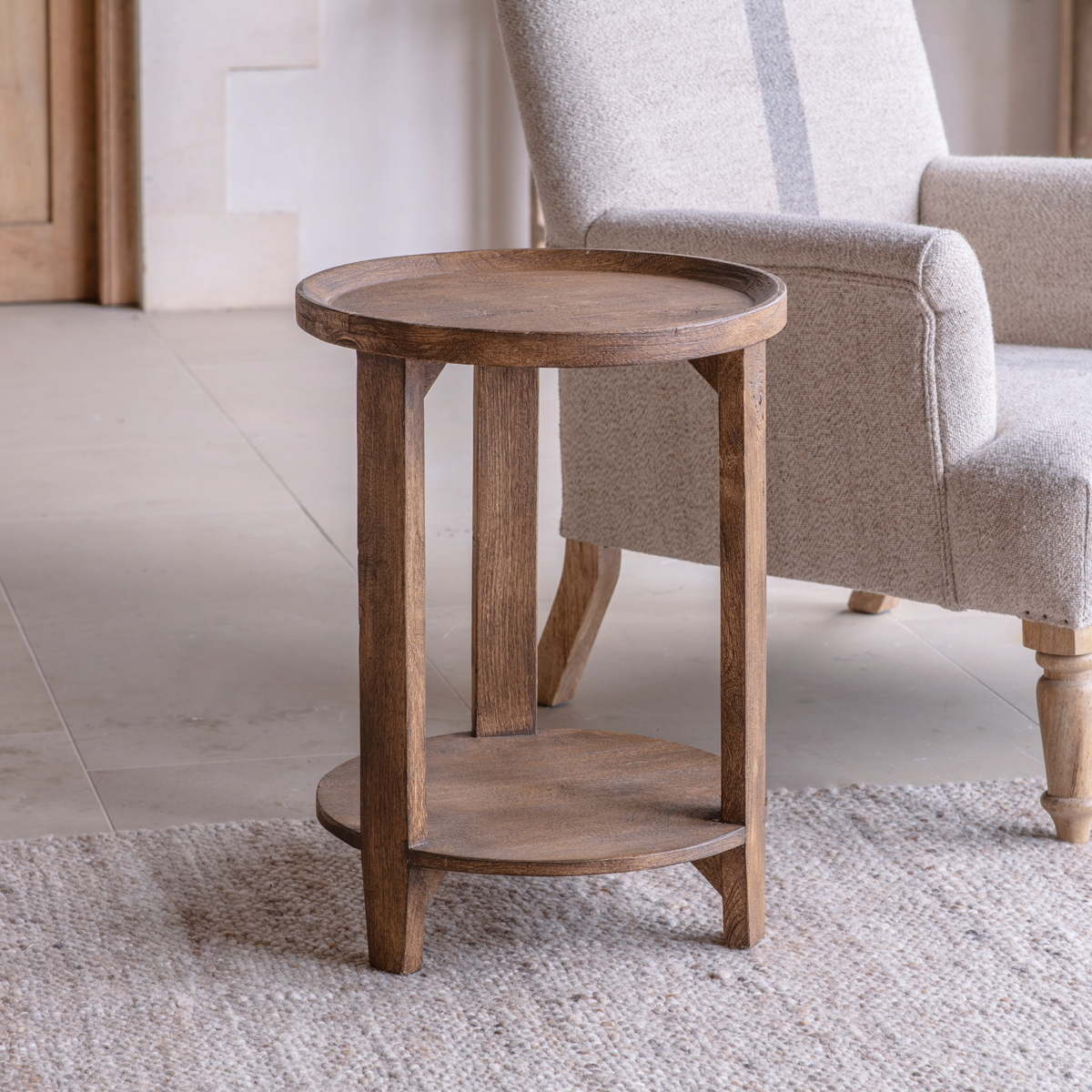
Nkuku pieces in warm wood and soft natural tones that deepen an earthy palette without noise.
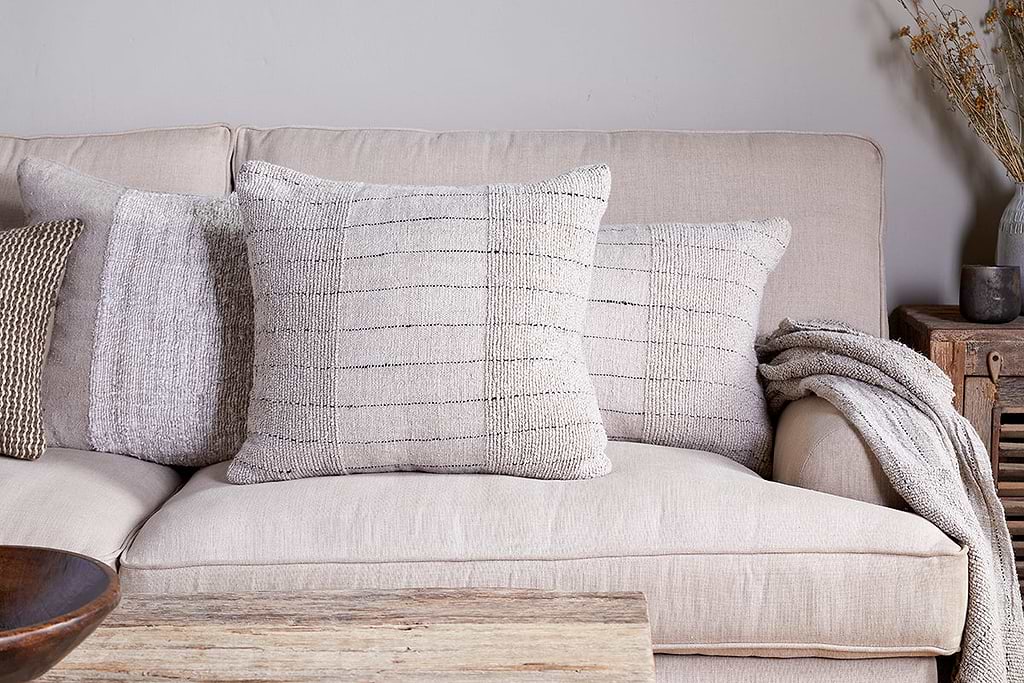
Mayla Cushion Cover
Soft hand-textured cover — instant warmth on linen sofas or chairs.
View at Nkuku →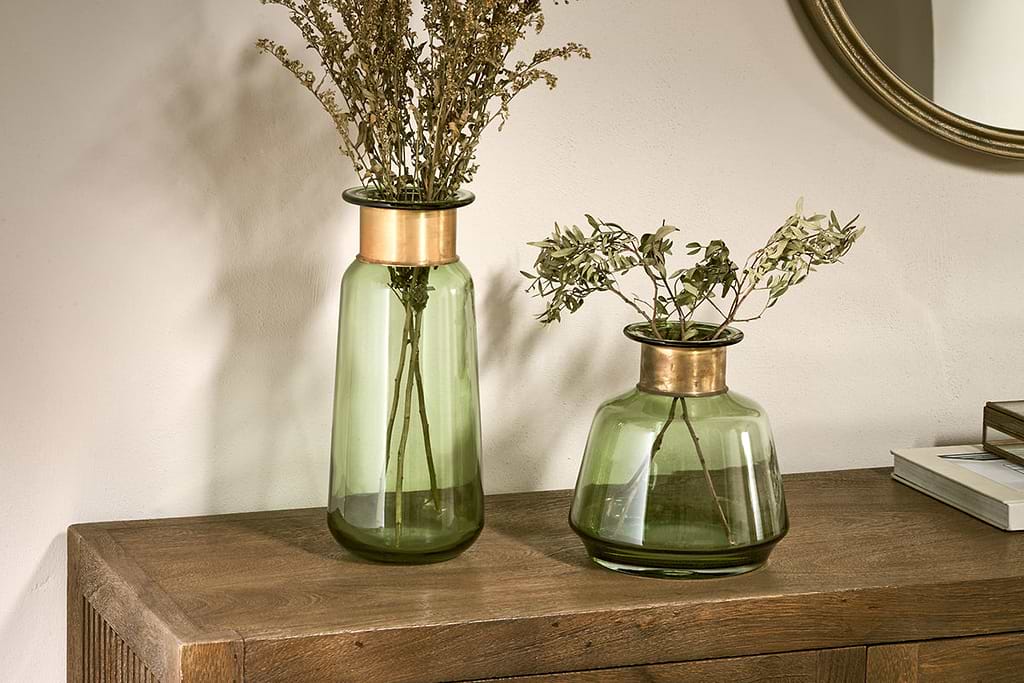
Some links above are affiliate links. If you buy through them we may earn a small commission at no extra cost to you. We only suggest pieces we think fit a calm, lived-in home.
Free guide
The Calm Leaf
12 quiet ways to bring dried botanicals, stems, and natural textures into calm spaces.