

Floating shelf decor works best when you balance grouped objects with empty space, using natural materials and keeping to one or two main colours. Group items in odd numbers-three is most common-to make a shelf look styled without clutter, and let the wall show through between clusters so the display feels calm rather than crowded.
Decorating floating shelves can easily go wrong in a busy home. A shelf that looks great online might turn cluttered or bare once you try it in your own space, especially when storage and display have to mix. Open shelves draw attention, so each object—whether it’s a plant, a book, or just a plain mug—has a visual job to do.
Today, you’ll see how to edit what’s there, find the best spot for each thing, and use simple shifts to get that balanced, finished look without overthinking. This works especially well in a small living room when the shelving is the main display area, because it draws the eye without overwhelming the walls or taking up valuable floor space.
The short version: Decorating floating shelves works best when you balance empty space and grouped objects in natural materials, repeating just one or two main colors. This changes a shelf from cluttered or random to something that feels calm, connected, and useful—whether for display or everyday reach.
Key takeaways
- A shelf with too much on it quickly looks cluttered, but leaving wide gaps can feel unfinished.
- Grouping objects in odd numbers—three is most common—makes a shelf look styled without fuss.
- Matching shelf height and the tallest object prevents the display from feeling top-heavy or clunky.
- The right textures—wicker, linen, and ceramic—soften a line of books or keep glassware from reading cold.
- BHG’s guide organises floating shelf ideas by room, showing that shelf styling always depends on the space and storage needs.
- Why do some floating shelves look styled and others don’t?
- Where this works best
- How do you pick the right height and scale for floating shelves?
- What actually goes on the shelf if you don’t collect things?
- Styling and placement
- How do you decorate floating shelves in a bedroom without fuss?
- Common mistakes that make a floating shelf look busy

Why do some floating shelves look styled and others don’t?
A floating shelf looks styled when there’s a mix of grouped and spaced objects, using related textures and keeping open gaps for the wall to show through.
In a living room, a shelf lined with every little thing—a block of books, candles, vases, framed art all squished together—reads busier than one anchored by three or five main objects placed in gentle clusters. The shelf begins to feel more like a shop than part of the home.
An easy fix is to keep the same palette for a row of books, add one low basket, and rest a single small vase off-center. Unlike a full row of mismatched souvenirs, this setup invites the eye to move and offers spots of rest between textures.
The reason this works: our eyes need a balance of filled and empty space. A shelf that uses too many strong objects in a row does not let the wall “breathe.” Keeping some areas open makes the whole wall seem lighter, especially in smaller rooms.
If you want a shelf to feel anchored, group by three or five and give each group space to settle. This is the “odd-number” rule: a line-up of three items, varied in height and shape, nearly always looks comfortable according to the styling method described by The Beauty Revival.
On a floating shelf over the sofa, this approach prevents the display from feeling flat or rushed—bringing focus without overwhelming the view.
Where this works best
Floating shelves work best in rooms where you want storage and display in one spot, but don’t have much wall or floor space.
Small living rooms with little built-in storage benefit most. Placing floating shelves over a sideboard or low console lets you keep essentials handy—remotes, a few favorite books—without having to crowd the tabletop. Wall shelves for living room corners are especially useful when you’re trying to use every bit of vertical space.
In homes with short entryways or narrow hallways, a single shelf can replace a console table, letting you drop keys or display a small plant without blocking a walkway. Bedroom floating shelf ideas work for small bedrooms where a full bedside table would eat up usable space.
Avoid propping a long shelf over a deep sofa if the shelf will sit too high—this breaks the visual link with the seat below and leaves an awkward stretch in-between. Decorative wall shelves should sit near enough to tie the display to the main furniture piece underneath, or else the shelf risks looking like unrelated clutter.
Applying this to a rental or compact city flat makes sense, since there’s rarely room for freestanding shelving. Using floating shelves solves both storage and styling while keeping the floor open.
How do you pick the right height and scale for floating shelves?
A floating shelf will look balanced when set close to the tallest object you plan to display, rather than floating too high above other furniture.
In most homes, the top mistake is hanging shelves too far from the piece below (a sofa, a desk, or a bed) so that the shelf sits orphaned on the wall. This gap makes it hard to style—the items look like they’re floating aimlessly, or worse, get lost against a blank wall.
Instead, treat the shelf as an extension of the main furniture. Align the bottom edge of the shelf within easy reach; this helps ground the objects you place on it. For book stacking, the shelf should be tall enough for upright books or a modest lamp, but not so high a person can’t comfortably reach them.
Using a shallow shelf for framed art or a small clay bowl is a practical way to avoid crowding—most floating shelves sit about as deep as the average hand span, according to common supplier ranges on Etsy UK’s search.
Compared to thick, “floating” boxes with built-in drawers, a lean open shelf keeps the line simple and the focus on your chosen items. This is especially helpful for bedroom wall shelves ideas where depth is limited but display is needed.
What actually goes on the shelf if you don’t collect things?
Shelves feel finished with a mix of everyday objects—books, a textured pot with greenery, a bowl for keys—that you already own, grouped with purpose.
A bedroom shelf runs the risk of looking bare if you only use it for a clock or one framed photo. Instead of crowding it with “filler” decor, try stacking two or three books flat, add a single ceramic cup or a slab of raw wood on top, then tuck in a plant or dried stems for height.
The combination of soft and hard surfaces—a linen-covered book, a matte mug, an unfinished terracotta vase—creates a display with depth. Unlike plastic baskets or glossy trays, natural materials like wood and clay keep the look warm, even on open shelving.
Batching similar items together—rolling hand towels on bathroom floating shelves or sorted craft tools in jars for a creative corner—means every object earns its spot and the shelf never looks random.
For anyone not drawn to collectibles or knickknacks, floating shelf decor with everyday essentials keeps both clutter and blankness in check.

Styling and placement
A floating shelf looks intentional when each object relates—by color, texture, or use—and the shelf sits low enough for daily reach but high enough to keep clear space below.
Start with one weighted anchor—often a basket, set of books, or framed print—as the “pull” for your arrangement. Then layer in objects that repeat the main color or texture. If you use a wicker basket or a matte ceramic, add a second item in the same tone to keep it connected.
A common trap is too many small pieces spread evenly across the shelf. Instead, stagger heights and leave at least half the shelf with only one object or nothing at all; negative space keeps the display from reading heavy.
Even a small shelf can use the rule of three: one tall item (a stem vase), one mid-height object (book stack), and something low (a shallow bowl) covers all levels and avoids monotony. A shelf bracket in matte metal, left exposed, acts like a punctuation mark—breaking up the line and creating a soft stopping point for the eye.
Here is a quick comparison if you’re deciding how to group objects on decorative wall shelves:
| Method | Look | Best For |
|---|---|---|
| Even Spacing | Flat, tidy, sometimes bland | Short shelves, minimal items |
| Odd-Number Grouping | Dynamic but balanced | Longer shelves, mixed heights |
| Center Stack | Anchored, formal | Above bedsides, narrow hallways |
Quick calm checklist:
- Keep to three textures max (wood, woven, glass or ceramic).
- Allow at least half the shelf open or lightly filled.
- Anchor the grouping with your largest or tallest object at one end, not the center.
- Stick to one main accent color to tie items together.
- Let light hit at least one empty spot for contrast.
This works for shelf decorating ideas living room displays and for simple neutral shelf styling in bedrooms or study corners.
How do you decorate floating shelves in a bedroom without fuss?
Bedroom floating shelves feel calm when you keep the display limited to two or three useful objects, choosing quiet colors and one natural texture.
Most bedrooms need storage more than display. Instead of treating the shelf as a gallery, aim for a short stack of bedtime reads, a soft-edged basket for glasses or hand cream, and a single trailing plant. A bare shelf reads colder than one with a single woven basket or a linen-covered box.
For shared bedrooms, floating shelves double as nightstands on each side—leaving enough room for a glass and charger, but nothing more. Items like battery lamps or dried sprigs don’t easily slide off narrow shelves, unlike rounder or heavier decor that rolls or tips.
Choosing a shelf that matches other woodwork or a muted wall color keeps the arrangement restful. Compared to glass or high-gloss paint, matte wood absorbs and softens bedside lamp light, making the space comfortable for reading or winding down.
Bedroom floating shelf ideas also work for kids’ rooms. Using a single shelf above a desk for homework tools, or a lower one for stuffed animals and a favorite book, stops clutter from building up on tabletops.
Common mistakes that make a floating shelf look busy
A floating shelf looks busy when there’s too much variety in shape, color, or spacing—with objects pressed together from end to end.
One of the most frequent problems is lining up small trinkets evenly across the shelf. This creates a row that looks flat and forced, with every object fighting for attention. Instead, try leaving empty space between groups so each item can stand out and breathe.
Another misstep is mixing shiny and rough textures without a common thread: a glass vase, a shiny metal clock, and a plastic planter stacked together have nothing tying them back to the wall. Using related textures (only clay and linen, or just wood and glass) results in something calm and intentional.
There’s a tendency to overdo accessories—think five different picture frames, three types of artificial plants, and a pile of random souvenirs. Even on practical styling open shelves in living rooms, too much variety draws a cluttered look.
Limiting the number of groupings and repeating one material are simple ways to avoid the display case problem.
What tends to hold up with decorating floating shelves
From reviewing hundreds of styled shelves, one pattern stands out: shelves that use fewer, more meaningful objects age better than those overcrowded with decor. Neutral or soft palettes, wood grain, and a balance of heights tend to wear well from season to season, even as trends change. Matte finishes get recommended again and again for shelves near windows, because they don’t catch glare the way a glossy tray does. Heavy metals and shiny plastics, by contrast, draw dust and look dated quickly. Small upgrades—like swapping out a shiny photo frame for a hand-thrown bowl—quiet the look without needing a full refresh.
— Mara, Loom & Glow
What textures and materials work best on floating shelves?
Natural materials like wicker, linen, ceramic, raw wood and terracotta soften a shelf display and keep it feeling warm, especially when mixed with books or glassware. Avoid plastic baskets and glossy trays, which can make a shelf look cold or less intentional. Batching similar textures together-a woven basket with a matte ceramic pot, or stacked linen-covered books with dried stems-creates depth without needing lots of objects. Keep to three textures maximum across your whole shelf to maintain a cohesive, uncluttered look.
Common questions
How do you make floating shelves look good?
The quickest way to make floating shelves look good is to keep groupings simple—use a few objects of different heights and leave space between. Limit colors and textures so each item has enough breathing room. Repeating a material like wood or clay makes the whole display hold together visually.
Are floating shelves out of style in 2026?
Floating shelves are not out of style in 2026—they’re now seen as a standard solution for small or open living spaces. Magazines and retailer guides continue to feature new spins on shelf styling, often highlighting natural materials and multi-purpose shelving for both display and storage.
What to decorate floating shelves with?
The safest options for decorating floating shelves are everyday items in natural materials, like a clay pot, stacked books, and a woven basket. Greenery adds softness. Combining these with one unique object—an art print or keepsake—keeps things personal without clutter.
What are the common mistakes with floating shelves?
The most frequent mistakes with floating shelves are overfilling with too many mismatched objects, ignoring negative space, or using too many colors and textures at once. Shelves that match the room’s palette and provide rest for the eye tend to work best in real homes.
Explore more calm combinations inside our Shop The Look .
Shop the Look
A few Nkuku vases and a mirror that respect negative space and work in odd-number groupings on shelves.
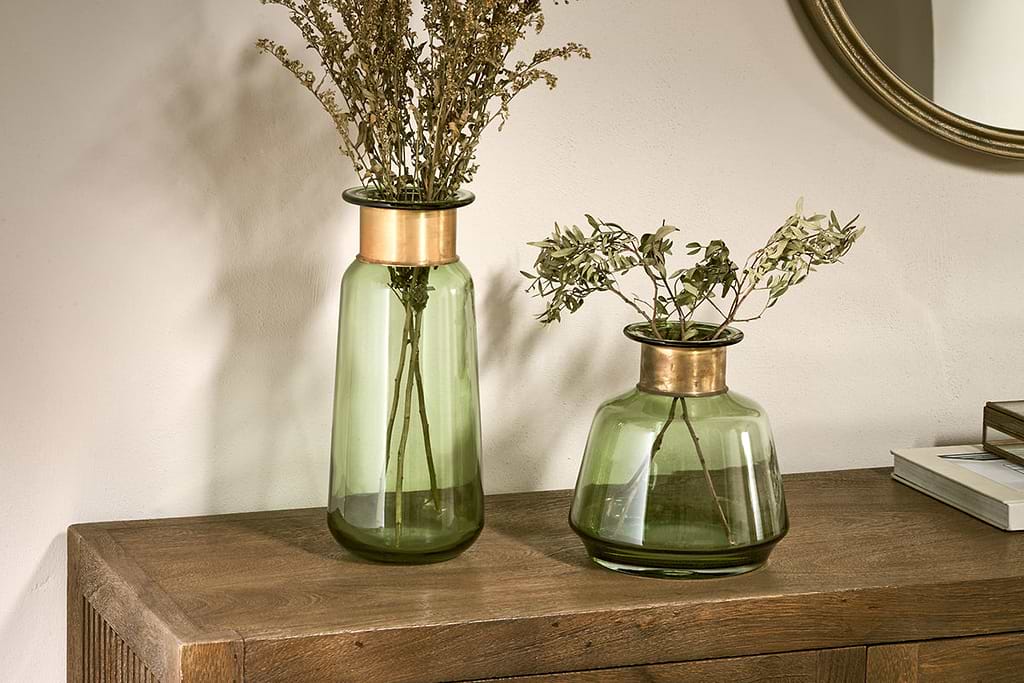
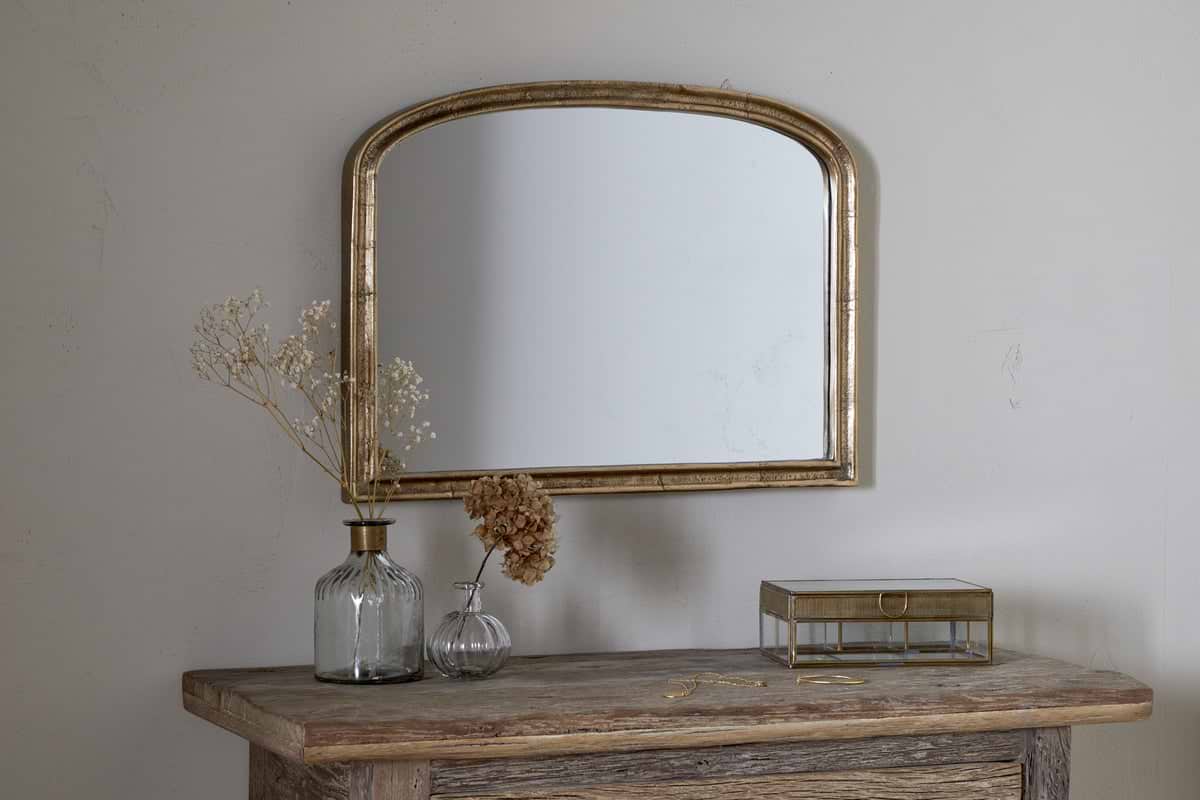
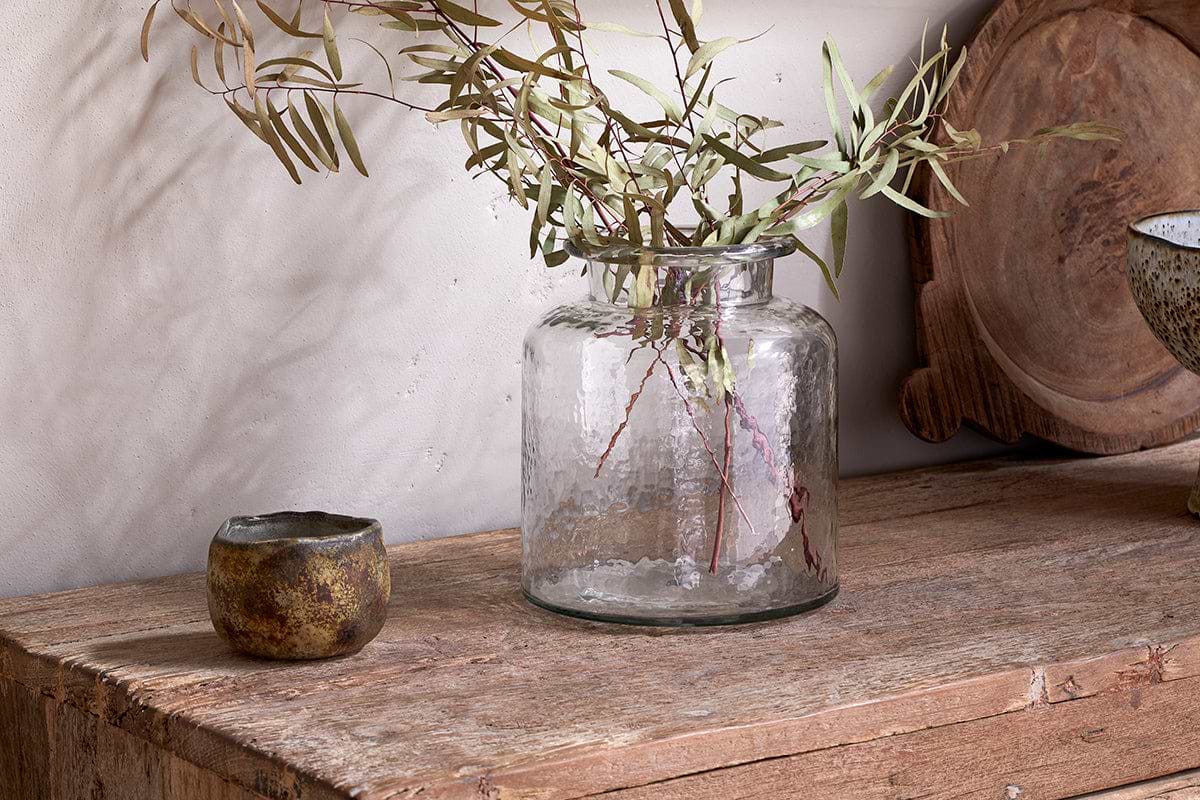
Akra Recycled Glass Vase
Clear cylindrical glass — pairs with stems or sits empty as a quiet accent.
View at Nkuku →Some links above are affiliate links. If you buy through them we may earn a small commission at no extra cost to you. We only suggest pieces we think fit a calm, lived-in home.
Free guide
The Calm Shelf
12 styling ideas to help you compose calm, balanced shelves in natural texture homes.