

A blank fireplace wall can look cold and out of place, even in a finished room. Fireplace wall decor often goes wrong when pieces are too small, too busy, or don’t sit well together, making the area feel awkward instead of inviting.
The goal today is to shift the room’s feel by understanding what to add, what to leave out, and how to layer shapes, color, and texture so everything works calmly together. This works especially well in a living room with low light or busy traffic when the goal is a spot that settles rather than distracts.
The short version: Fireplace wall decor looks best when one main piece, supported by a few simple layers and natural textures, anchors the space above the hearth. Fewer, larger items and a controlled palette stop things from feeling busy. Calm comes from picking the right scale and leaving space for the wall to breathe.
Key takeaways
- A single large item above the mantle sets the mood for the whole fireplace wall.
- Layering objects at different heights and depths creates interest without adding clutter.
- The area around the fireplace, not just above it, needs attention for a finished look.
- Lightweight, natural materials like linen, wood, and ceramics help keep things calm.
- Pinterest users often seek vertical fireplace wall designs for rooms with tall walls.

The problem with a blank fireplace wall
A blank fireplace wall looks unfinished and tends to collect random objects that do not fit together. A calm result depends on planning both the scale and the placement of every item.
Most people feel stuck trying to decorate a plain fireplace wall because nothing they add seems right. Small sculptures disappear into the background. Family photos in mismatched frames pull away from the clean look the room needs. Even in homes with a good sofa and soft rugs, the empty space above the hearth can make the whole wall seem disconnected and stark.
A half-finished fireplace wall also creates a problem when guests enter; they see a gap where warmth should be. People often try to fill this with whatever is handy, candles, vases, holiday trinkets, hoping to hide the emptiness, but these just make things look busier. One clear decision, choosing a main piece or set of pieces to anchor above the mantle, can reset the wall, so additions feel thoughtful.
A bare wall reads colder than one with a textured artwork or soft textile overhead. Unlike a cluttered entry shelf, though, a fireplace draws focus in a way that shows mistakes more clearly. Rooms are calmer when décor is both connected and intentional.
If the wall around your fireplace does not look settled, start with one larger item and edit back anything that competes with it. On a typical mantle, a single framed print will ground everything else and set the room’s mood.
Where this works best
Layered fireplace wall decor is most effective in living rooms, family rooms, or open-plan spaces where the fireplace is a natural gathering point. The method works well wherever you need to pull attention and warmth to a single wall.
This approach suits any room with a clear focal wall: a living area, a guest sitting room, or a small den. It helps especially in homes with tall ceilings, wide mantles, or off-center fireboxes. In apartments where space is limited and storage matters, one strong piece and gentle layers above the fireplace can double as display and visual anchor.
Adding calm fireplace wall decor is also a way to deal with mixed textures, think brick, old wood, or painted plaster. The right choice makes a mid-century brick wall or a newer painted surround feel equally at home. You do not need a luxury property; even in a basic rental, anchoring the space above the fire keeps things pulled together. Wood wall decor softens sharper lines or breaks up all-white walls.
Avoid using this method above a faux or electric fireplace if the wall is already taken up by a media unit. Too many big rectangles (like a TV and a painting) stacked together only add to the sense of heaviness. Instead, try a low profile shelf or flanking sconces at the sides for a lighter finish.
If the wall feels too crowded, simplify by removing extra objects from both the mantle and the hearth, leaving only one or two complementary pieces.
How do you pick the right piece above the mantle?
The best item over a fireplace is one that fits both the wall and the mantle in scale, with material or color that matches your style. A single, large item usually works better than several small ones.
In small living rooms or awkward corners, most people try to group several little objects over the fireplace to fill the space. This often makes the wall look busy. Instead, one large canvas, textile, or mirror provides a focal point and leaves breathing room. For a wide, low fireplace, a long landscape print or horizontal photo sets a natural line.
A common guideline: pick something that covers roughly two-thirds the length of the mantle. According to Pinterest searches for ‘Tall Fireplace Wall Designs’, vertical pieces like long mirrors or oversized art suit fireplace walls with more height than width. If the fireplace itself is narrow and tall, choose something that echoes that proportion, this draws the eye up instead of out.
A detailed painting looks heavier than an abstract print or a neutral woven hanging. Compared to a collection of framed photos, a minimalist wall hanging in a single fabric keeps visual noise low. If the rest of the room already has colors and patterns, lean towards something subtle over the fireplace. For a more finished look, keep palette and material limited to textures already in the room.
A single item with some natural texture, linen, clay, wood, gives the wall a sense of depth without taking over.
How to create visual weight without clutter
A layered composition using two or three objects in different textures helps a fireplace wall feel steady and calm, without covering every inch. Letting space show between items is key to feeling settled.
Open-plan rooms often suffer from low impact over the mantle and too much stuff on the edges. To avoid this, use the three-level method: one main piece on the wall, a second object on the mantle (like a stack of books or a sturdy vase), and a third near the hearth, such as a woven basket.
A set of three framed botanical prints works better than five scattered art pieces. The repetition gives rhythm while empty wall space keeps the room from closing in. If you want height but dislike mirrors, a tall ceramic sculpture or a narrow wall-mounted textile also works.
Balanced spacing is essential. Unlike a shelf where objects can hide behind each other, anything near your fireplace is always on view. Place each layer, wall, mantle, and hearth, so none block or crowd the others. Gaps let the main item stand out and give a spot for the eye to rest.
The result: a mantle and fireplace wall that feel solid but never cluttered.

Styling and placement
Fireplace wall decor needs careful styling, with the main object centered above the hearth and other pieces offset for a more relaxed look. Placement matters just as much as item choice.
The biggest mistake is lining up everything perfectly straight and symmetrical. Most homes end up with objects too close together or spread without a connection. Instead, try starting with the largest piece centered, then offset smaller decor to one side of the mantle and drop one item down to hearth level. A small dry branch in a clay pot or a single candle on a block of wood offers weight without busyness.
Mixing heights and materials prevents things from looking flat. For example, a woven wall hanging above, a pale ceramic bowl on the mantle, and a small wood stool near the fireplace gently step the eye down. Keeping all objects in a neutral or natural finish links them even if the shapes are different. According to one common problem people have, flanking the fireplace with a matched pair of wall sconces or planters frames the whole area and stops the wall from sprawling outward.
Compared to a setup where everything is set dead center, an off-balance cluster, weighted by the main item but softened by accessories, feels more natural and relaxed. If you have a busy room, styling this way lets the fireplace draw the eye without fighting for attention.
Quick calm checklist:
- Pick one main item (art, mirror, or textile) with a quiet surface, think linen, woven grass, or brushed wood.
- Let the largest piece cover most of the visual field above the fire but leave space at the edges.
- Repeat material or color from the fireplace surround on one accent piece, like a wood bowl or stone vase.
- Keep side objects lower or smaller, with clear empty space between groups.
- Limit your wall palette to two or three materials and three soft colors for the whole arrangement.
A fireplace wall feels softest when at least one piece (such as a woven basket or textile hanging) brings a bit of uneven surface texture and shadow.
What to put on the wall around the fireplace
The walls beside and above a fireplace often look forgotten, but flanking with slim sconces or display shelves finishes the whole area. Lighting and greenery give depth without needing extra artwork.
Many people skip styling the walls next to the fireplace, so the mantle feels isolated. If you want a room to feel wrapped and whole, place slim wall sconces or compact planters on either side of the main firebox. This works especially well in narrow rooms where there is little space for bulky furniture, but plenty of empty vertical wall.
Compared to a pair of heavy shelves, floating ledges in light wood or simple matte black metal carry small items without closing in the space. Retailers like Shein even sell lightweight wooden banners made to hang on a side wall or over the mantle. A mossy green trailing plant or a short stack of natural books helps soften brick or painted surfaces.
A wall with controlled repeated elements, like a matched pair of sconces or planters, creates a boundary for the eye and signals that the fireplace is a center, not just a background. Unlike having just one art piece floating over the mantle, adding gentle symmetry at the sides closes the composition.
A small set of shelves or planters at eye level finishes a fireplace wall in a way that invites people to use and enjoy the space every day.
Are there calm fireplace wall decor ideas that aren’t a mirror?
Yes, many calm fireplace wall decor options do not involve mirrors, such as a large botanical print, a woven wall hanging, or sculptural ceramics. Each gives warmth and interest without adding reflection or shine.
If you dislike mirrors or worry about glare, skip reflective surfaces above the mantle. Instead, a large piece of abstract artwork or a textured wall hanging in wool or jute sets a softer, dreamier mood. For small, awkward rooms, one serene botanical drawing in pale colors works quietly overhead without grabbing all the attention. A stack of three slim black frames along the wall also gives rhythm without noise.
Unlike a glossy or ornate mirror, textiles and ceramics absorb light and give softness, especially important in rooms that already have shiny screens or lamps. If you want a small pop of color, use a single clay bowl or vase in a muted hue on the mantle itself. A woven wall hanging catches shadows and blocks empty white without feeling heavy.
People often think the area above the mantle must be filled, but sometimes leaving part of the wall bare while using sculptural or textural objects elsewhere makes the whole scene feel calmer. Compared to a mix of family photos and holiday décor, a restrained set of natural materials works all year round.
A single oversized piece of art on canvas or fiber commands attention above the fire without reflecting unwanted light.
What tends to hold up with fireplace wall decor
Reviewing both online trends and common design advice, the spaces that age best almost always center around one focal item in a natural finish and avoid piling up small, colorful knickknacks. Matte finishes, like raw linen, woven reed, or unfussy stone, get high marks from decorators since they never glare, even near sunny windows or bright lights. Many readers say they struggled less once they committed to one large print or textile, keeping to a simple color plan. Sconces and planters on side walls tend to finish a fireplace wall without making the whole room feel squeezed.
A slow edit, adding, subtracting, and then living with less for a while, usually brings the greatest sense of calm. Natural textures do more work than detailed patterns or colors. People report that when the palette is limited and items have space, the wall holds up, season after season.
, Mara, Loom & Glow
Common questions
How do I decorate my fireplace wall?
The best way to decorate a fireplace wall is to center one large piece, like a painting, mirror, or textile, above the mantle and layer a few natural accessories below. Using just a handful of objects keeps things simple and calm. Size and placement should suit both the wall and the fireplace for best results.
What can I put on the wall behind my fireplace?
You can put large framed art, a woven wall hanging, or a vertical mirror behind your fireplace, as long as they fit your wall size and room style. Lightweight shelves with ceramics or greenery also help finish the area. Leave empty space around each item for a more relaxed effect.
What to hang on a wall over a fireplace?
Hang one single print, an abstract painting, or a textile wall hanging over a fireplace for a settled look. Mirrors work in some rooms, but natural materials like wood or soft fabric give warmth and cut down on reflections, especially in busy or smaller rooms.
What can I put in a fireplace as decoration?
Place a stack of logs, a cluster of pillar candles, or a woven basket filled with soft throws inside a fireplace when it’s not in use. For rental homes or non-working fireplaces, simple arrangements like a group of large ceramic vases add calm texture and visual interest.
Explore more calm combinations inside our Shop The Look .
Shop the Look
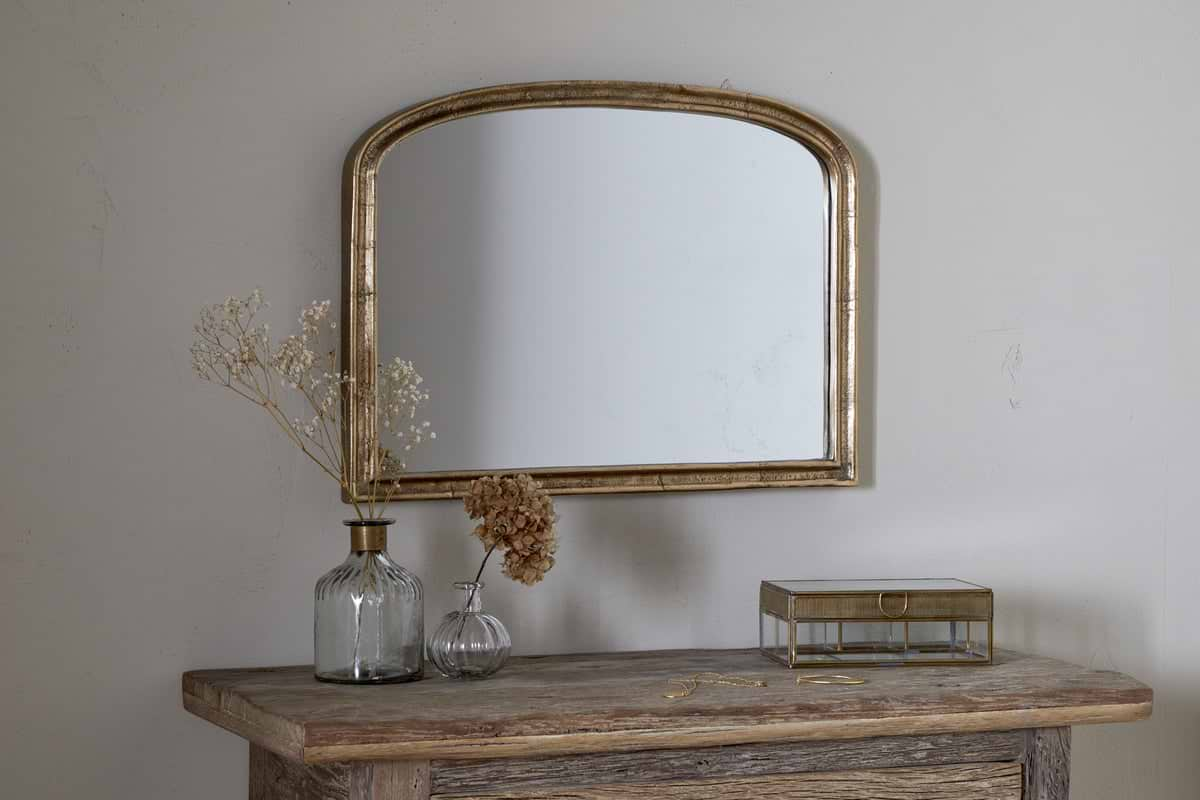
A few Nkuku pieces that layer quietly around a hearth without competing with the mantle display.
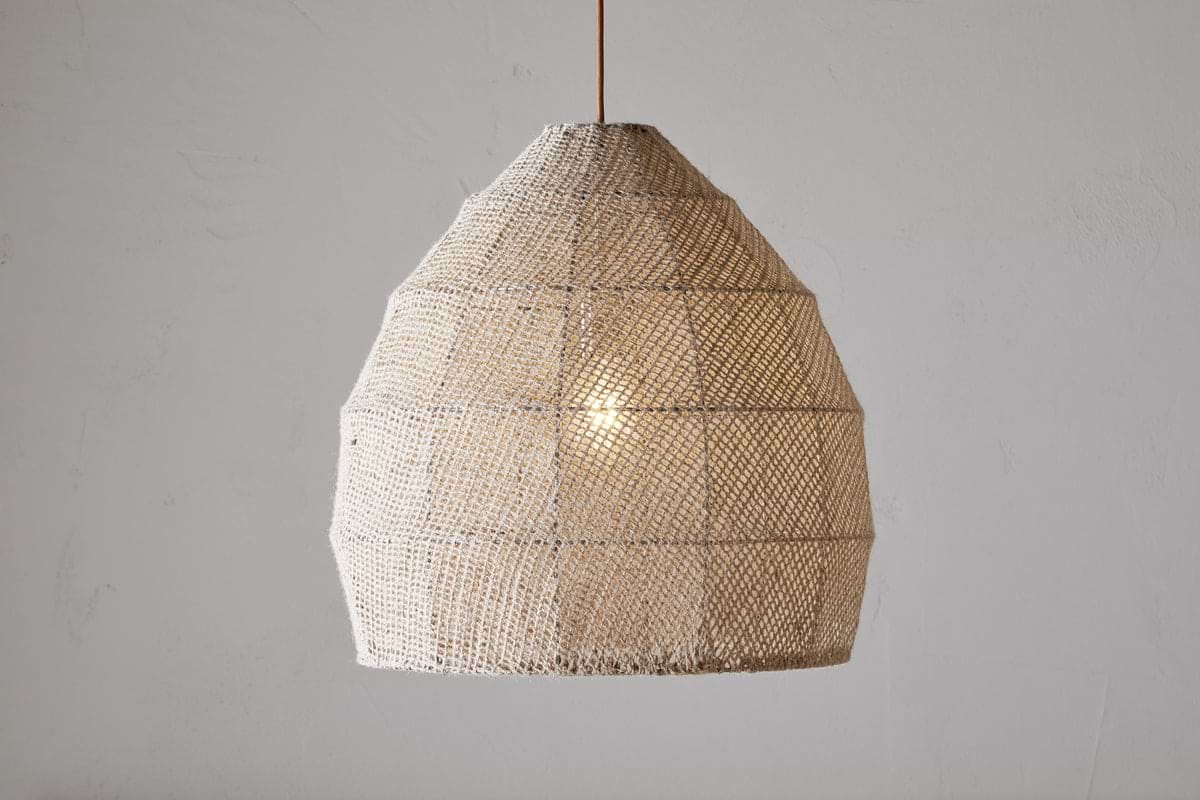
Jahari Jute Pendant
Natural woven jute, adds texture overhead without darkening the room.
View at Nkuku →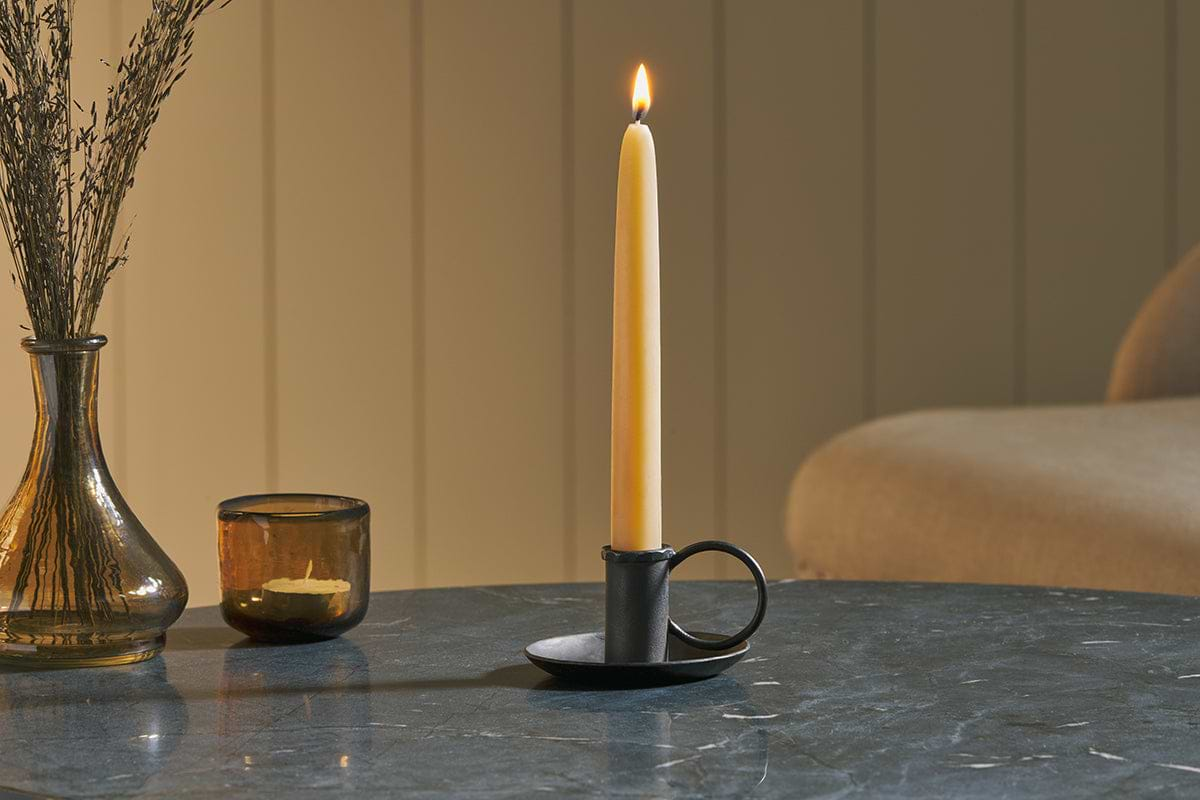
Amri Iron Candlestick
Slender iron with quiet presence, works alone or in clusters of three.
View at Nkuku →Some links above are affiliate links. If you buy through them we may earn a small commission at no extra cost to you. We only suggest pieces we think fit a calm, lived-in home.
Free guide
The Calm Shelf
12 styling ideas to help you compose calm, balanced shelves in natural texture homes.