

Most people with a living room fireplace face a regular puzzle. The search for sensible mantel decor ideas often ends in either a blank shelf that looks forgotten, or a cluttered length of objects that feel unrelated. A crowded row of frames, or nothing at all, neither sits quite right.
Today, small changes can offer a calmer, lived-in style, removing the extras, grouping items by height, and choosing one strong piece as an anchor. This works especially well in a busy family sitting room when the mantel is shallow because fewer, better-chosen things reduce fuss without sacrificing personality.
The short version: The best mantel decor ideas follow a proportional rule, choose one clear focal piece, then layer a few objects of varied heights and textures. Starting with less, grouping by shape or material, and repeating elements leads to a calm, visually steady look that fits most real homes.
Key takeaways
- A mantel looks best with one strong anchor object and a few well-spaced supporting pieces.
- Grouping items of similar colour or material creates visual calm and feels finished.
- Over decorating a mantel makes the room feel too busy, according to DIY Playbook.
- Leaving a mantel under decorated leaves the shelf looking flat and unfinished.
- Natural materials like woven, wood, and stone work well for year-round styling.

Where this works best
Mantel decor that follows a proportional rule fits best in rooms where the shelf is highly visible and not too deep, so everything is easy to reach and see.
Many sitting rooms, dens, or even bedrooms have a fireplace mantel that’s not very wide or deep. The constraint is real: there’s limited space, and extra items quickly crowd the shelf. Low ceilings, shared spaces, and rental-friendly finishes all call for simple, flexible setups that don’t rely on built-ins or major upgrades.
The best use comes in rooms where the mantel is a clear line, often directly opposite the sofa. Here, a well-chosen group of pieces stands out and feels considered, without feeling forced. Simple decorations draw attention but allow the room’s main elements, seating, a rug, the firebox itself, to breathe.
Avoid crowding small mantels with too many objects or competing frames. Unlike an entry shelf you might fill with drop-zone baskets and keys, a mantel’s limited space needs visual breathing room, or it risks reading as a jumble instead of a relaxed arrangement.
For any mantel, keeping scale and clutter in check works even when the wall around it is painted or papered with bold pattern, because fewer, larger shapes look confident and reduce visual noise.
What’s the right number of objects for a mantel?
A mantel typically looks best with one main anchor object and two to four supporting pieces of different heights or shapes.
The main mistake people make is filling every inch of the mantelpiece, too many things crowded together. Over decorating a mantel can make the whole space feel noisy and busy, according to DIY Playbook. A crowded shelf stops the eye from resting anywhere.
Instead, the proportional rule helps: choose one focal object, then add a few smaller, quieter items. For most rooms, this means a larger mirror or print in the middle, anchored by a couple of solid items (like a small basket, a plant, or a stone bowl) and just one or two thin accents (like a single taper candle or a vintage glass bottle).
Compared to a blank mantel, this setup looks relaxed but thoughtful. Each item stands out. Different heights, such as a stack of slim books next to an upright vase, add movement without looking overdone. Removing extras leaves the room feeling lighter.
Following this proportional rule means less daily dusting, too, which is helpful for busy households with pets or children nearby.
How do you choose a focal point for the mantel?
The best mantel focal point is a single large piece in the centre, like a round mirror, a framed print, or a textured basket, that draws attention upward.
The focal point sets the tone for everything else. In a small apartment, picking one strong item for the centre keeps the arrangement organized. A mirror with a simple wooden frame or a unique, woven Nkomi Basket works well. The material matters too: glass and metallics reflect, but matte and fibre textures absorb glare and look softer.
Compared to spreading lots of small trinkets across the full length, one larger central object brings order and calm. This main anchor prevents the usual “sea of things” that can make a room feel restless, especially when the TV sits above or next to the fireplace.
A focal point doesn’t need to be fancy or expensive, natural textures or vintage finds, like an old terracotta pot or a wooden platter, give personality and fit both modern and classic rooms.
Grouping other items near the focal point, instead of spacing them out, gives the mantel a sense of intention. A small stack of books tucked to one side, or a simple ceramic vase, supports the look without taking over.
Styling and placement
Objects on a mantel stay calm when grouped by similar colour, texture, or shape, and spaced with part of the shelf left empty.
Placement comes first: start with the central object or artwork, then layer a group of 2-3 things close by, not in a straight line but slightly staggered. Keeping shapes and colours related, such as two woven pieces plus a green plant, prevents the look from feeling random. A candle, a clay bowl, or a found branch are all easy options.
Set smaller things in front of larger ones to create depth. If every object is the same height or finish, the arrangement feels flat. Mixing heights, like a tall glass bottle beside a lower, textured basket, keeps the eye moving but the overall mood steady. Unlike filling a shelf with matching frames, the mixed approach adds comfort and looks less formal.
Leaving about one third of the mantel clear is a safe bet. White space on either side prevents visual weight from pulling to the ends. If in doubt, remove one item and check the balance. Too many trinkets crowd the shelf and make cleaning harder.
Quick calm checklist:
- Start with one anchor piece (mirror, basket, or art print).
- Group small objects by colour or texture; avoid lots of shiny finishes together.
- Mix heights, one tall shape, a mid-height bowl, and something low or trailing (like a plant).
- Leave gaps for empty space; less is better.
- Limit the colour palette to just a few shades found elsewhere in the room.
For shelf mantels above a radiator or firebox, keep loose items away from the heat source. Place the main group toward centre or slightly off-centre so the total scene feels steady but not stiff.

Which materials feel calm and look good with time?
Natural materials like wood, basket weave, terracotta, and unglazed ceramic look warmer and hide small scratches or dust better than high-shine glass or metal.
In busy homes or rooms that get lots of foot traffic, natural textures age with use, showing their character instead of fingerprints. A raw wooden bowl, a tightly-woven basket, or a plant in a terracotta pot all soften what might otherwise be a hard-edged mantel. These have weight, stay put, and don’t reflect too much light, so they’re easy on the eyes day or night.
Glass and mirror finishes work, but too many can pick up streaks or fingerprints quickly. Glossy metals need more care and can look cold in a north-facing room. Unlike glass, a thick, natural-fibre basket doesn’t shatter if it falls and cleans up fast with a brush or vacuum. That’s helpful for households with small children or pets.
Clay, rattan, and solid wood handle daily living well and look good beside simple greenery or a cluster of other wood home decor pieces. They don’t fight for attention, so the whole shelf feels calmer day-to-day.
Keeping to two or three related materials, basket and terracotta, or glass and light-toned wood, prevents the setup from drifting into either bland or chaotic.
How to shift a mantel scene for each season
Start with a core group of objects you like year-round, and swap just one or two pieces when you want a fresh seasonal feeling.
Most homes don’t need an all-new mantel scheme for spring or winter. Instead, leave your favourite anchor piece in place, then change out a supporting element: trade a woven basket for a cluster of pinecones at Christmas, or swap out a candle for a vase of spring flowers in March. Keeping the base arrangement steady makes small shifts easy.
Unlike fully redecorating, seasonal tweaks keep dust and storage needs down. Swapping just one item (like switching from a dried grass bundle to a branch with new buds) signals the change in season, while everything else stays familiar and uncluttered. According to DIY Playbook, this step-by-step approach keeps things simple to reset later.
Leave room for little edits. In winter, a short string of delicate lights or a sprig of greenery tucked behind a frame works well. In summer, a bare shelf with just a plant and a ceramic bowl can feel easiest. Start by removing everything, then build up with what feels most fitting now. A natural home decor piece connects every season.
This method means the mantel never feels out of date. You don’t need to store piles of holiday decorations, just rotate what’s already there for a simple, tidy look all year.
What safety and cleaning steps matter for mantel decor?
Mantel decor sits safely when all soft, dangling, or loose items stay far from heat sources, and candles or lights are carefully placed and monitored.
Active fireplaces and even old radiators can pose a risk for light materials, so small woven baskets, anything with string, or fabric bunting needs to live away from the actual firebox opening. Candles should burn only when someone is nearby, and flameless candles or LED light strings prevent scorch marks.
Safety precautions for mantel decor include keeping loose or hanging pieces away from flames, says Balsam Hill. Oily soot can mark porous materials, so it helps to use a hard coaster, a stone stand, or to choose darker finishes that don’t show up light soiling as quickly.
Compared to open shelves in kitchens or hallways, a mantel sees more dust from fire use and can get sticky in winter. Quick, weekly dusting and checking for signs of heat damage (like cracks or faded spots) keeps natural materials looking good for longer. Dried flowers, if used, should get changed every few months to prevent a tired look.
Always keep any plant pots on a waterproof tray. Stuck-on wax or melting material should be removed completely before the next use, otherwise, sticky residue attracts more dust and can be hard to clean later.
What tends to hold up with mantel styling
Reviewing actual rooms, the pattern is clear, mantels with one strong focus and fewer distractions get more positive feedback. Reviewers consistently point out that shelves dominated by a single woven basket or natural-texture feature stay stylish across seasons, while mantels crowded with knickknacks often get pared back within weeks, either for cleaning or just to bring back a sense of calm.
Matte and natural finishes come up again and again in decorator advice, since they don’t pick up dust or fingerprint smudges as quickly. A plant in a rough terracotta pot keeps looking healthy as long as the leaves are cared for, and small wood or stone trays weather daily living without fuss. Most readers find that the proportional “anchor and support” guideline leads to setups they keep longer and don’t feel like they need to rethink when the weather changes or guests are coming.
, Mara, Loom & Glow
Common questions
What looks nice on a mantelpiece?
A mantelpiece looks nice with one large central item, like a basket, mirror, or framed art, plus a small group of objects in related colours or textures. Natural materials, such as stone bowls or ceramic vases, add warmth. Varying heights and leaving some open space helps keep the shelf visually steady.
How should I decorate my mantel for a calm, intentional look?
The calmest approach for mantel decoration is to use a clear focal point, choose two or three supporting items, and repeat colours or materials. Natural fibres, plants, and soft finishes feel less busy. Leaving part of the shelf completely clear creates a steady, purposeful mood that looks finished without fuss.
What are the most common mantel design mistakes?
The most common mantel design mistakes are over decorating and under decorating, as explained by DIY Playbook. Too many objects make the space feel cluttered, while too few leave the shelf looking blank and unfinished. Ignoring proportion can also throw off the balance between mantel and room.
How to style a mantle in 2026?
In 2026, mantel styling means focusing on natural materials, one focal point, and fewer, better-chosen objects. Vintage pieces, simple greenery, and handmade bowls or baskets will continue to offer warmth and comfort. Keeping things easy to swap or clean works in most modern homes.
Explore more calm combinations inside our Shop The Look .
Shop the Look
A few Nkuku pieces that work beautifully in a mantel vignette.
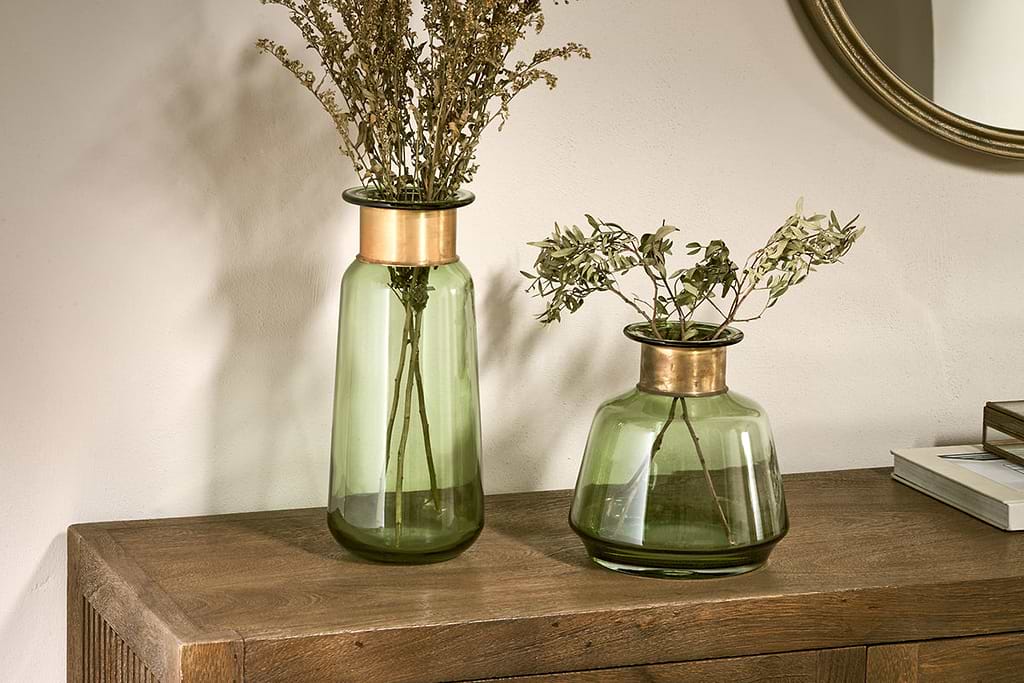
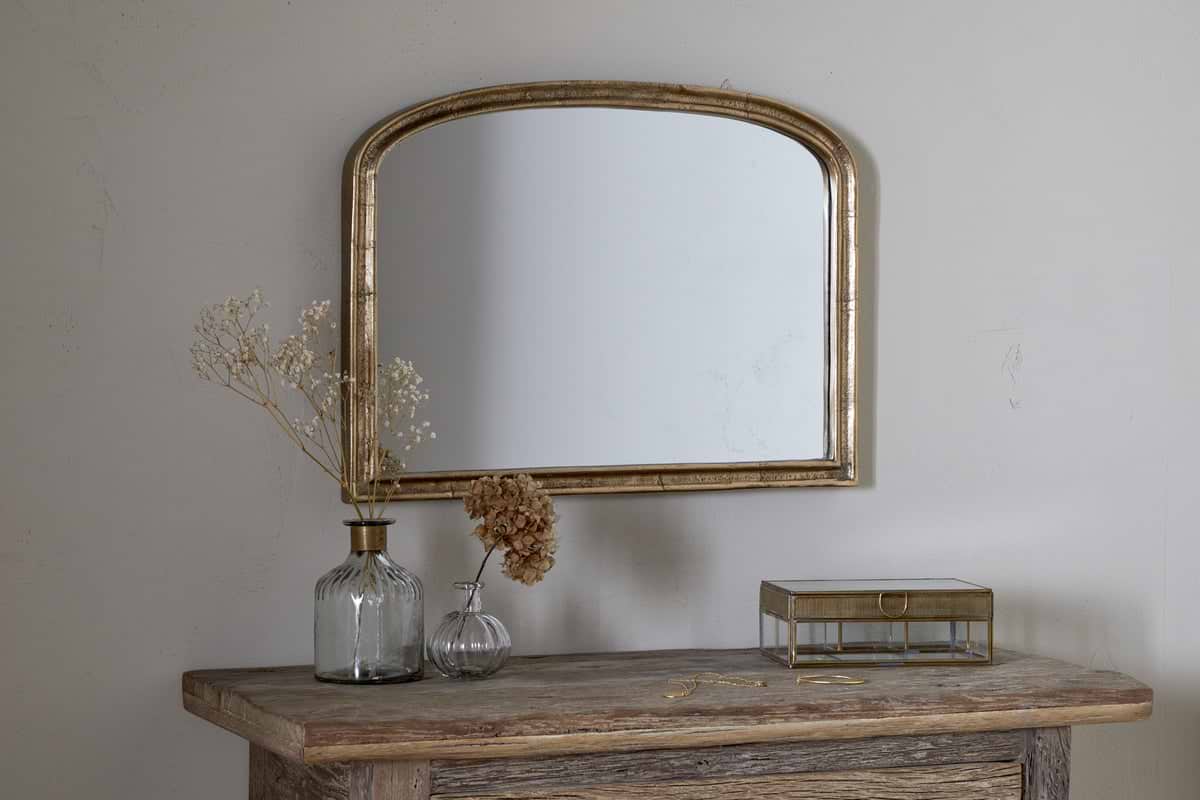
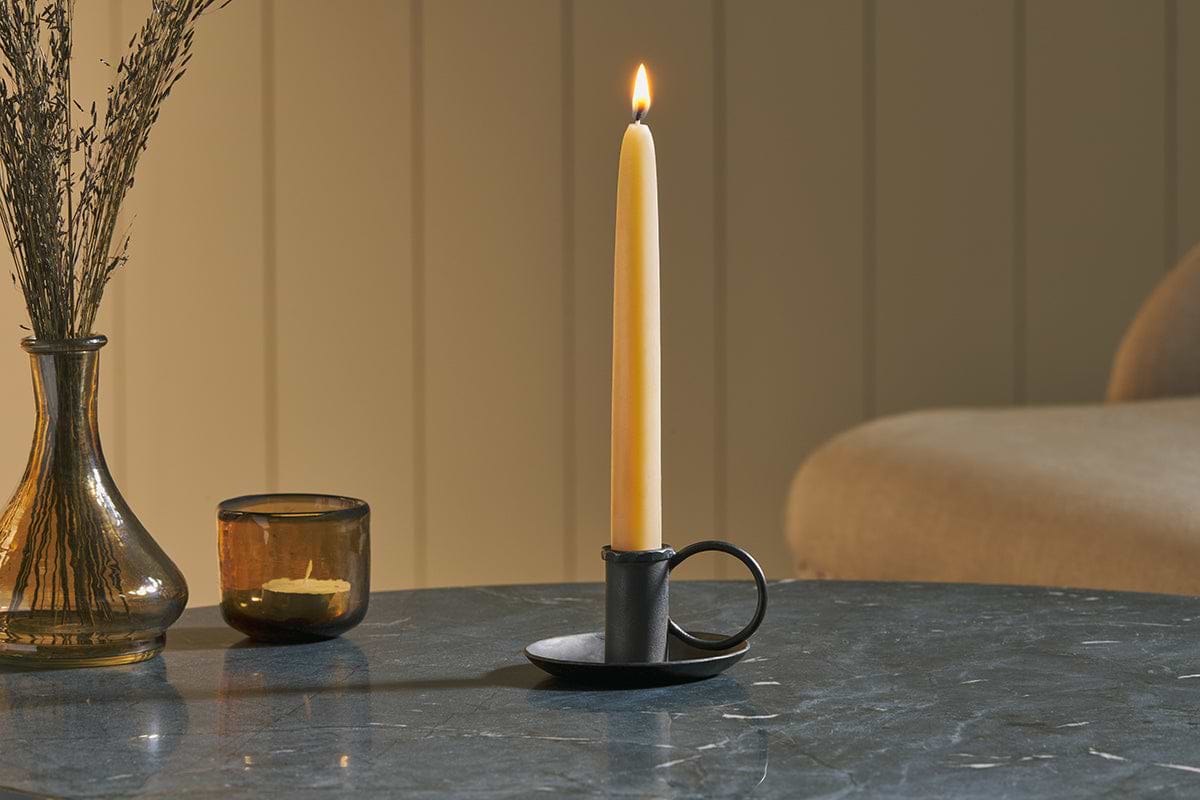
Amri Iron Candlestick
Slender iron with quiet presence, works alone or in clusters of three.
View at Nkuku →Some links above are affiliate links. If you buy through them we may earn a small commission at no extra cost to you. We only suggest pieces we think fit a calm, lived-in home.
Free guide
The Calm Shelf
12 styling ideas to help you compose calm, balanced shelves in natural texture homes.