

Many small apartments feel crowded the minute decorative wall shelves go up. A shelf is supposed to help, but the wrong choice can make a flat look busier, not calmer. You notice sharp edges, mismatched brackets, shiny frames that grab light, and suddenly, every object wants attention.
This guide shows how to pare back, choose natural finishes, and hang what truly works. Today, you’ll see which shelves to skip, what to anchor, and how to limit clutter without living in a blank box. This works especially well in a boxy living room with one clear wall when storage is short because a single, clean shelf keeps focus and frees up floor space.
The short version: Decorative wall shelves create calm in small spaces when you pick a simple shape, limit objects, and use natural materials. Stick to one shelf per wall, repeat one color or texture, and leave part of the surface bare for breathing room.
Key takeaways
- A floating shelf near natural light works best when the finish is matte or woven, not glossy or cold metal.
- Wall shelves made of rattan, solid wood, or linen-backed panels feel lighter than metal frames in a tight room.
- Leave about two-thirds of a shelf clear to avoid visual clutter, which is especially important in small flats.
- Picture ledges hold frames or slim decor and are simpler for renters because they use fewer fasteners.
- Next sells Wavy Picture Wall Shelves in soft colors priced from £16 to £28, offering rental-friendly solutions.
- The problem with decorative shelves in small spaces
- Where this works best
- How do you pick a shelf material that actually stays calm?
- Floating shelves vs. picture ledges vs. bracket shelves
- Styling and placement
- What’s the trick for calm shelf styling in a busy room?
- How to install shelves if you rent (and want no drama)

The problem with decorative shelves in small spaces
Decorative wall shelves add clutter when the materials fight for attention or the surface is covered edge to edge. One pale oak rack can look airy; a shiny metal one often feels cold under bright light.
In many small apartments, shelving seems logical. But in a room with low ceilings or narrow walls, busy shelf brackets, layered picture frames, and mismatched shapes quickly make things feel squeezed. You plan to open up space, but instead each object sits awkwardly.
If you load a shelf with too many items or use contrasting finishes, visual noise builds fast. One rough wood shelf with a linen-covered box keeps the eye softer than a steel-framed unit crowded with glass. A shelf made from lighter materials almost disappears, while metal or black-gloss pulls attention and can bounce harsh light around the room, especially late in the day.
In a small sitting room, open display shelving should calm the wall, not compete with what’s already there. Unlike a closed cabinet, every mistake is visible, and a shelf covered with knick-knacks turns jittery, not welcoming.
A floating shelf in blonde wood next to a linen curtain draws less attention than painted metal floating above a dark sofa. Place a natural shelf above a sofa or desk for best effect, not above a radiator where it crowds the eye.
Where this works best
Decorative wall shelves work best in rooms with one uncluttered wall, indirect natural light, and a need to use vertical space. The right shelf lightens a small bedroom or hallway by freeing up floors and keeping sightlines open.
Flats with tight floor plans or open-plan layouts get the biggest gain. Walls that are mostly blank, with few interruptions from doors or switches, always suit a shelf more than a wall full of art. A kid’s room often benefits from one floating ledge to hold soft toys or a bedtime book, higher than tiny hands but still on show.
Placing a picture ledge in a narrow hallway pulls interest up and lets you add one special print or a small vase. Shelving above a work-from-home desk can keep notebooks handy without taking up precious desktop space. Rooms with plenty of direct sunlight call for matte or woven materials; a plain wood shelf doesn’t throw glare the way a glass or metal shelf will.
Avoid busy kitchen backsplashes or above-radiator spots, where extra steam and shifting temperatures can warp wood or encourage dust. A clean, flat surface above a sofa, bed or entry bench suits open shelving best, a slim wall, not already loaded with cabinets, means you actually notice the shelf instead of losing it in a crowd.
How do you pick a shelf material that actually stays calm?
Shelf materials matter: rattan or linen-backed boards give a room quiet warmth, while glossy metal or painted glass stand out. In small flats, pale wood or woven surfaces don’t shout or catch every reflection.
In a low light bedroom, a matte shelf in oak effect or unfinished pine barely catches the eye, keeping the background soft. Textured rattan panels, like IKEA’s FRYKSÅS wall shelf, bring in warmth without the sharpness of black brackets or acrylic ledges. A shelf that feels dry and natural to the touch reads gentler than a shiny or very dark finish against most flat walls.
Clean metal brackets in white or powder-coated grey work for kitchen and bath shelves, but anything glossy or mirrored quickly turns into a dust-and-fingerprint magnet under sunlight. If you work at home under bright bulbs, a shelf with a linen or woven strip softens the look more than flat paint or lacquer.
Solid wood or thick veneer wears well over time. Unlike glass, which can look smudged after a week, wood and rattan age quietly. Table below compares some common home shelf materials.
| Material | Look & Feel | When It Works |
|---|---|---|
| Solid wood (oak, pine) | Soft, matte, warm | Bedrooms, living rooms |
| Rattan/linen backing | Textured, natural, light | Entryways, sunrooms |
| Metal frame | Modern, can glare, cold | Kitchens, bathrooms |
| Painted glass/acrylic | Glossy, sharp, shows dust | Rare, best avoided in small spaces |
For most calm, small-space needs, pick a shelf you can run your hand over without streaks or cold. Shelving made from pale woods or woven panels always works better above a soft sofa or beside light curtains than anything with a mirrored face.
Floating shelves vs. picture ledges vs. bracket shelves
Floating shelves, slim picture ledges, and bracket shelves all work in compact spaces, but they look different and hold different things. Floating shelves disappear visually, picture ledges are good for art, and brackets stand out most.
A floating shelf hangs on hidden supports, letting objects appear to “rest in air.” This works best for light books, a clay mug, or a woven basket because no visible support interrupts the wall. Picture ledges, such as the [AVNEDE] from JYSK, have a shallow lip, made for single prints or a slim dried flower. Both work well above a sofa or sideboard, where floor space is used up.
Bracket shelves stand out more. Metal or painted L-shaped supports can look bold and a bit heavy, sometimes suited to industrial rooms or kitchens but less to sleep or rest areas. Unlike picture ledges that ask for only a print or slim decor, a bracket shelf holds stacked bowls or planters and pulls the eye. More supports mean more dusting, too.
Most floating shelves run between 60-80 cm wide, just right for a single cushion, stack of books, or a Next Wavy Picture Wall Shelf display. Floating shelves, when matched to your wall’s color or kept in a pale finish, fade out visually, compared to heavy brackets or bold metal frames that stick out.

Styling and placement
Calm shelf styling means stopping two steps short of filling the space: group just a few pieces, stay low and wide, and repeat one color. A bare floating shelf with a clay bowl reads warmer than a busy row of trinkets.
Start with the wall. Place a shelf where daylight lands sideways, not head-on; light glancing across a wooden plank draws the grain without glare. Stack books only if their spines run in the same color family, or add one fabric-covered box to break the row. Place your largest object slightly off-center, like a vase with two small prints for balance.
A shelf feels heavy when everything’s the same height. Mix one short and one tall piece, not two of each. If the backdrop is plain, a woven basket or linen photo frame brings back softness. Compared to packing the shelf with glassware, using slower materials like wood or clay keeps the feeling grounded.
Practical rule: leave a third to half the surface bare, so the shelf never reads stuffed. On a narrow wall, one shelf above a radiator works if painted the same color as the wall; the objects won’t pop out. A picture ledge in a hallway should hold two, maybe three items, never a parade.
Quick calm checklist:
- Natural shelves: rattan, pale wood, linen-backed, soft texture with no high shine.
- Height rule: balance one tall, one squat object, never three of the same shape.
- Palette: keep all displayed objects in one family of tones, two at most.
- Leave at least one-third of the surface empty, always skip the urge to fill gaps.
- Focal point: place the most tactile piece slightly left or right of center.
What’s the trick for calm shelf styling in a busy room?
To keep a shelf calm in a busy room, limit the displayed items and repeat one key material. One rattan basket beside a single framed photo draws less attention than a scatter of mixed ceramics.
Many open-plan spaces have feature walls, TVs, and bookshelves fighting for attention. If you add one more shelf, you risk overload. Instead, style only the most noticeable shelf, above the sofa or desk, using two types of objects at most. A slim shelf with a linen-backed frame beside a smooth stone works better than five ornaments in different colors and finishes.
Light, texture, and spacing matter more than precision. In a living room with low light, a matte wood shelf keeps the focus soft, while a metal frame jumps and pulls the eye. Unlike a shelf loaded with colored glass, a blonde wood floating shelf with only one woven basket fades back, letting the wall show through.
Anchor one shape as your main touchpoint. If every shelf surface is dotted with small objects, calm is lost, and the eye feels jittery. Instead, draw on rules like the 3-5-7 object principle: for a long, narrow ledge, never use more than three pieces in a row. In a long hallway, even one object per shelf is often enough to keep things tidy yet intentional.
A single vertical piece, such as a framed Kiko Brass Frame or a wild stem in a narrow vase, stops the shelf from reading totally flat. To keep surfaces from gathering clutter, use baskets with lids or close some boxes, so only a few objects stay visible. For deeper ideas, floating shelves styling and neutral shelf styling both offer extra approaches.
How to install shelves if you rent (and want no drama)
Renters can use picture ledges or slim floating shelves with adhesive strips or a few small fasteners. Ledge-style shelves make removal and patch-up simple, unlike heavy-duty bracket shelving that needs big wall holes.
Rental rules are different everywhere. Many leases say “no holes,” but small fasteners or removable adhesive strips make it possible to hang a shallow ledge without permanent change. Slim shelves from JYSK or IKEA let you use light screws or even strong strips, handy in student rooms or short-term lets.
If painting or drilling isn’t allowed, try a shelf that sits on two nails, easy to fill in later. Leaning a shelf on a dresser can also work if you want surface but not wall alteration. Unlike bracket shelves, which need anchors that leave scars, floating shelves or picture rails go up and come down with barely a trace.
Weight is a factor: most picture ledges support only a few frames or a vase. Check the weight limit and avoid overloading. For renters, Next sells Wavy Picture Wall Shelves in soft pink and white from £16, giving an easy reset when moving out. See shelf styling tips for more ways to keep arrangements light and rental-safe.
What tends to hold up with styling small shelves
Calm shelf setups work best when the material repeats what’s already in the room, pale wood with a wooden chair, rattan by a jute rug. Reviewers and decorators often stress leaving some shelf surface bare, citing that most rooms look less fussy if at least a third stays empty, no more stuffed corners.
Matte finishes get recommended again and again for shelves near windows, because they don’t catch glare the way a glossy tray does. Linen and rattan age well, picking up traces of daily life but never looking worn out the way a painted glass shelf might. These rules anchor a shelf, even amid kid chaos or shifting trends.
, Mara, Loom & Glow
Common questions
What are the latest trends in wall shelves for 2026?
The latest trends in wall shelves for 2026 are natural-finish woods, rattan panels, and slim floating ledges in pale tones. Open, soft-edged shelving replaces dark or high-gloss metal, repeating materials found in the rest of the room. Flexible, rental-friendly installation is now a top design driver.
How can I style a wall shelf so it looks intentionally calm, not cluttered?
The most reliable way to style a wall shelf calmly is to limit it to three objects, all in one color family or material. Place the largest object off-center, leave at least a third of the shelf empty, and avoid mixing too many finishes. Texture, spacing, and restraint matter far more than size or price.
What are some space-saving shelving ideas for small rooms?
Space-saving shelving ideas for small rooms include floating ledges, slim display rails, and narrow rattan shelves. These options use vertical wall areas overlooked in busy flats and can be moved easily when needed. Avoid bracket shelves that stick out and crowd walkways.
Are floating shelves still a good choice for modern homes?
Floating shelves remain a good choice for modern homes, offering clean looks and minimal hardware. They work especially well above sofas, desks, or beds, blending in with pale wall paint. Look for matte wood or textured finishes to avoid glare and dust buildup, especially near windows.
The decision moment often comes late at night, when you see your shelf crowded with mismatched things and nothing feels restful. You might sense that every piece is pushing against its neighbour, and the room looks busy even when everything’s put away.
Clearing out extras and choosing one anchor shelf shifts the whole wall. With fewer objects and repeating textures, the space feels easier on the eye and lighter in daily use.
Save this idea for later.

Explore more calm combinations inside our Shop The Look .
Shop the Look
Nkuku pieces that style small shelves with calm, considered restraint.
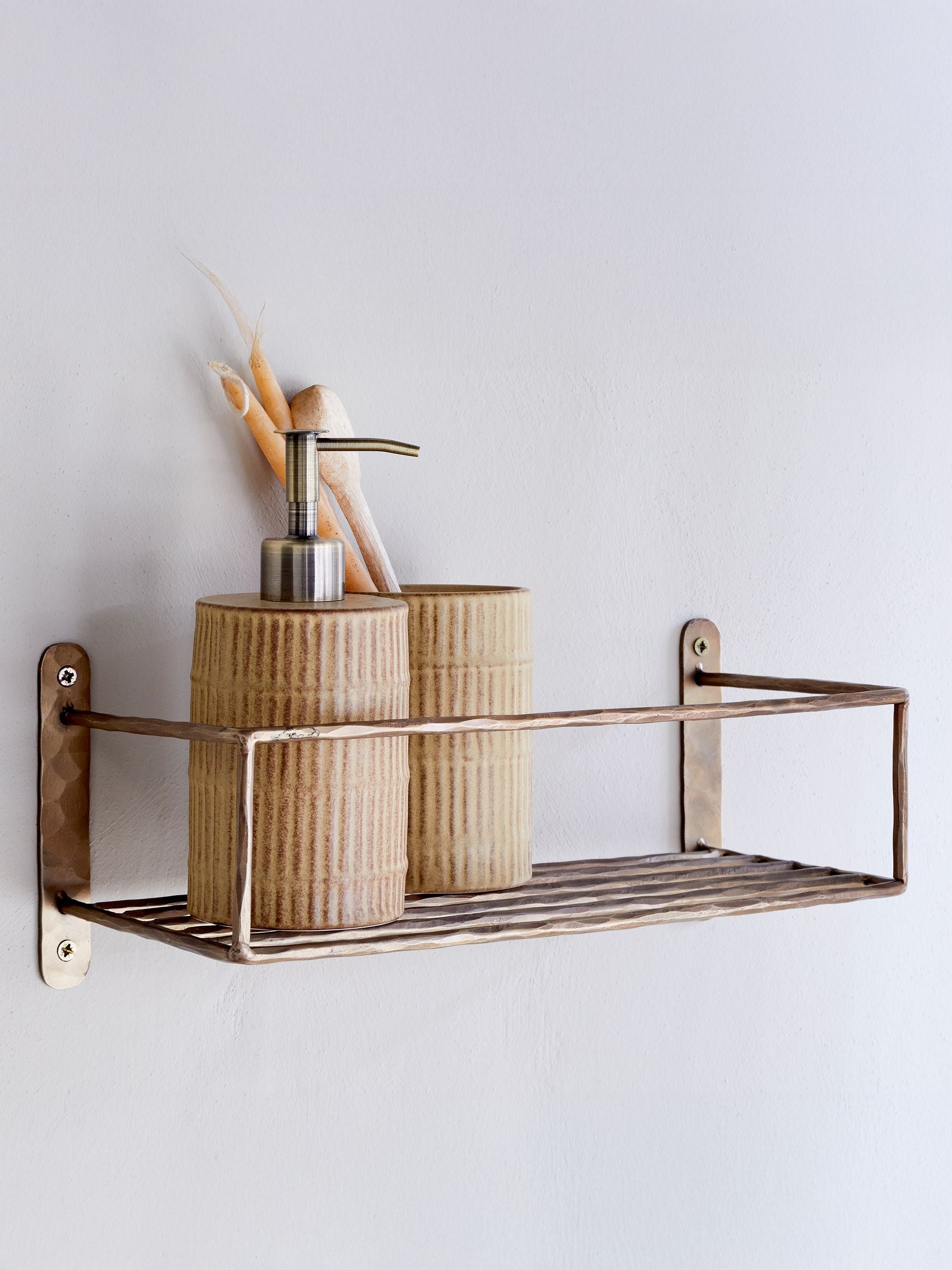
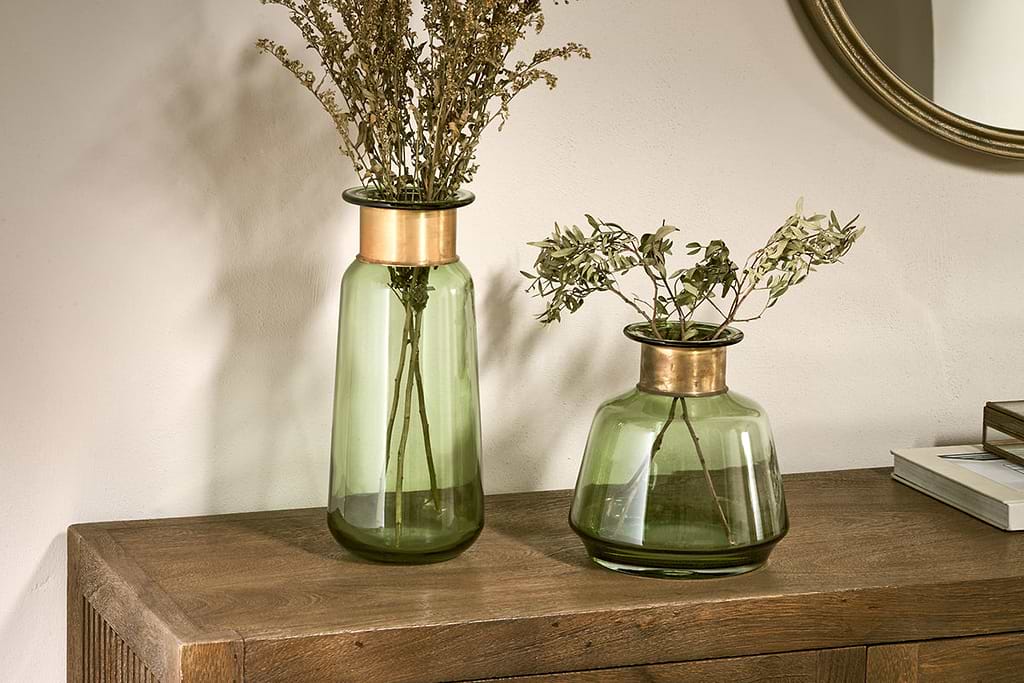
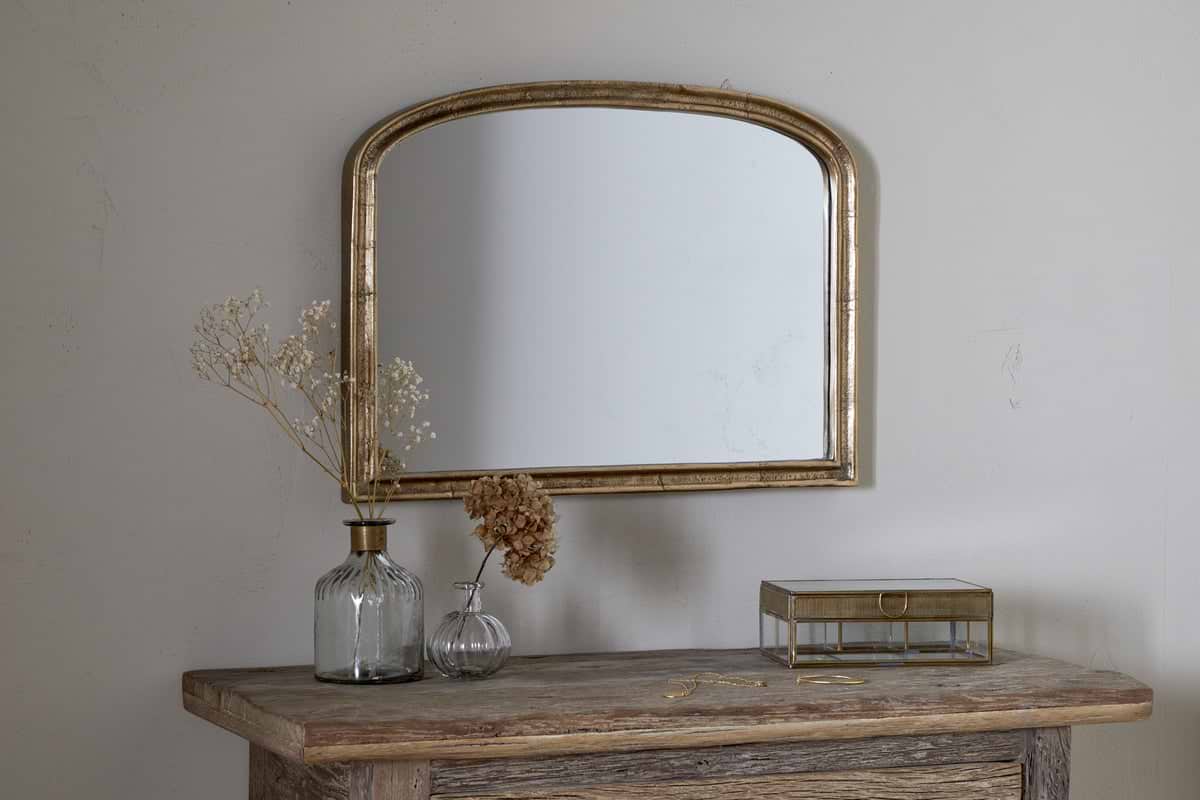
Some links above are affiliate links. If you buy through them we may earn a small commission at no extra cost to you. We only suggest pieces we think fit a calm, lived-in home.
Free guide
The Calm Shelf
12 styling ideas to help you compose calm, balanced shelves in natural texture homes.