

Many homes with small rooms feel crowded or dark, especially when there’s not enough natural light or the wall mirror is undersized for the wall. Hanging a decorative object alone rarely makes a cramped space feel easier to live in. Even a good lamp can’t solve the way a blank wall soaks up daylight and makes a tight room seem smaller.
There is a real shift when you choose and place a wall mirror thoughtfully. Today you’ll learn how the right size, shape and setup can pull more light into small rooms. This works especially well in townhouses when the only free wall is narrow because a mirror can double the look of space without any clutter.
The short version: A well-chosen wall mirror fills a small room with more light and helps it feel larger, as long as the mirror is large enough and hangs across from a window or bright area. Selecting the right size, style, and position changes how the whole room works. It’s a simple switch that makes a visible difference.
Key takeaways
- A wall mirror works best opposite a light source to brighten a narrow or low-light room.
- Choosing a mirror larger than what fits the wall keeps the room from feeling busy.
- Framed mirrors with pale or metallic edges look lighter compared to black or heavy wood frames.
- Most retailers group wall mirrors by style, shape, and room use, making size matching easier (see John Lewis groups).
- IKEA’s wall mirror range covers widths from 20cm up to 80cm or more, fitting a range of wall surfaces.

Why does a wall mirror open up a room so much?
A wall mirror increases both light and the sense of space in any room by bouncing daylight or lamp glow into the shadows. This change makes a small space noticeably brighter and less dense.
In a small flat or townhouse, the biggest frustration is usually lack of light. Even in daylight, rooms with only one good window can look dull or collapsed. Placing a wall mirror opposite or near that window turns a dead zone into a second light source.
The reason this works is built into how our eyes judge distance. A reflected window or lamp creates the feel of double the width, and layered views make the space seem deeper. Unlike a dark painting, a mirror reduces visual stops and lets your gaze travel.
Most rental hallways or bedrooms are short on both natural light and wall outlets. Adding a wall mirror beside or across from the main light works because the room feels less boxed in and the time spent there becomes more comfortable.
A rectangular mirror placed above a console unlocks a brighter line of sight from the kitchen toward the living area, changing the way you move through the flat.
How to choose the right size for your space
The right size wall mirror should cover about two-thirds the width of the wall or anchor piece below it, so it stands out without looking crammed. A small mirror often feels lost above a big sideboard.
Choosing size shapes both look and function. A mirror that’s too small for the wall feels like an afterthought, while one that’s too large can swallow the room, especially near corners or sloped ceilings. For most narrow rooms, one wide mirror centered at eye height works well because your eye isn’t pulled in every direction.
Most people fall into the trap of picking a decorative mirror that looks charming on the shelf but disappears on the wall. According to IKEA’s wall mirror selection, sizes span from as compact as 20cm to spans above 80cm, making it possible to match a mirror’s width to the space above a console or between built-ins instead of settling for whatever is on sale.
A full length mirror changes how functional a bedroom feels; a small decorative mirror suits a powder room wall but won’t expand a foyer or landing. Compared to a cluster of tiny mirrors, one clear surface sets the tone more calmly.
A round mirror roughly the size of a dinner tray works for guest bathrooms, but in a shared living zone, think larger and wider so it reads as part of the room, not just a spot for a quick check before leaving.
Where this works best
A wall mirror makes a real difference in rooms that feel short on light or seem small because of blocked corners. Apartments, narrow hallways, and windowless walls all benefit quickly from the right mirror.
Entryways that stack shoes and coats near the front door are one of the best places for a wall mirror. Even a narrow panel mirror beside a coat hook can stop the space from closing in. Living rooms without much wall space between windows or shelving often miss out on light, and a mirror behind a sofa changes this balance immediately.
Bathrooms feel more open when a mirror runs wider than the sink and sits at head height, especially if the room gets little daylight. In shared bedrooms, hanging a mirror above a chest of drawers adds both function and a sense of cleanliness, space looks less cluttered even when life gets busy.
Avoid placing mirrors where they reflect clutter or dark cabinets. If you hang a mirror across from a busy shelf, it will double anything out of place rather than making the room feel calm.
In rentals where painting or drilling new holes isn’t allowed, hanging a large mirror with adhesive hooks or leaning it against a stable wall still works for boosting perception of space.
Framed versus frameless: what sets the mood
A framed wall mirror introduces color and texture, while a frameless one lets light and view stand out, making the wall fade back. The right choice depends on the mood of the room.
A gold frame or a slim black edge draws focus and can add polish in a living or dining space. Oak veneer frames blunt coldness from bare walls and help mirror surfaces blend in without calling too much attention. A heavy, dark frame pulls attention, in some rooms this adds weight, in others it can feel too solid to fit beside lighter surfaces.
Frameless mirrors work best when the wall itself is a feature, textured plaster, painted brick, or a soft-toned wallpaper. They also suit bathrooms and smaller bedrooms where any extra lines would feel fussy. Unlike a window with deep trim, a plain mirror surface does not add another border or break to the wall’s surface, which helps small rooms breathe.
According to Mirror Outlet organises, wall mirrors are often filtered by whether they include a frame and by their intended room. This makes it easier to decide if your space will feel lighter with metal, wood, or just glass and reflection.
Placing a pale metal frame in a hallway is a different effect than a frameless edge above a bathroom tile. Use a slim frame when you want a mirror to gently mark out a zone, entryways, fireplaces, and dressers, while leaving the room open.

What shape wall mirror brings the most calm?
Round and arch wall mirrors soften straight lines and prevent a room feeling boxy, while rectangles and squares organize a space visually. The best shape fits how the wall is already used.
Living rooms and bedrooms with sharp-angled furniture can look stiff if every surface repeats that edge. A round mirror above a mantle or dresser pulls focus away from right angles and sets up a gentle contrast with bookshelves and headboards. A cluster of soft shapes helps a guest room with little natural light feel easier to settle into.
Rectangular mirrors suit spaces where you want order, entryways, above bathroom sinks, aligned over a long console. Compared to a circle, a rectangle anchors floating objects and matches the shape of most art or photo frames nearby.
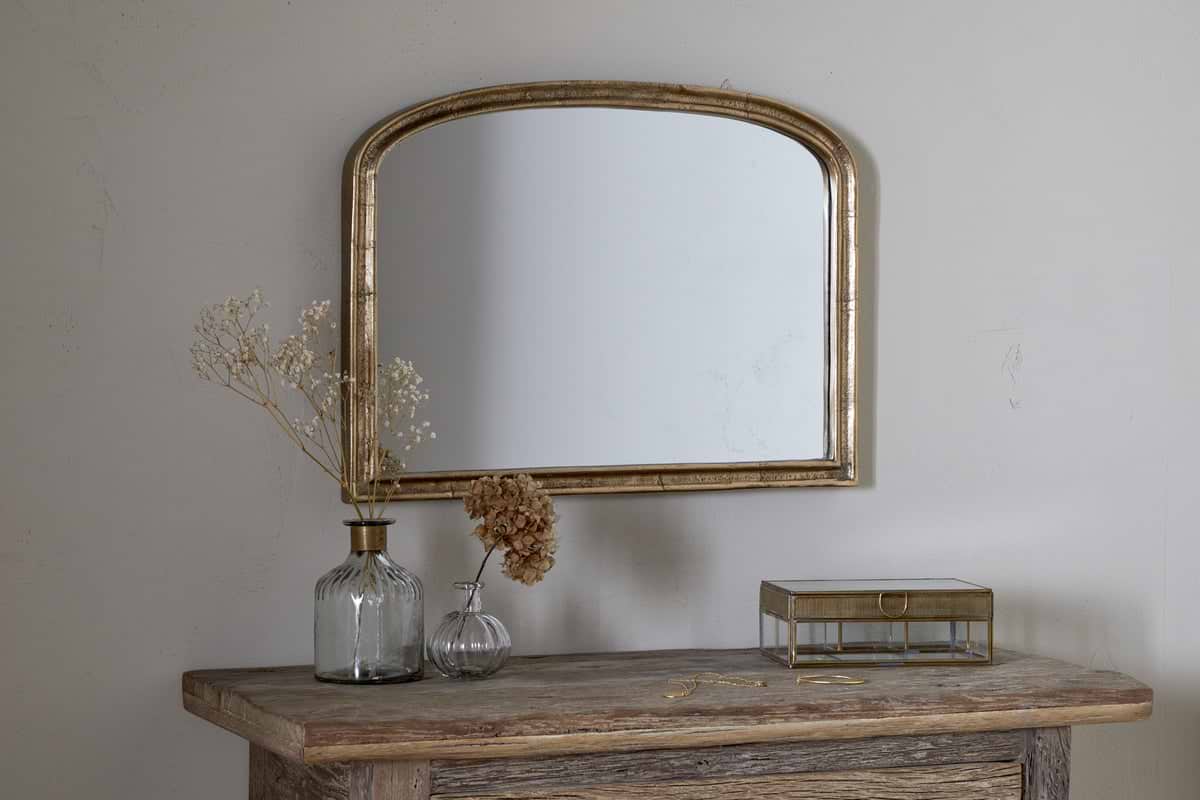
An arch mirror, one with a curved top and flat bottom, gives just enough variation to work in spots like a hallway or beside a reading chair. Window mirrors divide the glass into smaller panes, adding interest if you want reflection but also something to break up the view. Unlike small decorative mirrors, a single bold shape becomes its own feature without needing extra pieces around it.
For a hallway where walls feel close, a tall arched mirror leaning in a corner draws the eye up, which subtly stretches the space.
| Shape | Best for | Mood effect |
|---|---|---|
| Round | Bedrooms, above mantles | Softer, less rigid |
| Rectangle | Entryways, long walls | Structured, clear |
| Arch | Hallways, corners | Gentle, vertical lift |
| Window | Accent walls, large spaces | Patterned, lively |
Place a shape that contrasts what’s already dominant in the room for more visual rest.
Styling and placement
Styling a wall mirror works best when you let it pull in natural light and anchor it with one or two objects below, such as a narrow shelf or low bench. Paler surrounding colors keep the effect calm.
In a small room, start by clearing the lower part of the wall where your mirror will go. Place the mirror so it reads at eye level, usually above a piece of furniture but not so high that it floats. Pairing it with a simple console, basket, or shelf styling tips setup keeps the look from feeling random.
Unlike grouping several small mirrors or decorative pieces, anchoring one large wall mirror above an entry table creates more order and less distraction. Set a single vase or catchall bowl below the mirror; too many small accessories look scattered. A cluster of busy objects near a mirror will double the visual clutter.
Quick calm checklist:
- Choose a wooden, slim metal, or brass frame for a softer light bounce.
- Keep the wall clear of crowded art or shelves beside the mirror.
- Use a light, neutral palette around the mirror for the brightest effect.
- Anchor with a single low object, bench, shelf, or tray.
For a narrow entry, hang the mirror opposite a lamp or window to catch light and make arrivals feel open rather than compressed.
When styling the main living area, placing the mirror near a window, sofa, or open console lets the furniture reflect back, doubling the effect of anything neat and well-placed under it.
For calm shelf styling, experiment with the number of items below the mirror: too many, the space gets noisy; too few, and the wall feels cold. Aim for one anchor piece below and empty space on both sides.
Pair these placement ideas with a mirror style from the small mirror styling guide if your wall is limited or you need to combine with other storage.
How do you safely hang and secure a wall mirror?
A wall mirror stays secure when fixed into wall studs or anchored with heavy-duty hooks for drywall, depending on the mirror’s weight. Always check both the wall material and the fixings before hanging.
Hanging a mirror safely means more than just matching weight limits. Walls in older homes or rented flats often can’t take heavy anchors or permanently drilled fixings. Use adhesive strips or rail hooks for lighter mirrors, but always check the maximum weight listed on the product. A good rule: if the mirror rattles when you close a door, it isn’t tight enough.
Unlike art or prints, most framed or solid glass mirrors are much heavier, especially those with a wooden edge or brass trim. A typical small to medium wall mirror can weigh as much as a stack of books, while larger full length mirrors push higher. According to Mirror Outlet organises, guidance on fixings by size and material is always provided, and retailer advice often covers how to secure mirrors to both solid and hollow walls.
Check the wall first for cables or pipes, then follow the instructions supplied with the mirror. For mirrors above radiators or close to direct sun, step back and consider if heat will affect glass expansion over time. A dress mirror in a rental might just lean instead of hang but should still stay braced to avoid shifting or falling.
Save the heavy-duty work for professional help. For simple setups, use two fixing points, spaced apart, to keep the mirror from tipping sideways on the wall.
What tends to hold up with wall mirrors in small rooms
Grounded advice across many sources points to one pattern: most homes look bigger and work better with one clear, well-placed mirror instead of many small ones. Reviewers often note that even the prettiest decorative mirror falls flat if it isn’t sized for the wall or layered with the right light source.
Matte metal finishes tend to attract fewer fingerprints and stay looking cleaner longer. According to feedback, pale metal or wood frames help mirrors slip into the background so the reflected scene, not just the glass, sets the mood. What nearly always matters: fewer, larger surfaces and simple placement.
, Mara, Loom & Glow
Common questions
What is the main benefit of hanging a wall mirror in a small room?
A wall mirror increases both light and the sense of space in any room by bouncing daylight or lamp glow into the shadows. This change makes a small space noticeably brighter and less dense.
What size should a wall mirror be for my space?
The right size wall mirror should cover about two-thirds the width of the wall or anchor piece below it, so it stands out without looking crammed.
Where should I position a wall mirror to get the best effect?
A wall mirror works best opposite a light source to brighten a narrow or low-light room. Placing a wall mirror opposite or near that window turns a dead zone into a second light source.
What is the difference between a framed and frameless wall mirror?
A framed wall mirror introduces color and texture, while a frameless one lets light and view stand out, making the wall fade back.
Explore more calm combinations inside our Shop The Look .
Shop the Look
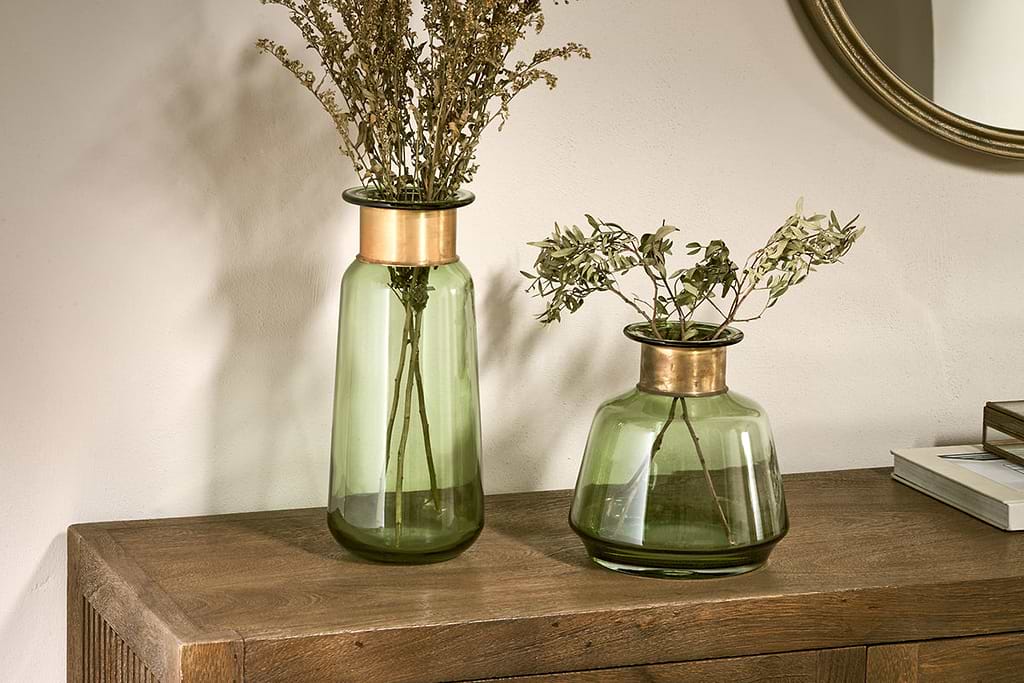
A pair of pieces that work quietly alongside mirrors in any light-gathering corner.
Some links above are affiliate links. If you buy through them we may earn a small commission at no extra cost to you. We only suggest pieces we think fit a calm, lived-in home.
Free guide
The Calm Shelf
12 styling ideas to help you compose calm, balanced shelves in natural texture homes.