

The biggest problem with a blank accent wall bedroom is that it often feels empty or unfinished, but bold paints or patterns can make a calm space feel busy or out of place. Many renters and homeowners want depth and softness without bright decorations crowding out the restful mood.
Today, you’ll see how to use warm colours, natural textures, and small adjustments to ground your bedroom with one accent wall, without making things feel heavy or cluttered. This works especially well in small bedrooms when storage is tight or light is low because it gives a focus point and balances the space.
The short version: The best accent wall bedroom keeps a calm sleep space by choosing one warm, muted shade or subtle texture behind the bed. Picking soft, earthy colours and anchoring just one wall can add depth and interest without disturbing the peaceful feel of the room.
Key takeaways
- A headboard wall makes a natural visual focal point in most bedrooms, keeping the space organized and serene.
- Warm accent colours such as sage green or terracotta ground a room without feeling loud or busy.
- Natural textures like wood paneling or woven grasscloth soften the look more than plain paint.
- Accent walls suit small bedrooms when clutter and pattern are kept to a minimum.
- According to Good Housekeeping, calming greens and blues remain among the most popular accent wall colours for bedrooms.

Why use an accent wall in a calm bedroom?
A carefully chosen accent wall in the bedroom creates a gentle anchor that helps define the space without visual noise. Using a natural shade or material draws the eye but doesn’t overwhelm.
Bedrooms with blank white walls can look plain or even unfinished, especially in rooms with low natural light or a simple bedstead. A single accent wall, done in a warm tone or tactile finish, adds visual strength and prevents the space from feeling flat.
If you add bold prints or many colours, bedrooms often look smaller and the restful quality drops. Instead, muted shades keep things soft, while a focused feature wall guides the eye toward the main element, the bed, helping everything around it feel more intentional.
Unlike a full-room repaint or a gallery of small artwork, dedicating one wall means less clutter and fewer distractions. A featured wall anchors the space for reading, sleep, and quiet routines, keeping energy calm.
This works well in master bedrooms, compact guest rooms, and even multi-use spaces where the bed shares a zone with storage or a workspace.
Where this works best
Accent walls work best in bedrooms that feel cold or boxy, and especially where one solid wall has little competition from windows or doors. A clear background is key.
Rooms with uncluttered layouts, such as small city bedrooms or pared-back guest rooms, respond well to a single, soft accent wall. When storage is built-in or textiles are simple, a quiet feature wall adds necessary interest.
Long, narrow bedrooms often look deeper with a subtly darker headboard wall, compared to leaving everything white. Low-light rooms or rentals with basic finishes benefit most, since adding a single visual anchor creates a point of rest.
Avoid accent walls in spaces where every wall is broken up by windows, radiators, or wardrobes. Too many features make the effect feel lost or busy instead of calm. One clear surface works; scattered bold corners do not.
Apply this approach in compact flats, minimalist master suites, or anywhere a blank space needs quiet depth, especially behind a bed in a room that feels boxy or dull.
Which wall should be the accent wall in a bedroom?
The wall behind the headboard is usually the best accent wall in a bedroom because it centres the space and frames the sleeping zone. This approach keeps the room’s visual balance uncomplicated.
In most bedrooms, the headboard wall is uninterrupted and large enough to make a good feature. According to Good Housekeeping, this is the most popular approach because it creates a strong focal point without adding complexity elsewhere.
If your bed is in a corner or floats between windows, aim for the largest unobstructed wall instead. Avoid the wall with the door or heavy storage, since these break up the effect and pull attention in the wrong direction.
Unlike bright colour on a small offset wall, highlighting the headboard wall zones the sleep area and gives meaning to the rest of your bedroom palette.
Place the accent wall where it frames your bed, avoids clutter, and doesn’t compete with major openings or furniture. This lets the feature wall do its work in any room layout.
Warm colours for a calm accent wall
A warm accent wall colour, such as sage green or terracotta, helps a bedroom feel grounded while staying soft and restful. Matte finishes and mid-tone shades are key.
Popular choices for soothing accent walls include sage green, clay terracotta, and warm whites. According to Good Housekeeping, shades of green, blue, and muted purple are especially calming, while moody hues like deep olive or soft peach set a background without feeling harsh.
Sage green in particular is known for its restful effect and is recommended by Dulux as a way to create a retreat-like feeling. Warm whites offer more depth than plain white but stay in the background, while terracotta or muted beige adds earthiness without feeling too dark.
Compared to bold navy or sharply contrasting shades, warm, toned-down colours work because they shift light gently and don’t pull the eye away from the bed. Flat or eggshell finishes bring softness that a high-gloss paint lacks.
Apply this in any bedroom, choose a calming paint shade for one wall, use a large sample, and check the colour over a full day’s changing light before committing.

How do you pick the right texture for an accent wall?
The right texture for a bedroom accent wall softens light, cuts echo, and adds interest without extra pattern. Natural wood or grasscloth do this quietly and last well in daily life.
Painted walls alone can sometimes feel flat, even in a soft shade. Adding real wood paneling, woven fibre wallpaper, or a fabric-wrapped panel brings depth you can see and touch. Raw timber boards reflect less light, keeping shine to a minimum and helping bedrooms look calm.
Grasscloth wallpaper is popular for its soft weave and gentle colour variation. Unlike regular paper, which often looks shiny and busy, sisal or jute fibre finishes are matte and catch corners of light in a gentle way. Textured panels, such as tongue-and-groove, work well behind a simple headboard.
The rule of thumb: adding one tactile surface makes a room feel more finished and stops sound bouncing around. Compared to patterned wallpaper, plain texture has more effect with less fuss.
Place a natural fibre or wood accent behind the bed, and combine it with plain bedding or curtains to keep the look from tipping into clutter.
Styling and placement
Styling a bedroom accent wall works best when you keep furniture and decoration low-profile, repeat materials, and leave some space clear. Too much decoration breaks the effect.
The best way to style an accent wall is by pairing it with plain bedding, simple furniture, and one or two finishes that repeat across the room, like a linen throw and a jute rug. This repetition keeps the palette consistent and avoids the room feeling pieced-together.
In tight bedrooms, avoid placing tall shelves or heavy artwork against your accent wall. Instead, hang one small, plain lamp or leave space above the headboard open. Compared to filling the wall with prints, a single, natural detail is enough for interest.
Low bed frames and single-colour drapes help focus attention on the wall. A blue accent wall or green accent wall pairs well with soft, oatmeal bedding and a clay vase on a wooden stool.
Quick calm checklist:
- Choose low-profile, natural materials like linen, oak, or jute.
- Keep the palette to three main hues, all soft or earthy.
- Repeat one texture, wood, fibre, or matte paint, at least twice across bedding, floor, or wall.
- Leave some wall and floor space uncluttered to let texture show.
- Anchor decor near the bed, not scattered across the room.
Use these checks to keep the room’s focus on the accent wall and let the rest breathe, especially in bedrooms visible from a hallway or shared area.
How to avoid making an accent wall feel too busy?
To keep an accent wall bedroom from feeling busy, use one shade or texture, limit contrast, and avoid extra wall decor or strong lighting on the feature wall.
One of the most common mistakes is adding pattern, shelves, and bright art all to the same wall. This scatters attention and makes the space feel smaller. Use a solid paint or single natural texture, and leave much of the wall open.
If you cover the accent wall with artwork or shelves, the effect is lost and energy in the room goes up. Instead, add soft lighting at the edge of the wall, such as a bedside sconce, to highlight texture but not draw attention to clutter.
Compared to single-wall paint, all-over wallpaper or mural prints add noise and shrink the space. Cutting back lets the wall act as a soft background for rest and reading.
Apply this by keeping just one feature, colour or texture, on the chosen wall, and use the rest of the room to store objects or display photos if needed.
What tends to hold up with accent wall bedroom choices
The strongest accent wall bedrooms rely on subtle shifts, a soft green or a smooth timber panel, rather than bold differences. Reviewers often mention that matte finishes, whether in paint or natural fibre, hold up better against daylight glare and don’t mark easily. Decorators consistently recommend placing the accent behind the headboard and repeating a main material elsewhere, even in small bedrooms with limited space to style around the bed.
Most calm accent walls avoid shiny finishes and loud patterns, which tend to break the feeling of quiet. Over time, warm textiles and gentle colour keep the room restful even as seasons, furniture, or needs change.
, Mara, Loom & Glow
Common questions
Which wall should be an accent wall in a bedroom?
The wall behind the bed’s headboard is the best choice for an accent wall in most bedrooms. This wall creates a clear visual anchor and stays uncluttered, making the room look organized and calm. When the bed is set against a solid wall, the accent adds meaning without crowding the rest of the space.
Are accent walls in bedrooms still in style?
Accent walls remain popular for bedrooms, especially when done in muted colours or natural textures. Calm hues and subtle textures are current for 2026, ranging from painted feature walls to wood or fibre finishes. Most design updates focus on gentle, grounding shades and pared-back styling, which won’t date quickly.
What is the rule for accent walls?
The main rule for accent walls is to pick one unobstructed wall and use a single colour or texture, not a mix of both. Designers recommend keeping furniture and decor simple so the feature stands out quietly. Choosing soft finishes or earthy shades helps the effect last and keeps the space restful.
Are accent walls out of style in 2026?
Accent walls will still be in style for bedrooms in 2026 when finished in quiet, natural colours or tactile materials. Trends shift toward subtlety, think matte sage, warm clay, or natural wood over bright paints and patterns. The right approach keeps spaces looking current and grounded well into the next few years.
Explore more calm combinations inside our Shop The Look .
Shop the Look
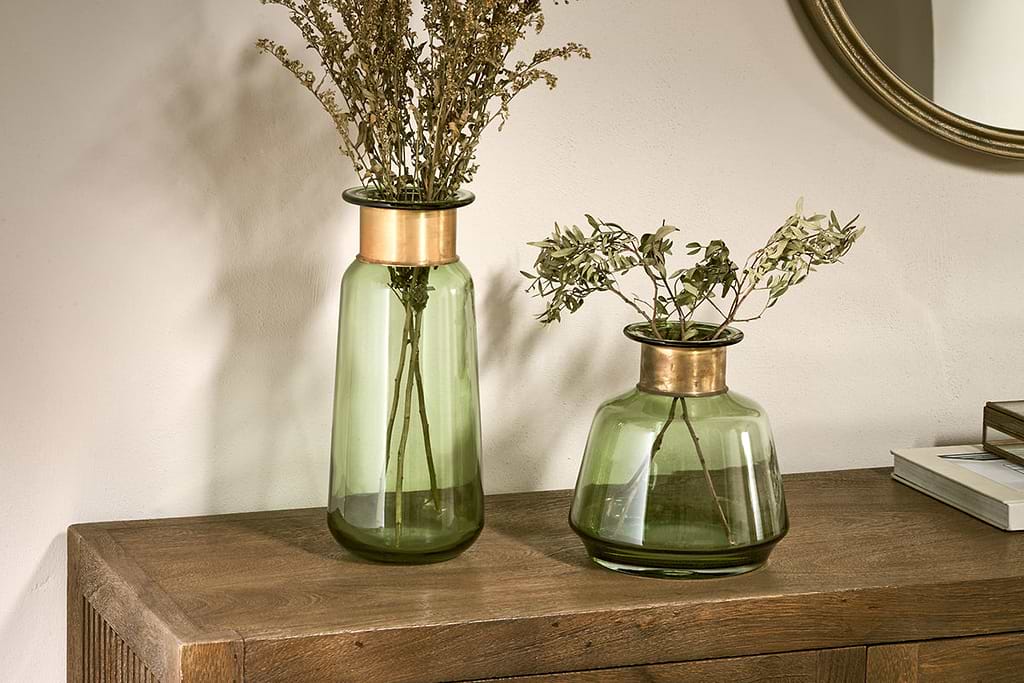
A few Nkuku pieces that bring warmth and texture to a bedroom with a coloured accent wall.
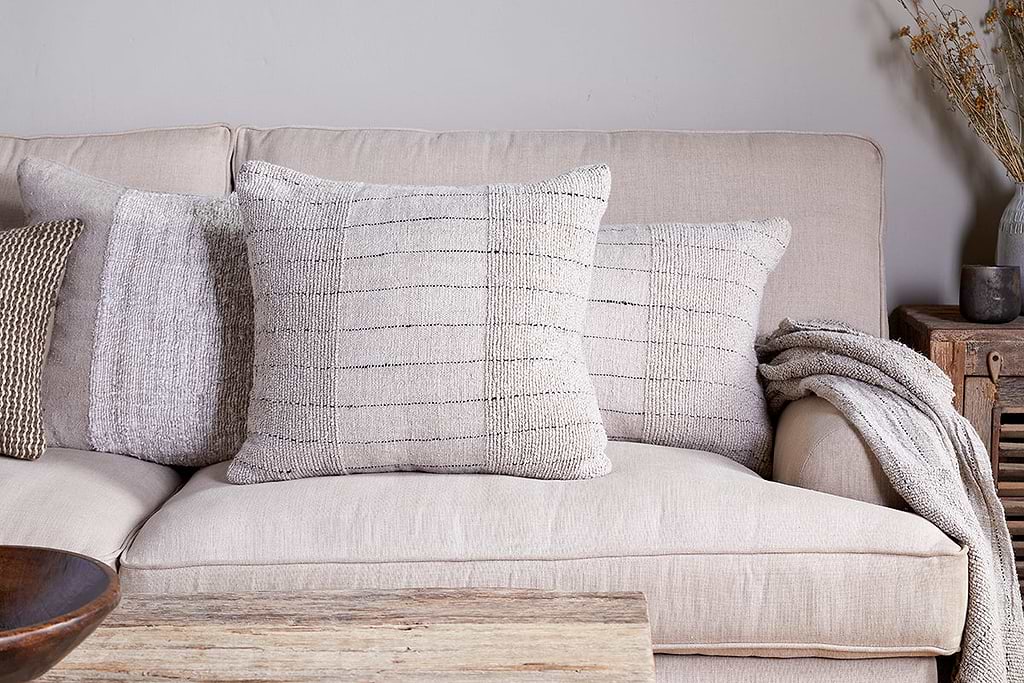
Mayla Cushion Cover
Soft hand-textured cover, instant warmth on linen sofas or chairs.
View at Nkuku →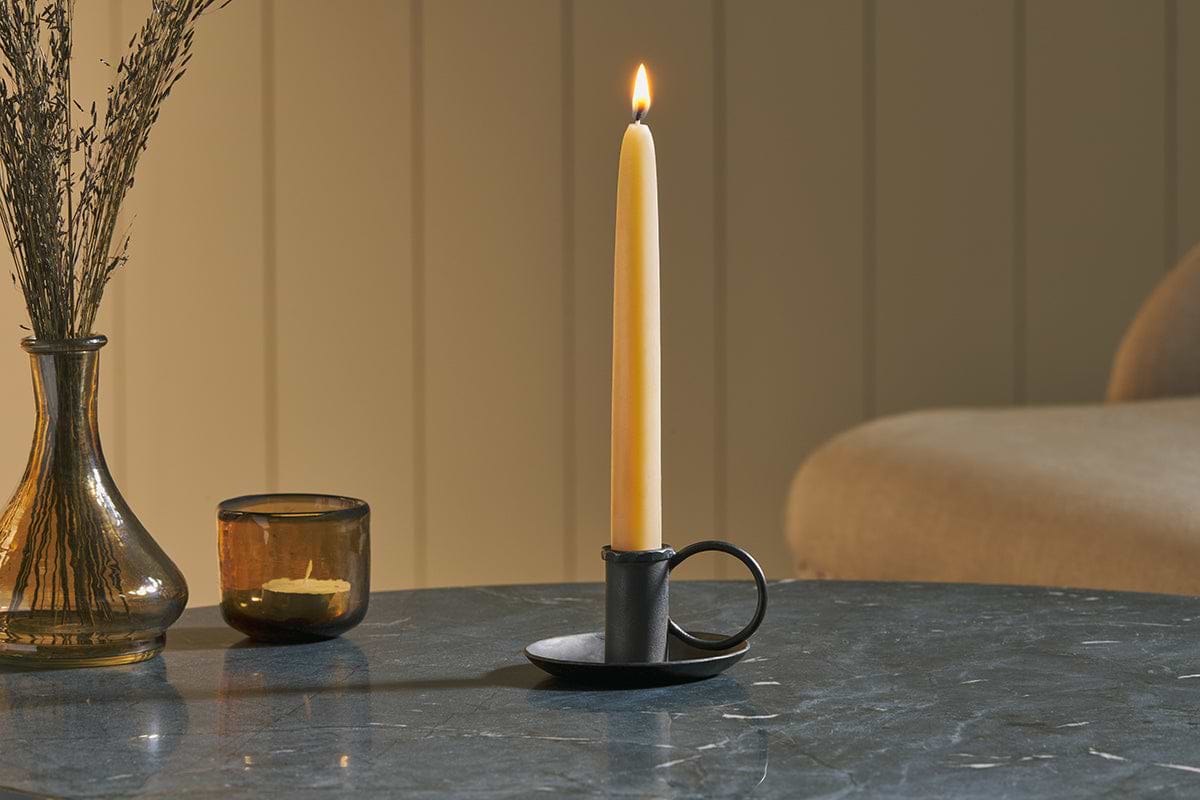
Amri Iron Candlestick
Slender iron with quiet presence, works alone or in clusters of three.
View at Nkuku →Some links above are affiliate links. If you buy through them we may earn a small commission at no extra cost to you. We only suggest pieces we think fit a calm, lived-in home.
Free guide
The Calm Shelf
12 styling ideas to help you compose calm, balanced shelves in natural texture homes.