

Even a small living room can easily look busy or awkward when it comes to reading nook ideas small spaces. A pile of throws, a random chair, and some books on the floor can quickly turn a room into visual clutter instead of calm. One missed detail—like a corner with harsh light, or an armchair that blocks flow—can make the whole idea feel off.
This guide walks you through what to change and what to avoid so your reading nook feels welcoming, not squeezed in. You’ll see what colours actually work, which textures soften, and where to carve out just enough room for what matters. This works especially well in a flat or semi-open living room when you need a purpose for an empty corner because even a snug spot can feel intentional with the right approach.
The short version: The most useful reading nook ideas small spaces focus on a single seat, warm layered textiles, and low-clutter storage to make even a tight corner feel inviting. Small adjustments to placement, lighting, and colour pairing help you use what you have instead of adding more—bringing comfort without crowding.
Key takeaways
- A reading nook works best when you anchor it with one main chair and simple storage nearby.
- Soft textures and muted natural colours prevent a small nook from feeling cold or boxed in.
- Task lighting like a floor lamp or clip-on sconce creates a usable spot even in low light.
- Most small reading nooks fit into alcoves or unused corners, with no need for a spare room according to House Beautiful.
- Matching wood or woven tones keeps clutter from building up visually.

How do you choose the right spot in a small space?
The best reading nook spot in a small space is a low-traffic corner or an unused alcove that stays quiet and free from main walkways. Picking a sheltered spot reduces distractions and gives the nook its own identity.
Many people have that one living room corner where nothing fits—a patch where the sofa would block the window, or a dip between shelves where dust gathers. Instead of squeezing in more storage or a side table, starting your reading nook here makes use of what’s often wasted.
Study the shape of your room. If you try placing a chair too close to the TV or dining zone, the nook feels like an afterthought. Tuck it out of main lines of movement, near a shelf, window, or even behind a curtain, where it looks chosen rather than leftover.
A bare corner next to a bright window gives you daylight, but can also make the nook feel exposed or stark. A simple curtain or folding screen—especially in a modern living room decor—helps carve out a zone that’s quiet without being hidden. This is one reason Barker and Stonehouse recommends corners over open-plan spaces when planning comfortable reading corners.
Place your chair or bench where light and foot traffic are both easy to control. A corner beside a bookcase, under stairs, or at the end of a sofa often gives just enough privacy for a calm reading break.
Where this works best
The most reliable reading nook ideas small spaces work in alcoves, tight hallway corners, or anywhere a spare armchair fits without blocking movement. A nook adapts well to both open and enclosed rooms.
Any room with an unclaimed pocket—beside a radiator, under a window, beside the sofa—can hold a reading nook. Small city apartments often have awkward wall breaks or a leftover corner after fitting in main furniture. Nooks also fit in bedrooms, landing areas, and home offices.
In UK living room ideas, an old fireplace alcove or the shadowed edge of a bay window is a smart candidate. A reading nook doesn’t need much width; even a slim bench or dining chair can signal a distinct use if you mark it with a small rug or a hanging light. This approach holds a nook’s look steady from one rental to the next, making it adaptable and quick to reset.
Avoid using the middle of a tight room. Pulling furniture into the walkway blocks sight lines and makes the space feel smaller, especially if your reading nook layers in extra storage or throws. Instead, hug the nook to existing features, letting the main circulation paths stay open. That prevents a crowded layout and keeps the nook useful.
What colours and textures make a nook feel calm?
Muted greens, soft taupes, and gentle creams paired with natural textures help a reading nook stay restful and modern. Mixing loose-knit throws with simple wood or sisal pieces softens any harshness from bare floors or plain paint.
Too many high-contrast colours—like dark navy next to a sharp white wall—add noise that makes an already-small nook feel busier. Instead, build your decoration ideas living room palette from one main shade, like sage green or clay, layered with gentle accents in wool, linen, and plain wood. This keeps the look even but not bland.
A lightly textured footstool (woven or knitted) feels less heavy than a boxy storage trunk but still helps define the corner. On the opposite side, a glossy table can look cold. In smaller spaces, matt finishes and raw woven materials cut glare and help daylight fall in a more even way.
Using only two or three base colours lets the eye rest. Against sage green walls, tan, rust, or clean off-white accents highlight shadows and make the green appear fresher. This is why so many modern living room decor ideas lean on soft green paired with oat, cream, or soft brown (as seen in many reading nook ideas).
A footstool in a loopy weave or a thick cotton throw welcomes touch and stops a tidy nook from reading as too stiff. This combination is easier on the eyes and makes a small spot more comfortable to use for longer reading sessions.
Which chair suits a reading nook (and why footprint matters)?
The best chair for a reading nook is one that feels supportive, fits the space, and doesn’t overwhelm a corner. A simple armchair or a small accent chair works most reliably in small rooms.
Armchairs with open legs feel lighter than deep club chairs or wide recliners. A chair that lets you see under or around it—like a spindle or bentwood type—shows more floor and stops your nook looking cluttered. Even classic pieces like a compact Windsor or a modern slipper chair can work well because they have less bulk and are easy to move.
If you add an ottoman, keep it unobtrusive. A chunky storage bench takes up more space than a small pouf or woven stool and can quickly tip the balance from inviting to blocked-in. Make sure there’s still room to stand or move past to reach nearby shelves. According to Evelyn Lily Interiors, retro swivel egg chairs and simple accent seats are both popular for these setups, and prices start around £599 for a solid leather chair in the UK market.
Compared to a wide sofa, a single, well-chosen chair helps signal the nook’s purpose without sacrificing floor space. The right pick lets even a rental or a small flat gain a flexible, usable spot for reading or resting.

Styling and placement
Styling a small space reading nook works best when you repeat one or two textures and limit decorative extras to a few natural pieces. Anchoring the nook with a single rug or a leaning mirror adds focus without clutter.
Put the main chair at an angle to the wall, not pressed flat. This opens up more of the room and invites you in. Tuck a slim footstool or basket nearby, never blocking the main walk path. If your reading spot uses a window seat, layer a couple of big cushions in simple linen or washed cotton, then drape one soft throw diagonally.
Quick calm checklist:
- Use no more than two main materials (wood and linen, or metal and wool).
- Keep shelves or side tables mostly clear—display two to three items, not more.
- Repeat at least one colour from the rest of the room for balance.
- Use a floor lamp or plug-in sconce to anchor the corner’s look.
- Float the rug or mat slightly out from the wall so the nook reads separate, not too boxed in.
If you pile on many different patterns, even a small spot can look crowded or busy. Instead, echo one shape twice (like a round footstool plus a round lamp) to tie it together. A gently crumpled linen curtain at the side softens a brick or drywall edge and frames the whole area.
Unlike open-storage bookshelves that show every spine, a closed basket or box keeps clutter out of sight and helps smaller nooks feel less busy. This method adapts well to both modern and classic UK living room ideas.
Styling is easier when every visible object stays simple—nothing shiny, nothing too decorated, and nothing you’d worry about moving aside for cleaning or rearranging.
How do you use storage without adding bulk?
The most practical storage for a reading nook in small spaces is a slim basket, a floating shelf, or a low-profile stool that doubles up. Storage should support, not overwhelm, the nook.
Shelves mounted at about seat height let you grab books or tea without adding an extra table. Narrow ledges or even windowsills can stash what you need—without taking over the visual field. Most floating shelves for reading corners are about as deep as a paperback, holding what matters and not more.
If you use baskets, pick wicker or soft felt in a neutral shade. Hard plastic bins look heavy. Store extra blankets or a charger here, but don’t try to hide everything—let one or two visible objects make the space feel in use. Inside a bedroom, you might choose a bench with lift-up storage to keep the number of objects low.
Too much built-in cabinetry or heavy shelving squeezes a small nook; the effect is the opposite of calm. On the other side, using no storage at all means clutter creeps in around the seat or floor. The balance: only as much storage as you use in a short reading session.
Unlike office-style cubes, open baskets adapt to shape and use—so they store extra pillows or books when needed, then tuck out of sight under a chair between uses. This is the storage approach most small living room guides recommend for real homes.
How should you light a reading nook in a small room?
A warm-glow lamp or low-wattage sconce placed at shoulder height makes a reading nook comfortable after dark, while daylight from a window should be softened with loose curtains for comfort.
Daylight is the most comfortable for long reads, but hard sunlight can glare off pale walls or floors. Curtains for living room nooks help—linen or cotton lets light filter through while softening harsh lines. Keep the lamp’s shade low and direct, rather than overhead or mainly ambient, so you don’t strain your eyes.
A clip-on lamp or a slim floor light is usually enough; no need for a bright overhead. Too much light points out every surface and makes the room feel clinical. Next to a window, add a light-blocking curtain if you read during afternoons.
Unlike kitchen or office lighting, a reading nook should use gentle, indirect sources that feel calm but actually make it easier to see print. Most people prefer a dimmable lamp for flexibility—an easy swap if you use the nook at different times of day. According to Homemade Our Way, many compact nooks work best with a lamp placed within arm’s reach, helping the area feel finished but uncomplicated.
For shared or open rooms, a lamp with a directional head lets you read in peace while the rest of the space can stay softly lit or dark.
What tends to hold up with small-space reading nooks
Looking across many UK and US room setups, nooks hold up best when they work with, not against, a room’s shape. Spots near existing windows or beside shelves feel natural and useful, while nooks forced into walkways or the middle of living rooms rarely last long. Matte finishes get recommended again and again for shelving in nooks, because they stay fingerprint-free and less glaring next to well-used armchairs or throws.
Chairs with simple shapes and storage that blends in—never stands out—show up most in both decorator advice and owner reviews. Anchoring the spot with one repeat material, like rattan or light oak, almost always keeps the look calm but not empty, even after years of everyday use.
— Mara, Loom & Glow
Common questions
Where is the best spot for a reading nook in a small space?
The best reading nook spot in a small space is a low-traffic corner or an unused alcove that stays quiet and free from main walkways.
What colours and textures work best for a calm reading nook?
Muted greens, soft taupes, and gentle creams paired with natural textures help a reading nook stay restful and modern.
Why should I avoid placing a reading nook in the middle of my room?
Pulling furniture into the walkway blocks sight lines and makes the space feel smaller, especially if your reading nook layers in extra storage or throws.
What is the most important element for a small reading nook?
The most useful reading nook ideas small spaces focus on a single seat, warm layered textiles, and low-clutter storage to make even a tight corner feel inviting.
what are the must have reading nook items?
Must-have reading nook items are one main chair, task lighting like a floor lamp or clip-on sconce, and simple storage nearby, paired with soft textures and muted natural colours to keep even a tight corner feeling inviting without visual clutter.
Explore more calm combinations inside our Shop The Look .
Shop the Look
Pieces scaled for small corners: a slim lamp, a narrow side table for your tea, and a ledge for a single object.
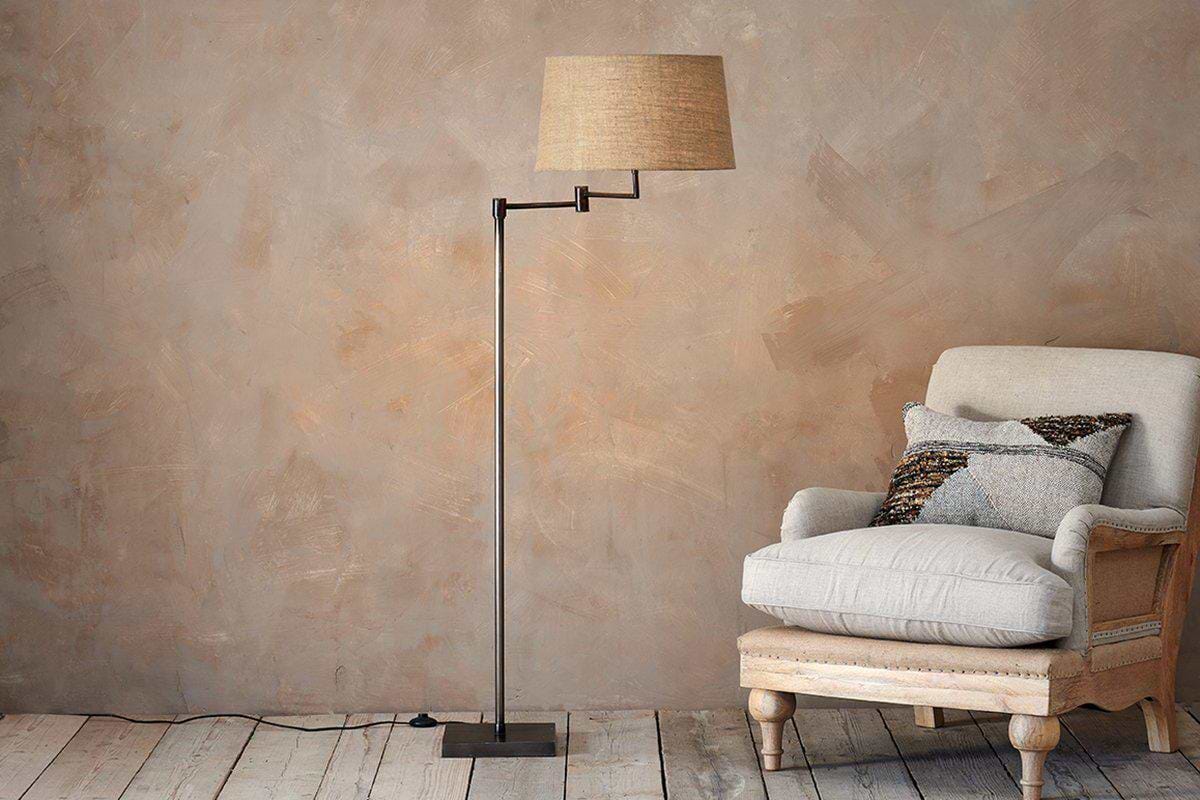
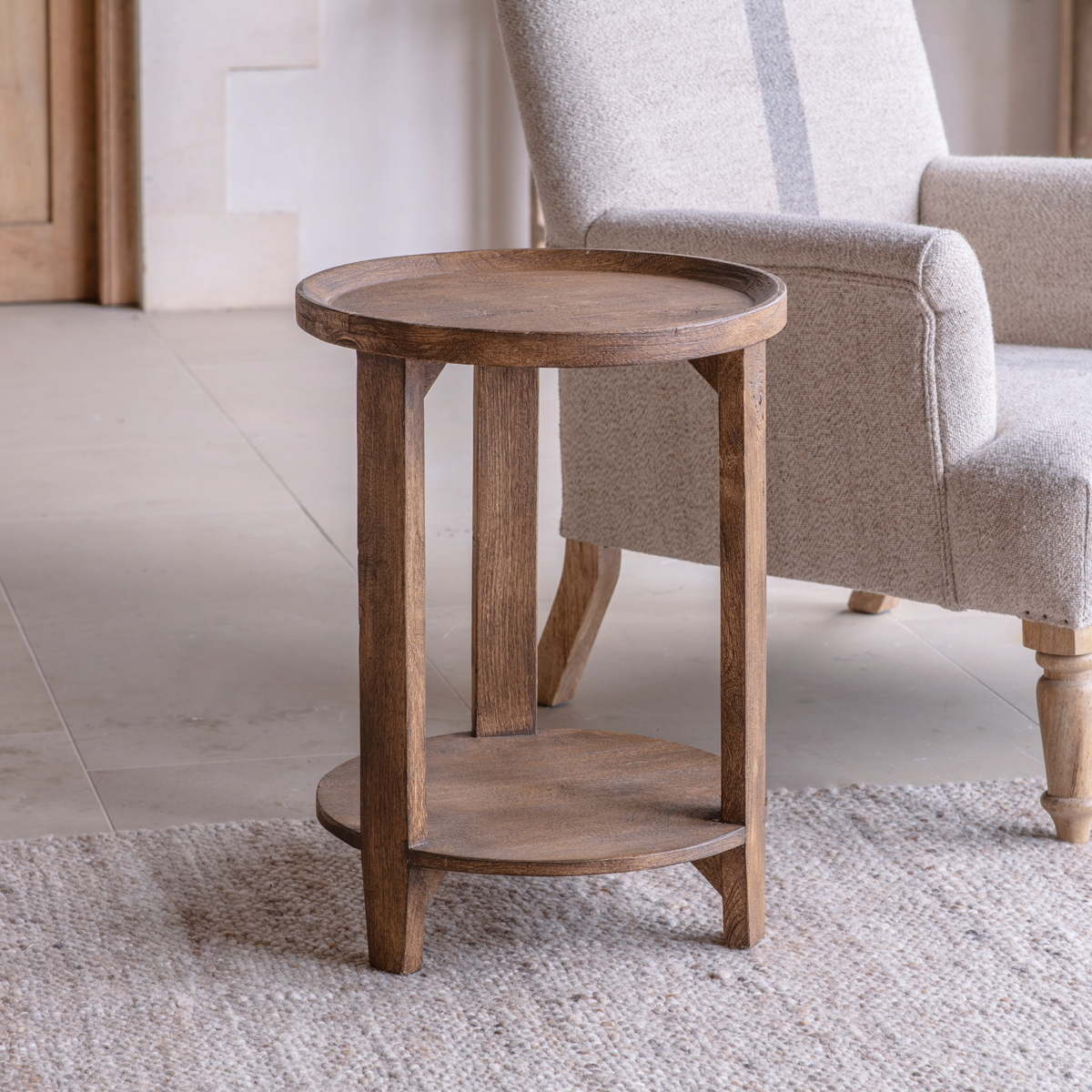
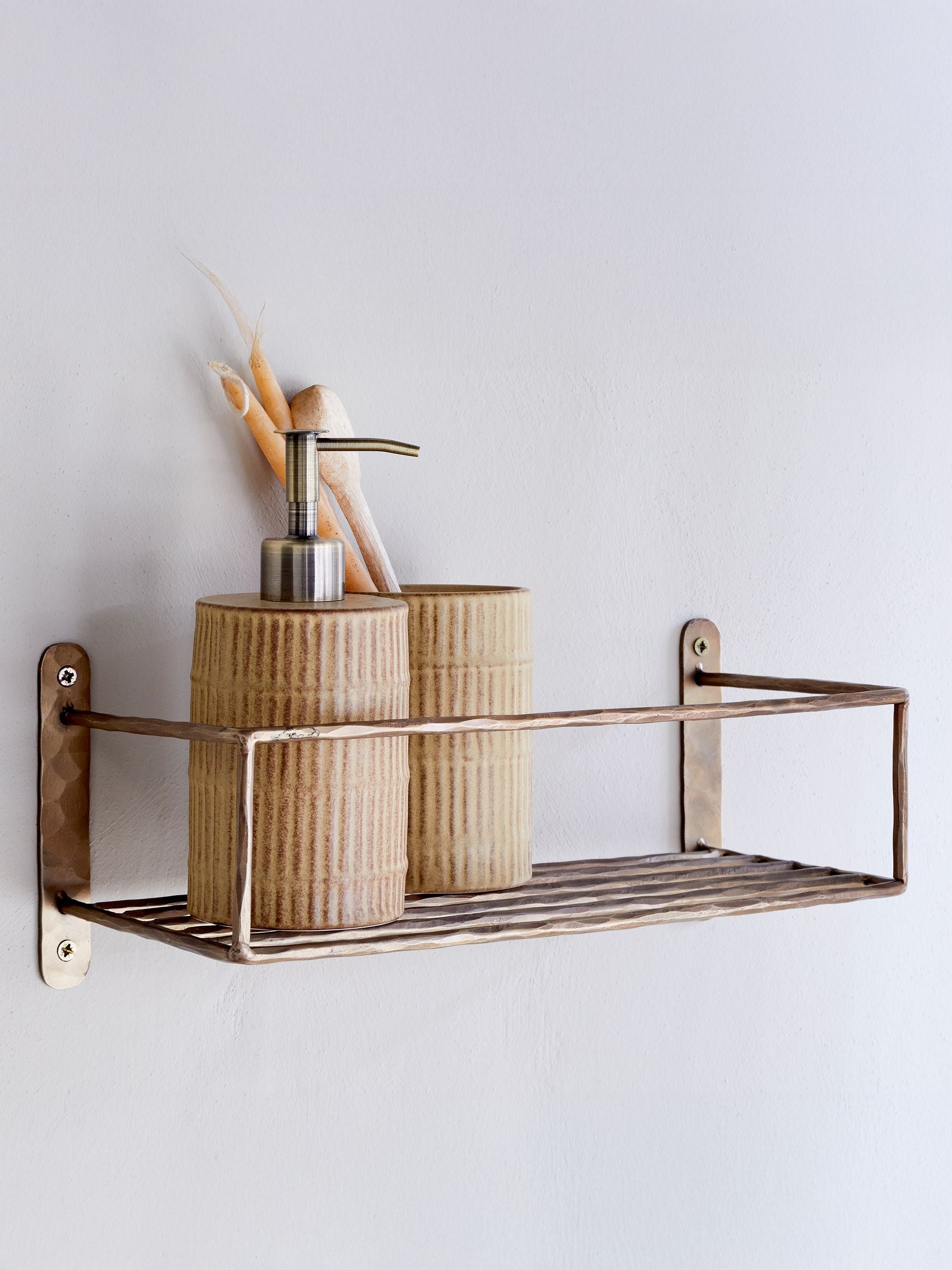
Some links above are affiliate links. If you buy through them we may earn a small commission at no extra cost to you. We only suggest pieces we think fit a calm, lived-in home.
Free guide
The Calm Shelf
12 styling ideas to help you compose calm, balanced shelves in natural texture homes.