

Corners in most homes fill up fast. You might set down a pile of unread books, a basket of laundry, or a chair that catches clutter. That open spot becomes busy before you realize, and soon it’s only useful for storage, not for resting or recharging.
Today you’ll see how to clear out one corner and shape it into a reading spot you’ll actually use. The goal is less stuff and more calm. This works especially well in a small living room when floor space is tight because it gives purpose to one corner and helps everything else feel lighter.
The short version: A good reading nook uses one main texture (like linen, jute, or wood) as its anchor and layers in just two or three others for comfort. This keeps the space calm, not chaotic, and helps even a small area feel more open and useful.
- Where this works best
- How do you mix jute, linen, rattan, and wood without visual clutter?
- What is the one key to making a corner feel calm instead of cramped?
- Styling and placement
- Which reading nook ideas suit rentals or small apartments?
- How can I add warmth and depth with woven home decor?
- How much decoration is enough for a nook to feel finished?

Where this works best
A reading nook fits almost anywhere with a spare chair or window ledge, but works best in spots away from heavy foot traffic. Choosing a corner or an unused gap makes the setup feel private and peaceful.
Busy living rooms and bedrooms with awkward corners usually have more potential than people expect. A bare alcove, an empty spot by the door, or that forgotten end of a hallway: these are places most people overlook. In homes with low light or little space, a reading nook works by giving one area a job—and letting the rest of the room breathe.
An easy way to start is by clearing out what’s already piled up, then asking what you actually need for comfort. One chair, a lamp, a place for books, and a material that keeps things soft or tactile—that’s often enough. Layered neutrals building depth in a minimal living room 3 shows how even a tight corner can anchor the mood of the whole space.
Avoid squeezing a reading nook right beside the entryway or crowding it next to a work desk—both bring too much movement and noise. Instead, let it tuck into a quieter spot, even if it isn’t by the window. Keeping the layout simple helps the area feel set apart, not just an overflow zone.
How do you mix jute, linen, rattan, and wood without visual clutter?
Use one main material as your starting point—like a jute rug or a wood chair—and add only two other textures nearby. Limiting your materials prevents visual noise so everything looks steady, not busy.
Mismatched natural materials can turn restless quickly. When the basket is chunky, the chair is glossy, and the throw is heavily patterned, the eye never settles. Instead, start with one anchor: a linen cushion, a woven jute basket, or a smooth wood bench. Limit the others to smaller pieces, such as a rattan tray or a cotton throw, so the group keeps its balance.
This matters most for small rooms, where too many textures crowd the senses. Choosing just three materials settles the look and stops the jumble that comes from over-layering. For example, a rattan stool and a jute rug work because both are earthy and neutral but have a different touch under hand or foot.
Unlike a space flooded with different colors and shiny finishes, grouping similar tones but swapping textures creates flow. It’s the difference between a spot that feels pulled together and one that distracts you every time you walk past. Using this approach makes adding something like a natural textures interior design the calm contrast method smooth tactile piece easy and effective.
What is the one key to making a corner feel calm instead of cramped?
Pick a single focal point for the nook, like a soft chair or a wooden stool, and keep everything else low or textured. Fewer visual anchors keep the area from feeling stuffed and help the eye rest.
Lots of homes cram too many things into one spot: a tall shelf, a side table, extra throws, baskets, art. When every piece draws attention, there’s nowhere to relax. Instead, choose one item to pull the focus—a roomy chair, a simple accent table, or a statement lamp. Everything else can fade back in scale and tone.
A pale wooden chair with a linen cushion is enough to ground the entire setup. Placing a single woven basket nearby gives surface interest without busying the view. Compared to a tall bookcase or a cluster of objects, smaller shapes calm the corner and keep light moving through.
Once the main shape is set, add only what you need for comfort—a place to prop your legs, one lamp for reading, and a low stack of books. This way, the reading corner reads peaceful, not cluttered, even if the rest of the room has more going on.
Styling and placement
Group natural materials so each stays visible: put a wood table next to a soft chair, or layer a linen throw over a basket. Don’t crowd—space pieces to keep sightlines open and easy to move around.
Styling a reading nook isn’t about filling every gap. Leave space between your main seat and a woven side table or a jute rug. Setting items apart means light gets through and the area stays open, not boxed in. Natural material home decor works best when each surface can catch daylight or a lamp’s soft glow.
Color makes a quiet difference. Stick with two or three shades—sand, gray, or off-white—so the parts feel related. This limits harsh contrast and lets textures do the work. Warm natural textures for low light rooms making a space feel softer suggests using pale, matte pieces in dim rooms for a softer look.
Palettes with fewer strong dividing lines give the eye somewhere to land. A basket that’s too dark or glossy next to pale linen interrupts the flow. By repeating one or two tones, small home corners can feel restful and organized.
Quick calm checklist:
- Stick to three main materials (like jute, linen, rattan or matte wood).
- Keep at least a hand’s-width of space between each main object.
- Choose two or three shades in the same family (earth, sand, light gray).
- Put the seat in the corner so you face out or into the light, not pressed against a wall.
- Let one item anchor the spot—everything else stays smaller and lower.

Which reading nook ideas suit rentals or small apartments?
Removable, lightweight pieces—like a folding chair, leaning lamp, or baskets—work best for rentals and tight rooms. These switch out without leaving marks or taking up too much space.
In rentals and compact spaces, heavy built-ins or painted features aren’t practical. Instead, choose things you can lift, lean, or take with you. A folding rattan chair, a jute rug that rolls up, or linen drapes clipped to a tension rod avoid landlord problems and don’t eat up floor space.
Multi-use items help, too. Woven cubes or round baskets hold books one day and spare throws the next. A small wooden stool often serves as a table or seat, depending on how you style it. Most folding chairs fit almost anywhere and can double as dining chairs when guests visit.
Compared to permanent shelving or wall lamps, lightweight and temporary options remove stress from moving or rearranging. Focusing on portable, organic home decor allows the reading nook to adapt as your needs—and rentals—change.
How can I add warmth and depth with woven home decor?
Add one large woven item, such as a basket or ottoman, plus a smaller accent like a tray or plant pot. The thick weave softens sharp corners and picks up the light, giving the corner more depth.
Woven home decor stands out in neutral settings because of its touchable texture. Jute and rattan both soften hard floor or wall edges, especially where the rest of the room feels flat. One good jute basket usually runs about $20–$40, making it an easy entry point for most budgets.
The knobby weave of a rattan stool or seagrass basket draws attention in a gentle way. Next to smooth linen or a solid oak bench, it breaks up sameness and feels more lived-in. Too many woven pieces, though, start to look cluttered, especially in narrow areas or on shelves.
Unlike plastic bins, woven containers let your eyes rest because they blend into an earthy home decor look. Using just one or two woven items near softer materials—like a cotton cushion—keeps the area comfortable without tilting into rustic overload. To see this contrast put to use, browse Textured corners styling small spaces with big calm.
How much decoration is enough for a nook to feel finished?
Keep one or two accents within arm’s reach—a lamp, a plant, or a small pottery tray. More than that draws attention away from reading and makes the spot look unfinished rather than complete.
Finishing a nook often means stopping before it looks full. A single brass lamp, a ceramic mug on a wooden tray, or a leafy plant in a clay pot is usually enough. Extra pillows or decorative art compete with the purpose of the area and add a sense of clutter.
It helps to leave at least two-thirds of any side table or bench clear for actual use— stack books, set down coffee, or rest your glasses. This principle comes up in most small-space decorating guides for a reason: visible open space lets things air out and the area stays flexible.
Compared to shelves filled edge-to-edge with objects, a nearly bare surface with one tactile accent feels more inviting. The reading nook reads complete because nothing fights for attention, and it avoids the look of a space caught in progress.
What tends to hold up with reading nooks and natural layering
After reviewing countless rooms and reader photos, one trend stays the same: less works better than more. In most reading nooks, the pieces that last are always the simplest—one soft chair, one woven accent, one lamp. Reviewers reliably mention that too many finishes or colors pull the eye, and decorators nearly always scale back until the space feels lighter.
This holds especially true for natural material home decor. Linen keeps its cool texture through seasons, and jute baskets age gently without drawing unwanted attention. Matte finishes come up again and again in advice for rooms with sunlight, since they never catch glare the way glossy surfaces do.
— Mara, Loom & Glow
Common questions
How do you mix jute, linen, rattan, and wood without visual clutter in a reading nook?
Use one main material as your starting point-like a jute rug or a wood chair-and add only two other textures nearby. Limiting your materials prevents visual noise so everything looks steady, not busy.
What is the one key to making a reading nook corner feel calm instead of cramped?
Pick a single focal point for the nook, like a soft chair or a wooden stool, and keep everything else low or textured. Fewer visual anchors keep the area from feeling stuffed and help the eye rest.
Which reading nook ideas suit rentals or small apartments?
A reading nook fits almost anywhere with a spare chair or window ledge, but works best in spots away from heavy foot traffic. Choosing a corner or an unused gap makes the setup feel private and peaceful.
Explore more calm combinations inside our Shop The Look .
Shop the Look
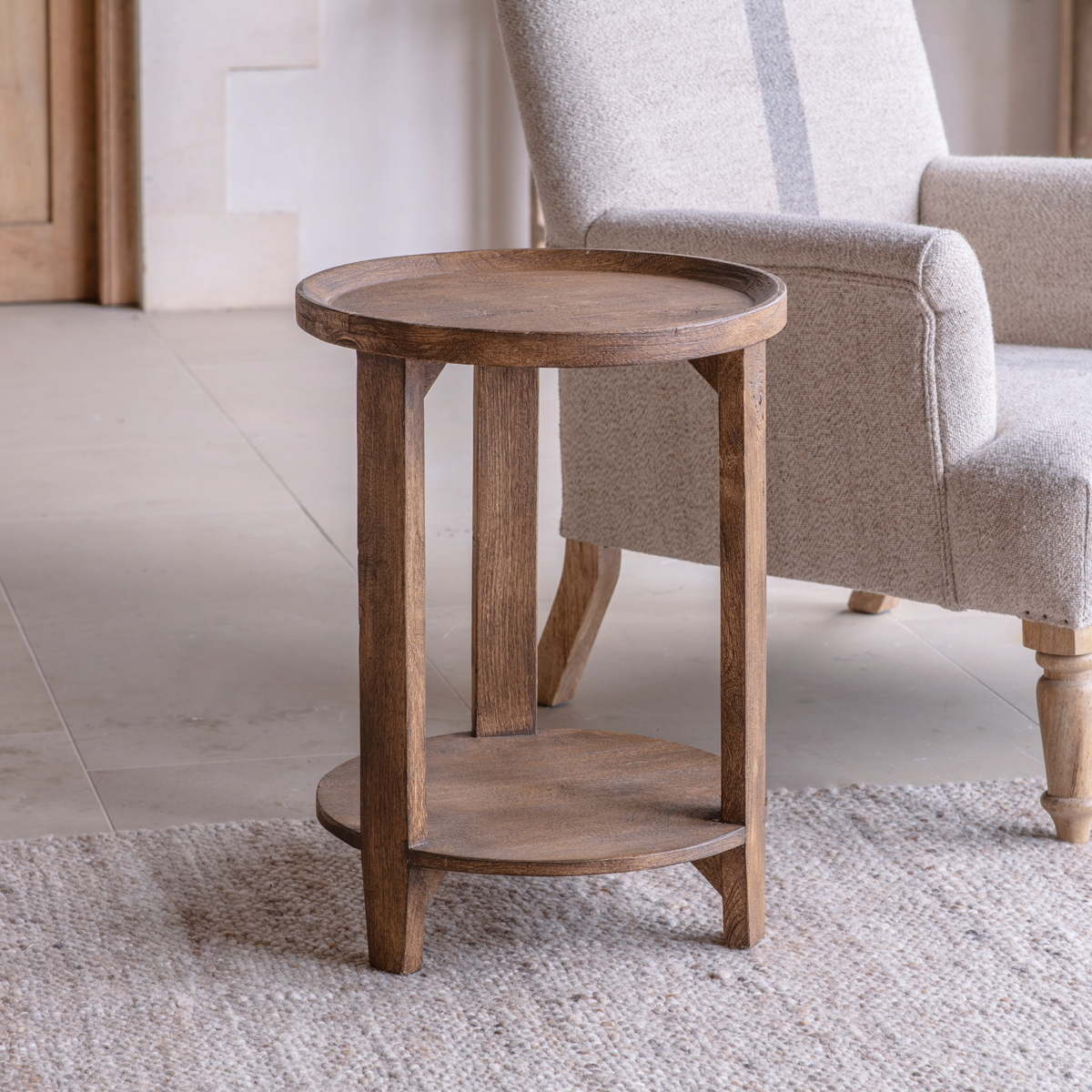
Three quiet pieces that anchor a reading corner without crowding it.
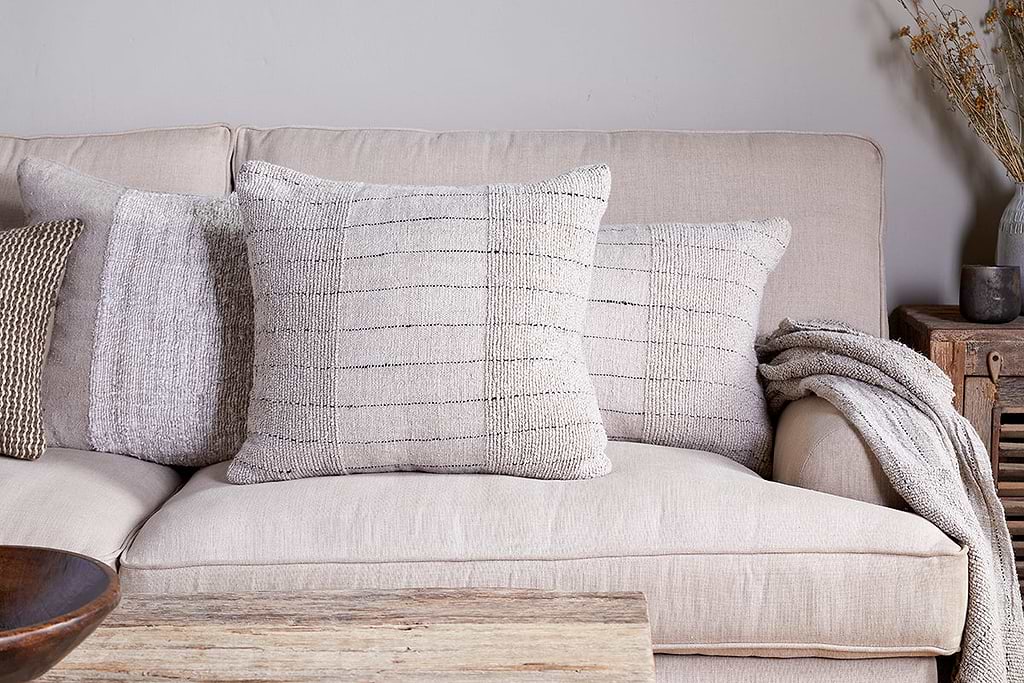
Mayla Cushion Cover
Soft hand-textured cover — instant warmth on linen sofas or chairs.
View at Nkuku →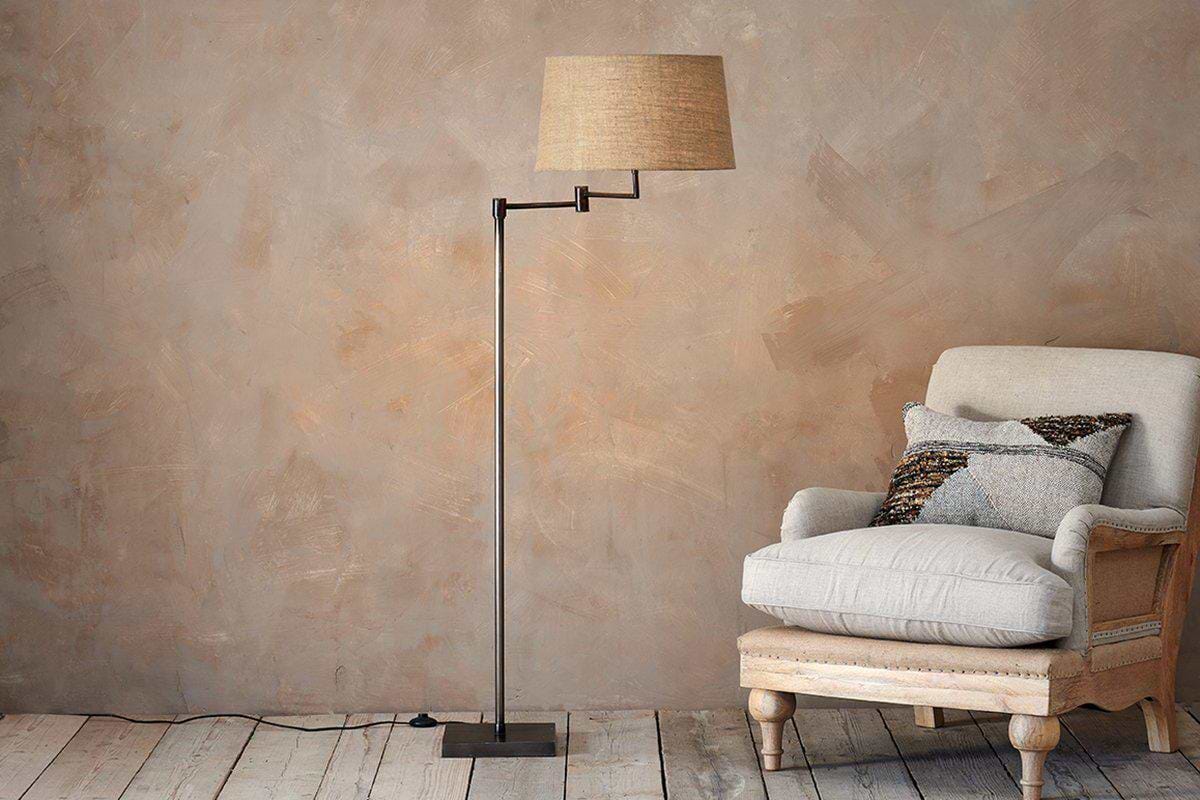
Some links above are affiliate links. If you buy through them we may earn a small commission at no extra cost to you. We only suggest pieces we think fit a calm, lived-in home.
Free guide
The Calm Leaf
12 quiet ways to bring dried botanicals, stems, and natural textures into calm spaces.