

It’s easy for a small room to fill up with things you use every day. Piles form, surfaces disappear, and soon every inch seems spoken for. Most small space decor ideas online look neat, but in real life, the layout, awkward corners, and a lack of storage make it hard to keep the space calm and open.
You can get a calmer room by removing just a handful of extras, picking pieces that do more than one job, and leaving open places for the eye to rest. This works especially well in a small apartment living room when you skip heavy, dark colours because too many dense shades can make the space feel closed-in fast. Today, you’ll learn which objects, colours, and habits truly help a small room support a slower, more mindful daily pace, and how to spot what to let go.
The short version: The most effective small space decor ideas focus on fewer, lighter pieces and a muted palette to keep a room calm, not cramped. Cut visual clutter, use simple shapes, and choose furniture that doubles up on function.
Key takeaways
- A strict neutral palette helps small rooms avoid a crowded look, according to Dulux.
- Low seating and open legs give furniture a lighter visual footprint in tight spaces.
- Mirrors multiply natural light and make small rooms feel larger, says Dulux.
- Multifunctional furniture maximises usefulness without adding bulk.
- Keeping storage off the floor frees up much-needed room to move.

Why does a small room feel cramped?
A small room feels cramped when there are too many objects in sight, too many colours, or bulky items block clear pathways. Reducing and grouping helps.
In many flats, clutter builds because there’s no place for spare bags, coats, or the small things you set down in passing. Piles grow, corners fill, and the flow from one part of the room to another gets broken. If you keep adding just-in-case storage and more colour, the space can go from lively to overcrowded overnight.
Switching to a single light rug and open-legged sofa, rather than big closed boxes, means you start to see floor area you forgot was there. A jute basket under a console absorbs loose shoes or mail. The room breathes better because you aren’t blocking every edge or filling every surface.
Unlike a tidy open shelf, a cluttered bookcase or deep dresser pulls the eye and makes the wall look heavier. Grouping a few simple items, a clay bowl, a linen-covered book, lets the palette settle. A strict or muted colour palette, such as soft greys and light creams, is recommended to avoid busy visuals in small living rooms according to Dulux. Calm in a small room comes from holding back instead of layering on.
On a practical level, if you edit down and give each main piece its own space, cleaning up is easier and the mood of the room softens. One empty stretch near the window changes the way the entire space feels late in the day, a welcome pocket of calm for slow living home routines.
How do you make a small room look bigger without filling it up?
A small room looks bigger by prioritising clear sightlines, leaving empty space, and choosing leggy, low-profile pieces. Let the floor and light move through.
Furniture with legs, like a wooden bench or a low armed chair, lets you see the rug beneath, which tricks the eye into thinking the room is wider. Heavy storage trunks or thick-legged tables sit low and absorb the light, making a bedroom or living room look flat and boxed in.
Mirrors double the view and bounce illumination through the whole area. If you hang a glass-panelled mirror opposite the window, morning sun throws extra brightness deep into the corners. Hanging a mirror is one of the top ways to create the impression of more space in a small living room.
Instead of walls packed with shelves and artwork, try leaving sections blank, the eye gets a rest, and favourite objects stand out more. A negative space rule: Keep about two-thirds of a wall empty for every third you fill. The result is gentler, a core principle behind both slow living home and mindful home decor approaches.
Pale curtains in loose linen, not thick velvet, allow natural daylight to pass. The right material and an open view keep a room from closing in, especially when you have limited windows or are working with an awkward rental layout.
Where this works best
Leaving space and simplifying colour works best in shared living rooms, small bedrooms, and hallways where too much detail can crowd the senses.
Narrow living rooms, split-plan studio apartments, and small bedrooms share one problem: a lack of uninterrupted wall or floor area. These are the spaces where careful placement of essentials lets you move easily, and every extra item gives up more than it’s worth. A small living room benefits most from edited furniture and nothing blocking window light. In a tight bedroom, a single-lid storage ottoman can take the place of a bulky chest and spare you a cluttered look around the bed.
The slow home ideas that stick often use texture and a little open space. A hallway with one coat rack and an empty nook invites you to slow down as you come home. Where there’s little natural light, a small kitchen or entry, the absence of extra surface clutter gives what sun you get a chance to work harder. This is the easiest way to make a small room look bigger and more peaceful.
Avoid filling every corner “just because”. Extra side tables, bulky chairs, or long TV cabinets eat up free space and turn the room heavy. In a small bedroom, deep under-bed bins or hanging organisers work better than more dressers. The best calm home aesthetic comes from saying no to extras instead of stacking things up.
The simplest adjustment is to choose pieces that look light and leave enough open floor or wall that you can see calm at a glance. Place them near windows, doorways, or the path you take most often.
Choosing a light neutral palette that still feels warm
A room feels warmer and bigger with soft, muted whites and natural wood rather than dark or bold colours. Layering textures adds comfort without crowding.
Light palettes, think stone, oat, chalk, and pale clay, create a gentle background. These shades move daylight around, making edges harder to spot and corners fade back. A muted neutral colour scheme is often recommended by designers to stop small spaces looking busy according to Dulux.
Compared to deep navy or heavy terracotta, soft cream or pale mushroom reads lighter and lets wooden shelves or jute baskets take focus. Instead of bold prints on every soft object, settle on a single woven throw or linen pillow in a warm pale shade. A room layered this way shifts from stark to cosy, stepping closer to neutral living room comfort.
Leaving the window surrounds and large rugs in natural beige or sand keeps the room looking bigger but never cold. A hygge home decor trick is to introduce a little roughness, a seagrass tray, a chunky clay vessel, one woollen blanket, so the scene stays lived-in rather than flat. That lived-in look is core to an intentional living home.
In small homes, this palette helps keep the energy calm. Warm neutrals absorb and release light gently, especially in the early morning or as daylight dims. Apply it to walls, key upholstery, and the largest accessories for best effect.

Styling and placement
A few well-placed objects leave room for daily use, but too many small pieces look scattered. Group, anchor, and step back.
To keep a room calm, arrange objects in odd numbers or small bunches. One large jute basket near the entrance does more to contain clutter than several mini bins around the floor. Place the main lamp or mirror where it catches both morning and late-afternoon light, giving the room rhythm.
An ottoman stored under a floating shelf can double as table and storage when you need it. Unlike a cluster of small tables, a single, multipurpose stool or bench reads clearer and is simpler to keep clean. Stools and ottomans are especially helpful as multi-purpose features for compact rooms.
Instead of scattering books in every corner, gather them near your main seating so there’s space left for other routines. When grouping, keep in mind: A cluster works best when at least one item is soft or rounded, which breaks up hard lines and sharp corners.
Quick calm checklist:
- Choose natural-finish wood, rattan, or linen for everyday items.
- Leave one main wall empty or with only one anchor piece.
- Keep shelf groupings to three or five objects, with at least half open space.
- Repeat one muted colour (soft white, pale grey, oat) across the largest items.
- Anchor a single textured object (wool basket, ceramic lamp) for warmth.
Place each anchor object where you use it most, a lamp by the sofa, a tray on the ottoman, a mirror across from a window. This helps keep the small space decor ideas feeling useful, not staged.
| Item | Best Placement | Visual Effect |
|---|---|---|
| Low ottoman | Near sofa or under table | Opens floor, doubles as storage |
| Open shelf | Above eye level, near light | Keeps floor clear |
| Jute basket | Entry, under hooks | Softens hard corners |
What makes mirrors work in a small space?
Mirrors multiply natural light and reflect open views, making a tight room feel more spacious. The right placement lifts the whole atmosphere.
Most living rooms and bedrooms improve with a mirror, especially when windows are scarce or the light is poor. The trick is to place the mirror so it bounces daylight or a calm, simple view. A mirror facing the window adds instant relief on grey days and extends perceived depth, as noted by Dulux.
Compared to wall art or a shelf, a clean, unframed mirror is less busy and easier to adapt if you move or rearrange. Avoid facing mirrors toward other mirrors or crowded corners; this only repeats the clutter and can feel unsettled.
The best effect comes when the mirror hangs about sofa height or slightly higher, avoiding glare but still catching sun. On busy walls or in a rental where changes are limited, a tall floor mirror leaning in a corner gives the illusion of extra width without damage. Try this approach in bedrooms, narrow hallways, or main living rooms where every bit of calm helps.
How does vertical storage keep the room calm?
Vertical storage uses wall space above eye level, keeping the floor open and daily clutter out of view. This prevents small rooms from feeling boxed in.
In a small kitchen or bathroom, typical low cabinets fill quickly. By stacking storage up, using shelves, hooks, or tall cabinets, you free up entryways and corners. Keeping storage up high and making use of corners, as suggested by House Beautiful, helps open the floor and cut daily mess.
Unlike sprawling bins or baskets kept on the floor, wall-mounted racks or peg rails are easier to sweep under. Fewer obstacles make cleaning faster and simpler. Embracing vertical design solutions and avoiding clutter are top strategies in small space decor according to Pine and Prospect Home.
Choose open shelving for dishes, or floating hooks for coats, and leave enough space between each for the wall to show through. The room will feel lighter and more open. A small plant on a high shelf or a set of baskets above a wardrobe are both good ways to try this approach, no need for pricey built-ins.
There’s usually a moment when a room starts to feel unsettled, not crowded exactly, but restless. Maybe a shelf won’t stay tidy, or a side table keeps collecting things. Often, it’s because there are simply too many objects without enough structure or purpose.
The real solution is pausing to pick which object will anchor each area, and which items can go. Keeping only multipurpose, stable pieces and reducing extras makes room for slow routines and easier cleaning.
If too many small objects float across every surface, the space feels scattered and unfinished. Books stacked high, trays balanced on armrests, and leftover hooks at odd angles pull attention in a dozen competing directions. Clearing or regrouping prevents that busy, stop-and-go feeling most homes struggle with in snug rooms. Once you choose one anchor for each spot, actions feel smoother and the room feels lighter. Save this idea for later.
What tends to hold up with small space decor ideas
From reviewing rooms and listening to reader habits, one pattern stands out: spaces that hold back on furniture and stick to a muted colour palette tend to feel most welcoming, not empty. Reviewers mention again and again that a matte or lightly textured finish, like chalk paint or natural linen, avoids glare and forgives smudges, especially near windows and entryways.
Designers often recommend low seating and open bases on furniture for these rooms, because the sense of extra floor makes daily routines calmer. There are fewer roadblocks, less visual noise, and movement feels relaxed. Small spaces that work, more than anything, respect the need for both negative space and touches of gentle texture beneath the eye line.
, Mara, Loom & Glow
Common questions
What is the 3-5-7 rule in interior design?
The 3-5-7 rule means grouping objects in odd numbers, three, five, or seven, for a more natural, balanced look. Designers use this trick because our eyes find uneven numbers less stiff and more relaxed. On shelves or mantels, it helps create interesting, non-repetitive arrangements that keep a space calm but not flat.
What are some good DIY ideas for small spaces?
Good DIY ideas for small spaces include installing floating shelves, making pegboard storage, and using tension rods for extra hanging. These options add vertical storage without heavy equipment or big changes, making them ideal for rentals. Many people also re-cover baskets or paint old stools to match a chosen colour palette.
How can I make my small space feel cosy?
You can make a small space feel cosy by using soft textures, warm neutral colours, and gentle lighting. Adding a wool throw, a linen curtain, or a natural rug softens hard lines and brings comfort into focus. Lamps with warm bulbs and small storage kept out of sight help too.
What are some cool decor ideas for small rooms?
Cool decor ideas for small rooms include hanging large mirrors to reflect light, using multifunctional furniture, and adding open shelves high on the wall. Rolling carts and poufs double up in use but are easy to tuck away. Personal touches, like clay planters or simple artwork, create calm without filling every wall.
Explore more calm combinations inside our Shop The Look .
Shop the Look
Three Nkuku pieces that work hard in small rooms without visual clutter.
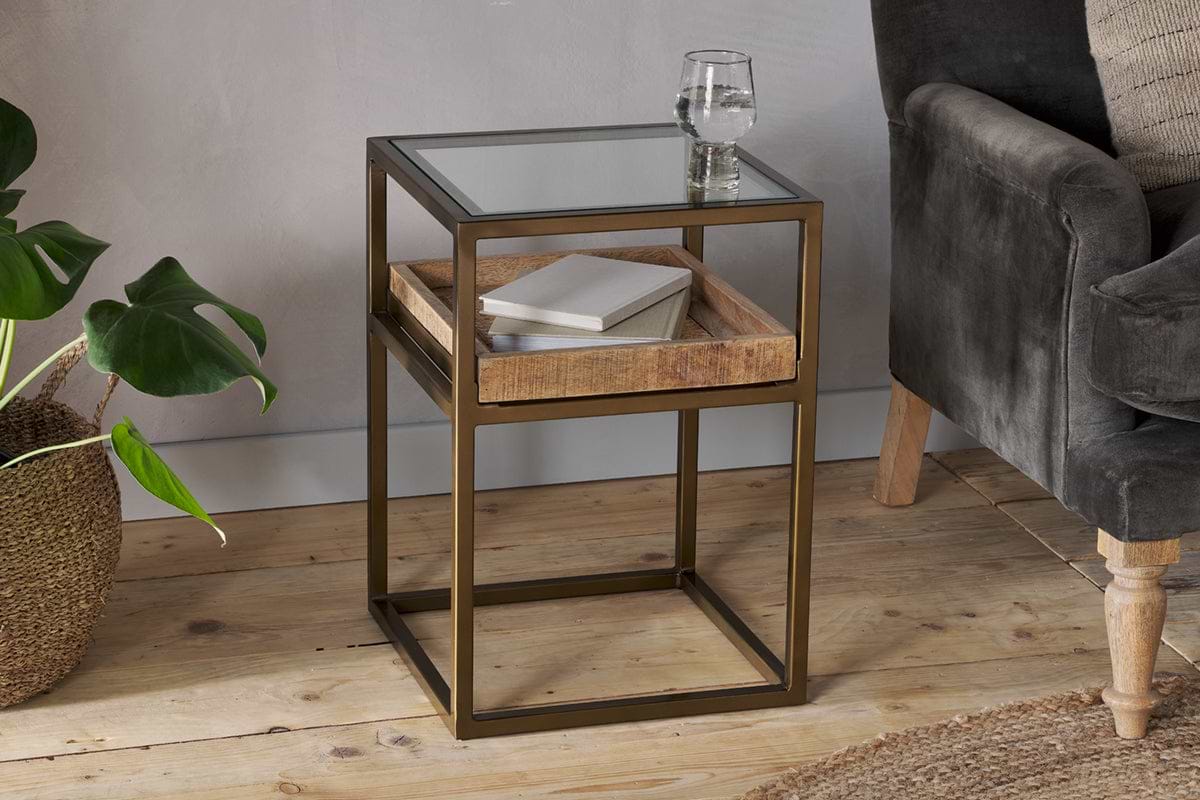
Luzon Side Table
Iron and mango wood with display shelf, small footprint, double function.
View at Nkuku →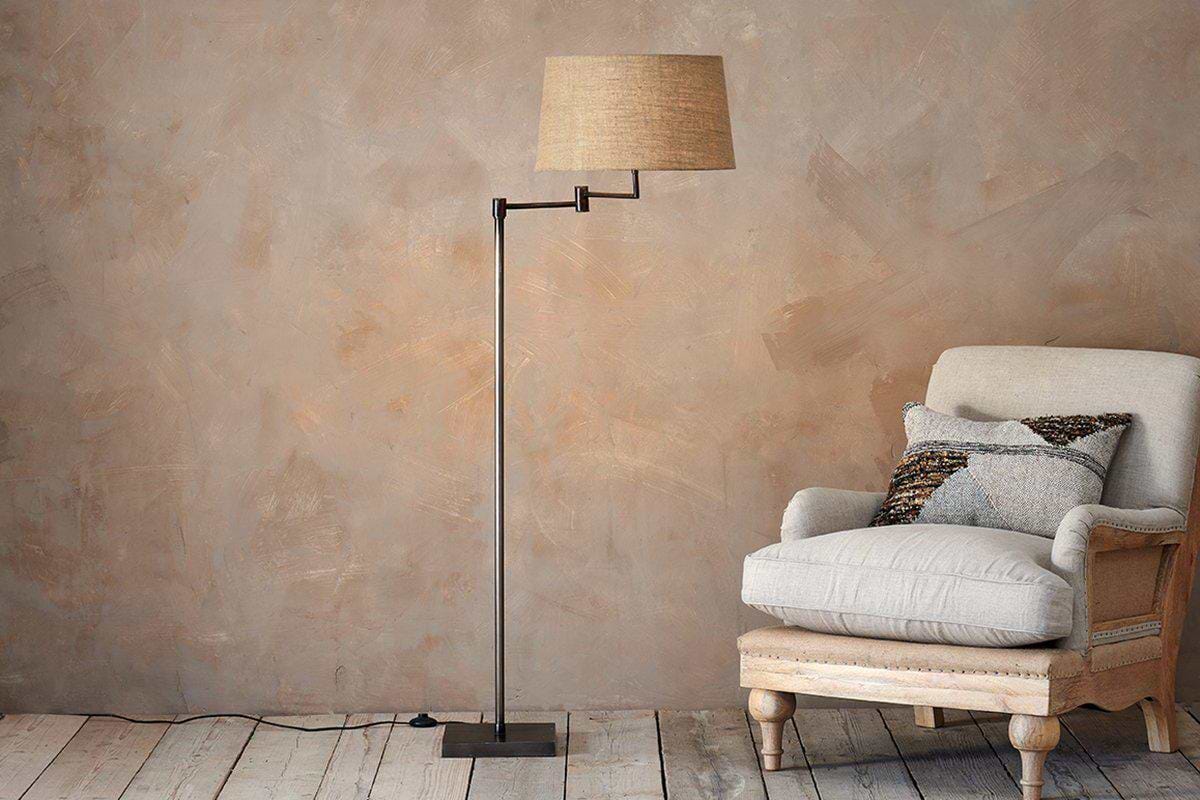
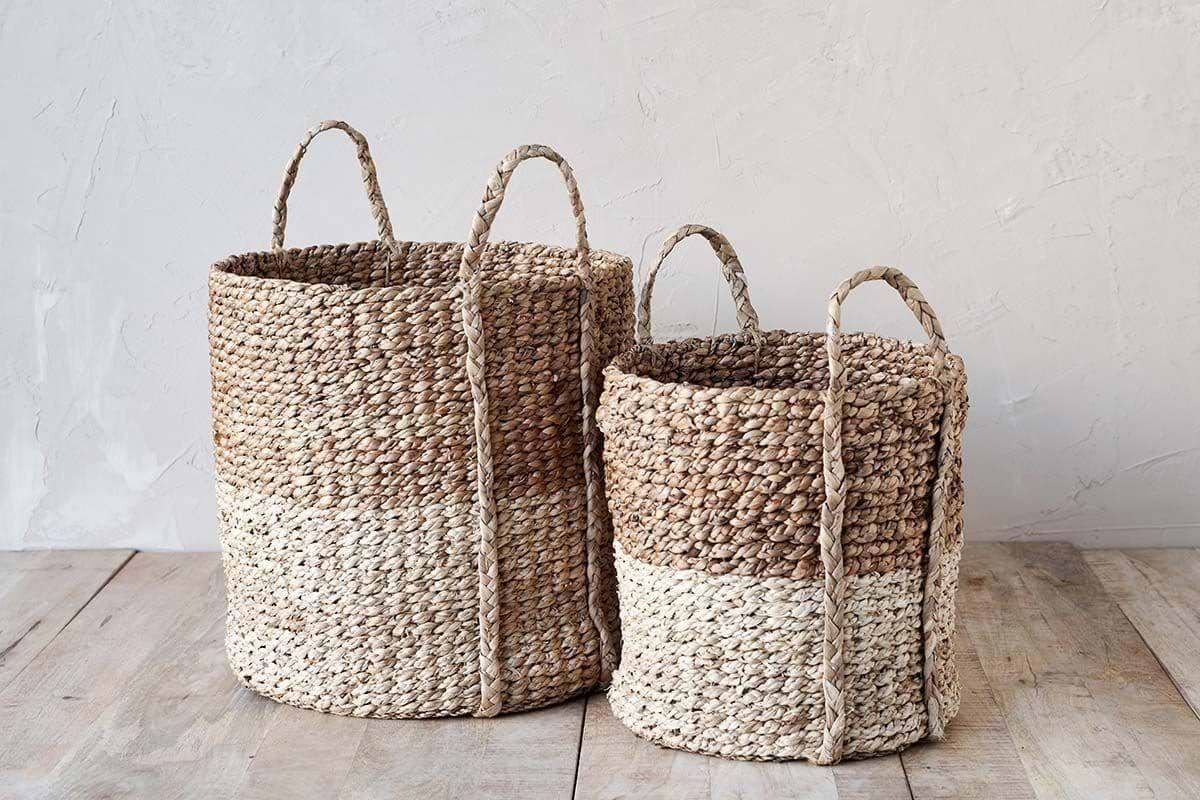
Nkomi Basket
Woven storage with a calm silhouette, works open or tucked under a console.
View at Nkuku →Some links above are affiliate links. If you buy through them we may earn a small commission at no extra cost to you. We only suggest pieces we think fit a calm, lived-in home.
Free guide
The Calm Shelf
12 styling ideas to help you compose calm, balanced shelves in natural texture homes.