

A snug room is a small, quiet space designed for one or two calm activities, such as reading, napping, or a quiet escape, making it distinct from a larger, multi-purpose living room. It works best in an overlooked spot like a box room or corner, where you can define its main use with a simple anchor piece like a chair. To keep it feeling calm, limit the colour palette to two main colours, use soft, indirect lighting, and choose adaptable furniture that can be tucked away, such as a daybed or floor cushions.
A snug room often sits somewhere between practical storage and leftover space. It can start as a low-priority box room, spare nook, or passage landing. Without a clear plan, it ends up feeling either cramped or forgotten, collecting clutter or standing empty, instead of offering daily comfort.
This guide will show you how to give a snug room a concrete purpose with just a few thoughtful design steps. You will see what to pare back and what to anchor, so every small space serves as a calming multipurpose retreat, not as a catchall. This works especially well in a small apartment when natural light is limited because simple textures and a defined focus stop rooms from feeling overfilled.
The short version: A snug room feels intentional and useful when you start with one focal activity and layer in storage and comfort for that purpose. With a clear plan, you turn an awkward or overlooked space into a calm, multipurpose area that works for reading, relaxing, or guests, no matter the size.
Key takeaways
- A snug room should support a main activity and one or two quiet functions, not everything at once.
- The most effective snug corners use furniture that is adaptable or can disappear when not needed.
- Layered textiles and warm, indirect lighting keep a snug feeling comfortable without visual noise.
- A broken-plan layout can define a snug without needing full walls, according to Self Build.
- Most snug ideas recommend limiting the color palette for calm, based on House & Garden.

What is a snug room and how is it different?
A snug room is a small, quiet space designed for one or two calm activities, unlike a living room that serves many people and tasks. A snug is more private, often set apart, and works best when you define its main use from the start.
In the UK, a snug is not another word for lounge, it’s more of a personal retreat. It can be carved out of a spare bedroom, a landing, or part of an open-plan space where you want a break from shared noise. The key is its scale: the snug stays small and feels contained.
The main difference between a snug room and a living room is intent. The living room is built for larger gatherings, TV, play, and passing through; a snug exists for focused comfort, whether that’s reading, napping, or a quiet escape at the end of the day. The best snug ideas start by choosing one job for the space and working out from there.
A snug should not try to copy a living room or squeeze in every spare piece of furniture. Instead, it should narrow the options: soft seating, a small side table, one lamp, maybe a bookshelf, each chosen for the room’s main activity.
A plain box room packed with tone-matching cushions feels more inviting than a large empty corner that tries to serve too many conflicts at once.
Where this works best
A snug room works best in a space that is too small or awkward for regular living, like a small spare room or a corner off the hallway. Most homes have one overlooked spot that could fit a snug with only minor changes.
Box rooms, windowless studies, and corners left at the end of a hallway often sit unused because their shape or size feels limiting. These spaces are perfect for a snug, as long as you don’t expect them to replace larger shared rooms. Even a space under the stairs or beside a landing window can hold a snug, if you keep the furniture simple and the palette soft.
Many people use small rooms as dumping grounds or overflow storage, making them feel busy and off-balance. Instead, remove extra storage boxes and choose a light chair or a floor cushion, so the space encourages sitting, not storing. A room feels different when the main object is a place to pause.
Avoid trying to fit a full sofa, TV, or large wardrobe in a snug; the room will feel heavy, and you lose the sense of retreat. A snug can succeed in the extra bedroom of a rental apartment, or tucked into the far end of an L-shaped living area, without walls, this broken-plan setup lets you separate activities with a rug or curtain instead of a partition, as Self Build confirms. The effect is calm, not crowded, when each zone serves fewer tasks.
How do you pick the right spot for a snug?
Pick a snug location by looking for a quiet, low-traffic area with enough room for basic seating. The best snug is out of sight from the main entrance and away from through-traffic, so it stays restful.
House plans rarely provide a “snug” on the blueprint, so look for any underused space: a bay window alcove, a side area in a shared bedroom, or the corner between kitchen and back door. Noise and disruptions matter. Rooms beside the bathroom or backing onto the kitchen often feel too busy for a real rest zone. When you can close a door or draw a heavy curtain, you add a barrier that turns a leftover corner into a proper retreat.
A broken-plan layout works well, where furniture, shelves, or a simple rug mark out zones instead of full walls. According to Self Build, a snug can fit in even in open-plan homes, as long as the boundaries are visually clear. Soft barriers help the room hold its own when nearby areas get noisy or cluttered.
Compared to a hallway loaded with shoes and bags, a snug at the end of the hall feels less chaotic if you treat the border as a threshold: one seat, one lamp, and no piles of coats overlapping the space.
How can one small room serve more than one purpose?
A snug room can support more than one purpose by using foldable furniture and simple storage, but only if you limit the types of activities to calm uses. Serving three or fewer quiet tasks keeps it from feeling split or chaotic.
If a snug doubles for guests or work, pick furnishings that stow away. A daybed or chair-bed gives you a place to read or nap, but can open for visitors overnight. Shelves with deep baskets mean craft supplies or books tuck out of sight. For a slightly larger snug, House & Garden reports that multi-functional zones work best when the furniture shapes stay small and the color palette stays close-knit for all uses.
One room can handle three jobs, quiet work, reading, and sleeping, if you avoid crowding it with large furniture. A wooden tray keeps tea or notebooks corralled. A soft rug defines the “lounge” corner. By contrast, a snug that tries to serve as both gym and guest room typically ends up feeling neither inviting nor ordered.
Compared to a space lined with deep wardrobes, a snug with only open shelving and a small, covered ottoman feels lighter and more useful for swapping between day and night use.

Styling and placement
The way you style and place objects in a snug room makes the difference between calm and cluttered. Begin with a single anchor piece, like a chair or bench, and limit accents.
Start by centering furniture around the room’s main purpose. If reading is the focus, place a low armchair near any available light, under a window or a lamp. One short set of shelves holds books and one ceramic bowl for keys or bits, rather than stacking multiple storage units. Materials matter: a linen throw over a structured chair adds a relaxed note and softens any firm seat edge, which is why many stylish snug room examples pair smooth wood with touchable textiles.
Avoid spreading small objects throughout the room. Piling scatter cushions on every seat or mixing basket types reads visually messy, instead of inviting. Keep the palette simple: two dominant colors with one accent, so the eye can rest. Anchoring a plant in a wide clay pot on the floor brings life without pulling attention away from the main seating.
A bare table against the wall looks stark, while a small woven mat under one lamp instantly marks out a sitting area from a workspace. Furniture with legs feels lighter than solid block bases; see-through baskets, rather than heavy chests, let the space appear bigger.
Quick calm checklist:
- Choose natural materials first, linen, jute, wood, and ceramic work well.
- Leave space around the main seat, avoid pushing everything against the walls.
- Stay within two main colors plus a subtle accent for textiles or art.
- Pick one focal piece (a chair or floor cushion) and limit extra decor to a single surface.
- Let each corner serve a clear task; no catchall baskets or open sorting piles.
How do you keep layered textures from feeling busy?
To keep textures layered yet calm in a snug room, combine just two or three main surfaces, like soft wool and smooth wood, avoiding too many small or shiny accents. Balance warmth and weight by keeping some empty space between layers.
Layering is not about mixing as many fabrics as possible; it works best with restraint. A deep wool blanket covers the back of a reading chair, while a jute rug underfoot anchors the space. One silk cushion or a chunky knit is plenty if the rest of the surfaces are simple. According to House & Garden, stylish snug rooms achieve comfort by blending textures but limiting pattern, so there’s visual pause between each layer.
A plain wooden bookshelf holds more visual weight than a busy, mirrored coffee table or a glossy metal stand. Keeps textiles mostly matte, the pile of a wool rug or linen curtain soaks up low light, while shiny surfaces create glare and break the sense of rest. This is especially useful in small spaces without natural daylight.
Unlike a living room filled with mixed prints and metallics, a snug needs only one or two tactile pieces to feel soft and comfortable. Keeping the floor mostly clear, with just a low basket or rug, stops the space from feeling busy and makes it easier to switch the room’s function day-to-day.
What kinds of lighting and materials suit a snug?
Use warm, indirect lighting sources and natural materials in a snug room for the most relaxed effect. Soft bulbs and organic textures like wood or linen break up the harshness of small spaces and support daily use.
The best snug rooms use lamps with soft, opaque shades, ceramic or fabric, rather than open bulbs or overhead spots. A single warm LED lamp, aimed at the wall or behind a reading chair, anchors the room’s mood without taking up table space. If there’s only one power outlet, a rechargeable lantern or candle adds gentle, golden light for evening use.
Natural materials absorb light and keep the room from looking “hard.” Linen curtains soften daylight and muffle noise. Wood shelving or end tables lend substance and age gracefully; finishes with a bit of grain or a matte look avoid glare. According to Self Build, choosing lighting and finish is as important as the main furniture when you want a true snug feel.
Compared to a cool, metal floor lamp, a clay-based table lamp gives off softer light and suits rooms that need extra warmth. A snug with only plastic or glass decor often feels colder, so even one woven item, like a footstool or mat, makes a concrete difference in daily comfort.
What tends to hold up with snug room styling
From years spent reviewing both finished spaces and reader questions, one pattern surfaces: snugs that last rely less on trends and more on material feel. Slightly textured finishes like wool or jute stay pleasant through seasons, even when colors go in and out of style. Matte lamps and natural fabrics tend to read softer and avoid glare, especially on days with little daylight. Most advice that comes up from decorators sticks to one principle: let one activity or function anchor the room, and adjust small objects to serve that. Readers rarely regret removing extra seating or clusters of odd objects. Calm comes from doing a bit less, and from repeating pleasant surfaces instead of chasing novelty.
, Mara, Loom & Glow
Common questions
What does ‘snug’ mean in UK slang?
In UK slang, “snug” means a small, private, comfortable room usually set apart from busier living areas. Snugs are meant for quiet rest or reading and are more personal than a public lounge. The word suggests a cosiness that comes from size and intimacy, not from decor alone.
What is the difference between a snug and a living room?
The main difference is a snug is smaller and more private, while a living room serves larger groups and more activities. Snugs are designed for a limited number of calm tasks, like reading or napping, and tend to be single-purpose. Living rooms are multi-use and open to more traffic.
What room is a snug typically in an English house?
A snug is usually found in a small room off the main hallway or as an offshoot to the kitchen or lounge. Some English homes convert unused dining rooms, box rooms, or alcoves into snugs. The essential feature is its separation from the busiest family areas.
What are the essential items to put in a snug room?
The essential snug room items include a comfortable seat, a small side table, a soft throw, and a lamp with warm light. Quiet storage, like a woven basket or compact bookshelf, helps keep the space tidy. Everything added should support the main activity the snug is meant for.
Explore more calm combinations inside our Shop The Look .
Shop the Look
A few Nkuku pieces that anchor a snug, multi-purpose room without clutter.
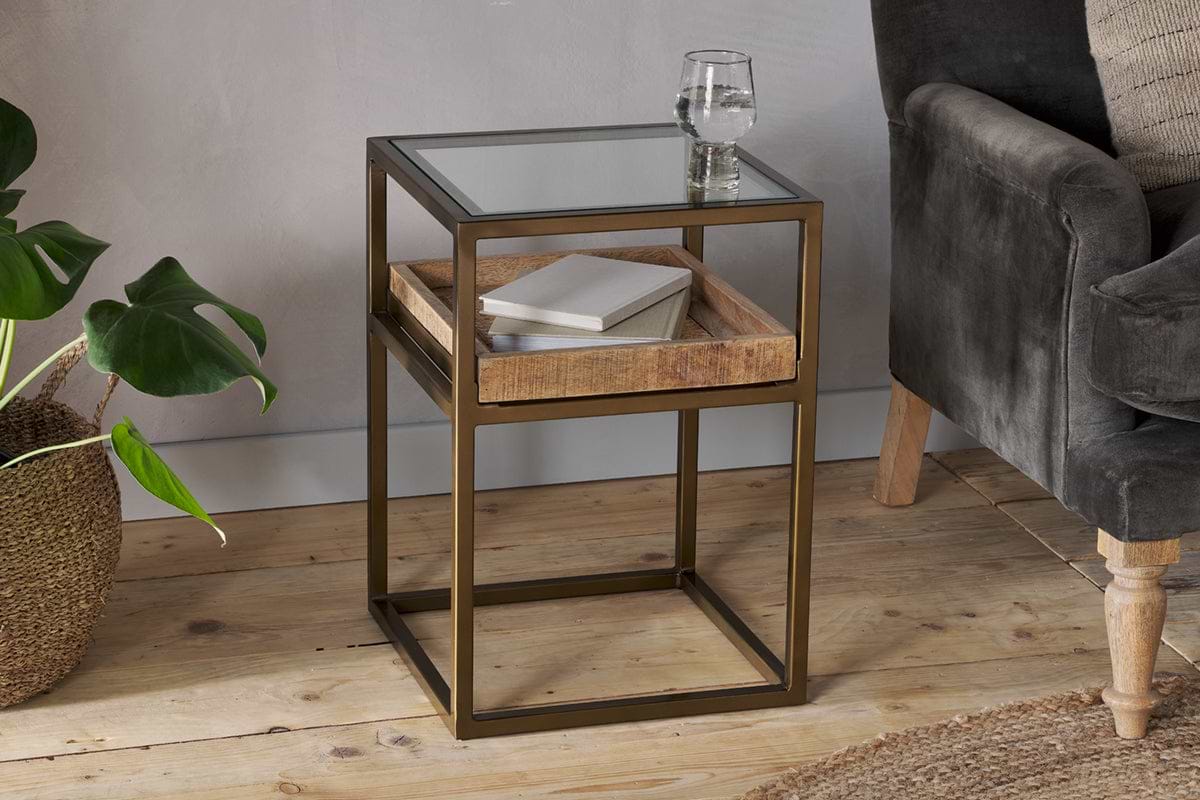
Luzon Side Table
Iron and mango wood with display shelf, small footprint, double function.
View at Nkuku →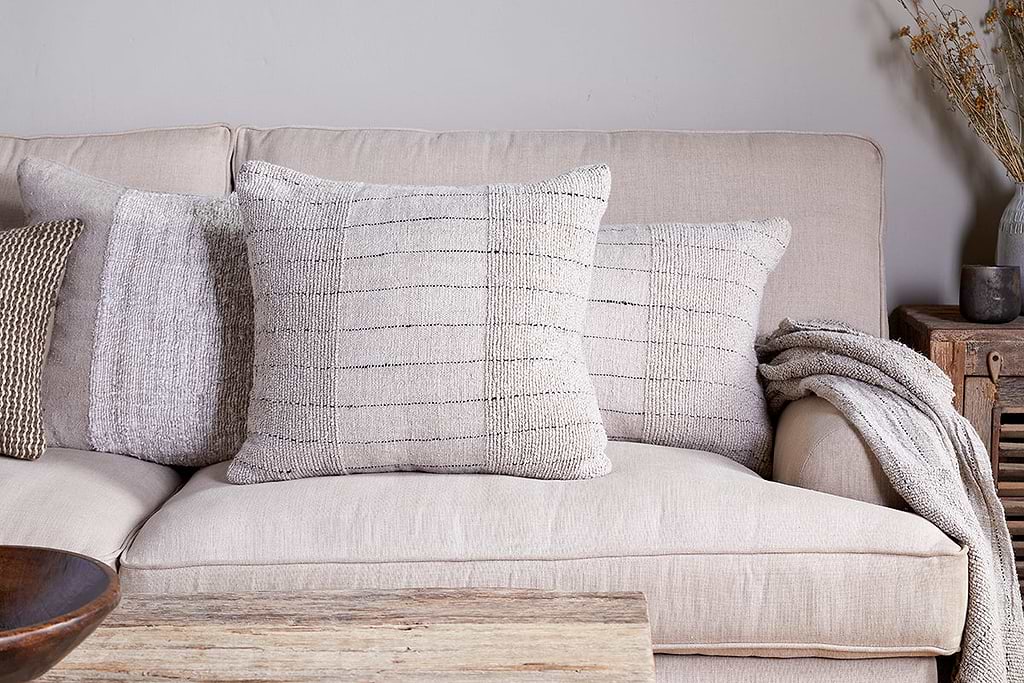
Mayla Cushion Cover
Soft hand-textured cover, instant warmth on linen sofas or chairs.
View at Nkuku →
Some links above are affiliate links. If you buy through them we may earn a small commission at no extra cost to you. We only suggest pieces we think fit a calm, lived-in home.
Free guide
The Calm Leaf
12 quiet ways to bring dried botanicals, stems, and natural textures into calm spaces.