

Living room ideas with dark brown couches can feel overwhelming if the room is small or the light is low, because heavy furniture often draws the eye and adds visual weight. Many homes struggle with keeping these spaces from looking crowded or dim, especially when rental rules limit paint or built-in storage options. One dark sofa in the wrong spot, or styled without a plan, can make the whole room feel off-balance.
Today, you’ll see how to use natural textures and simple color moves to make the space both practical and calm. This works especially well in a small apartment living room when floor area is limited because it makes one dark, anchor piece feel intentional instead of accidental. The result is a space that feels softer and more put together, even when you keep the furniture you already own.
The short version: The best living room ideas with dark brown couches use a short color palette and add natural textures like linen, wood, and jute. Anchoring the space with one deep-toned sofa and a few carefully chosen accents keeps the room looking calm and easy to live with.
Key takeaways
- Selecting 3 to 5 main colors makes a dark brown sofa feel integrated and not overpowering.
- Using texture, such as a linen pillow or woven rug, softens the look of heavy furniture.
- Walls in soft neutral shades balance out dark seating without making the room look washed out.
- Wooden side tables and a jute rug bring warmth to brown furniture, according to Furniture Choice.
- Keeping accessories minimal avoids visual clutter and lets one focal point stand out.

Where this works best
A dark brown couch works best in a bright living room where daylight balances out the depth of the furniture. Placing it where traffic flows naturally prevents the room from feeling blocked off.
A living room with open windows or pale walls handles a dark sofa well, especially if the rest of the space is kept simple. In a shared family area, a brown couch stands up to everyday life without looking grubby like pale upholstery. Good for renters, this setup lets you keep your main piece and work in light accents elsewhere.
Natural light hitting one wall can soften the look of heavy furniture and make the brown feel warm, not gloomy. Adding a soft rug under the sofa keeps the floor from feeling cold, especially if you have wooden or tile floors. A small area with low ceilings feels higher when you anchor seating along the longest wall, leaving room around the edges for air and light to move.
Avoid using dark brown couches in rooms without a window or with dark-painted walls, unless you have extra lighting layered in. Without a clear focal point or enough brightness, the space can feel closed in and less welcoming.
How do you keep a dark brown couch from looking too heavy?
Light-colored throws and cushions in linen or cotton break up the solid block of a dark couch. Bringing in light wood tables or open shelving helps keep the room feeling airy.
In a living room with limited space, one dark square of furniture risks dominating the whole view. If you add two pale cushions and a cream throw, the seat looks softer right away. This keeps the eye from stopping at a single big shape and lets you share the visual load across several objects.
Setting a low, pale wood coffee table in front of a dark couch stops the area from feeling bottom-heavy. Unlike a matching dark wood table, which might blend in and make the whole setup feel chunkier, a lighter surface gives definition and space. Open-legged pieces like rattan or bentwood keep the sight lines clear, so it’s easier to walk through and clean below.
Adding a plant with loose, green leaves beside the armrest draws attention up and counteracts the sofa’s weight. A living room where the rug, curtains, and small accessories all compete in heavy tones can look gloomy fast. Instead, focus on one strong shape, then lighten the load all around it.
What are the best colour schemes for a dark brown sofa?
Picking three to five key colors keeps a brown couch from fighting with the rest of the room. Soft neutrals and earth tones work best for clarity and calm.
Most designers recommend choosing a main color for the walls, letting the dark brown of your sofa be the secondary color, and adding two or three pale or natural accent shades elsewhere in the space. According to Evelyn Lily Interiors, selecting 3 to 5 key colours is the trick behind rooms that don’t look random. A rule of thumb: A color scheme with three related shades is easier to live with than a mix of many unconnected ones.
For a soft look, start with off-white, oatmeal, or stone on the walls, then let the couch add a bit of weight. If you prefer a bit of color, sage green or muted clay make a good backdrop without fighting the brown. Accessories like a jute rug, flax cushions, or a terracotta bowl pull in warmth without shouting.
Compared to a room with several jewel tones or busy prints, a space built on wood, linen, and subtle pattern feels steadier and less rushed. Keeping the same range for larger items, wall, rug, and curtains, lets the brown sofa be a comfortable anchor instead of an outlier.
How does texture make a living room feel calmer?
Layering textures like woven jute, soft linen, and raw wood keeps a dark brown couch from feeling flat or severe. Mixing rough and smooth surfaces draws the eye around the room.
In a living room that feels cold or echoey, hard furniture lines can make it hard to relax. One quick fix: bring in a nubby throw, a wool rug, or a rattan ottoman to break up the sharp edges. A shelf left bare reads colder than one with a single woven basket or clay object.
Introducing texture is a key way to style a brown living room, as Furniture Choice explains. If everything is the same, slick leather, flat paint, shiny side tables, the eye gets tired and the furniture looks heavier than it really is. Texture signals softness and reduces the sense of clutter because it adds depth without crowding the space.
A living room with a jute rug under a dark sofa feels softer underfoot and reads much less stiff than bare floorboards. You don’t need many elements: a basket, a throw, one or two ceramic pieces. Each adds height, warmth, or softness, and the room feels easier on the eyes.

Styling and placement
Placing a dark brown couch opposite the main light source and keeping nearby items simple helps the room feel open. Accessories should lead the eye across the room, not stop it at one spot.
In a long, narrow living room, the biggest risk is stacking all the dark pieces together, which weighs down one side. Instead, put the brown sofa so it faces a window or a light wall, and use a lighter area rug to define the zone. Scattering too many dark wood pieces in the same area makes the setup look busy, but mixing in pale accents keeps things light.
Leaving some floor and wall area clear around the couch stops the space from feeling boxed in. Using a side table in pale wood or a lamp with a linen shade on the far side of the sofa spreads out the darker color, guiding the eye in a natural curve through the room.
Quick calm checklist:
- Choose finishes with visible grain, like oak or ash, and limit gloss.
- Keep at least one wall accessory-free near the sofa to give it space.
- Anchor the dark seat with a textured rug in a pale, natural hue.
- Repeat the same soft neutral shade (eg. linen, jute) in two small places.
- Limit yourself to three accent colors in small decor, not more.
Which natural materials work with brown couches?
Wood, linen, cotton, jute, and rattan pair well with dark brown sofas because they add subtle pattern and soften strong shapes. Earthenware and lived-in metals introduce quiet contrast without making the room busy.
A room anchored by a leather or heavy fabric brown sofa benefits from accents that show natural fiber or grain. For example, a slim oak table, a chunky jute rug, and an unpolished clay vessel each help the eye rest without adding harsh lines. Most woven baskets resist stains and can be moved as storage or decor as the room changes.
Warming up a brown living room with lots of wood is a recommended approach, as Furniture Choice notes, because wood absorbs and reflects light gently. Metal works if it’s brushed or matte, shiny chrome looks more clinical and can fight the warmth of brown. A simple wool or cotton throw helps, especially if the rest of the scheme feels flat.
Unlike plastic or gloss, real natural materials wear well over time and show less dust and marks, making them useful for shared and high-traffic rooms. Place a pale wood stool beside the couch, tuck a linen cushion in the corner, and the scene softens right away.
What should you avoid with dark brown couches?
Avoid cramming the room with too many bright accents or competing focal points, which make a deep sofa feel out of place. Skip glossy finishes nearby and repeat restraint in both color and shape.
A busy living room, piled with patterned cushions, saturated plastics, or multiple competing art pieces, will make a dark brown couch look less at home. Too many color accents or fussy details break up the view, creating a restless or crowded impression. Stick with no more than three main supporting colors, letting brown sit with softer, quieter shades.
Unlike soft neutrals, pure white on all the walls can feel stark against dark brown and may make the furniture look even heavier. A deep, jewel-toned wall works only in large, super-bright rooms, and often turns muddy in northern light. Shiny lacquer or metallic accessories reflect and scatter light, which pulls the eye away from the sofa itself.
Keeping things minimal means saying no to several accent chairs or bold gallery walls in a small space. Add just one or two supporting pieces, then give the couch breathing space, this lets each element look deliberate rather than squeezed in.
Most people sense something is off as soon as the room feels visually busy or nothing seems to “belong” together. Maybe the space looks heavy around the sofa or side tables get piled up, yet the solution isn’t always obvious. That unsettled feeling usually comes from too many unrelated colors and shapes fighting for attention around a single dark focal piece.
The simple, practical shift: set one main color story and anchor the brown sofa with a few calming, natural textures nearby. This makes everything feel pulled together, no matter your room size or style constraints.
Many homes run into a cluttered or unfinished look because every piece competes for attention, or accessories spread dark and light randomly around the room. Layers pile up, the palette scatters, and the result looks busy or disconnected. Overloaded surfaces and contrasting colors push the dark sofa even further out of step, making the room hard to settle down in.
When you strip back to one strong anchor, repeat only a handful of colors and textures, and leave breathing space, the room calms down fast.
Save this idea for later.
Keeping a dark brown couch calm and grounded
Rooms that age well with a dark brown couch usually stick to two key moves: a small number of color families, and at least one substantial natural texture. Most reader questions revolve around what wall color or accessories to pair, but reviewers and designers agree, limiting the palette and letting the couch lead brings the best result.
Matte finishes on tables or planters get recommended again and again because they don’t compete with the depth of a dark sofa. By contrast, glossy or fussy accessories tend to date quickly. Texture lasts because it feels good and wears in over time, from a jute rug’s warming touch to the cool of natural linen in summer.
Mara, Loom & Glow
Common questions
What wall colours go best with a dark brown couch?
Soft off-white, light stone, pale taupe, sage green, and muted clay are the best wall colors for a dark brown couch. These shades provide contrast but don’t fight the deep tone of the sofa. Warm neutrals or gentle green tones add life to the space without overpowering the main furniture.
What is the 2/3 rule for furniture and accessory placement?
The 2/3 rule means keeping about two-thirds of a surface or wall clear and using the remaining third for display or furniture. This technique makes a room feel less crowded and ensures each main piece, like a sofa or a piece of art, gets noticed without feeling lost.
What colour schemes would look good in a living room with a dark brown sofa?
The most balanced schemes use soft neutrals, warm whites, gentle greens, and touches of earth or clay alongside the brown sofa. Limiting the palette to three to five main shades keeps the space cohesive, according to Evelyn Lily Interiors. This approach creates a steady and lasting look for everyday living rooms.
What wall colors go with a brown couch?
Wall colors that pair well with a brown couch are off-whites, warm beige, sage green, and light grays. These colors bring brightness while allowing the couch to feel steady. They work in both small rentals and larger open spaces, without the risk of visual overload.
Explore more calm combinations inside our Shop The Look .
Shop the Look
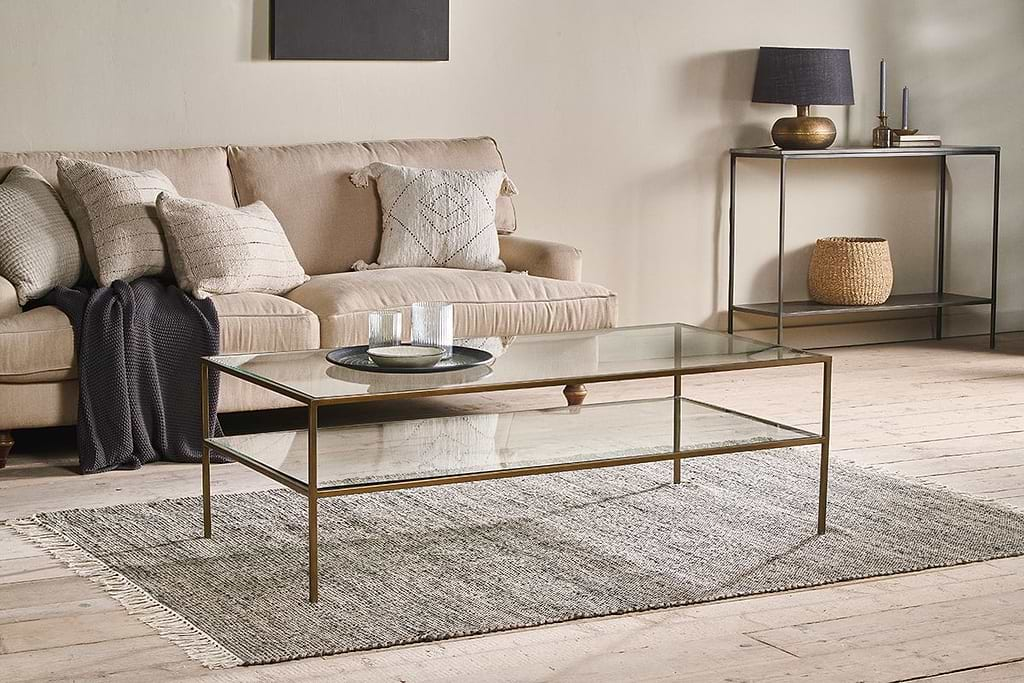
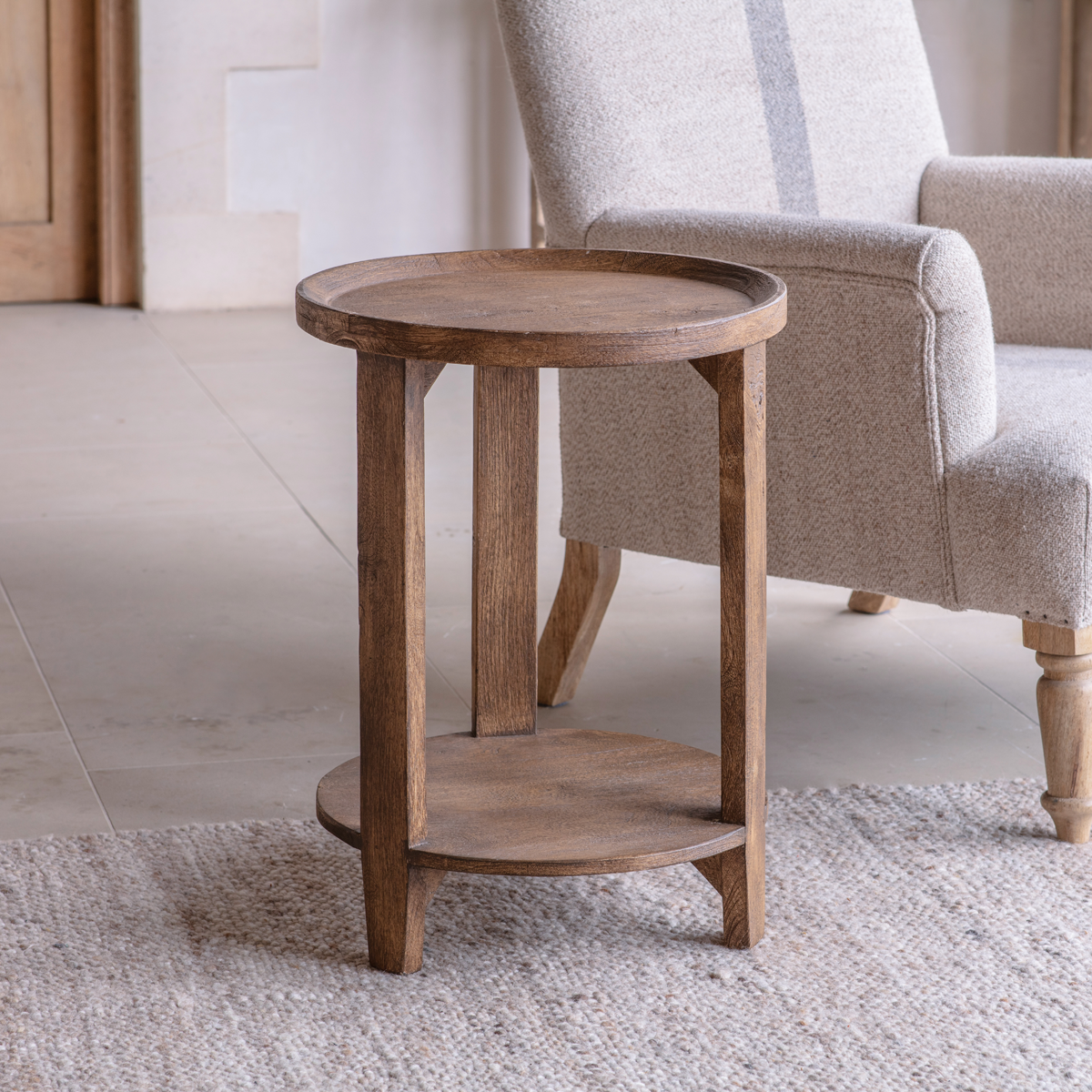
A few Nkuku pieces that sit naturally with a dark brown sofa.
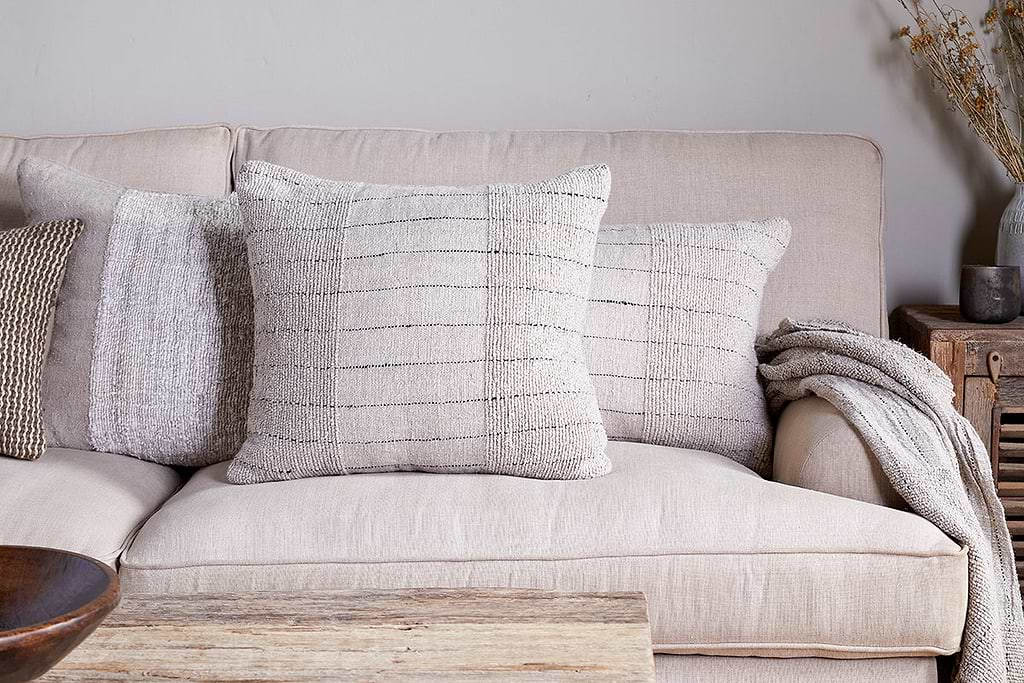
Mayla Cushion Cover
Soft hand-textured cover, instant warmth on linen sofas or chairs.
View at Nkuku →Some links above are affiliate links. If you buy through them we may earn a small commission at no extra cost to you. We only suggest pieces we think fit a calm, lived-in home.
Free guide
The Calm Shelf
12 styling ideas to help you compose calm, balanced shelves in natural texture homes.