
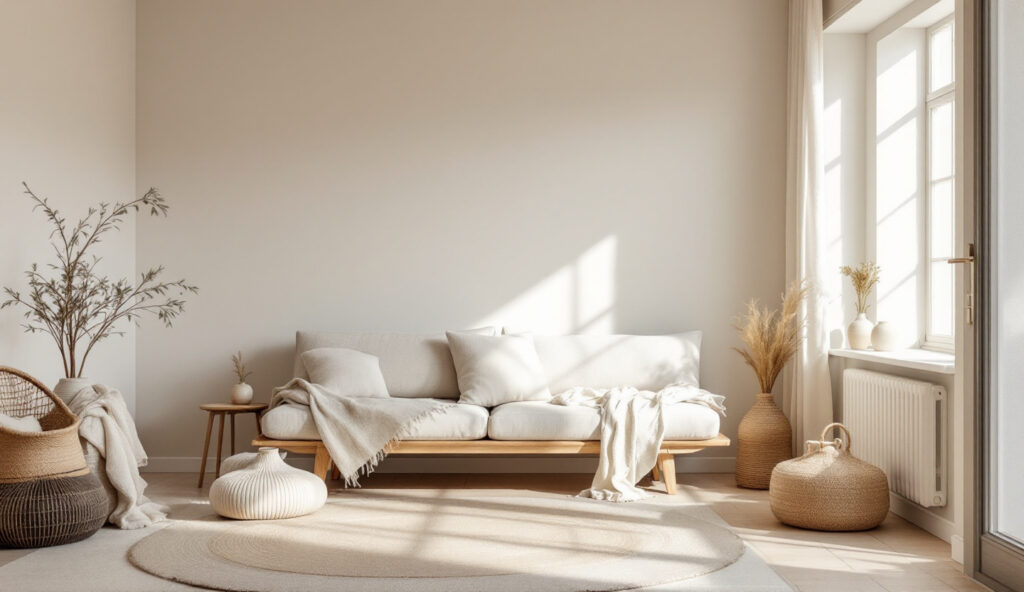
Clutter happens fast when you add objects just for the sake of decorating. Many homes fill up with unique home decor accessories that feel special in the shop but look busy at home, making a room feel messy instead of inviting. Open-plan layouts, narrow shelves, or shared living and dining areas often end up with scattered items that don’t belong together.
Simple, practical changes can keep character and calm in balance. Today you’ll learn how to edit, place, and select unique pieces so your space feels personal but not overloaded. This works especially well in a small sitting room when shelving is limited because it gives each object room to breathe.
The short version: To add personality without clutter, use unique home decor accessories as quiet focal points, giving each one space around it. Choosing quality pieces and spacing them well changes a cluttered room into one that feels intentional, soft, and easy to live with.
Key takeaways
- Unique home decor accessories work best spaced out, with empty space between each item.
- Wall art, candle holders, and planters add interest when placed where the eye rests naturally.
- Natural textures like woven, glass, or clay objects soften hard modern surfaces and break up straight lines.
- Independent makers and ethical brands often offer simple, long-lasting decor in limited runs.
- Most designers recommend keeping about two-thirds of any shelf surface clear for a calm look.
- The problem with random accessories in calm spaces
- Where this works best
- How do you avoid turning personality pieces into clutter?
- Five unique accessories that solve common styling problems
- Styling and placement
- What makes a shelf or console feel calm, not crowded?
- Where to find unique home decor accessories (UK)

The problem with random accessories in calm spaces
Random decorative objects in calm, natural-material rooms often make spaces feel busy and disconnected, not personal or restful.
Living rooms with clean lines quickly lose their calm when you pile on accessories that don’t relate to each other. Bringing home a patterned vase, a bright cushion, and a pile of small trinkets might seem like adding character, but the space feels restless instead of complete.
A clean sideboard with one sculptural ceramic bowl pulls focus in a good way. Add a metal clock, a striped photo frame, and mismatched candle holders, and you get what experts call “visual noise.” Noise here just means the room is always distracting the eye, giving nowhere to settle.
This happens most often in new builds, rentals, and open-plan homes, where well-meant shopping trips end with too many surfaces covered. A bare shelf reads colder than one with a single woven basket, but a mixed bag of objects makes the shelf feel like storage, not a choice. A room feels most peaceful when each object relates in material or palette, so nothing sticks out or clashes.
Try adding fewer pieces with more texture or clear lines. One heavy clay bowl on a wood table is enough. Keep two-thirds of any open surface clear. This makes the whole room feel lighter and more open.
Where this works best
Placing unique home decor accessories works best in high-traffic or awkward spots that need visual interest but can’t handle clutter.
Small flats, rental homes, and open-plan rooms benefit most from careful accessory choice. In places where storage is short or the layout is tricky, you need to pick objects with a reason to be there, like a tall vase in an empty corner or a single wall hanging behind a sofa that sits away from the wall.
In a kitchen with little counter space, try one pretty storage jar or a quirky kitchen timer rather than a collection of unused gadgets. Entryways work with a single bold mirror or a chunky ceramic tray for keys. These rooms get touched a lot, so fewer but more substantial accessories work best.
Avoid spreading lots of small, unrelated items across every surface. For example, lining up trinket dishes, mismatched candle holders, and multiple baskets in a row breaks the flow and pulls the eye everywhere at once. Instead, group similar materials and leave stretches of bare surface.
Try placing a carved wooden bowl on an entrance console for both style and function. It makes a practical spot for keys in a busy household and is heavy enough to stay put.
How do you avoid turning personality pieces into clutter?
Personality pieces avoid clutter when you limit objects per surface and let space surround each one.
Most rooms end up crowded because it’s easier to keep adding small things than to edit them down. The fix is to set a limit, like one unique home decor accessory per shelf or tabletop, with plenty of air around it. TK Maxx suggests this “one-per-surface” rule for character and calm throughout the home (source).
Living rooms with multiple surfaces are the first to look cluttered. Start small: remove everything, then add back just your favourite object, a sculptural vase, a hand-thrown bowl, a single glass candle holder. Suddenly, each object feels special, not lost.
Compared to crowded displays, grouped objects that share a colour or texture give a sense of order. Using the same glass or woven material repeats a visual rhythm. Place a textured glass vase on a living room shelf and let the light hit it from the side for soft reflections.
The real benefit here is headspace: fewer objects make daily cleaning and tidying much easier, especially in rooms that work hard for the whole family.
Five unique accessories that solve common styling problems
Some accessories, like woven wall hangings, sculptural ceramics, large glass vases, chunky trays, and freeform candle holders, fix both blank spots and clutter.
Every home has a few stubborn gaps: a blank wall, an empty console, a corner that feels cold. If you find yourself filling these with lots of small objects, try one larger piece in a natural material. For blank walls above a sofa, a woven wall hanging adds texture and fills space without extra furniture. On open shelving, a heavy stoneware planter pulls the eye and breaks up books or stacked boxes.
Entryways often need places to drop keys and post. Instead of a pile of little baskets, try a chunky tray with a broad rim. Kitchens love a single, wide-mouth storage jar out on the counter, which catches dry snacks or utensils without looking like clutter.
A bedroom always benefits from a large hand-built ceramic bowl or a neutral home decor catch-all on the dresser. These “statement-but-simple” accessories are big enough to fill space, but their material keeps things soft, nothing glossy or jarringly bright.
Most homes buy eclectic accessories, but the pieces that really last are natural, tactile, and easy to move around. A glass vase can go from table to windowsill year after year.

Styling and placement
Styling works best when each accessory has a clear space, similar textures repeat, and the background stays neutral or natural.
Think about what sits next to your unique home decor accessories: wood, linen, or white walls let other textures sing. A heavy black lamp can drown out a delicate ceramic, while a woven basket shines on a white or oak shelf. A shelf left mostly empty with a single bookend or wooden home decor piece adds weight without clutter.
Tabletops in sitting rooms do best with no more than one accessory at the centre (a tray, a candle holder, a bowl). Unlike clustered displays, a single item on a coffee table reads as calm, especially when paired with soft materials or books underneath. In bedrooms, put one trinket dish or small mirror on a dresser and remove the rest.
A quick way to check if your placement works: stand back and see if the surface reads simple and open, with a piece that pulls your eye but stops short of feeling busy.
Quick calm checklist:
- Choose no more than one accessory for each small surface or shelf.
- Repeat materials: pair woven with linen, clay with glass, never all at once.
- Keep the palette simple: pale, natural, or muted colours stand out on plain backgrounds.
- Leave two-thirds of bookcases or open shelves empty, store the rest elsewhere.
- Place one heavier item per grouping for balance (for example, a large planter or bowl with small, light dishes).
To see this in practice, pair a clay vase with soft curtains in the living room, spacing them apart so each works on its own.
What makes a shelf or console feel calm, not crowded?
A shelf or console stays calm when most of its surface is clear, with only one textured or sculptural piece acting as a quiet anchor.
Open shelves in rented flats get cluttered quickly, especially above radiators or in alcoves. Most designers say to keep about two-thirds of a shelf free and use just one object with weight or texture as an anchor; for example, a ceramic vase with rough texture or a hand-carved bowl.
Unlike surfaces loaded with scattered trinkets and scented candles, a single, good-sized object draws the eye and hides minor dust or flaws in the wall behind it. Texture changes how light works in a room. A matte finish glass vase diffuses light, while glossy vases can catch glare and distract. Matte finishes get recommended again and again for shelves near windows, because they don’t catch glare the way a glossy tray does.
If your shelf is deep, arrange the main object off-centre, then balance space with a stack of three books placed flat. Let everything else stay packed away.
| Material | Effect | Best Use |
|---|---|---|
| Woven basket | Adds warmth and hides clutter | Open shelves, consoles |
| Sculptural ceramic | Draws focus, softens straight lines | Entry table, bedroom chest |
| Textured glass vase | Catches natural light softly | Window sills, dining tables |
For families or anyone who entertains often, clear, open surfaces speed up tidying and keep your calm look even on busy days.
Where to find unique home decor accessories (UK)
The best unique home decor accessories in the UK often come from small designers, curated shops, and ethical brands rather than the high street.
Online shops and independent makers have become the go-to for characterful homeware that isn’t mass-market. Places like The Den & Now sell textured stoneware vases and one-off pieces in calm colours, while Melody Maison categorises home decor accessories into wall art, trays, planters, and shelves, making it easy to shop by what a room needs.
Independent markets also let you discover hand-woven wall hangings, small-batch candle holders, and hand-blown glass. Graham and Green features limited-run designer homeware, and Pretty Little Home describes its decor as “simple, elegant, and made to last” (source).
Unlike big-box stores, these smaller shops focus on sustainable materials, like clay, wood, rattan, or recycled glass, that stay looking good through years of use. Most also keep a smaller palette, so it’s easier to keep a room’s look consistent from season to season.
This is where collectors and stylists often find meaningful accessories: vases in two colour options, block-printed wall art, or extra-thick linen throws. Pick an object that feels good in your hand or offers a small detail that makes you smile every day.
What tends to hold up with choosing unique accessories
What stands out over time is how natural materials, like hand-thrown ceramics or chunky woven baskets, age well and feel substantial even in a small flat. Reviewers consistently mention that a matte or dull finish calms bright rooms, and decorators often suggest leaving at least half a shelf or tabletop clear, so each piece stands out on its own.
It’s also worth noticing how often accessories made by UK independent makers receive comments about lasting longer and looking less dated than high-street trendy items. Texture, weight, and a simple colour palette turn small rooms from rushed and awkward to restful and personal, with almost no effort once the right objects are chosen.
, Mara, Loom & Glow
Common questions
What are some quirky home accessories I can buy?
Quirky home accessories include sculptural candle holders, hand-thrown mugs, playful bookends, woven animal planters, and bold wall hooks. Many designers recommend these small, distinctive pieces to add quiet fun to minimalist or natural-material rooms. Look for objects with an unusual shape or a surprising texture.
What is the 3-5-7 rule in interior design and how does it apply to accessories?
The 3-5-7 rule in interior design means grouping things in odd numbers feels more balanced and natural to the eye. For accessories, cluster three or five objects of different heights but similar tones on a shelf or console. This prevents stiffness or clutter, keeping displays readable and calm.
What are some cool house accessories that add character?
Cool house accessories that add character include organic-shaped vases, chunky glass candle holders, woven wall hangings, unique planters, and textured storage jars. These work best when they stand alone or in small groups, with space left around each to avoid visual clutter.
What are some unique home decor items I can buy from independent makers?
Unique home decor items from independent makers include hand-printed wall art, handmade trinket dishes, raw-edge wooden trays, and sculptural clay objects. Independent makers often focus on detail, texture, and longevity, making each piece feel special, and more personal than mass-market options.
Explore more calm combinations inside our Shop The Look .
Shop the Look
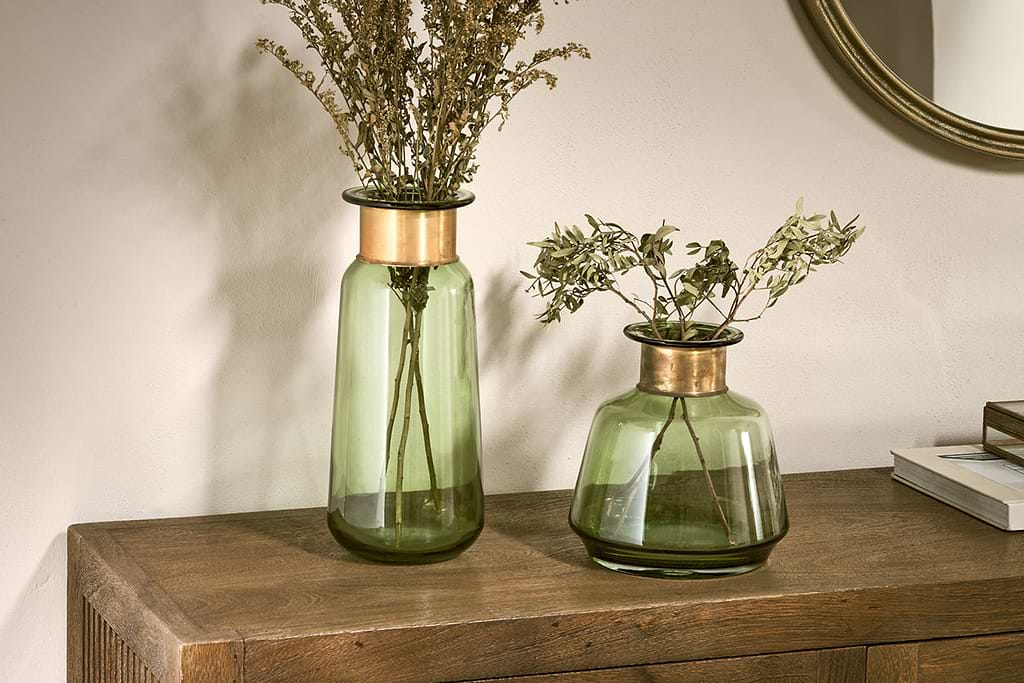
A handful of accessories that bring texture and soft light without adding visual noise.
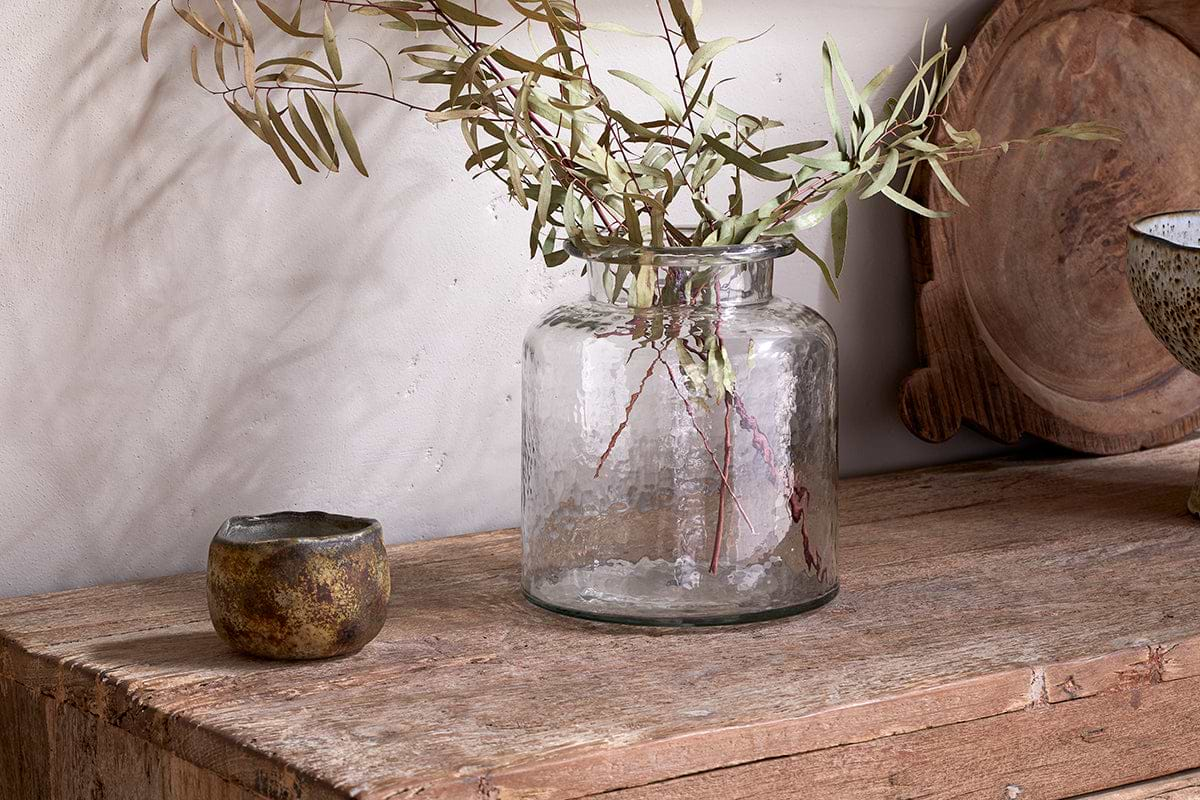
Akra Recycled Glass Vase
Clear cylindrical glass, pairs with stems or sits empty as a quiet accent.
View at Nkuku →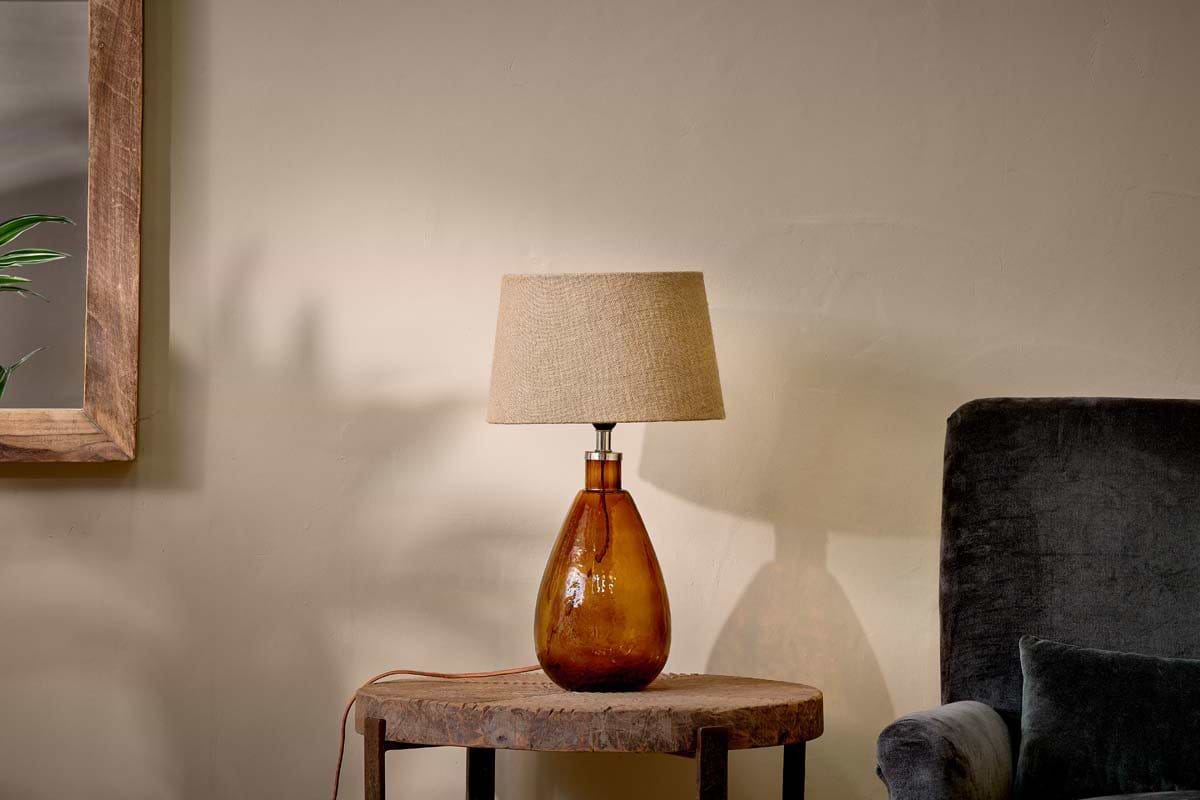
Some links above are affiliate links. If you buy through them we may earn a small commission at no extra cost to you. We only suggest pieces we think fit a calm, lived-in home.
Free guide
The Calm Shelf
12 styling ideas to help you compose calm, balanced shelves in natural texture homes.