

In many homes, clutter and awkward layouts make it a challenge to mix different natural textures. Limited storage or a rental space often forces compromises that lead to visual chaos. This works especially well in a living room when space is limited because a calm palette balances focus.
Today, you can simplify your texture choices to create a more unified look. The following guide shows how to choose and layer materials to build a gentle, structured atmosphere.
The short version: This article explains a step-by-step approach to mix natural textures like jute, linen, and rattan into a calm, orderly setting that eases daily clutter and creates a soothing visual hierarchy.

Layering Textures for Balance
Layer textures by pairing soft linens with structured jute items. A mix of these natural materials creates a gentle, balanced look.
The living room often features a mix of heavy curtains with lighter cotton cushions. A simple jute rug under a wooden coffee table can harmonize the space and curb visual clutter. A jute basket softens the hard line of a wood table, making the room feel more welcoming.
In a small apartment, details like a woven basket on a shelf add warmth. For instance, in one room, a layered setup using subtle fabrics and natural fibers evoked a friendly atmosphere. A bare shelf reads colder than one with a single woven basket; for more ideas on balancing layers, explore Layered neutrals building depth in a minimal living room 3 and consider placing these items near your seating area.
Styling and placement
Thoughtful styling and placement refine your natural decor. A well-arranged display of select items directs the eye and preserves calm.
A dining area with various decor pieces can quickly feel busy. Clutter on a central table may distract from the room’s overall simplicity. A single vase or woven bowl brightens an otherwise monotonous setting.
Quick calm checklist:
- Group small, natural items together
- Keep spacing even and intentional
- Balance light fabrics with wooden elements
The result is a space where the elements breathe, and an overfilled table feels heavier than one with a few well-chosen accessories. Spacing out decorative pieces lightens the visual load, creating a more intentional setup.
Embracing Natural Material Home Decor
Using natural material home decor allows warmth to join modern minimalism. Carefully selected textures help maintain a light and organized area.
A bookshelf filled with mixed wood and fabric details often feels more connected when the choices are pared down. A wooden frame with a cotton cushion, for example, grounds the design in comfort. In a bright hallway, unifying different textures brings a sense of continuity.
One shelf with too many colors can confuse the eye. A colorful, mismatched shelf reads colder than one with a soft neutral tone, and limiting the number of patterns creates a relaxed space. Discover further details in Textured corners styling small spaces with big calm to better merge materials.
Choosing a Focal Natural Element
A singular focal natural element can unify a room. A standout vase or piece of reclaimed wood anchors the decor effortlessly.
A dining table in a modest home may feature many competing items, so selecting one eye-catching object brings order. A chosen piece, like a well-crafted clay bowl or even something like the Ngolo Recycled Glass Vase – Aged Smoke idea, draws attention without overwhelming the space. This approach draws the eye, inviting a calm review of overall design.
When a table centerpiece is uniquely textured, it can define the style without extra embellishments. A plain table feels emptier than one with a unique textured centerpiece, and having a reliable focus point streamlines the composition. Read about warm contrasts in Warm natural textures for low light rooms making a space feel softer for further inspiration.

Where this works best
This method suits spaces with limited room and several natural accents best. Prioritizing one area creates a harmonious and inviting setting.
Many rental living rooms with low light and few storage options benefit from layering a few well-chosen textures. Combining jute rugs, linen throw pillows, and a rattan chair helps each element stand out. Rooms with mixed textures can easily lose their focus without a clear arrangement.
Avoid over-crowding a room with too many patterns that compete for attention. A cluttered counter reads colder than one with a single woven basket, and using fewer textures reduces visual overwhelm. Learn more about natural design in Natural textures interior design the calm contrast method smooth tactile to achieve a balanced effect.
Integrating Woven and Organic Elements
By combining woven and organic pieces, you create a tactile and warm atmosphere. Focusing on a limited color and texture palette helps keep the space cohesive.
In a bedroom, woven baskets next to organic cotton throws can soften a stark dresser or a bare wall. A neutral home decor palette helps these organic details stand out rather than overwhelm your space. Textured throws against smooth wooden surfaces enhance the room’s simplicity.
A mismatched set of accessories can weaken this effect. An overused fabric looks rougher than just the right mix of woven details, and limiting contrasts prevents visual clashes. For pairing ideas, check out Wood glass and soft metals natural texture pairings that feel light, ensuring that each piece contributes to a soothing environment.
Creating a Slow Living Decor
Slow living decor values a careful selection of natural textures. Using a few deliberate pieces ensures the space remains peaceful and measured.
A small study with simple lines benefits from items such as linen cushions, a modest jute rug, and a rattan storage box. The understated selection makes the room feel lived-in yet uncluttered. The careful choice transforms busy areas into quiet, reflective corners.
A room with too many bright accents may feel overwhelming compared to a space with subdued tones. Reducing unnecessary decor helps maintain a slow living decor that soothes daily routines, and each natural piece ties together the broader vision.
At one point, while rearranging a shelf, a homeowner notices that the textures clash and the room suddenly feels heavy. The colors seem to compete rather than complement, and it becomes clear that something is off. This realization sparks the decision to narrow down the texture choices.
A common mistake is using too many competing textures in the same room. The room feels busy and the design loses its calm focus. Often homeowners overlook the need for a clear texture hierarchy.
Correcting this gives a room a light, inviting feel.
Save this idea for later.
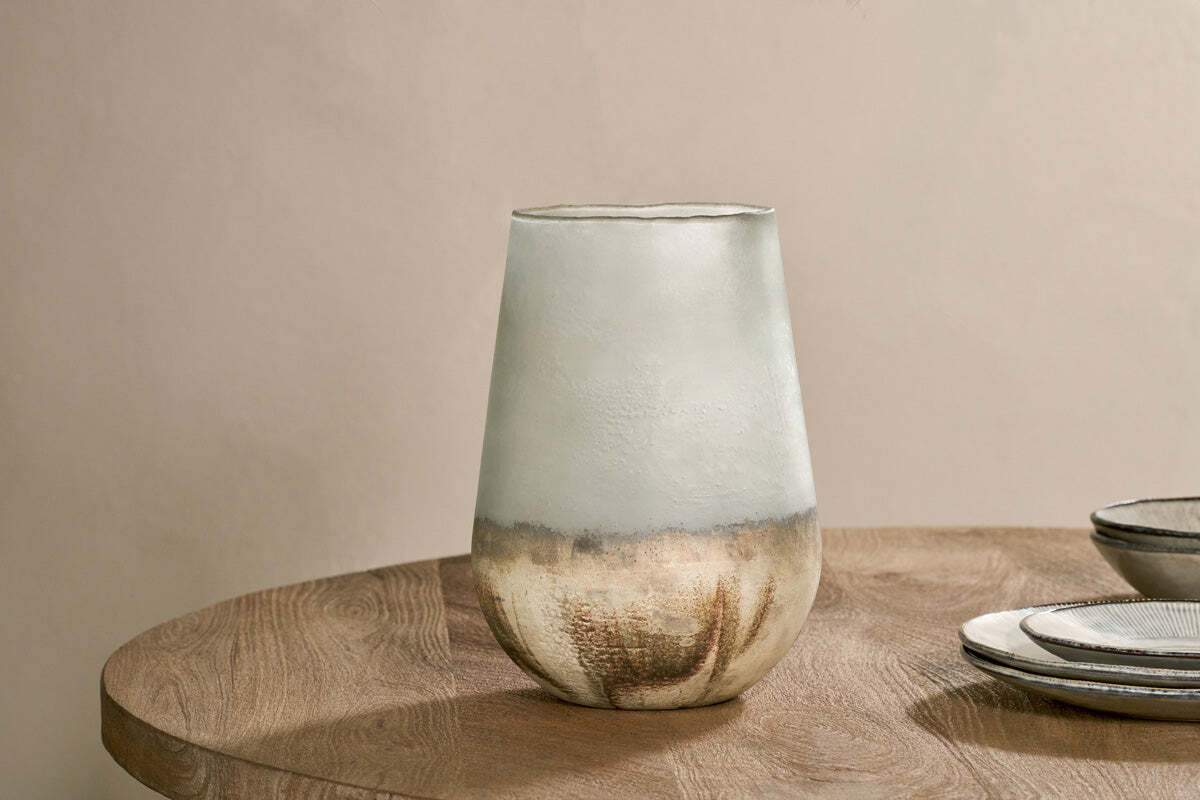
Ngolo Recycled Glass Vase – Aged Smoke
adds quiet structure and warmth while keeping the room balanced.
What I’ve come to know about working with natural textures
I have found that focusing on one or two key textures rather than layering every available option makes a significant difference. Working with natural textures requires patience and a clear idea of what each element contributes to your space. Over time, I have learned that less is often more when it comes to creating a soothing environment.
The process is gradual, and each change brings a noticeable improvement. Sometimes, the simplest update, like adding a woven basket or choosing a muted linen throw, can shift the balance of an entire room. These small decisions add up to a space that feels both warm and intentional.
— Mara
Common questions
How do I layer natural textures for a calm look?
Layer textures by pairing soft linens with structured jute items. A mix of these natural materials creates a gentle, balanced look.
What’s the benefit of using a focal natural element?
A singular focal natural element can unify a room. A standout vase or piece of reclaimed wood anchors the decor effortlessly.
What’s the difference between a cluttered and minimal neutral palette?
A cluttered counter reads colder than one with a single woven basket, and using fewer textures reduces visual overwhelm.
Explore more calm combinations inside our Shop The Look .
Shop the Look
Pieces in natural tones and glass that hold a calm palette without competing.
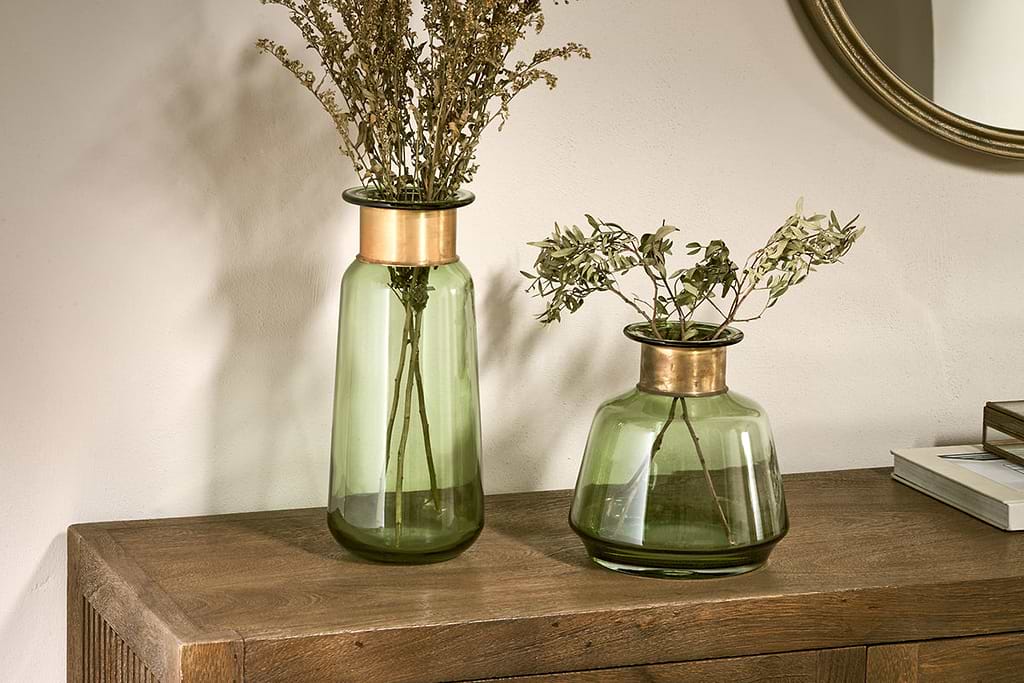
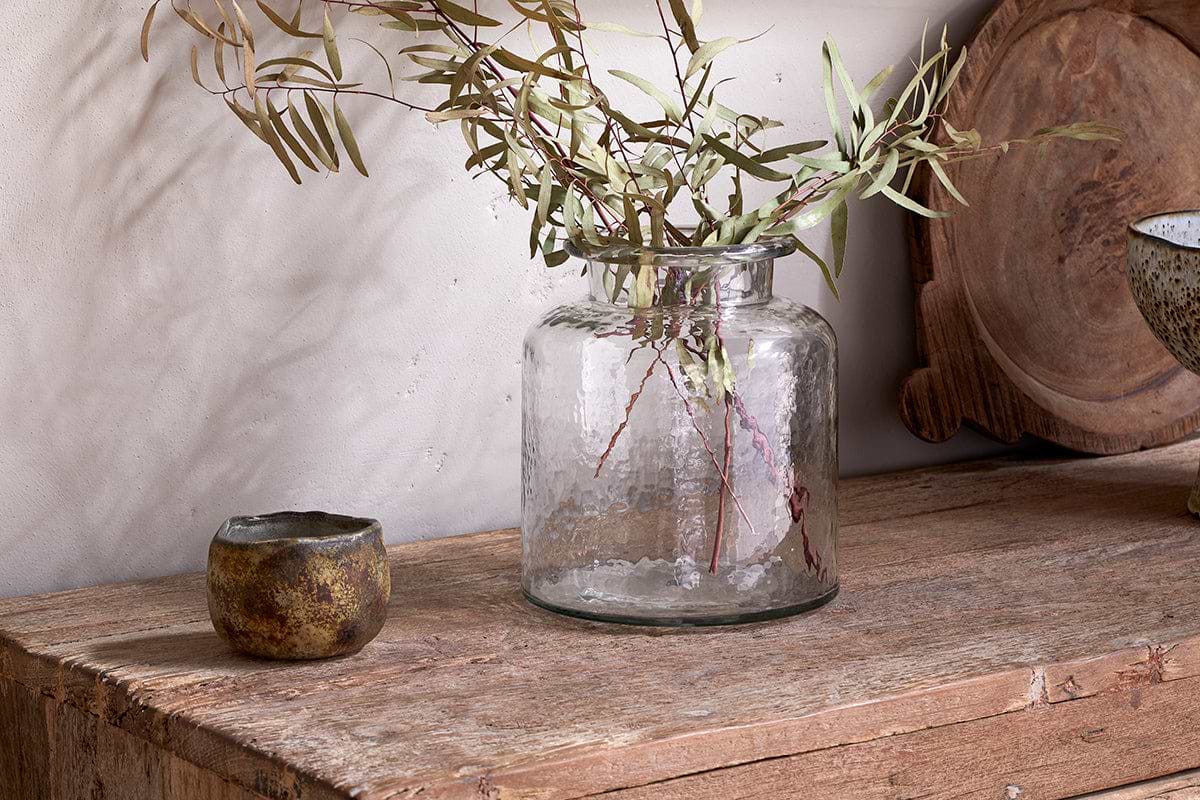
Akra Recycled Glass Vase
Clear cylindrical glass — pairs with stems or sits empty as a quiet accent.
View at Nkuku →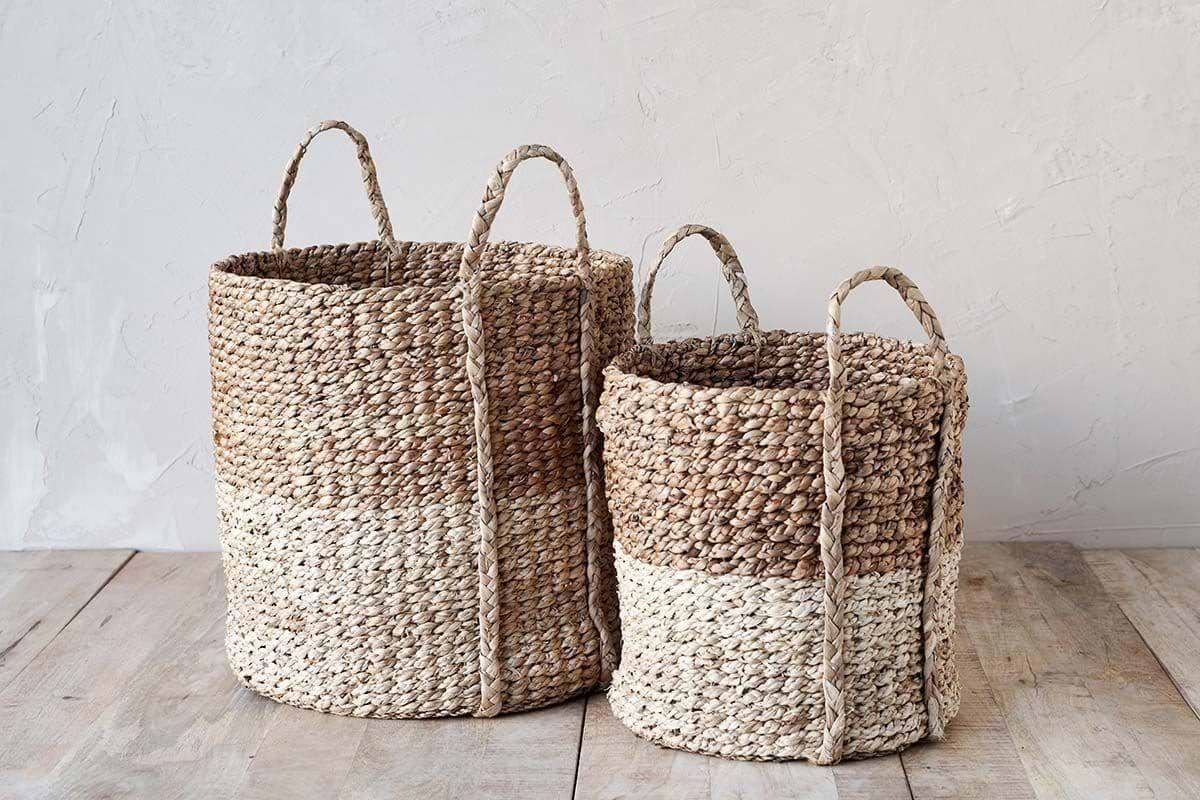
Nkomi Basket
Woven storage with a calm silhouette — works open or tucked under a console.
View at Nkuku →Some links above are affiliate links. If you buy through them we may earn a small commission at no extra cost to you. We only suggest pieces we think fit a calm, lived-in home.
Free guide
The Calm Leaf
12 quiet ways to bring dried botanicals, stems, and natural textures into calm spaces.