

Most articles about small living room design focus on what to add, but knowing what not to do when decorating a small living room often matters more. Filling every corner, pushing all furniture to the wall, or piling objects on each surface usually makes things worse, not better.
This guide shows the steps to avoid that closed-in feeling and lays out what to change right now. Today you’ll see what to remove, what to rearrange, and how choosing only a few key pieces can shift a space entirely. This works especially well in a small apartment living room when rental rules and limited storage force clear priorities because cutting clutter makes calm possible.
The short version: The answer to what not to do when decorating a small living room is to avoid crowding the walls and overfilling surfaces—leave space for air and light, even if it feels odd at first. What actually works is choosing fewer, lighter pieces, and planning storage before adding decor. This makes a small room feel more open and finished.
Key takeaways
- Pushing furniture to the walls often makes a small living room feel boxed in, not bigger.
- Layered lighting sources feel softer and more welcoming than one overhead light, according to Good Housekeeping.
- Most floating shelves are about as deep as a dinner plate, perfect for small decorative storage.
- Blocking daylight with heavy curtains or large sofas will quickly shrink a room visually.
- Planning the use of your space before buying or styling is recommended by interior designer Susan Deliss.
- Where this works best
- Why does pushing all furniture to the wall make a room feel smaller?
- How can you use lighting to avoid a flat, dull room?
- Styling and placement
- What should you avoid when choosing furniture for a small living room?
- How to use vertical space the right way
- What happens if you block natural light?

Where this works best
Leaving some space clear—whether it’s an empty patch of floor or a simple wall—works best in small living rooms crowded by doors or windows. A little empty space can make a tight room feel lighter and more finished.
Small living rooms that share space with entries, hallways, or kitchen corners often end up with awkward paths and crowded corners. These rooms call for different choices than a square, closed-off lounge because open flow matters more when space is tight.
If you have to tuck your sofa near a door, or the only window sits in one corner, leaving one side clear can be more helpful than filling every gap. A clean-edged rug or an open stretch of wall brings breathing room, letting the eye rest and move naturally.
Avoid pushing large sectionals into narrow rectangles or layering too many heavy pieces along the main walkway. Instead, anchor one area with a softer base—like a wool rug—and keep at least one corner open for circulation.
The best application is in shared spaces or multipurpose living rooms that do double-duty as family rooms or offices. In a small apartment, one open wall or a floating chair instead of a blocky armchair can change the mood of the entire room.
Why does pushing all furniture to the wall make a room feel smaller?
Furniture pushed to the walls in a small living room makes the center feel empty and the edges crowded. Moving seating inward creates warmth and breathing room.
Some assume sliding every chair, sofa, and shelf to the outer wall frees up the middle, but the effect is often the opposite. The room reads as off-balance, with all the visual weight bundled at the edges and nothing anchoring the center.
A sofa and a pair of chairs grouped just off the wall pull focus into the center. This helps people talk comfortably, and keeps the space from feeling like a waiting room. A basket under a floating console softens sharp lines and absorbs visual weight without taking up walking space.
Pushing all furniture flush against the walls is a common small living room mistake cited by designers. Unlike arrangements that float seating inward, wall-based layouts feel cold, and any bit of clutter along the edge feels obvious.
For rooms with awkward doorways or low ceilings, try spacing sofas a hand’s width from the wall and bringing side tables close enough to reach. In a compact living room, this brings everything into reach and looks more relaxed.
How can you use lighting to avoid a flat, dull room?
Layered lighting—a lamp, a sconce, plus natural light—brings depth and softness to a small living room. One overhead light often leaves the space flat and unwelcoming.
Most small living rooms have a single overhead fixture by default. Designers list relying on a single, overhead light source as a top small living room mistake, recommending layered lighting instead. Hard, direct lighting exaggerates corners and shadows, which can draw attention to how little space there is.
Using a floor lamp behind the sofa makes corners fade back and keeps the focus on the conversation area, not the wall. A small table lamp in a corner, even if it’s just a simple linen-shaded bulb, gives depth. Warm light from natural materials—like a shade made of woven grass—diffuses better and feels softer at eye level.
Compared to rooms that use only an overhead fixture, a layered lighting setup keeps a living room feeling alive from morning to night. If your space is dark for much of the day, bring in reflection—a pale wall, or a light-toned basket—rather than more hardware.
In a shared or rented living room, plug-in sconces and floor lamps can stand in for wired lights, working especially well in corners and behind armchairs. This works best for reading nooks or TV areas that need a softer, more flexible glow.
Styling and placement
A single, larger accent—like a pottery bowl or a thick linen pillow—reads cleaner and calmer than a scattering of tiny objects. Fewer, bigger pieces make small spaces look more finished.
A bare shelf feels sparse, but lining every inch with decorative things quickly adds up to visual noise. The best principle for styling small living rooms is to pick only a few objects per surface and repeat a shape or material so the eye isn’t drawn in a dozen directions.
Most designers recommend filling about two-thirds of any open shelf, letting the rest stay empty. Unlike busy surfaces, this approach pulls focus to a chosen accent. A rough clay vase paired with a low stack of books keeps things calm and allows for practical storage.
Glass, wood, and uncoloured ceramics stand out in small rooms without feeling flashy. Woven trays or baskets give texture and catch daily clutter—remotes, headphones, or mail—so surfaces never look overloaded.
Try a pared-back colour palette to avoid jumble and let one or two things stand out. Soft tones and repeated textures make even unmatched furniture look deliberate and calm.
Quick calm checklist:
- Stay under five colours in sight at once (neutrals plus one accent).
- Pick just one spot for a large statement—an oversized planter, a framed fabric panel, or a shapely lamp.
- Avoid short, deep shelves—floating types a plate’s depth are easier to keep tidy.
- Repeat a material for storage: natural baskets, wooden bowls, linen storage cubes.
- Leave one low surface clear for daily use (coffee table or ottoman).
The best styling and placement plans suit rental-friendly rooms and open layouts where you see everything at once. A carefully chosen focal object, well-placed, changes how the whole room feels.

What should you avoid when choosing furniture for a small living room?
Oversized furniture in a small living room looks out of place and blocks both movement and sightlines. Low-profile, light-framed pieces keep open space visible.
A sofa intended for a bigger room feels heavy and awkward when wedged into a tight layout. Instead, seating with legs you can see beneath, and narrow arms, helps the floor feel more open. Most people find that choosing furniture that is too large for the space is a primary mistake behind cramped-feeling small living rooms, as confirmed by House Designer.
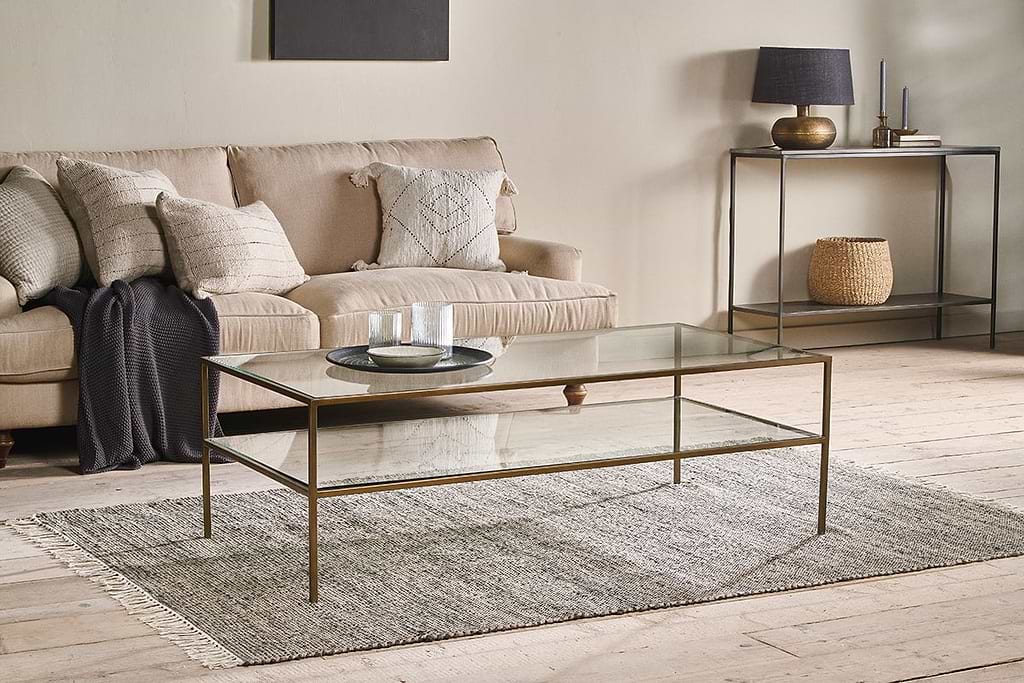
Instead of matching bulky sets, go for one anchor piece, then float a single accent chair or slim table. A glass-topped coffee table or a bench with open sides draws less attention and keeps sightlines clear from one end of the room to the other.
A room with an overstuffed sofa next to a large ottoman feels heavier than one with just a slim settee and a basket-topped stool. If your space must double as a guest room, try modular pieces—a small daybed or two chairs that can shift easily.
For rooms that see frequent guests or children, avoid pieces with thick, wide arms or heavy baseboards. Instead, look to open shelving or nested tables that slide together neatly. The main change you’ll see: you can move more easily, and the room stays tidier.
| Option | Suits Small Rooms? | Effect |
|---|---|---|
| Oversized sectional | No | Blocks light and looks cramped |
| Low-legged settee | Yes | Feels airy, makes space visible |
| Glass-topped table | Yes | Allows light, easy to move |
Rooms with tricky layouts—like those open to kitchen or dining—often benefit most from these lighter choices. Less bulk means less visual weight, especially near walkways or in shared spaces.
To get more ideas on choosing pieces that work, see these furniture recommendations for small living rooms.
How to use vertical space the right way
Wall-mounted shelves, tall bookcases, or simple vertical hooks let you store up, not out, and keep floors free. Missed vertical storage is one of the most common small living room errors.
Most people overlook the height above eye level when planning a tight living room. Tall shelves, picture rails, or a line of hooks draw the gaze up and create extra spots for books, plants, or bags—all without crowding the walking area.
Overlooking vertical space, like open shelving or wall storage, means missing the opportunity to take pressure off tight floor plans. A floating shelf above the sofa holds a trailing plant or a row of framed postcards and leaves the floor open for moving around.
Compared to standing cabinets, wall shelves with open sides don’t box in the room or create dark corners. A mounted rack or a slender tree branch for hanging throws uses almost no horizontal space but supplies real function.
In rentals where holes are off limits, tension rods in alcoves or removable sticky hooks keep vertical surfaces useful and changeable. It is especially practical for small living rooms with high ceilings or little floor space, because they use what is already there.
For small homes, vertical storage in natural wood or powder-coated metal can match a calm style without sticking out. Browse more layout ideas for clever storage and arrangement.
What happens if you block natural light?
Blocking a window or door with furniture or thick curtains makes a small living room feel dim and closed in. Keeping the path for natural light clear expands the perceived space.
Interior designers often see small rooms that feel smaller simply because a window is hidden behind a big chair or a television cabinet. Blocking natural light is cited as a primary culprit for stuffy, closed-in living rooms.
Unlike a room with clear glass and open drapes, hiding light sources makes everything less cheerful. Any clutter near the window—stacked boxes, too-tall plants, or a chunky sofa—shrinks the usable area in both sight and feel.
Use sheer linen or cotton panels to filter glare without shutting out sun. A low-backed sofa or a bench below the window keeps the area open and gives a landing spot that doesn’t crowd above the sill.
If your living space faces north or receives little sun, make each reflective surface count—light walls, pale floors, or a framed print with a soft white border—each one catches the little daylight available.
Try this approach in a room with only one window, where every inch counts. A clear window line and lighter fabric keeps the whole room feeling larger.
There comes a point in most small living rooms when something simply feels “off.” You step back and spot a heavy corner, a gap where no one really sits, or a patch of sunlight blocked by the wrong object. The moment you realize it is usually when you’re cleaning, tidying, or making a spot for a guest—something just doesn’t fit.
The practical shift that solves this frustration is simple: choose just one focal point, group seating around it, reduce your palette, and anchor with one storage material. With these decisions, even a snug living room feels purposeful and open.
One of the most common small living room mistakes is overloading the room with small items, especially things that pile up around the edges. Extra baskets, too many throw pillows, or an overload of family photos become distractions. Most homes end up feeling busy, not restful, and eventually the clutter blends into the background. Small spaces magnify this effect, so even something tiny can cause the room to lose its ease.
Once you pare back and organize, the mood changes quickly. The best pieces stand out, and daily use feels calmer.
Save this idea for later.
What tends to hold up with decorating small living rooms
Most small living rooms benefit from putting function ahead of style—reviewers and designers both notice that sorting storage early prevents the space from feeling crowded later on. Layered, flexible lighting keeps things fresh as the day shifts, but it’s the fewer, well-chosen pieces that last. Items made from natural materials—simple wood, linen, clay—never seem to go out of place and gain character with regular use.
One pattern that comes up again and again: leaving a little empty space is rarely a regret. Even an undecorated patch of floor, a clean window, or an empty wall lets the eye rest and the air circulate. That small pause in the room gives everything else more impact.
— Mara, Loom & Glow
Common questions
What are some common mistakes to avoid when decorating a small living room?
The most common mistakes are crowding furniture along the walls, using furniture that is too large, over-decorating every surface, and blocking natural light. Layering too many small items or relying on a single light source can make the room feel boxed in. Planning storage and leaving open areas helps create a calmer space.
What is the 3-5-7 rule in decorating?
The 3-5-7 rule in decorating means grouping decor items in odd numbers—three, five, or seven—for a balanced and natural-looking arrangement. Odd numbers look less staged to the eye, especially on shelves and tables. This trick works well for creating calm displays in spaces both large and small.
How do you decorate an extremely small living room?
To decorate an extremely small living room, choose compact, leggy furniture, keep wall and floor space visible, and use a neutral, limited palette. Mount storage on walls and avoid bulky curtains or dark rugs. A single statement object works better than many small accents in a tiny room.
What makes a house look tacky?
A house can look tacky if it has too many decorative objects, clashing colors, or poorly fitting furniture. Overstuffed rooms and trend-driven items often stand out instead of blending in. Calm, simple furniture and materials with a lived-in texture help a home feel grounded and warm.
what are some cool room decor ideas for small rooms?
Cool room decor ideas for small rooms include choosing fewer, lighter pieces, leaving some space clear rather than pushing all furniture to the walls, layering lighting sources instead of relying on one overhead light, and anchoring one area with a softer base like a wool rug whilst keeping at least one corner open for circulation.
Explore more calm combinations inside our Shop The Look .
Shop the Look
Light-touch furniture and storage that prove small rooms need calm scale, not emptiness.
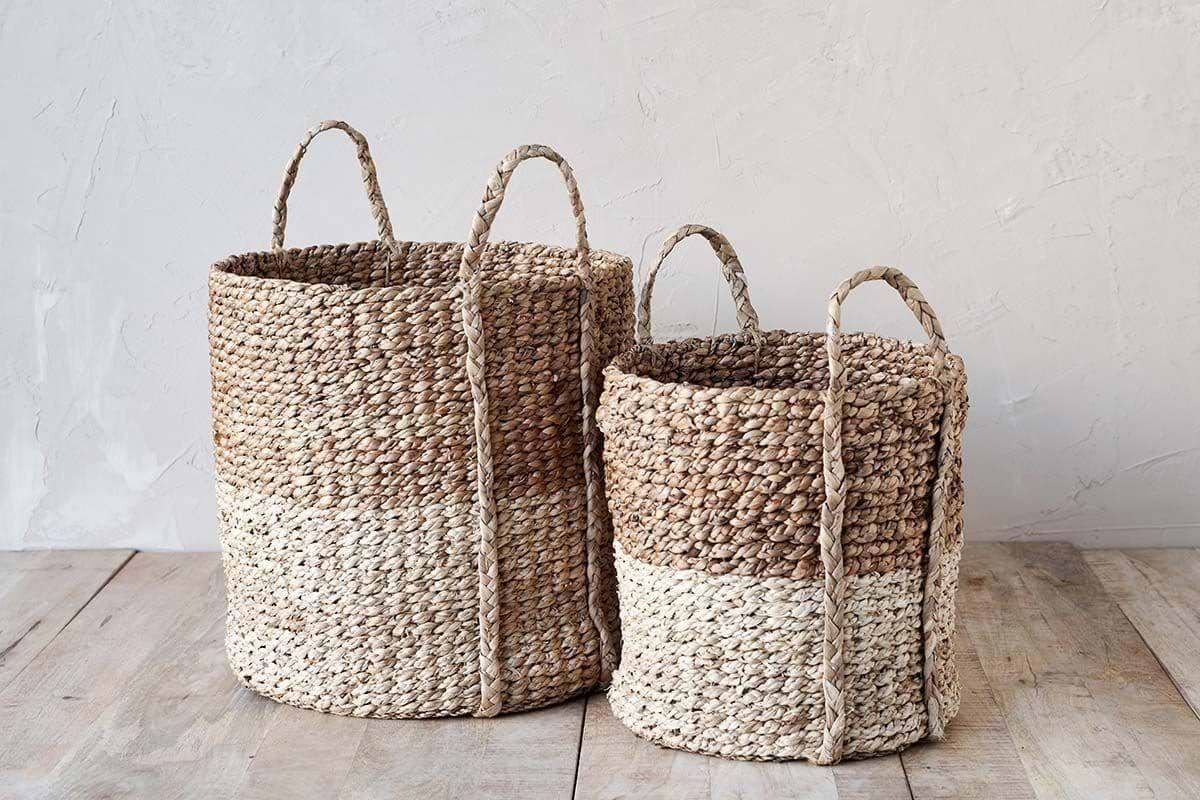
Nkomi Basket
Woven storage with a calm silhouette — works open or tucked under a console.
View at Nkuku →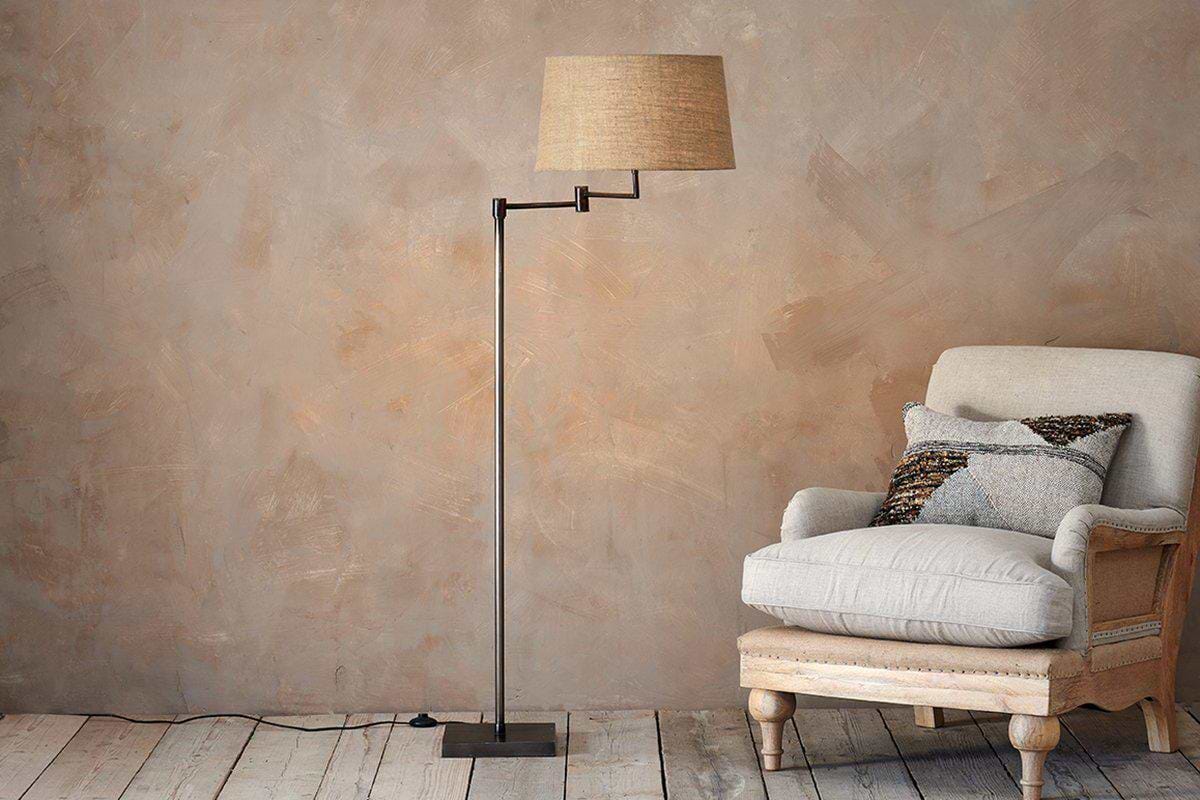
Some links above are affiliate links. If you buy through them we may earn a small commission at no extra cost to you. We only suggest pieces we think fit a calm, lived-in home.
Free guide
The Calm Shelf
12 styling ideas to help you compose calm, balanced shelves in natural texture homes.