

Many homes have the right furniture, but something still feels unfinished. Shelves look flat, surfaces are crowded, or the corners seem bare. Well-chosen room accessories might be there, but the space stays cold, or picks up mess quickly. Too many little things, and it feels busy, too few, and it’s flat and echoing.
Today you’ll learn how to pick and place the small, useful bits that make a room feel together, without the clutter or the extra visual noise. This works especially well in a living room with limited storage when empty surfaces look impersonal because the main decor pieces don’t give you anywhere to rest the eye. Everything here is concrete, so you can step back, see the real gaps, and know what to add or edit out.
The short version: Room accessories pull a space together when you choose a few natural items, place them with care, and use fewer colors overall. Treat each shelf, tray, or basket as a way to soften lines and create breathing room, not as a place to add more things.
Key takeaways
- The best room accessories use natural materials like jute, clay, or linen for a calm, warm look.
- One textured tray or basket on a shelf works better than many small objects.
- Soft lighting from a single lamp feels calmer than overhead lights or several spot bulbs.
- Too many cushions or throws makes a sofa look crowded instead of welcoming.
- A Pinterest board called ‘Room accessories’ collects 241 visual ideas for storage, lighting, and textiles (see examples).

What turns an object into a finishing touch?
A finishing touch is any room accessory that gives a reason to pause, whether through texture, color, or function, but never dominates its spot. One substantial object per surface often feels more composed than many tiny items lined up together.
In a home with neutral walls and clean-lined furniture, it’s easy for the room to look half-done. Something as simple as a jute basket on a low table or a clay bowl by the window fills the visual gap left by empty surfaces. The space feels grounded again, rather than overlooked or in progress.
A finishing touch works because it draws the eye in and gives a reason to pause, rather than adding extra detail that makes the room restless. In a small apartment, a bold vase on a shelf does more than a group of smaller things. There’s a place for the gaze to land, so the other items disappear into the background.
There’s a clear difference: a bare shelf looks colder than one with a single woven basket. A finishing touch should feel anchored; many accessories of similar size start to compete, making the room look busy. If an object looks interesting but pulls too much attention, take it out for a few hours, see if the surface feels quieter.
One way to test: stand back and check if your eye stops at the chosen piece or bounces around. If it’s the latter, too many things or too much contrast may be to blame.
Where this works best
Room accessories work best in spaces that feel unfinished, like living rooms with open shelving, bedrooms with no soft textures, or entryways with exposed storage. Limited storage or blank corners often benefit most.
Shared living areas, small bedrooms, home work corners, these are places that often feel formal or cold because the practical pieces don’t bridge the gap between storage and softness. Open shelving especially needs something that looks settled, not just functional. This is true in rentals where you can’t make permanent changes.
You might have a low shelf under a TV, a bare sideboard in the entryway, or a spare chair by the window. Dropping in a basket for stowing blankets, adding a linen runner on the shelf, or resting a tray with a small candle brings shape and comfort. Now, the utilitarian joins with gentle texture, and the look becomes lived-in without mess.
Avoid putting delicate glass bowls or tiny trinkets in a high-traffic hallway or play area. These break or collect dust and get lost under the practical parts of daily life. When a large basket sits by the sofa, the room absorbs phone chargers, remotes, and throws, so clutter stays hidden and the look holds up even with guests.
How do you avoid visual noise when styling shelves?
Shelves stay calm when most of the space is left clear, with one or two reliable pieces like a textured basket, a plant, or a single stack of books. Grouping by material or color, not by number, keeps the focus gentle.
Floating shelves, open bookcases, and alcoves often catch odds and ends. The easy fix is removing everything and putting back just two items, such as a clay vase and a pair of books. Most shelf-styling guides suggest keeping about two-thirds of a shelf clear, and filling only the rest with accent pieces or storage.
Visual noise happens when objects jumble in height, material, and shape. A line of bright ceramics, mixed candles, and photos feels busier than a single storage basket paired with a plant or folded blanket. Using fewer materials (such as just wood and linen) is more soothing than mixing many. For more ideas using blues, Amazon search results showcase popular calm pieces like artificial hydrangeas or blue vases.
The contrast is clear: a shelf filled with mixed souvenirs and bright toy bins will skew loud, whereas one with a natural basket and a simple neutral object always feels steadier and lighter. If a shelf looks fussy after accessory placement, pull off half the items and notice the difference.
One rule of thumb: A shelf looks best when most of it is empty, but one object draws the gaze. The rest should back away visually.
Textured surfaces that add depth, not distraction
Textured room accessories such as woven baskets, linen runners, or clay bowls add depth when used sparingly, especially on flat surfaces where everything else reads smooth or hard. Too many textures can confuse the eye.
Coffee tables and sideboards show the difference immediately. Without texture, even a clean wooden table can seem blank or too severe. A basket, a hand-knotted throw, or a small woven tray on a flat table breaks up the smoothness. Soft rugs underfoot also carry some of this grounding effect, especially in open-plan rooms.
The benefit comes from how these materials catch light, matte fibers like jute or linen scatter sunlight instead of bouncing it harshly, making the surface look softer and more forgiving. Neutral shelf styling works on the same principle: layering a woven runner under a lamp or bowl stabilizes the surface.
Compared to glossy ceramics or piles of synthetic pillows, natural fibers or subtle clay finishes feel easy on the eyes. A rough woven basket at the edge of a table is enough; multiple patterns and materials on the same shelf can break up the calm, making each object compete for focus.
Applying this: Place one textured accessory on a smooth or empty tabletop, this draws interest but doesn’t overwhelm.

Styling and placement
Accessories work best when grouped by texture or color, spread apart to leave space, and placed where they’re seen but not in the way. Placement shapes the mood more than the quantity does.
A common scenario: a coffee table with scattered magazines, several remotes, and a few small objects. Editing down to a basket for remotes, a clay bowl for keys, and a flat stack of three books instantly feels more ordered. Position bulkier accessories, like a lamp or Nkomi Basket, at the ends of surfaces to anchor the room.
Distance matters. Spreading accessories apart, rather than bunching, means each has a breathing space. Low-profile objects like trays or linen runners along shelves give a base for smaller things to sit, so nothing hovers awkwardly. Stack books flat, not upright, to keep the look steady.
Compared to placing five or six similar-sized objects in a row, arranging with plenty of empty room lets each piece register without crowding. A tray collects mugs and a candle on a sideboard, making the grouping purposeful rather than looking like leftovers from tidying.
Quick calm checklist:
- Stick to natural materials like jute, clay, or linen for main pieces.
- Limit groupings to two main colors per surface.
- Spread accessories apart; avoid lining up small items in rows.
- Anchor larger objects at the ends of shelves and tables for balance.
- Keep focal accessories practical, like baskets or trays that actually get used.
Place focal accessories where they’re visible but not in high-traffic paths, like one basket under a console table or a runner beneath a lamp on a dresser.
Sideboard styling demonstrates the same approach: keep surfaces open and individual items clear from one another.
How do warm light sources pull a room together?
Warm lighting from a single lamp or candle softens shadow lines and highlights textures, making the room feel linked together instead of chopped by overhead light. Lighting as an accessory is more effective than adding more objects.
Floor lamps, linen-shaded table lamps, and even a classic candle can turn a cold corner into a soft spot in a rental or small home. It’s not the wattage or the style alone, it’s the warmth of the bulb and the placement. Overhead lighting often flattens the room, while a single lamp at eye-level on a side table brings gentle focus.
The physical depth of a woven lamp shade, for example, disperses light in a way that gives shadows a feathered edge. In the evening, one warm yellow lamp creates a spot to rest. Coffee table styling often relies on this: pairing a lamp with a tray or bowl makes the whole grouping come alive after dark.
Compared to three or four LED spotlights overhead, a single, well-placed lamp feels calm and gives the objects around it a gentle glow. Light isn’t just for seeing, it picks out the useful and pretty accessories you want to notice.
Use warm lighting near textured accessories (like baskets or soft throws) to bring out their depth and soften surrounding hard lines.
| Lighting Type | Effect in Room | Best Use |
|---|---|---|
| Table lamp | Localizes light, creates a warm focal spot | Bedside tables, reading nooks |
| Floor lamp | Softens the edge of a sofa or chair zone | Corner of a living room |
| Candle | Adds flicker and warmth, draws attention to nearby textures | Coffee or dining tables |
What soft layers define a space with no building work?
Soft accessories like throws, cushions, and curtains can divide a space, mute echoes, or absorb glare, all without permanent changes. These textiles work quietly in the background.
In a rental or open-plan room, a thick linen curtain can break up a long stretch of bare wall or mark out where the living space ends. When a hard sofa looks unwelcoming, placing a single throw and two textured cushions (but not more) softens the lines without feeling overloaded. The room immediately gains a sense of closure without adding clutter.
Sound matters, too. Soft textiles absorb sharp noises that bounce off hard furniture or empty floors. One natural-fiber rug under a small table takes away much of the hollow sound, and a draped throw on the back of a chair prevents the look from going cold.
The one-blanket rule is practical, especially when you’re short on storage: keep just one out in view, fold it flat when not in use, and swap with the season. More throws and pillows make it harder to keep tidy, less is simpler for daily life.
Use these soft layers where sunlight is harsh, echoes last, or the room is open to other spaces. With the right touch, you define small zones and create privacy without building or heavy installation.
For inspiration using linen and light textures, linen cushion styling shows how softer fabrics can anchor a room with almost no effort.
Often, the moment comes after tidying, everything is in its place, but the room still feels unsettled. The shelves are wiped down and the cushions are plumped, yet something about how the surfaces read is a little off, almost like the story hasn’t finished.
Usually, what’s missing is one grounded accessory that ties scattered textures together or one clear place to rest the eye.
A common mistake is filling empty space with lots of small or mismatched items, rather than adding one substantial, practical accessory. This habit makes the room look crowded and restless, and makes cleaning harder over time. Many homes have decorative bowls, baskets, and vases, but without thought for placement, even these soften nothing.
When you fix this, surfaces feel open, corners become useful, and the whole room looks easier to live in.
Save this idea for later.
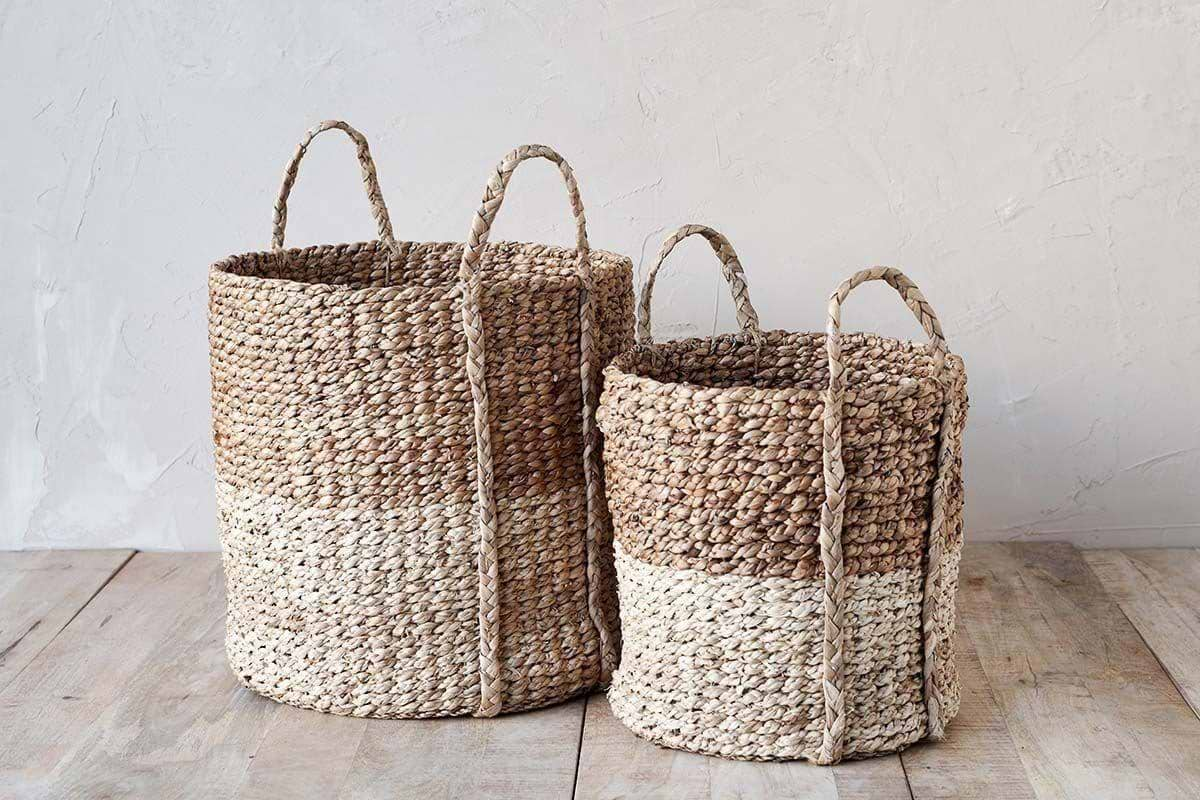
What tends to hold up with choosing and styling accessories
Natural textures nearly always last longer and adapt as the rest of the space changes. Reviewers and decorators highlight woven baskets or linen runners as pieces that age well, because the materials look better with use and hide small marks. Matte finishes get recommended again and again for shelves near windows because they don’t catch glare the way glossy trays do.
There’s also a pattern among homes that feel thoughtful: they repeat at least one texture or color across zones, from shelf to coffee table to floor basket. The point isn’t to match, but to ground the space. If placement feels awkward, moving just one prominent accessory to a new spot often fixes the balance.
, Mara, Loom & Glow
Common questions
What are good room accessories for a calm space?
Good room accessories for a calm space are baskets, linen throws, clay bowls, and soft-shaded lamps made from natural materials. These pieces bring warmth and texture with very little visual fuss. Place them so each surface has a single anchor, leaving plenty of space around for air and light.
What are the best accessories for a bedroom that feel intentional?
The best bedroom accessories are a linen runner or blanket, a single clay vase, and a small lamp or candle on the bedside table. Keeping choices simple lets the room breathe and makes routines like bedtime or reading feel gentle and cared for. Natural colors and textures help with rest.
What accessories can I add to my living room without permanent changes?
Accessories like soft rugs, woven baskets, linen cushions, textured throws, and warm lamps can be added to a living room without permanent changes. These pieces are easy to move or swap and work well in both owned and rented spaces. Focus on a few practical items, not lots of small decorations.
How do I decorate my room to look nice but not cluttered?
Decorate your room with a few substantial accessories, one basket, a bowl, a lamp, and keep most surfaces open. Choose a tight color palette and natural fabrics for a finished look that stays calm. Less on display means easier tidying and more breathing room.
Explore more calm combinations inside our Shop The Look .
Shop the Look
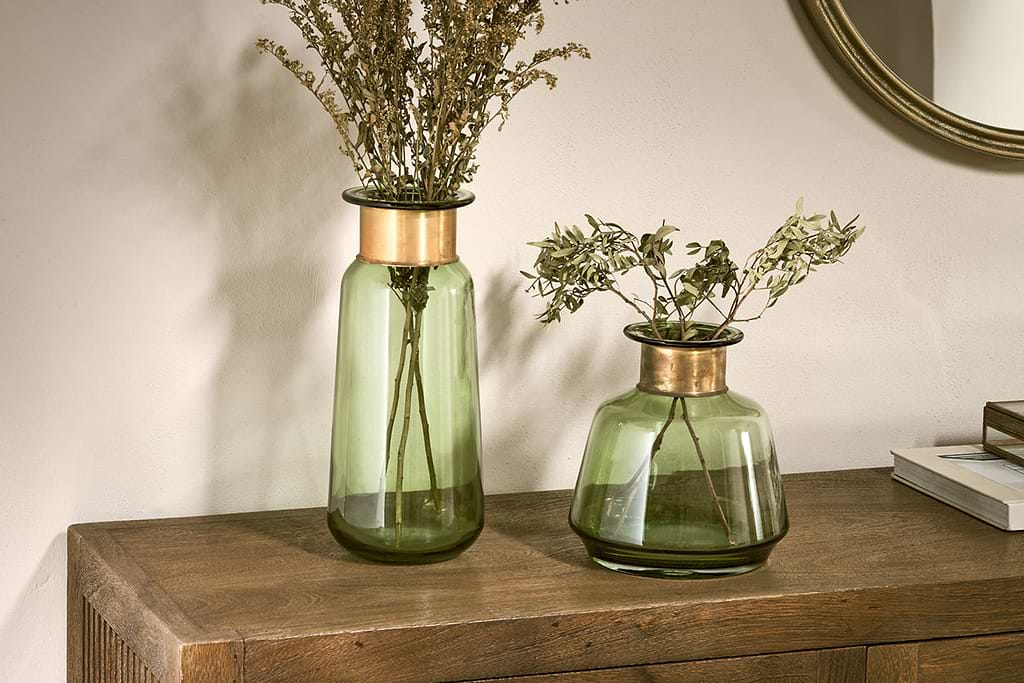
A few Nkuku pieces that sit quietly on a coffee table or sideboard.
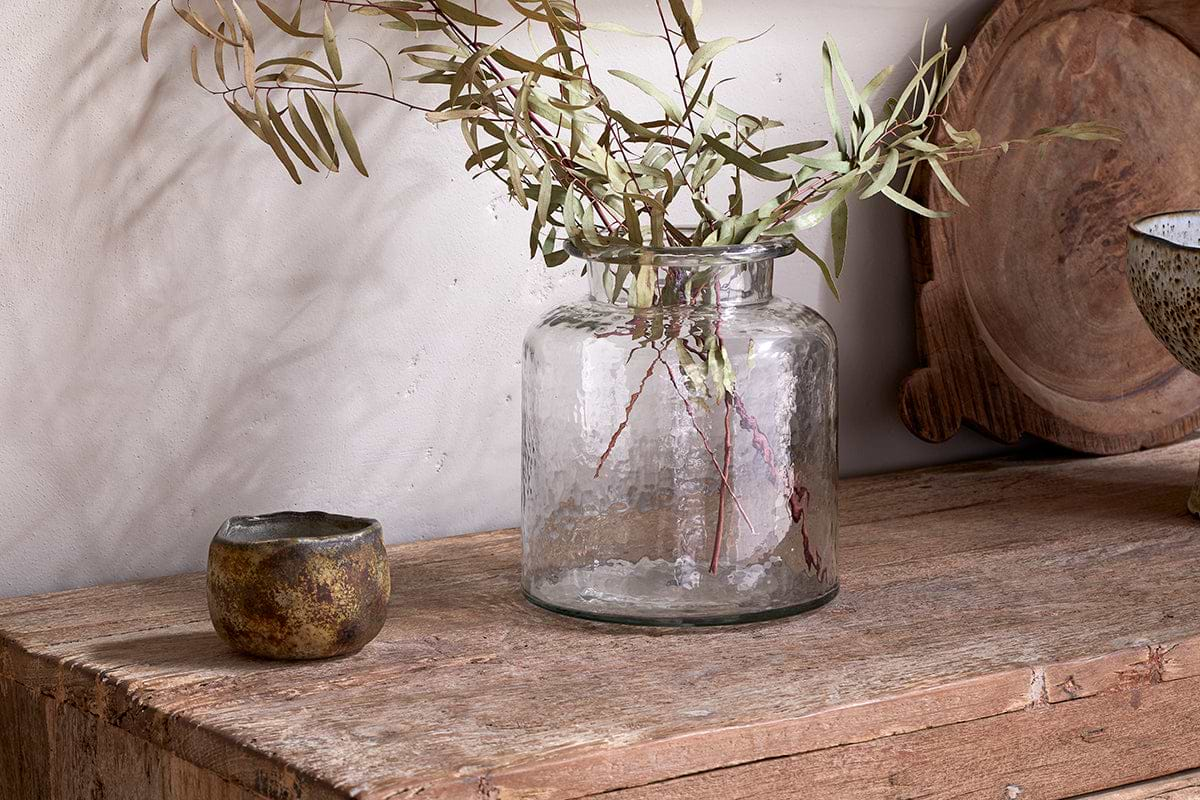
Akra Recycled Glass Vase
Clear cylindrical glass, pairs with stems or sits empty as a quiet accent.
View at Nkuku →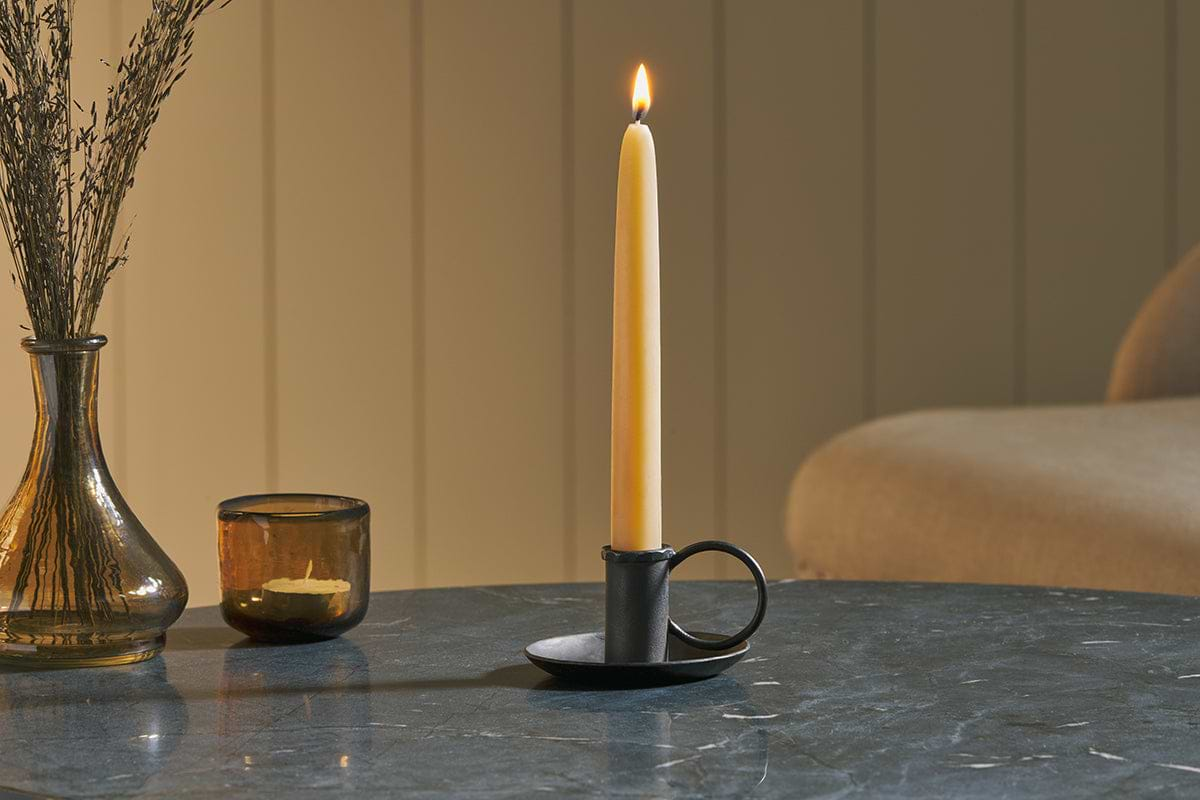
Amri Iron Candlestick
Slender iron with quiet presence, works alone or in clusters of three.
View at Nkuku →Some links above are affiliate links. If you buy through them we may earn a small commission at no extra cost to you. We only suggest pieces we think fit a calm, lived-in home.
Free guide
The Calm Shelf
12 styling ideas to help you compose calm, balanced shelves in natural texture homes.