

Most homes have corners or whole walls that feel busy and cramped, no matter how often things are tidied. Oak wall shelves offer storage, but many options look cheap or wear out quickly. Anyone trying to style a calm, beautiful room without spending a lot often gets stuck choosing between plain chipboard and costly “solid” versions.
If you pick the right shelf style and know what to take away, a room shifts from messy to soft and balanced. This works especially well in a small flat’s main room when there’s limited cupboard space because oak keeps things within reach without making the display feel crowded or cold.
The short version: Oak wall shelves keep storage looking neat and gentle while fitting nearly any budget. Choose simple shapes, repeat natural textures, and anchor with one or two small objects—your space goes from cluttered to calm in minutes.
Key takeaways
- Oak wall shelves give a room visible storage that feels gentle and warm, instead of cold and heavy.
- A floating shelf or simple bracket shelf under £50 is usually sturdy enough for everyday items.
- Most solid oak wall shelves come in light, matte finishes so the grain feels natural and soft.
- Use the rule of three: keep two-thirds of each shelf clear and groups small items in threes.

Why choose oak wall shelves for calm, affordable storage?
Oak wall shelves look gentle in most rooms and wear well over time so you don’t need to replace them often. The grain and pale tone bring storage that feels soft, not busy.
In a busy hallway or crowded kitchen, many storage solutions feel out of place or make a wall look busier. Real oak calms this down—the grain is even, the color sits between yellow and grey, and it doesn’t look sharp against painted walls. Wooden home decor feels less cold than metal racks or white MDF shelves.
Some shelves show dust or fingerprints, but most oak finishes—especially matte or natural oil—hide smudges and soften contrast. Compared to pine, oak holds a steady tone that doesn’t go orange or pale with time. Oak’s smooth grain gives it a warmth that is easy to style with both woven and ceramic objects.
A bare shelf reads colder than one with a single linen basket or warm-toned mug. Unlike walnut, which can feel formal or dark, oak looks light and casual, especially in older homes with scuffed skirting or mixed wood floors. Add a small oak wall shelf in an entryway to clear keys and post so the space feels easy, not stressful.
Where this works best
Oak wall shelves suit awkward rooms, rented flats, and anywhere you need gentle storage that doesn’t overwhelm the space. They blend in where most cupboards feel too heavy.
Many UK homes have poky kitchens, narrow landings, or bedrooms with less space than you wish for. A standard cupboard can block light or close off a wall, but an oak shelf keeps everything open. In a small bathroom, a short picture ledge lets you set down lotions or a clay dish without leaning on harsh wire racks.
Floating oak shelves work well above radiators, between two doors, or near a bedside when you don’t have room for a table. A single lightweight shelf with wall brackets can fit above a desk in a rental, and it’s simple to take down later. This kind of open storage gives you more room to breathe—unlike closed cabinets, it invites you to keep only what you like to look at.
Avoid placing oak shelves on walls that already have a lot of dark wood, as the mix of grains can appear unplanned or cluttered. Instead of doubling up, place your shelf where it fills dead space or sits above eye level, so it adds lightness, not weight.
Place an oak floating shelf above a shoe bench or behind a sink for spots that never seem to stay tidy.
How do you pick the right oak shelf style?
The best oak shelf style depends on what you want to store and how much you need to show. Slim ledges suit prints, while bracketed shelves hold more weight and feel sturdy.
In most living rooms, people choose between bracket shelves, floating shelves, and slim ledges. A floating shelf sits tight to the wall, so the support is hidden. Bracket shelves (with plain metal or wood brackets) show off the fixing, which brings a kitchen or utility feeling. The wooden shelves made in a Yorkshire workshop have smooth ends and hang easily above radiators or low sofas.
Floating shelves show off objects best if you want the shelf itself to fade into the wall, while a bracket shelf stands out, heavier and more industrial. A mantel beam shelf sits deeper and takes bigger objects, like bowls or baskets, but works best in big rooms. Picture ledges are for prints or postcards, not for jars or books.
Compared to a thick mantel beam, a slim shelf keeps a wall open and brings less weight to small rooms. Some retailers offer free delivery and easy returns, so most bracket and floating shelves under £50 can be swapped if the finish’s not right (source).
| Type | Best for | Visual impact |
|---|---|---|
| Bracket shelf | Kitchens, heavy items | More visible, casual |
| Floating shelf | Bedrooms, prints, light decor | Quiet, seamless look |
| Picture ledge | Artwork, photographs | Slim, minimal accent |
Choose a floating shelf for a home office, a simple bracket shelf for a kitchen, and add a slim ledge above a bed for artwork.
8 affordable oak wall shelves under £50
Most flat-pack oak wall shelves under £50 use real oak veneer on strong board with hidden fixings or plain brackets. They look convincing, last well, and cost less than most solid versions.
Solid oak shelves are more expensive, but many makers now offer thinner planks or oak veneer that cut cost but still look convincing. According to Domli, solid oak wall shelves are sold in slim thicknesses around 18mm for an airy feel and cost less if you keep the length short.
Floating shelf kits often come with all fixings included, with a matte clear finish so the pale wood looks natural. Some come from small UK workshops and are listed with a 3 to 5 day lead time (Off The Grain).
Options range from plain floating shelves (with plugs and hangers included), classic bracket shelves, to chunky mantel beams (often just under £40). A shallow picture ledge, perfect for photos or children’s books, comes in lighter-weight oak veneer and won’t pull away from a plaster wall.
To keep within budget, look for “solid oak” wording instead of “oak effect” and check that bracket shelves have stainless steel or coated fittings. Oak fireplace mantel beams are now available from £38.00, so even a feature shelf above a radiator or worktop can be done without running over budget (source).

Use a floating oak shelf in a hallway to keep mail and keys off the table, or put a mantel beam shelf above a sideboard for a gentle focal point.
Often, the moment that signals something isn’t working comes after tidying—the wall looks bare, or items crowd together and nothing stands out. There’s a dull heaviness or a sense that storage was crammed in, not planned. If the eye can’t rest somewhere, clutter quickly returns.
The core shift happens when you choose a single shelf and limit objects to what you use daily or want to display—one basket, a clay bowl, or a small vase—so the wall stays open and easy to clean.
Many homes wind up with mismatched containers, stacks of paper, or too many hooks. The shelves collect clutter and soon blend into the mess. Most people keep adding things: another hook, yet another pot, without first clearing what’s on show. The whole area ends up feeling restless and unfinished.
Once you pare down to only one or two small objects per shelf, everything starts to breathe and the room feels deliberate, not accidental.
Save this idea for later.
Styling and placement
Oak wall shelves look best when placed just above where arms can reach and styled with no more than three grouped objects. Limiting color keeps the look gentle.
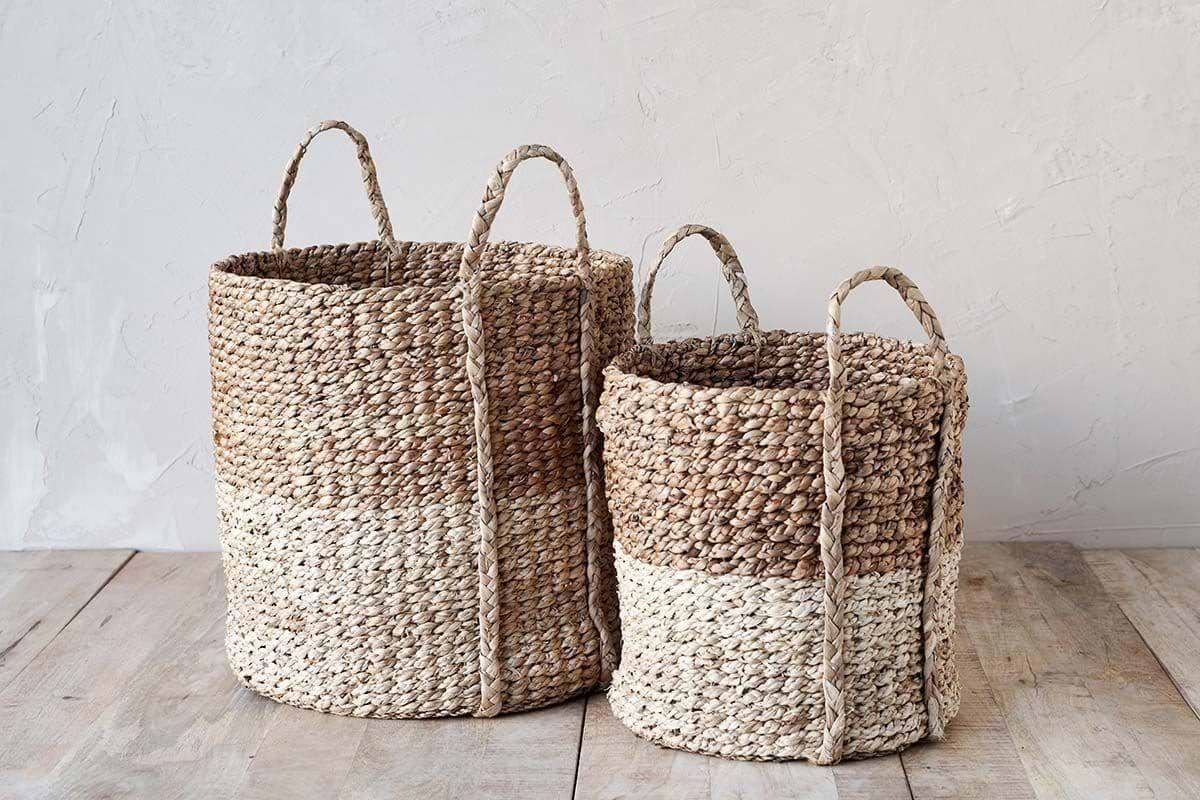
A shelf hung just above shoulder height draws the eye without making you reach too far. Place it where daylight hits the grain—the wood picks up those low, golden tones and never looks flat. A clay vase or a single woven basket sets off the oak’s pale background, while a group of three objects fills space without busying it.
For kitchens, keep oil bottles or beautiful jars at one end of the shelf, and leave the rest bare. In bedrooms, a slim shelf above the bed acts as a display for postcards or one lamp, not a row of breakables. A shelf reads crowded if every inch is filled—even a plant or folded towel softens a hard line.
Bracket shelves suit spots with more wall space, while floating shelves fit above radiators or in bathrooms. The effect is brightest if the wall color is neutral and the shelf isn’t stacked edge to edge.
Quick calm checklist:
- Use real oak or matte oak veneer with little sheen.
- Leave some empty space on each shelf—don’t fill the whole length.
- Repeat one color (natural, white, or soft stone) in the objects you use.
- Place shelves where natural light can touch the wood grain.
- Start with just one shelf per wall in small rooms.
Try a woven basket and one piece of pottery on a kitchen wall shelf to keep the look clean but not cold.
How can you keep an oak wall shelf from looking cluttered?
An oak wall shelf stays tidy if you use the “rule of three”—one functional object, one decorative, and one blank space—so your eye doesn’t get lost in mess.
In the main room or a hallway, many people use shelves to store everything from mugs to spare wires, but too many things on display look busy. Instead of lining a shelf with many small items, group no more than three—a mug, a vase, a folded napkin. The shelf feels restful, not crowded.
The oak’s pale color helps, as it keeps the background soft. A simple palette means even a single dark-coloured cup stands out without fighting other objects. Using just one larger object (like a Nkomi Basket or clay pot) draws attention and makes everything else feel neater. Too many mixed textures—glass, plastic, metal—make shelves feel confused and heavy.
A heavy shelf feels tight if everything is stacked or if boxes hide the grain. Compared to a dark walnut or metal shelf, oak is more forgiving: dust and fingerprints aren’t obvious, so you aren’t forced to style constantly. Add a floating oak shelf in a lounge but keep it clear by using the rule of three for grouping.
Place a clay bowl, a single basket, and one framed photo; then step back—anything beyond that starts to lose the calm look you chose oak for.
Where to buy oak shelving in the UK
Oak wall shelves are widely available in the UK from small makers and local shops, with most offering a range of sizes, quick shipping, and returns.
British makers, especially in Yorkshire, produce solid oak shelves by hand, often finished within a working week (Off The Grain). Many sell both floating and bracket styles, with clear options for longer, chunkier planks or light, slim ledges.
Look for shops that describe their shelves as solid oak or specify the thickness—if it’s around 18mm, it’s likely to last under jars or small books (source). Some UK suppliers also help with custom sizes or made-to-measure options.
Most reputable retailers offer a simple online order process with free delivery and a 30-day money-back guarantee (Oak World), which helps when matching tones between new shelves and old flooring. For rental or quick upgrades, flat-pack kit shelves are cheapest and arrive ready to install, so no waiting.
Choose bracket shelves from a local shop for heavy kitchen use, or pick floating shelves online for simple, seamless storage in a spare room or bathroom.
What tends to hold up with affordable oak shelving
Over years of sifting through reviews and seeing shelf projects in photos, a couple of patterns repeat. Matte finishes get recommended again and again for oak wall shelves in bright rooms, because shiny lacquer catches glare and instantly reads new or plastic. Flat or oil finishes wear in gently and show fewer fingerprints so upkeep is easier—especially where people reach for things daily.
Reviewers often call out bracket strength and shelf thickness as factors in whether a shelf gets used for years or ends up retired after one season. Oak—especially in slim, rounded forms—shows fewer dings than pine or painted board does. Calm shelves last longest when you resist filling them up the first day.
— Mara, Loom & Glow
Common questions
Is oak a good wood for shelves?
Oak is a strong and long-lasting wood commonly used for shelves in UK homes. Its even grain and pale color keep shelves looking gentle and clean for years. Oak’s weight means thinner planks can hold most household objects without warping or bending.
Where can I buy oak shelving in the UK?
You can buy oak shelving in the UK from local workshops, independent hardware shops, or online retailers like Off The Grain and Oak World. Many suppliers now offer both floating and bracket shelves, often with free delivery or easy size selection. Always check for solid oak or clear veneer in descriptions.
Are oak shelves expensive?
Oak shelves are often pricier than pine or MDF but affordable versions are now widely available under £50. Expect to pay less for shorter, thinner planks or for shelves with real oak veneer. Some makers offer free delivery and easy returns to keep costs down.
Which wood is best for shelves: oak or pine?
Oak is stronger and denser than pine, making it better for supporting heavy items or books without bending. Pine shelves cost less and weigh less but dent and mark more quickly. If you want quiet, gentle-looking storage that lasts for years, oak is the best choice.
Explore more calm combinations inside our Shop The Look .
Shop the Look
A few Nkuku pieces that work beautifully on oak shelves and ledges.
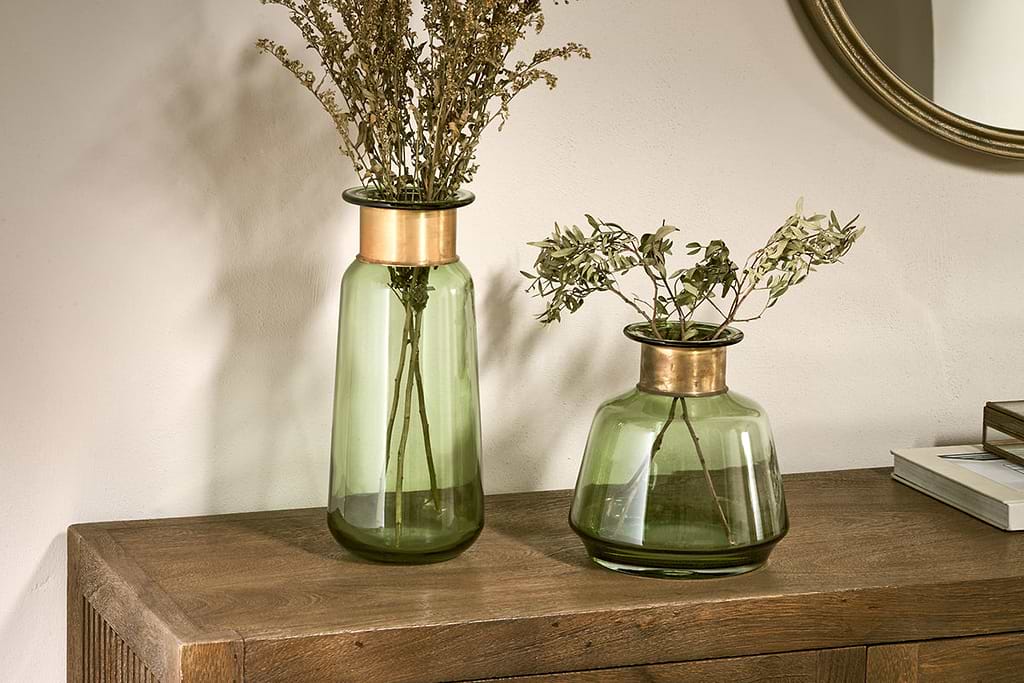
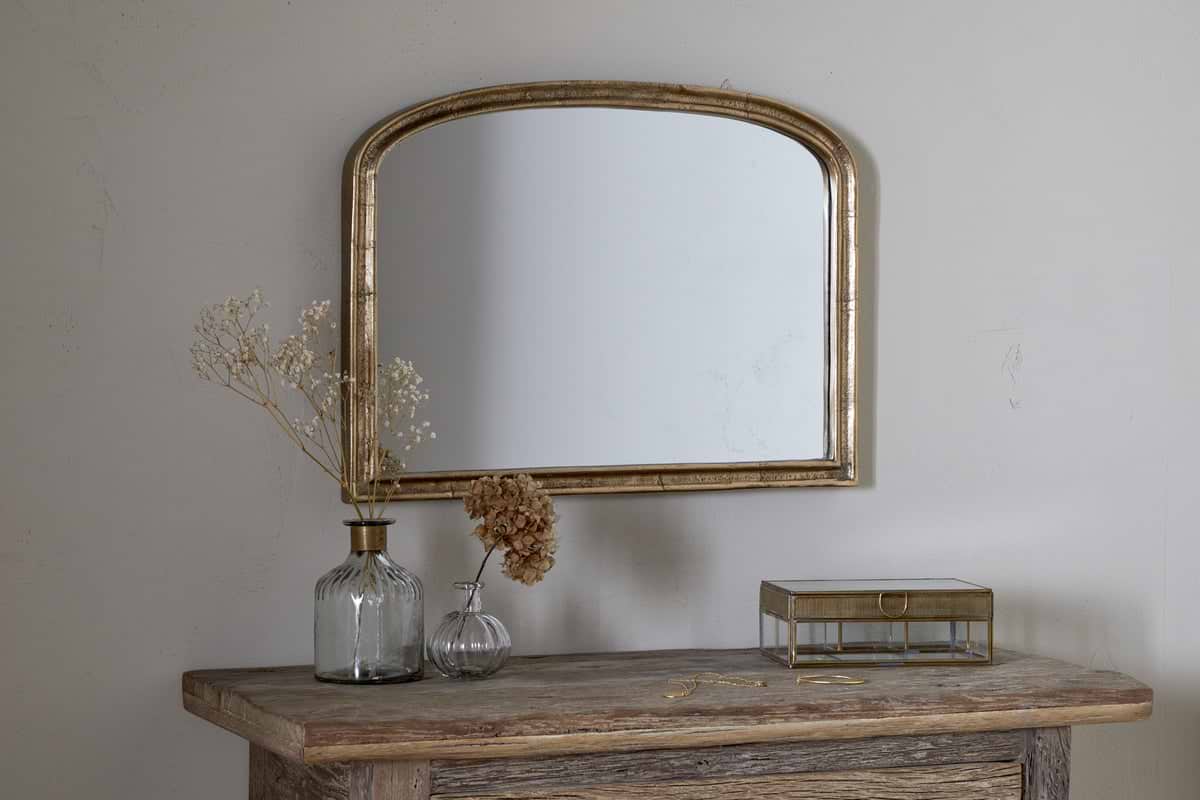
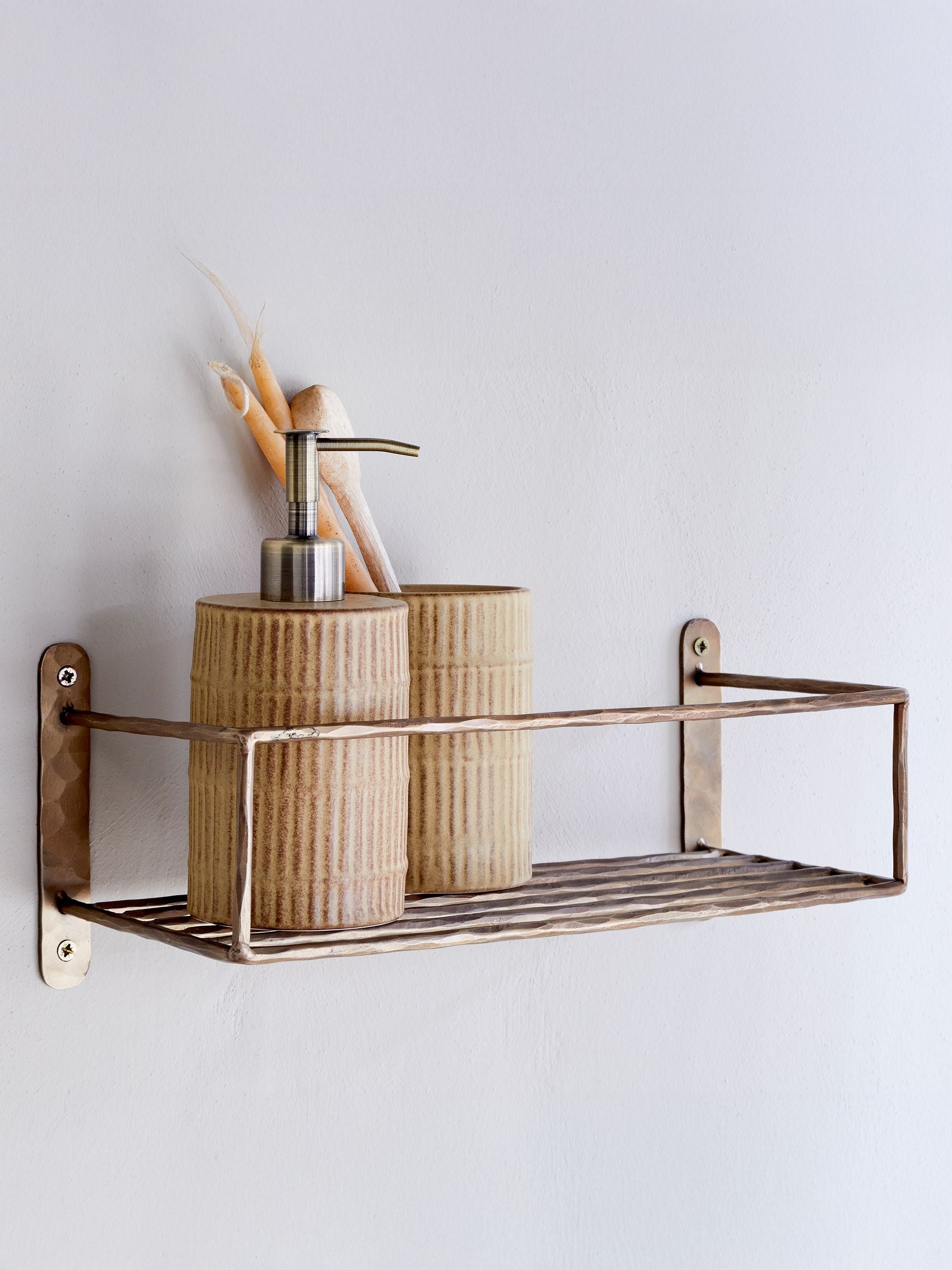
Some links above are affiliate links. If you buy through them we may earn a small commission at no extra cost to you. We only suggest pieces we think fit a calm, lived-in home.
Free guide
The Calm Shelf
12 styling ideas to help you compose calm, balanced shelves in natural texture homes.