

Too many shelving units for living room use in compact homes look bulky, deep, or out of place beside sofas and windows. Most store-bought options are designed for bigger spaces, and small living rooms end up with deep bookcases or cold, boxy metal shelves that don’t fit. Living with the wrong shelf flattens the mood, makes clean-up harder, and crowds corners that were meant to breathe.
This guide explains how to shift your room by choosing the right wood or rattan shelving units for living room areas, with a close look at what to keep, what to swap, and how to arrange. This works especially well in a small apartment living room when floor space is tight because the pieces here keep storage slim and natural but never dull.
The short version: Shelving units for living room spaces in compact homes work best when you choose shallow, open wood or rattan designs and limit what each shelf holds. This small change makes the room calmer, lighter, and easier to use, without the heavy look of typical deep cabinets or metal frames.
Key takeaways
- Wood shelving remains the dominant material for living room units in UK stores, according to Regalraum’s living room shelving listings.
- A shelving unit keeps a tiny room comfortable when its depth is limited to 30cm or less.
- Open shelving feels lighter than closed cabinets, especially when matched to a similar-toned wall.
- Corner shelves and wall-mounted units use awkward spaces that would otherwise stay empty.
- Pairing a shelf with a soft rug or linen curtain avoids the “institutional” look of bare storage.
- What actually makes a shelving unit work in a small living room?
- Wood, rattan, or metal: which frame works best for calm storage?
- Where this works best
- How do you keep shelves from looking cluttered?
- Styling and placement
- Open shelving or closed cabinets: which fits a compact space?
- How do you pair a shelving unit with the rest of your room?

What actually makes a shelving unit work in a small living room?
A shelving unit works best in a small living room when its size, colour, and surface match the scale and mood of the room. Shallow wood or rattan shelves create storage without cutting into free space or looking flat against soft furnishings.
In most narrow or shared living rooms, every large object matters. A tall, deep shelf in the wrong finish can pull the eye to one corner and make that whole wall feel heavier. Open, low shelving in oak or cane brings in storage but never blocks out light or crowd walkways.
Look for shelves with a depth under 30cm. Regalraum’s depth filter lists entire bands of living room shelves made for shallow use, with many wood options at 10–20cm deep. A shallower shelf means you can fit one behind a door or beside a window, turning wasted gaps into steady storage.
Unlike metal frames that reflect more light and feel sharper, a matte wood shelf disappears more easily into a warm-toned wall or next to a linen curtain. One exposed shelf with a low profile blends with rugs and rattan trays, while three or more can quickly look stacked and closed in.
Place an oak or rattan shelf in reach of a soft chair for books and plants, and let the room breathe where a big blocky unit would break up the layout.
Wood, rattan, or metal: which frame works best for calm storage?
Wood frames suit most living rooms because they warm up a space and age well with normal use. Rattan adds texture without any shine, while metal reads colder and works only as an accent.
Most UK retailers favour wood as the core material for living room shelves, with Regalraum’s living room shelving range filtering for 144 wood products compared to only a handful of metal-only frames. Wood absorbs light and shows grain, matching oak floors or walnut side tables without standing out harshly.
Rattan shelves, or a wood frame with cane inserts, fit well against neutral walls or in boho-inspired rooms. They do not add weight or glare, so the storage fades a little into the background.
Metal shelving, such as the IKEA VITTSJÖ or some geometric units found at Wayfair, can accent the right room, but in a mixed-material space they often fight with soft pieces. Instead of metal, use one small tray or planter to echo hardware or window finishes.
Choose wood for most shelves and rattan where a bit more softness or texture is needed, placing them where the sunlight drifts over the grain during the day.
Where this works best
Slim, open shelves are best in rooms with limited floor space, low windows, or tight corners. Shelving units for living room use succeed when they fit places bulky cabinets simply can’t.
Small living rooms with doors that swing inward, low window sills, or open-plan layouts need storage that hugs the wall but doesn’t block light. Here, wall-mounted wood shelves or light rattan bookcases pull their weight without closing off the flow. Shallow units fit beside a radiator, behind a sofa, or into a wide hallway that needs an anchor point.
When storage is needed for baskets, books, or media boxes, a shelf that stops well below eye level keeps the sight lines open. Instead of filling an open gap with a solid block, adding a short wood shelf means toys, remotes, or soft throws have a place but surfaces stay free.
Avoid bringing in an oversized metal or glass unit meant for a studio apartment—these almost always claim more air space than they give in storage. A shelf that’s too high or too deep quickly crowds a tiny living room, making it hard to sit or walk easily.
Use a wood or rattan shelf in the space under a sunny window or along a side wall to keep items stored but not stacked up, letting the room stay friendly and gentle to move around in.
How do you keep shelves from looking cluttered?
Shelves stay calm in a small room when each holds just one or two objects per length, with hidden baskets or boxes for anything loose. Repeating a single texture, like cane or linen, makes mixed items look intentional.
A bare shelf can read cold, while a shelf packed edge-to-edge with books and mismatched trinkets looks restless. The most usable storage for a compact living room sets simple limits: only display what you use daily or what brings real warmth or memory.
Most designers recommend leaving at least one third of a shelf empty. One woven basket, a short stack of calm-toned books, and a round clay bowl fill a shelf without making it heavy.
Unlike a mixed stack of stationery, chargers, and glossy souvenir mugs, repeating two similar textures (like a rattan tray and a slubby linen book cover) makes the shelf blend, not jar. If a shelf comes with an adjustable insert, take it out or lower it to fit only your largest item and cut down on the temptation to overfill.
A shelf styled this way suits a small living room where daily clean-up needs to be quick—every item has its spot, and nothing shouts for attention.

Styling and placement
The best shelving for a compact room is anchored to one wall or corner, and uses repeated textures or tones from nearby soft furnishings. Placement matters more than shelf count.
Furniture placement in a modest room relies on flow and focal points. A shelf tucked behind a sofa or placed flush with a media unit gives a steady, clean line, while a shelf that sticks out into main traffic breaks up movement. Positioning a shallow wood shelf below framed art draws the eye without adding height. If you already have a sideboard, mount a short rattan shelf above for extra leeway without crowding the floor.
Floating shelves are renter-friendly and can even double as display rails for dried grasses or a line-up of favorite books. Unlike a deep glass cabinet, a wall-mounted option clears the baseboard for air and cleaning.
Palette matters as much as structure. A white oak shelf beside a pale linen curtain blends better than a walnut frame against a red wall. For contrast, use one deep pot or dark book as a visual anchor; for calm, blend shelf and wall shades.
Quick calm checklist:
- Choose shelves in wood or rattan to lower visual weight.
- Leave empty space: never fill the whole surface.
- Match shelf tone to walls or curtains for flow.
- Keep shelf depth narrow near walkways and doors.
- Anchor one darker or heavier object to ground the placement.
A slim shelf on a light wall above a soft rug brings quiet storage and texture to the area everyone passes through.
Open shelving or closed cabinets: which fits a compact space?
Open shelving serves small living rooms best by keeping storage visible but light, while closed cabinets suit only rooms needing to hide mess or wires. Mix both only if clutter is a regular issue.
For most limited rooms, open shelving in wood or rattan fits nearly anywhere—a floating shelf can hover over a radiator or tuck behind a sofa. Closed cabinets, often deeper and with opaque doors, store items out of sight but take up more air space and require more clearance to open easily.
The best tradeoff keeps one or two open shelves at eye level for everyday items, then, if needed, adds a low closed cabinet under a window or in a dark corner to hide mess. According to Habitat’s storage range, many bookcases now combine both: open tiers above, closed boxes below.
Compared to all-open shelving, an all-closed cabinet looks tidier but can close off light and lessen the sense of space. Mix open and closed in one corner only if you need to store devices, chargers, or cables out of sight.
| Type | Best for | Downside |
|---|---|---|
| Open shelving | Displayed books, plants, daily items | Harder to hide clutter |
| Closed cabinet | Cables, papers, devices | Visual weight, less airy |
| Mixed (combo) | Storage and display zones | Requires careful placement |
Use open shelving to keep compact rooms tidy and breezy, adding closed drawers only where you truly need to stow mess out of view.
How do you pair a shelving unit with the rest of your room?
Shelving units blend best when their finish, size, and shape repeat or echo other elements in the room, like floor rugs or soft window treatments. They work less well as a “statement” or standalone piece in small spaces.
Pairing wood shelving with a similar wood coffee table, or placing a rattan shelf below a neutral linen curtain, forms a link that makes the room feel natural and easy. In most living rooms, a shelf that picks up one main room tone—like pale oak or soft brown cane—relaxes the eye.
Instead of mixing dark walnut with pale pine, stay within the room’s existing palette for shelves, or use one shared texture. A glass wall shelf beside a heavy fabric sofa can read cold and out of sync. On the other hand, a wood or cane frame near a rug and cotton pillows softens any sharp edge.
For more ideas, browse small living room layout fixes to anchor a shelf beside other furniture you already have, or draw inspiration from neutral shelf styling techniques to keep the look grounded.
Blend the materials of your shelving unit with another soft or textured accessory in your living room, so the storage always feels like part of the whole—never an afterthought.
Many people know something feels unsettled right after setting up a new shelf in a tight space. The colours may jar with existing chairs, or the unit feels oversized as soon as books and baskets go in. Sometimes, the clutter builds up on every surface, making it harder to tidy and harder to relax in the evening.
Most homes default to filling new shelves edge-to-edge, or pick the tallest unit on sale—leading to a busier, less grounded room. These mistakes matter more now because smaller living rooms demand every piece earn its place, or else the space simply shrinks.
When you swap in a shelf that matches the room’s palette and scale, the space clears visually and becomes easier to use every day.
Save this idea for later.

What tends to hold up with shelving units for small living rooms
Reviewing endless photos and product reviews, wood shelving proves itself again and again in small living rooms. The grain softens edges, doesn’t glare, and hides light everyday wear better than metal or glass. A pattern that comes up often is how matte wood and rattan both age gently—even when corners chip, the unit still feels right at home.
Most reviewers and stylists agree: units with a simple frame, open sides, and a shelf depth under 30cm avoid looking “shoppy” or cold. Matte finishes get recommended again and again for shelves near windows, because they don’t catch glare the way a glossy tray does.
— Mara, Loom & Glow
Common questions
What can I use instead of a shelving unit?
You can use a low sideboard, a wall-mounted ledge, or stackable baskets for storage instead of a shelving unit. Some people place a sturdy bench with bins underneath to hide everyday clutter. Stools and window ledges can also hold a few display items or books if floorspace is very tight.
How do you style shelves in a living room?
Style shelves by showing only your most-used or most-loved items, then leaving some space clear. Repeating textures—like a linen box, a woven basket, and a ceramic bowl—brings quiet order. A small plant, a pile of calm-coloured books, or a framed photo fill a shelf without making it crowded.
Is it cheaper to buy or build shelving?
Buying ready-made shelving is usually cheaper and faster than building, unless you already own the wood and tools. Many strong options are now available at a low cost from major brands, including open wood units and cube shelving. Building lets you match fit and finish, but takes time and skill.
What are the most common shelf design mistakes?
The most common shelf mistakes are picking too deep or tall a unit, filling shelves edge-to-edge, or mixing colours and textures at random. Overstuffing shelves makes a room look busier, while mismatched finishes can break up the look. Picking a shelf with the right depth helps avoid these issues.
Explore more calm combinations inside our Shop The Look .
Shop the Look
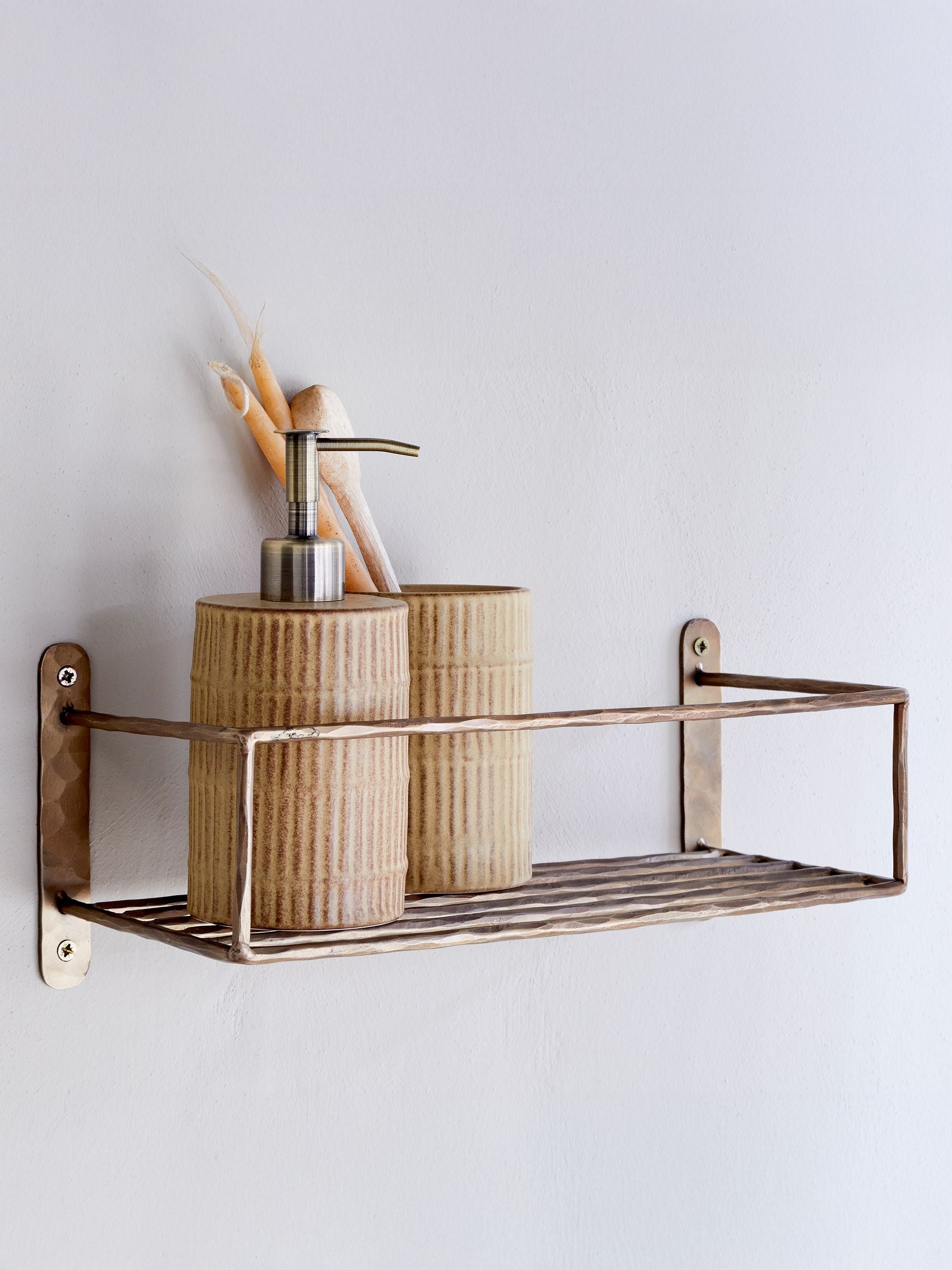
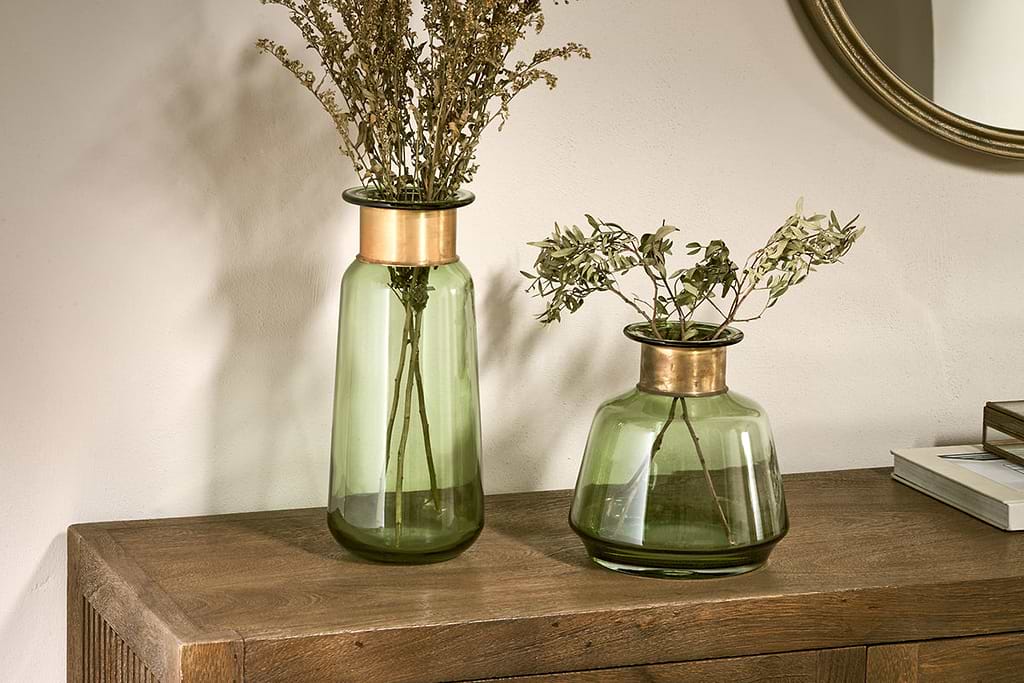
Three pieces that pair naturally with open shelving in a compact layout.
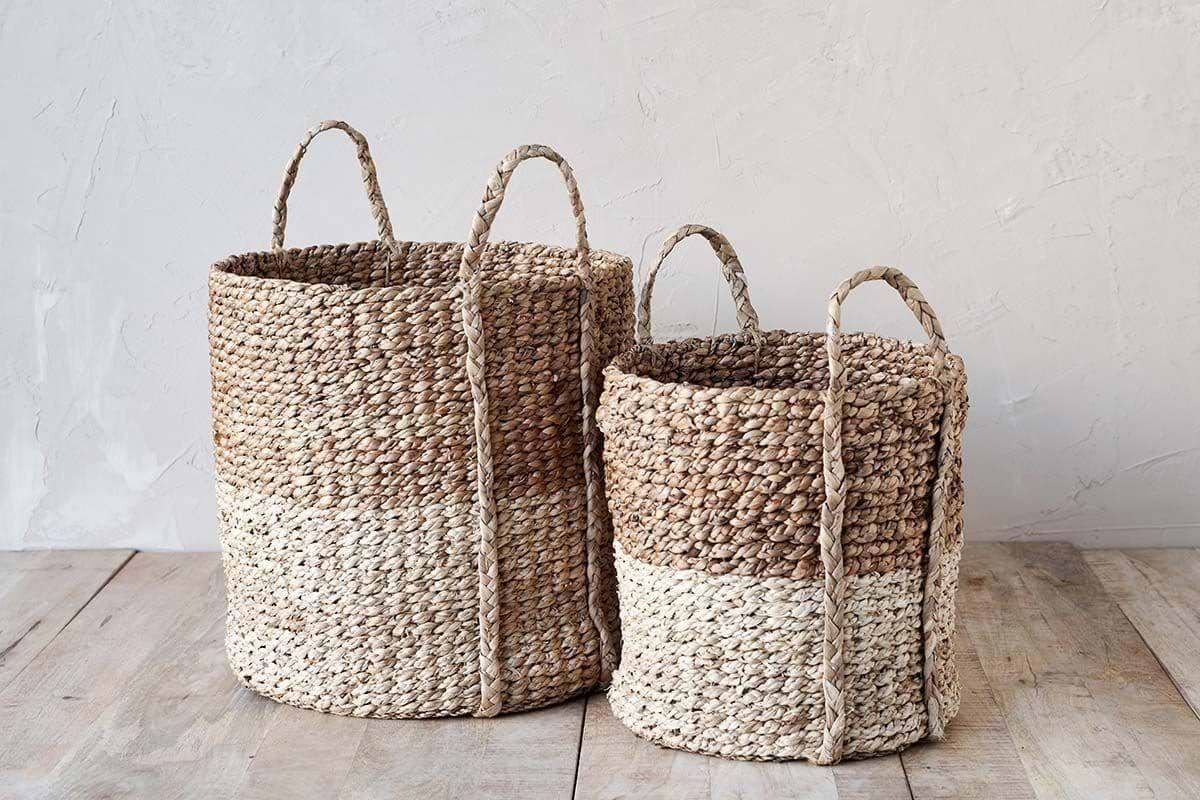
Nkomi Basket
Woven storage with a calm silhouette — works open or tucked under a console.
View at Nkuku →Some links above are affiliate links. If you buy through them we may earn a small commission at no extra cost to you. We only suggest pieces we think fit a calm, lived-in home.
Free guide
The Calm Shelf
12 styling ideas to help you compose calm, balanced shelves in natural texture homes.