

Walk into most new builds and you’ll notice the same thing: everything looks new, blank, and a little cold. Even with clever layouts and brand-new furniture, the same “show home” feel creeps in, making it hard to find warmth or personality. New build living room ideas often fall flat when every surface and corner feels too fresh, too untouched, almost like the room is waiting for real life to begin.
This guide focuses on a practical shift: how to make a new living room feel lived-in and welcoming without adding clutter. You’ll learn what to layer, which colours to bring in, and how to avoid habits that make a space feel like a catalogue. This works especially well for a small apartment living room when you need more comfort from less floor space because it helps each piece feel intentional and homely, not generic.
The short version: The most effective new build living room ideas layer texture, colour, and architectural details so a blank room gains both warmth and character. You’ll use a few strategic changes, paint, natural materials, one focal point, to make the everyday space feel settled and personal.
Key takeaways
- A warm colour palette adds character and softens the blank feeling of a new build living room.
- Natural materials and layered lighting both break up harshness and add real warmth, according to Dowsing & Reynolds.
- Using vintage pieces is a practical way to introduce history and prevent the “show home” effect.
- Wall panelling or swapping hardware creates subtle architectural interest even in rental-friendly spaces.
- Spacing decor with roughly two-thirds left clear avoids visual clutter and keeps the room comfortable.
- The new build living room problem: why it feels cold and impersonal
- How do you start with a warm, intentional colour palette?
- How can texture change a new build living room?
- Where this works best
- What makes a strong focal point (besides the TV)?
- Styling and placement
- Why do new builds benefit from vintage and architectural details?

The new build living room problem: why it feels cold and impersonal
A new build living room often feels cold and impersonal because plain finishes and uniform surfaces reflect light, but do not absorb warmth or personality.
Most new build living rooms come with smooth walls, basic skirting, and factory-finished doors. Natural daylight bounces across every surface, making the room look bright but also a bit empty. The effect is clean, but not inviting.
Add brand-new furniture and the feeling lingers. Even a plush sofa or bright rug can look floaty and isolated when the surroundings have no story. The problem is not a lack of things; it’s the sameness from floor to ceiling.
Unlike a home with original features or worn surfaces, a new build room needs deliberate touches to slow the eye and settle the space. Too many objects only create clutter. Instead, a few materials and one or two architectural tweaks go further to set a calm, lived-in tone. A show home look can break up the flow, but an honest, simple change can tip the difference.
Adding natural materials like a jute rug or a raw wood side table absorbs excess light and softens the edge of manufactured finishes. This makes lounging or reading on a quiet weekend feel like home, not a shop display.
How do you start with a warm, intentional colour palette?
A warm colour palette adds character to a new build living room by muting harsh whites and setting visual warmth from the ground up.
Fresh white walls can look modern, but they are often the reason a space reads cold and empty. Choosing a soft, warm paint, think clay, tan, or gentle olive, shifts the mood without needing to re-furnish. According to Dowsing & Reynolds, a warm colour palette is one of the easiest ways to add character.
A simple shift from blue-white to bone or oat takes the glare out of daylight and brings out texture in fabrics. Even in a low-light room, muted tones feel calm instead of grey. Unlike a single accent wall, painting the full room in a subtle warm shade levels the energy and keeps the space restful.
Try painting before moving in if possible, or update one wall behind the sofa for instant depth. A warm colour works best when paired with natural flooring, a wool rug over smooth laminate, for example. This treatment draws two areas together and lessens the feeling of being “on show.”
Once the base is soft, small changes, like a ceramic lamp or a velvet bolster, will look settled rather than scattered. A room with too many stark contrasts looks busier than one with clear, related shades.
How can texture change a new build living room?
Layering different textures in a new build living room makes the room feel soft, breaks up cold surfaces, and helps sound feel quieter underfoot.
Smooth plaster, glass, and painted trim can make every noise echo and every surface shine. Adding tactile materials, linen, jute, raw wood, absorbs light and muffles sound. According to No Space Like Home, lots of texture is the key to a cosy new build living room.
Even with the best layout, a room without depth feels flat. A linen curtain will move and catch the light differently than a polyester blind. Throw cushions filled with feather sit heavy, while synthetic inserts bounce and slide. A simple sheep’s wool rug on laminate or tile feels comfortable, not cold or slippery.
Compared to layering many colours, adding just a few textures calms the space without creating busyness. Textured baskets by the sofa can hold blankets or books, giving the eyes and hands something friendly to meet.
Layering texture works in rentals too, just avoid adhesives or fixtures that leave marks. Choose materials that age well, like cotton or wool, so frequent use makes them softer over time. This turns the living room into an everyday retreat, not just a showpiece.
Where this works best
New build living room ideas work best in rooms with hard floors, blank walls, or open layouts where warmth and comfort are lacking.
Open-plan spaces and rooms with wide windows often feel the most bare. Surfaces echo, and the air feels cooler because there is little to slow the light. In rental flats, you are often stuck with basic flooring and plastic sockets, making it hard to add personality.
Busy family rooms benefit from grounding details. Baskets for toys, layered throws, and one bold rug can define the social zone and keep clutter from spreading. In smaller living rooms, using fewer, larger items, like an armchair and a big floor lamp, calms the layout far more than lots of small decor.
Avoid adding small, unconnected accessories that crowd side tables or shelves. This only recreates the show-home effect and can make the space feel busier, not warmer. It’s better to start with two or three large, practical pieces than spread out dozens of trinkets. A rough linen curtain naturally frames a window better than a collection of tiny plants lining the sill.

What makes a strong focal point (besides the TV)?
A strong focal point in a new build living room is made by highlighting a feature like a gallery wall, fireplace, or sculptural lamp instead of the television.
Most new build living rooms default to the TV as the main anchor, but this keeps the eye low and the mood flat. Creating a focal point with a gallery wall, a large plant, or statement lighting draws attention upwards and around the room. Unlike low-slung entertainment units, vertical features make the space feel taller and more layered.
Try anchoring one corner with an over-scaled framed print or a leaning mirror. This pulls energy from the centre outwards and helps balance the clean lines of new construction. Fireplaces, real or electric, or an arrangement of tall vases on a sideboard add both weight and height.
A bare TV wall reads as temporary, while a real focal point feels crafted and permanent. Gallery walls, especially with mismatched frames or art collected over time, break the shiny finish and signal history. A strong focal point makes even a blank box feel lived in and intentional.
Lighting matters here. An arched floor lamp or a cluster of pendants becomes sculpture, especially in spaces where architectural features are missing. This is where you can use layered lighting as both a visual anchor and a practical shift, scatter soft light sources to guide the eye and set a calming evening mood.
| Focal Point Type | Effect | Best For |
|---|---|---|
| Gallery wall | Adds personality, breaks blankness | Rental-friendly, large walls |
| Fireplace or console | Grounds the room, adds weight | Traditional feel, family lounge |
| Statement lamp | Height, interest, subtle drama | Open layouts, dark corners |
Styling and placement
Styling and placement in a new build living room work when you anchor each area with one substantial item and avoid spreading small objects too thinly.
Setting a room with intention means limiting both colour and layout changes. A jute rug can anchor a seating zone in an open plan, while just two large scatter cushions balance a long sofa. Overloading corners with small pieces makes the space feel fussy. A well-placed clay bowl on a low coffee table can break the run of hard lines and add practical storage for keys or remotes.
Pay attention to spacing. Most stylists leave about two-thirds of any shelf or surface clear, so objects have room to breathe. Compared to grouping many colours in a line-up, a simple stack of books with a wooden bead strand reads warm rather than staged. Repeating one natural material, like woven baskets, across the room links the different zones and keeps the look grounded.
In narrow or shared spaces, floating shelves can display favourite objects or art without eating into floor area. Unlike a deep unit or sideboard, shallow wall-hung storage works with tricky footprints and makes the room feel more open.
Wall panelling ideas can offer subtle architectural character without closing in the space, especially when painted in the same tone as the wall for a soft, seamless look.
Quick calm checklist:
- Start with one natural material, jute, wool, or clay, repeated in at least two places.
- Keep surfaces roughly two-thirds clear to prevent clutter and let materials stand out.
- Stay within a soft, related palette for large pieces; save bold accents for one spot like artwork or a lamp.
- Align seating and rugs to define the main part of the room, not just the TV zone.
- Mix storage with display: open baskets, a closed cupboard, a floating shelf with art.
Why do new builds benefit from vintage and architectural details?
Vintage pieces and subtle architectural details add depth and history to new build living rooms, making new spaces feel grounded and less anonymous.
Brand new surfaces and factory-clean finishes are missing one important thing: any sense of story. Using vintage pieces, such as a wooden stool, a retro lamp, or reclaimed artwork, gives even the plainest room a feeling of history. Unlike stacking store-bought decor, one real “find” pulls the room together and makes people want to stay.
Adding architectural details, such as wall panelling or swapping out basic switches and sockets for textured, metal styles, leaves a subtle mark that stands up to heavy use. Even in a rental, stick-on battens or easy-install hardware can create the look of period detail with minimal fuss.
Compared to new mass-market shelving, a single rough-edge bookcase, aged mirror or upcycled sideboard will break up the gloss and change the way sound travels through the space. Architectural trims are especially useful in rooms with high ceilings or echo, grounding the space and framing art or furniture in a quiet way.
What tends to hold up with new build living room choices
Across many reader questions and room projects, the best results come from being honest about what feels cold or staged. Rooms with real texture, wool, stone, warm metals, tend to keep their comfort even after trends change. Reviewers often say a single architectural change, like wall panelling or a painted door, makes the blank feeling disappear.
Matte finishes get recommended again and again for objects near bright windows, because glossy trays and plastics catch glare while natural fibres stay easy on the eyes. Keeping colour palettes soft and layering light at different heights are fixes decorators turn to frequently because they work in almost any setting or season.
, Mara, Loom & Glow
Common questions
What is the 2/3 rule for living room furniture placement?
The 2/3 rule means keeping about two-thirds of a surface, wall, or layout open, so any arrangement looks balanced and not crowded. This guideline helps sofas, rugs, or art feel placed rather than forced, and gives the eye enough negative space to rest. Designers use this to keep rooms both open and comfortable.
What are the current trends for new build living rooms?
The biggest trends are soft, warm colour palettes, use of layered texture, and statement lighting or architectural details like panelling. These updates move away from pure white, ‘show home’ looks. Borders on floors, visible wood grain, and anything vintage or worn also add personality to newer homes.
What are the best decor ideas to add character to a new build house?
Best ideas include painting with earthy colours, layering natural materials, and introducing vintage furniture or art. Gallery walls, wall panelling, and swapping out bland light fixtures help too. These steps add depth and history, so even new rooms feel lived in and comfortable.
How do you make a new build living room look less like a show home?
The fastest way to avoid the ‘show home’ look is to mix in genuine vintage pieces, soften all surfaces with natural fabrics, and choose layered lighting over bright overheads. These steps break up the matched, staged feel and give new spaces authenticity and comfort.
Explore more calm combinations inside our Shop The Look .
Shop the Look
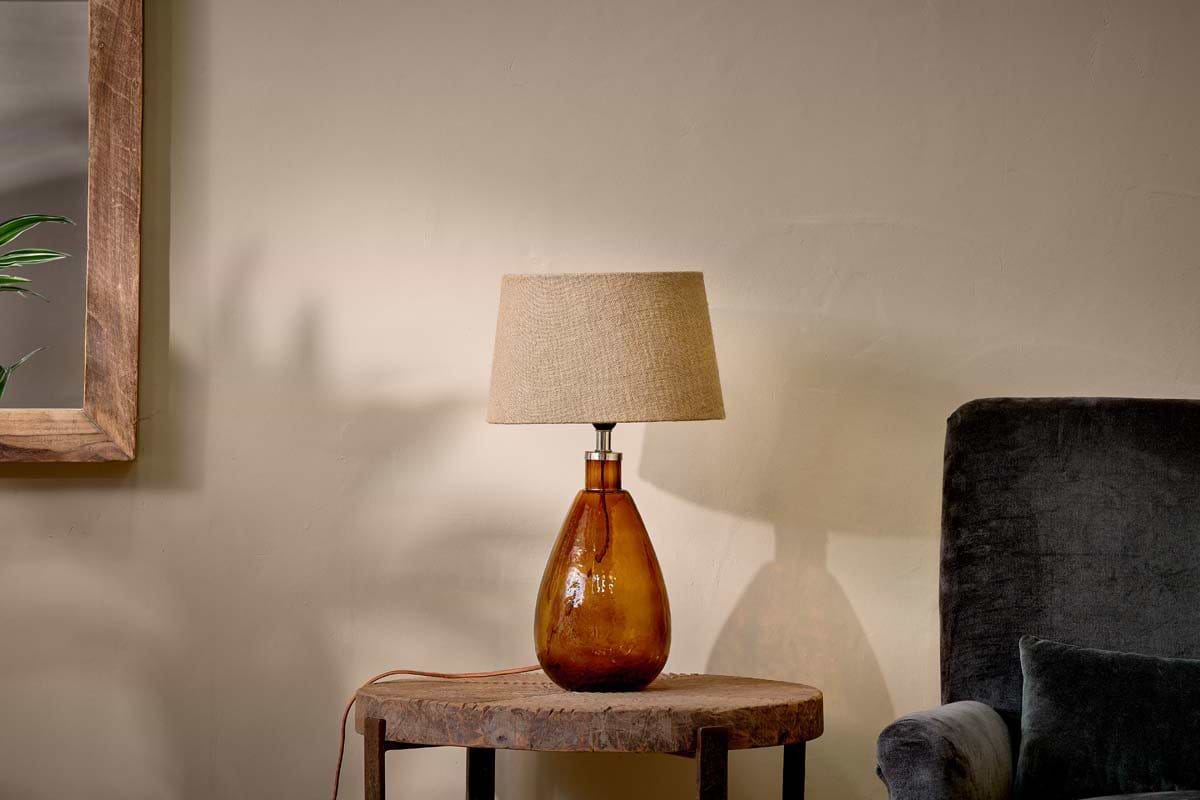
A few Nkuku pieces that bring immediate warmth and lived-in texture to a new space.
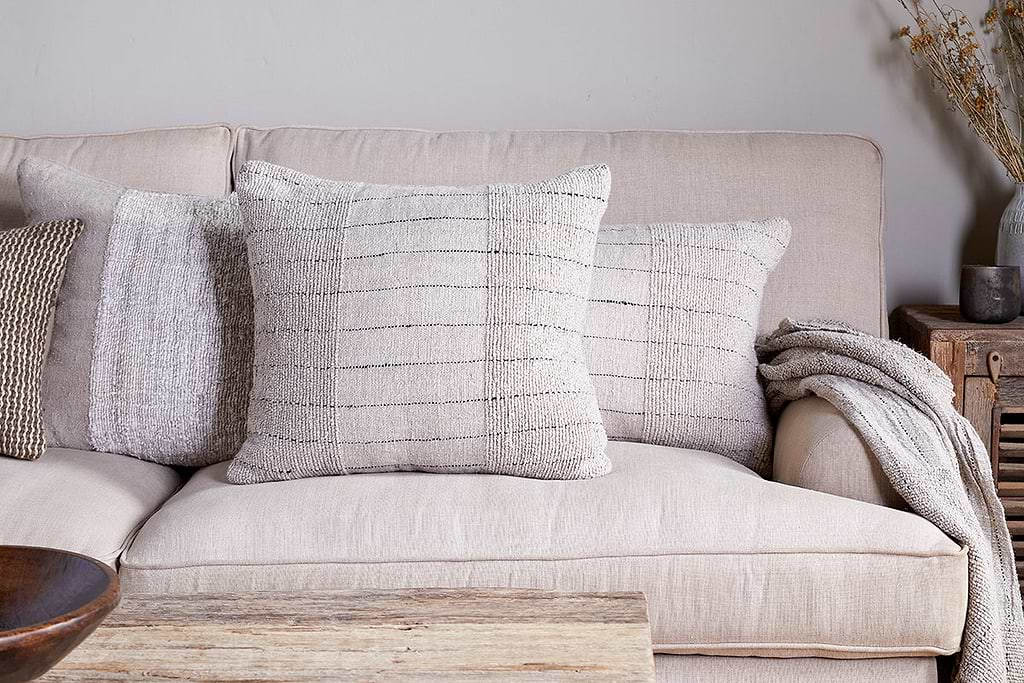
Mayla Cushion Cover
Soft hand-textured cover, instant warmth on linen sofas or chairs.
View at Nkuku →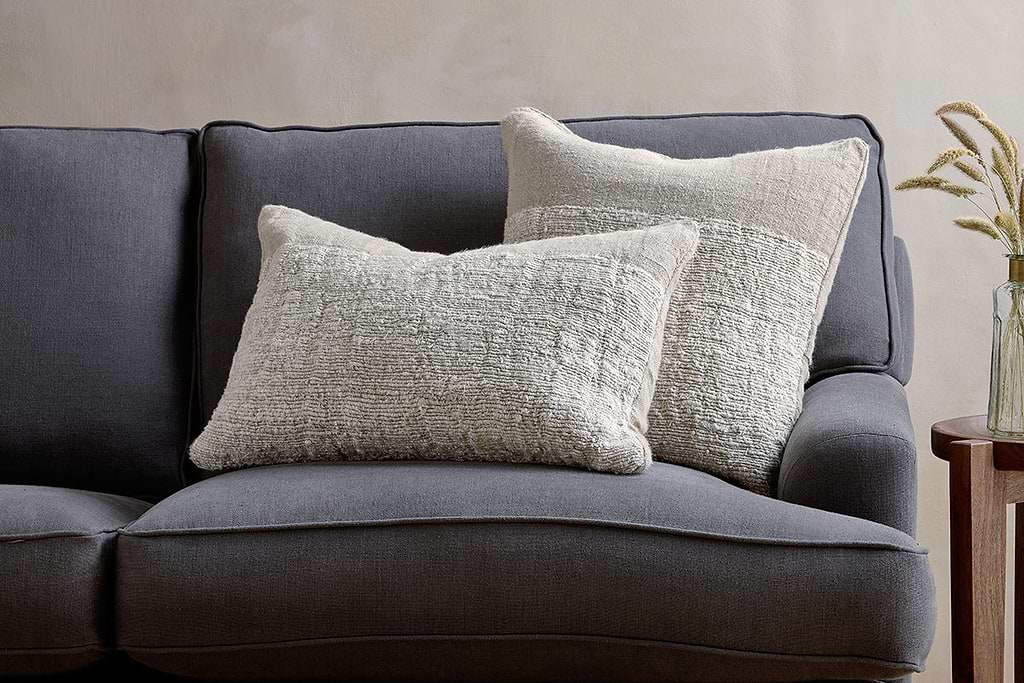
Puli Linen Cushion
Recycled linen in natural, pairs with woven textures and aged wood.
View at Nkuku →Some links above are affiliate links. If you buy through them we may earn a small commission at no extra cost to you. We only suggest pieces we think fit a calm, lived-in home.
Free guide
The Calm Shelf
12 styling ideas to help you compose calm, balanced shelves in natural texture homes.