

Storage is tight in most homes, and a mid century wall shelf often ends up as a last-minute fix. That leads to clutter and missed chances for real character. This is common in small apartments, where every choice is visible and messy edges show fast.
Today, you can stop chasing the perfect shelf and focus on what works for your space and your style. You’ll learn where to source genuine mid-century shelves, what makes the good ones different, and concrete ways to place and fill them. This works especially well in a living room with limited storage when you need more than a plain bookcase because wall space is all you have.
The short version: The simplest way to get an authentic feel is choosing a mid century wall shelf from a reputable vintage source and styling it with fewer, natural-material objects. A careful layout and honest materials give you more storage and a room that feels orderly without looking staged.
Key takeaways
- A mid century wall shelf looks best when placed where the wall is clear and the styling stays simple.
- Moving from thick, painted MDF to real teak or walnut adds real weight and warmth to a room.
- Most floating shelves are less than a foot deep, which suits both display and daily storage.
- Genuine vintage shelves cost more, but Vinterior highlights a ‘Best Under £500’ category for furniture that includes shelf units.
- You can filter Ebay listings for mid-century modern shelving units by material, price range, and used/new condition for better results.

What sets a mid-century wall shelf apart?
A true mid century wall shelf uses real wood, clean lines, and simple metal or hidden brackets. These design choices make the shelf practical for both display and storage in modern homes.
A typical mid-century wall shelf stands out by using solid or veneered teak, walnut, or rosewood. These woods have a weight and a warmth that painted MDF versions often lack. The grain shows, and corners feel rounded, not sharp. If you have an old plaster wall, these smoother lines help the shelf blend in without looking heavy.
The support is usually quiet, a thin brass rod, a black steel hairpin, or a bracket hidden altogether so that the shelf “floats.” Compared to bold industrial supports, these fade into the wall and leave objects in view. An entryway shelf with a hidden bracket looks lighter next to a narrow bench, which makes tight spaces feel less boxed in.
A bare shelf, even of good wood, can read colder than one balancing a natural basket or an everyday bowl. Yet, overfilled shelves quickly turn crowded, especially when you mix colors and finishes that fight each other. The classic look uses only a few objects so sunlight can play over both wood and accessory.
Place a mid-century wall shelf at eye level in a kitchen or hallway where surface space is precious, but clutter creeps in. The right shelf brings order without calling too much attention to itself.
Where to find mid-century wall shelves now
Finding a mid-century wall shelf is easiest at vintage markets, specialist online retailers, and places like Etsy and Ebay. Filtering by wood type and bracket style helps spot true originals from modern copies.
Most people start searching online, and the best odds for an authentic shelf now come from curated marketplaces and secondhand listings. Vinterior offers a wide range, often grouped by style, designer, or price, and even highlights “Best Under £500” picks with clear seller policies.
Ebay is another steady resource. According to Ebay listings for mid-century modern shelving units, you can filter by both condition (new or used) and by budget, including under £110 and up to £550 for the more finished wall units. This is helpful for small home projects where price matters as much as appearance.
Independent makers and resellers show up on Etsy UK search, where you can filter by wood, bracket type, and skip digital (printable) “shelf” listings altogether. If you want a made-to-order size, look under the “personalizable” items, real makers often offer tweaks.
A hallway or dining room is often easiest to outfit from online sources. Local vintage shops, by contrast, can surprise you with well-priced, worn-in options, especially when you can see the patina directly.
How do you choose the right material?
The main woods for a mid century wall shelf are teak, walnut, and rosewood, each bringing a different color, weight, and feel. Choosing real wood over laminate leads to a steadier shelf and a richer look over time.
Teak is the classic, open-grained, with a soft gold or honey tone. It stands up to sunlight and even the occasional water ring, which is practical near kitchens or plant displays. Walnut reads slightly browner, grounding a pale wall. Rosewood is darker, richer, and suited to rooms with lots of daylight, where its reddish streaks catch the morning sun.
Unlike white-lacquered shelves, solid woods hold their color longer and age into gentler, more broken-in surfaces. A powder room shelf done in rosewood looks more finished compared to a painted plank, but it doesn’t shout. If you shy from bold colors, a natural wood absorbs the eye, softening the effect of one or two favorite items.
A floating shelf in walnut feels more stable than a hollow-core or laminate shelf, especially if you keep glassware or a concrete planter on top. Most floating versions are less than a foot deep, which keeps the look trim and the weight manageable.
Place the shelf where you want both function and display, perhaps over a low cabinet, holding both keys and a clay planter. A natural wood shelf makes everyday bits easier to access, while shaping the view.
Where this works best
A mid century wall shelf works best in main living zones, tight entryways, or rooms where surface storage is limited but needed daily. These spaces show the shelf and keep its function clear.
In most homes, the best spot for a mid-century wall shelf is either the living room, kitchen, or hallway, places where you need an extra surface, but can’t add another piece of furniture. A small apartment benefits most, since every vertical space counts and too much storage on the floor crowds movement.
Daily life flows easier when the shelf sits where you grab things often. In a kitchen, it can hold mugs, a recipe book, or the spices you use most. In a hallway, it works for keys, post, and the bowl where you drop change. The key is that these rooms force you to keep surfaces clear or the space closes in fast.
Avoid mixing the shelf with too many wall hangings or art prints. When a shelf shares a wall with bold artwork, the eye has nowhere to rest. If you want to combine, keep the shelf sparse and frame colors muted, let the grain of the wood lead the look.
Hang a mid-century shelf over a radiator in a hallway, above a dining table for spare carafes, or near a door for hats and gloves. The right spot fits both your traffic pattern and your storage gap.

Styling and placement
Keep styling simple by choosing fewer, heavier objects with varied texture and height. Place each item with room around it so the shelf doesn’t look crowded.
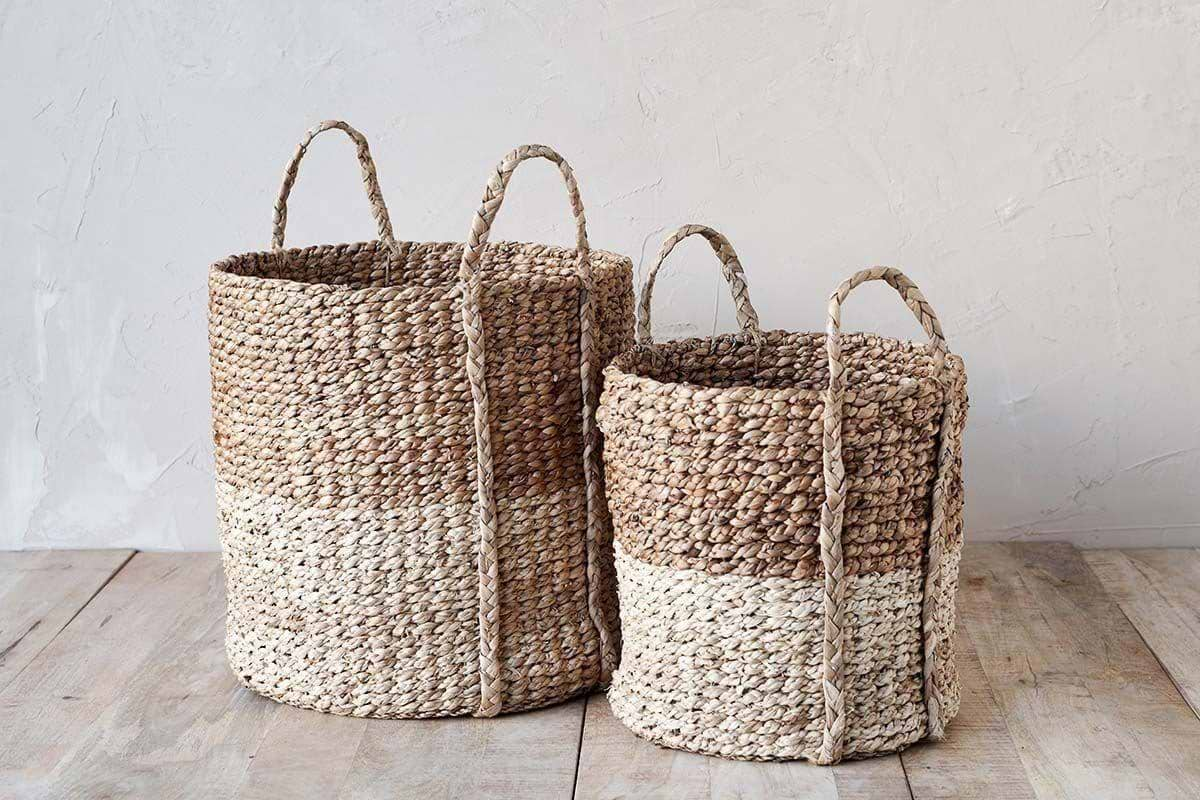
Start with three main objects: one stable piece like a hardback book stack, one textured piece such as a woven Nkomi Basket, and a smaller accent, a bowl or a clay vase. The “rule of three” helps the shelf look settled, not busy.
Compared to a shelf full of tiny trinkets, a few heavier, substantial objects visually anchor the wood. The texture of basketry or linen softens the hardness of wood and metal. A glass vase or a rough clay pot catches the light differently, providing variety without the need for much color.
A shelf that stretches the length of a sofa needs space between items to avoid feeling like a storage rack. Even in a small hallway, leaving the edges clear draws the eye inward.
Quick calm checklist:
- Choose real wood, woven, ceramic, or glass for objects, avoid shiny plastics.
- Keep one-third of the shelf empty for breathing space.
- Repeat a natural tone (like pale wood or basket fiber) somewhere nearby.
- Place heavier items closer to the brackets if visible.
Hang a shelf above a sideboard and style it so objects do not compete with what sits below. In homes with children or pets, ensure nothing fragile sits on the edge. For more on paring down, see our shelf styling formula guide.
How much should you budget for a mid-century wall shelf?
Most vintage mid-century wall shelves cost between £100, £500, depending on wood type, length, and condition. Online sources like Vinterior or Ebay group these into price ranges that suit both low and high budgets.
For a real teak or walnut shelf, plan on spending under £250 for a short floating bracket model, or up to £500 for a multi-tier wall unit. Vinterior highlights a free cancellation and return window, which eases the risk of buying used.
Ebay’s filtered results simplify buying; you can sort by either “used” or “new” to avoid factory-fresh look-alikes. Most shelves called “mid-century modern” actually date from the 1950s, 1970s, but there are new builds with brass brackets or hairpin legs at much lower prices if you favor lookalikes over true vintage.
| Source | Typical Cost | Notes |
|---|---|---|
| Vinterior | £200, £500 | Best for real wood, returns offered, curated |
| Ebay | £110, £550 | Mix of vintage and reproduction, filter by new/used |
| Etsy | Under £250 | Independent and custom makers, wide selection |
A shelf with visible marks, stains, or nicks usually costs less and, with some care, can read as “broken-in” rather than just old. If you want something budget-friendly for a secondary room, this is one way to keep the look authentic.
For more tips on combining decor within a set budget, our floating shelf decor guide shows adaptable styling ideas.
Are there alternatives to a true vintage shelf?
You can get a mid-century look using new shelves built in the same style, especially with natural woods, slim brackets, or floating supports. Many stores and independent makers offer versions without vintage pricing or wear.
Shops now sell new shelves labeled as “mid-century style,” often in sustainable woods or walnut veneer. While these lack the patina of something sixty years old, they work well in homes needing sturdier finishes and no repair. The bracket style, hairpin, black steel, or even hidden, makes the biggest difference in copying the look.
Compared to thrifted originals, new shelves vary in color and construction. A solid oak or bamboo shelf with a powder-coated steel bracket looks close at a glance but may weigh less than old teak or rosewood. If you need several shelves to match in an open-plan room, buying new keeps colors consistent.
A new shelf is best in kitchens, bathrooms, or rentals where easy mounting and smooth finishes are important. You can still add warmth with a woven basket or clay tray above, echoing the look of a true vintage piece, as explained in our DIY shelf decor reference.
Sometimes, the moment you step back, a room with too many styles or mismatched shelves, it’s clear something feels off. Maybe the shelf feels lost against the wall, or the wood doesn’t match what’s below. The solution is to edit both shelf and wall to highlight just one material or bracket style, keeping palettes and shapes simple so the wall shelf reads as a single clear feature.
There’s a daily mistake that can sneak in: filling a mid-century wall shelf with too many small objects, plastic bins, or mismatched souvenirs. The effect is a room that looks busy and never finished, even after tidying. The benefit of pausing and stripping back to honest materials is that now both shelf and contents feel steadier and calmer. Save this idea for later.
What tends to hold up with mid-century shelf choices
Most rooms, especially those with soft painted walls and few architectural features, benefit most from real wood shelves with simple lines. Matte finishes get recommended again and again for shelves placed near windows, because they don’t catch glare like a glossy finish does. Reviewers of both vintage and new shelves often mention the steadiness a real bracket brings, even for the lightest shelf.
Decorators warn not to overload the shelf, the grain of the wood is quieter than a jumble of small things. Grouping items by material or height, rather than by color alone, keeps the look stable across seasons.
, Mara, Loom & Glow
Common questions
What wood types are best for a mid-century wall shelf?
The main woods for a mid century wall shelf are teak, walnut, and rosewood, each bringing a different color, weight, and feel.
How deep are most mid-century wall shelves?
Most floating shelves are less than a foot deep, which suits both display and daily storage.
Where can I buy authentic mid-century wall shelves?
Finding a mid-century wall shelf is easiest at vintage markets, specialist online retailers, and places like Etsy and Ebay.
How should I style a mid-century wall shelf to avoid clutter?
The classic look uses only a few objects so sunlight can play over both wood and accessory.
what are common wall shelf mistakes?
The most common wall shelf mistake is treating shelves as a last-minute storage fix that leads to clutter and missed chances for real character. Overfilled shelves quickly turn crowded, especially when you mix colours and finishes that fight each other; the classic look uses only a few objects so sunlight can play over both wood and accessory, keeping shelves at under a foot deep for both display and daily storage.
Explore more calm combinations inside our Shop The Look .
Shop the Look
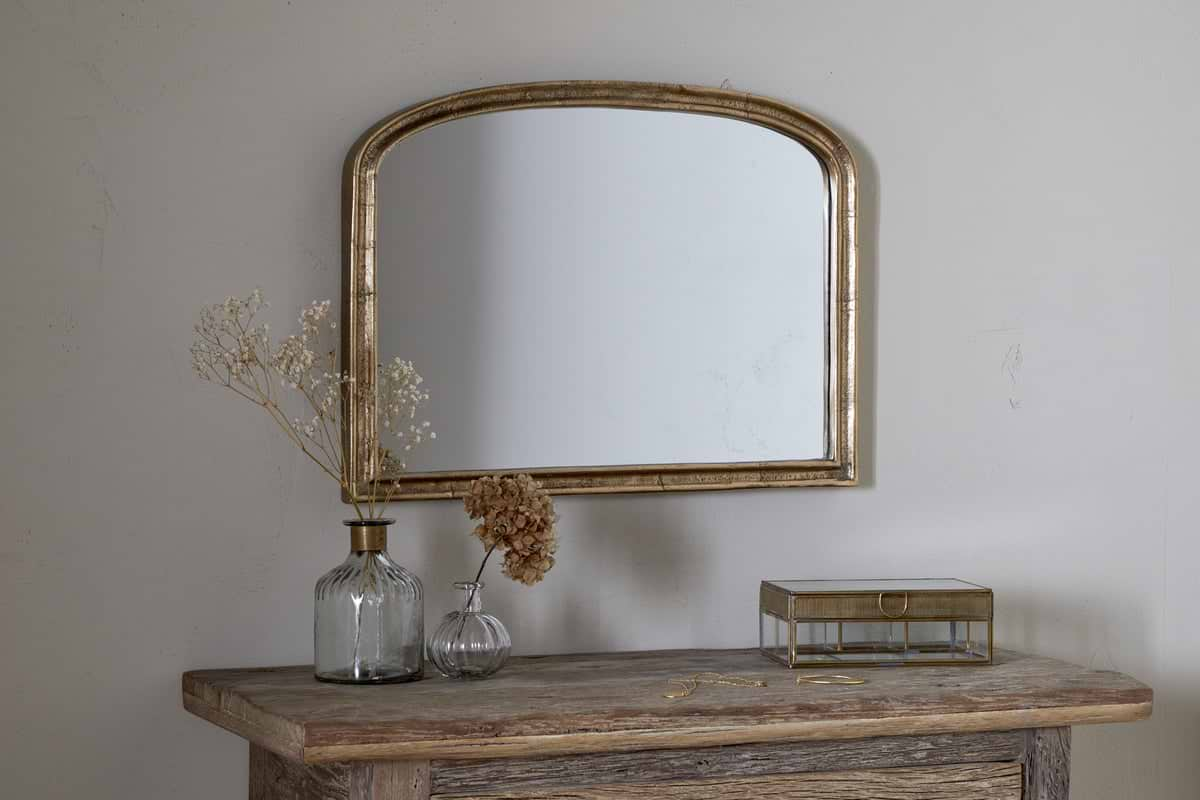
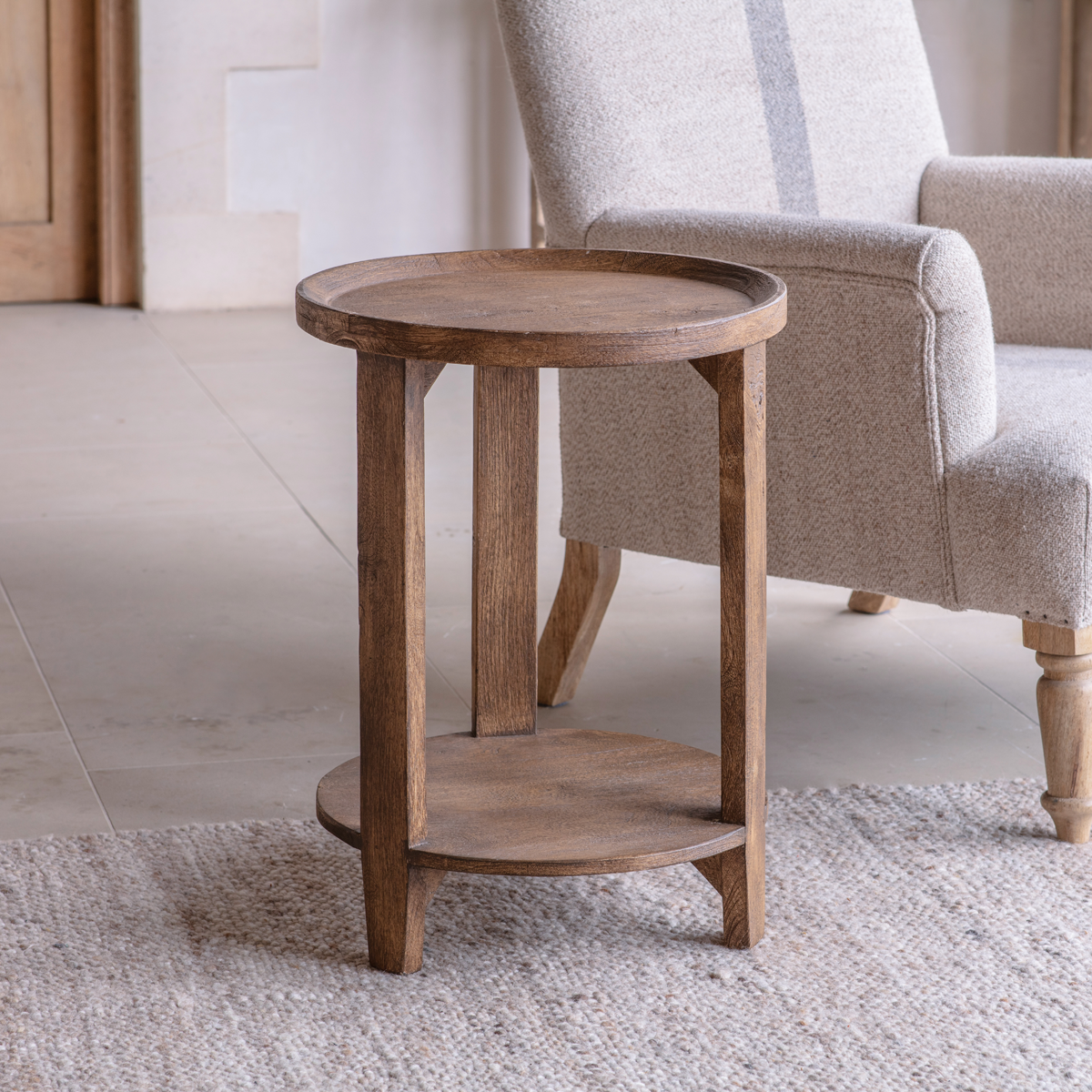
Two pieces that sit easily with mid-century lines and warm wood tones.
Some links above are affiliate links. If you buy through them we may earn a small commission at no extra cost to you. We only suggest pieces we think fit a calm, lived-in home.
Free guide
The Calm Shelf
12 styling ideas to help you compose calm, balanced shelves in natural texture homes.